Epigenetic Biomarkers Predict Delirium Diagnosis: DNA Methylation Patterns (2024 Study)

Epigenetic markers, specifically DNA methylation (DNAm) differences, show promise as diagnostic tools for detecting delirium, including post-operative delirium (POD), across multiple patient cohorts. Highlights: Significant DNAm Differences: Analysis of blood samples from four independent cohorts identified significant DNAm differences between patients with and without delirium, with 11 of the top 13 CpG sites showing consistent …
Read more

Antidepressant Mechanisms of Aerobic Exercise (2024 Review)

Aerobic exercise reduces depressive symptoms by decreasing inflammation, boosting dopamine transmission, and enhancing motivation and cognitive control. Highlights: Depression & Dopamine: Depression is linked to disrupted dopamine transmission, affecting reward processing and motivation, particularly in effort-based decision-making. Inflammation’s Role: Exercise reduces systemic inflammation, which otherwise impairs dopamine transmission and contributes to depressive symptoms like anhedonia …

Read more

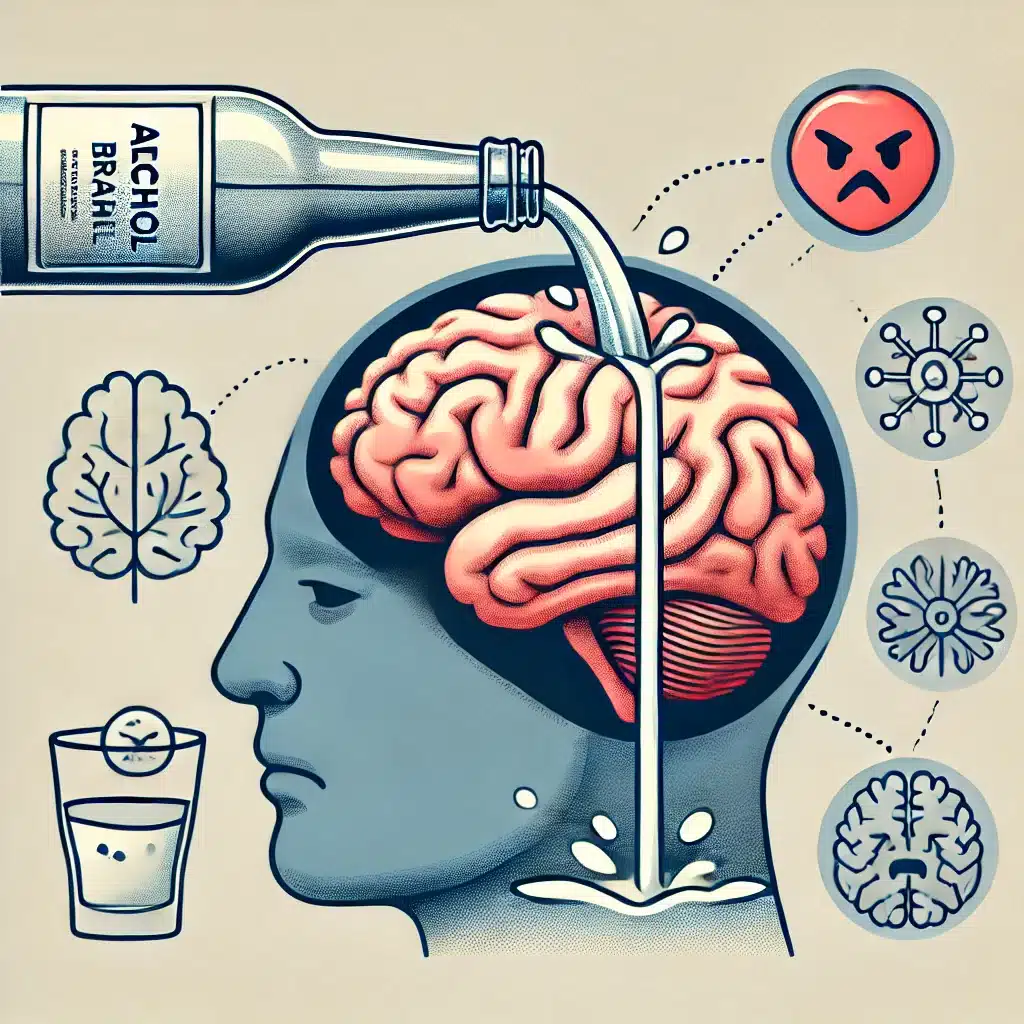
Alcohol Use Disorder (AUD): Contributing Factors via Neuroclinical Addiction Analysis (2024)

A study broke down Alcohol Use Disorder (AUD) into specific brain-related categories and identified key factors that can help understand and classify AUD more accurately. Higlights: Cravings & Insensitivity: The study identified two main factors related to alcohol desire – one about craving alcohol and the other about not feeling its effects strongly. Emotions: Three …

Read more

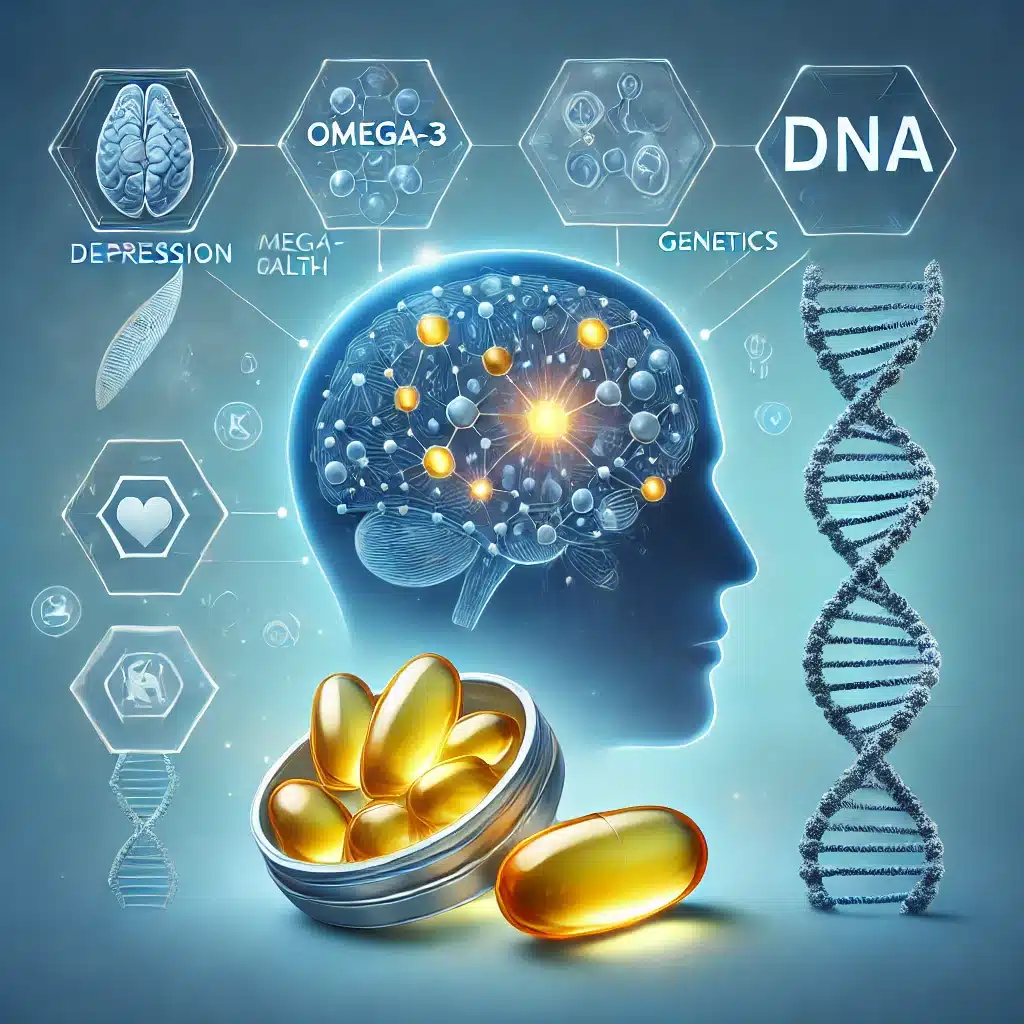
Omega-3 Fatty Acids & Depression vs. Genetics: EPA-to-DHA Ratio (2024 Study)

Omega-3 fatty acids, particularly eicosapentaenoic acid (EPA), may reduce the risk of major depressive disorder (MDD), but causality remains uncertain due to potential pleiotropic mechanisms. Highlights: Genetic Evidence for Omega-3 & Depression: The study used two-sample Mendelian randomization to investigate the causality between genetically predicted omega-3 fatty acid levels and major depression, finding a protective …

Read more

Ketamine Alters Sleep Architecture in Depression: Delta Waves, Alpha Waves, Beta Waves (2024 Study)

A study examined the effects of ketamine on sleep arousal metrics in individuals with treatment-resistant depression (TRD) vs. healthy volunteers, finding that ketamine increases certain sleep-related brain activities but does not significantly mediate its antidepressant effects through these sleep changes. Highlights: Individuals with TRD had lower total sleep time and shorter REM latency compared to …

Read more

Effects of REM Sleep Deprivation on Brain Connectivity (2024 Study)

A study found that REM sleep deprivation significantly impacts brain connectivity, particularly within the default mode network (DMN) and between the DMN and other brain networks, highlighting the importance of REM sleep for maintaining optimal brain function. Highlights: Connectivity Patterns: REM sleep deprivation resulted in stronger connectivity within the default mode network (DMN) and between …

Read more

Pathological Altruism: The Dangers of Excessive Self-Sacrifice (2024)

Some patients exhibit extreme altruism to the point of self-harm, posing unique challenges for therapists in balancing support and intervention. Highlights: Altruism & Self-Harm: Therapists often encounter patients who display extreme altruism, sometimes to the point of self-harm, posing unique clinical challenges. Positive Psychology: Emphasizes the importance of focusing on patients’ strengths and sources of …

Read more

Oleacein (Rare Compound in Olive Oil) Exerts Anti-Neuroinflammatory & Antidepressant Effects via BDNF & TRKB (2024 Study)

Oleacein, a compound found in extra virgin olive oil, shows potential as a natural treatment for depression and anxiety by reducing inflammation and boosting brain-derived neurotrophic factor (BDNF). Highlights: Oleacein & BDNF: Oleacein significantly increases BDNF expression, which is essential for brain health and neuroplasticity, both in human neuroblastoma cells and in the brains of …

Read more

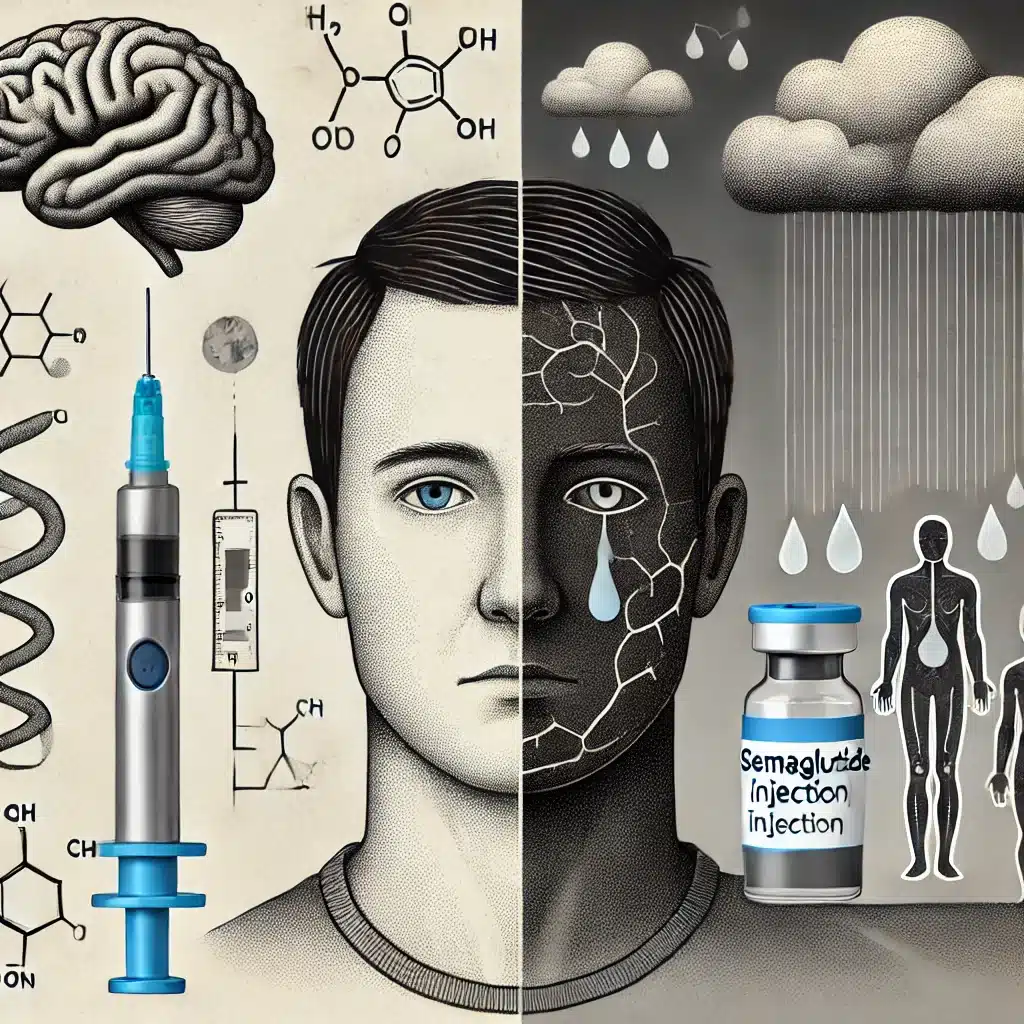
Case Report: Ozempic (Semaglutide) Worsening Depression in 54-Year-Old Female (2024)

GLP-1 receptor agonists like semaglutide, used for managing Type 2 diabetes, may be linked to adverse mood changes, necessitating further investigation into their psychiatric effects. Highlights: GLP-1 Receptor Agonists: These medications mimic GLP-1 hormone effects, enhancing insulin secretion and reducing appetite, commonly used for Type 2 diabetes management. Mood Effects: Data on the impact of …

Read more

Amphetamine Salts Cause Compulsive Biting & Chewing in 32-Year-Old Female with ADHD (2024 Case Report)

TLDR: A patient developed a compulsive chewing behavior when taking mixed amphetamine salts (MAS) for ADHD, highlighting the need to monitor for unusual side effects with stimulant use. Highlights: Patient Background: The patient is a 32-year-old woman with a history of GERD, gastroparesis, migraines, PTSD, generalized anxiety disorder, ADHD, and unspecified bipolar disorder. Medication & …

Read more