
TL;DR: A 2026 medRxiv review found that mental-health AI agents are moving quickly toward large-language-model chatbots, but most systems still rely on text self-report, narrow depression/anxiety/suicide use cases, and offline tests rather than prospective cli…
Read article ↗
TL;DR: A 2026 study in Biological Psychiatry: Global Open Science found that trauma-exposed adolescents, especially those with higher posttraumatic stress symptoms, showed disrupted parent-cued fear extinction across skin-conductance, behavioral-learning, and…
Read article ↗
TL;DR: A 2026 study in Aging Cell found that fasting and caloric restriction activated ADIOL, a steroid hormone, through an NHR-91-kynurenic acid pathway that improved several healthspan measures in worms without extending lifespan. Key Findings ADIOL was the…
Read article ↗
TL;DR: A 2026 medRxiv preprint from the ENIGMA Addiction Working Group used structural MRI from 2,782 people with substance use disorder (SUD) and 1,951 controls and reported that addiction-related brain differences followed cortical network hubs and neurotran…
Read article ↗
TL;DR: A 2026 study in Psychological Medicine found that people with schizophrenia spectrum disorders and higher avolition or moderate-to-high delusion severity appeared to improve more after virtual reality cognitive behavioral therapy for psychosis (VR-CBTp)…
Read article ↗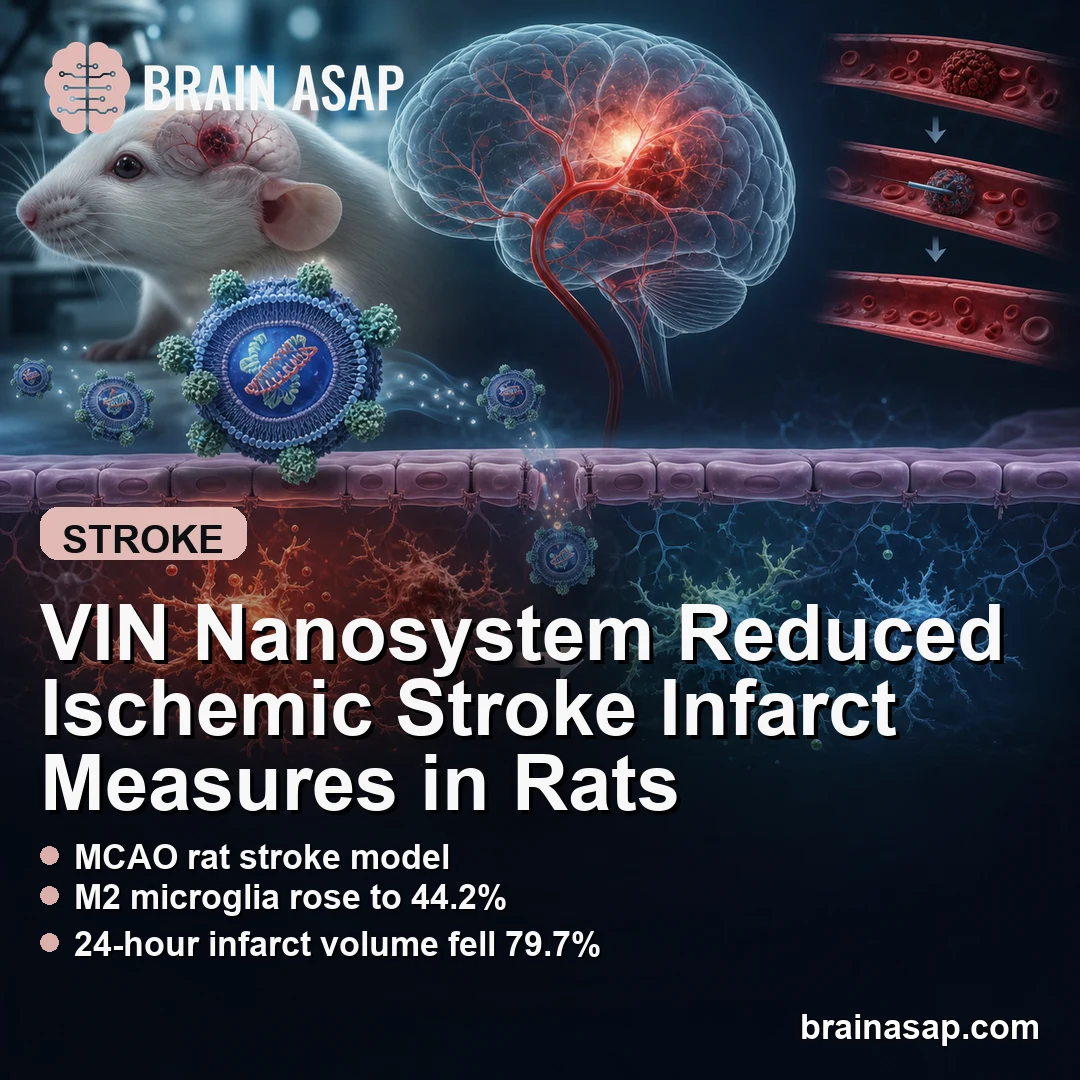
TL;DR: A 2026 rat and cell study in Journal of Materials Science: Materials in Medicine reported that an engineered VIN nanosystem shifted microglia toward an anti-inflammatory state and reduced ischemic-stroke infarct measures in MCAO rats. Key Findings CXCR4…
Read article ↗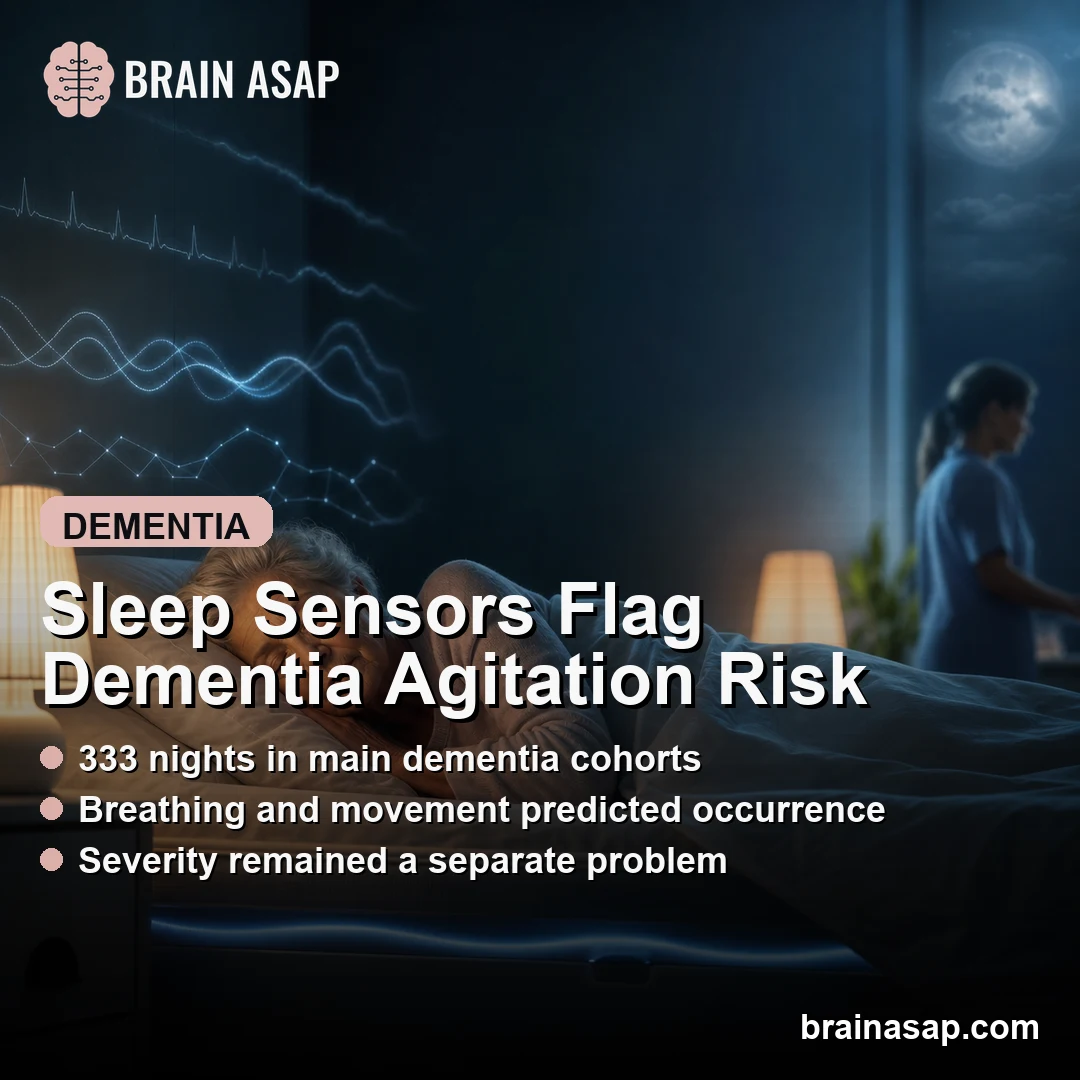
TL;DR: A 2026 preprint in medRxiv found that under-mattress sleep sensors associated lower nighttime respiratory rate and more unstable nighttime movement with higher odds of next-day agitation in dementia, while the same features did not predict how severe ag…
Read article ↗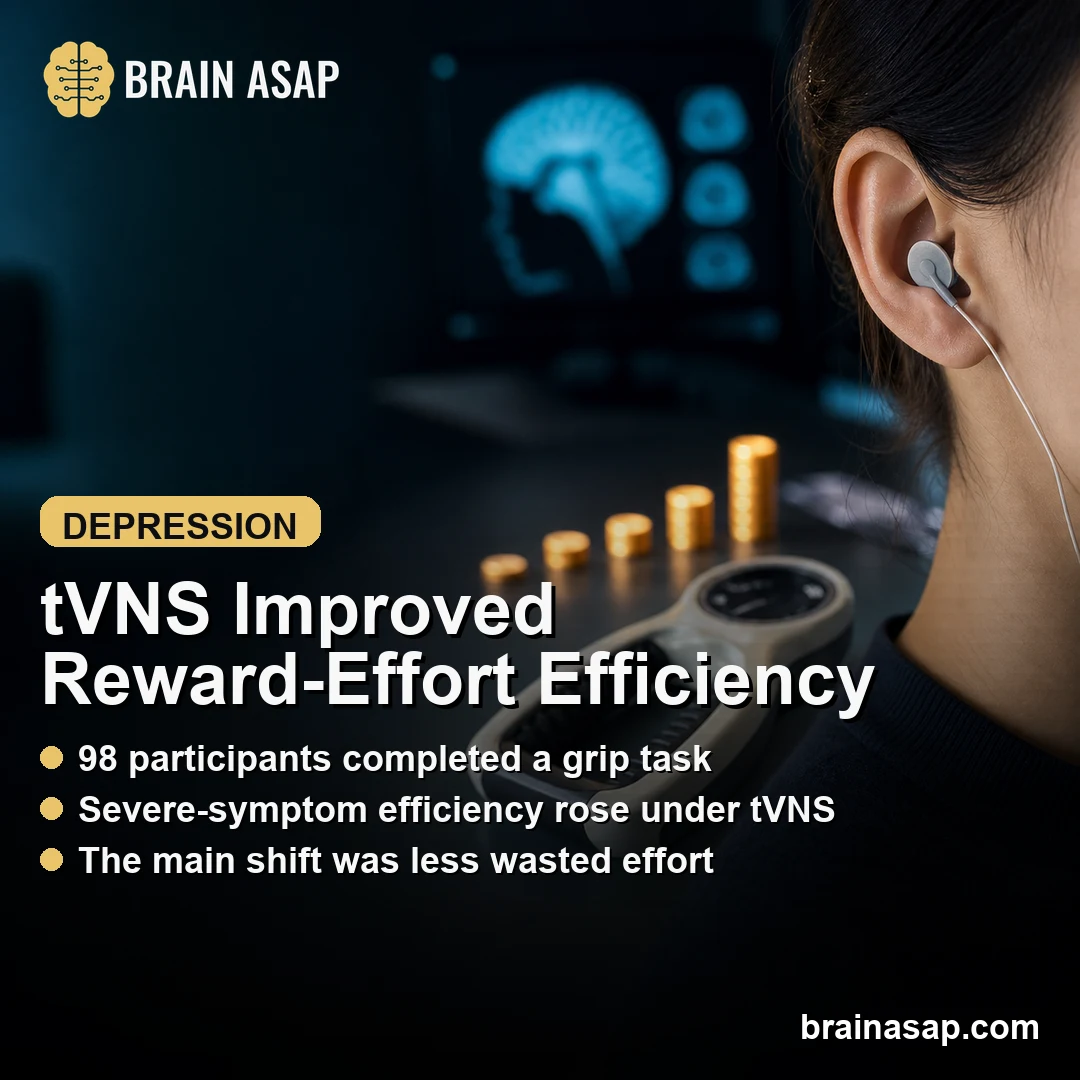
TL;DR: A 2026 preprint on medRxiv tested transcutaneous vagus nerve stimulation (tVNS), a noninvasive ear-based stimulation method, during a grip-strength reward task and found that people with severe depressive symptoms made more efficient effort choices unde…
Read article ↗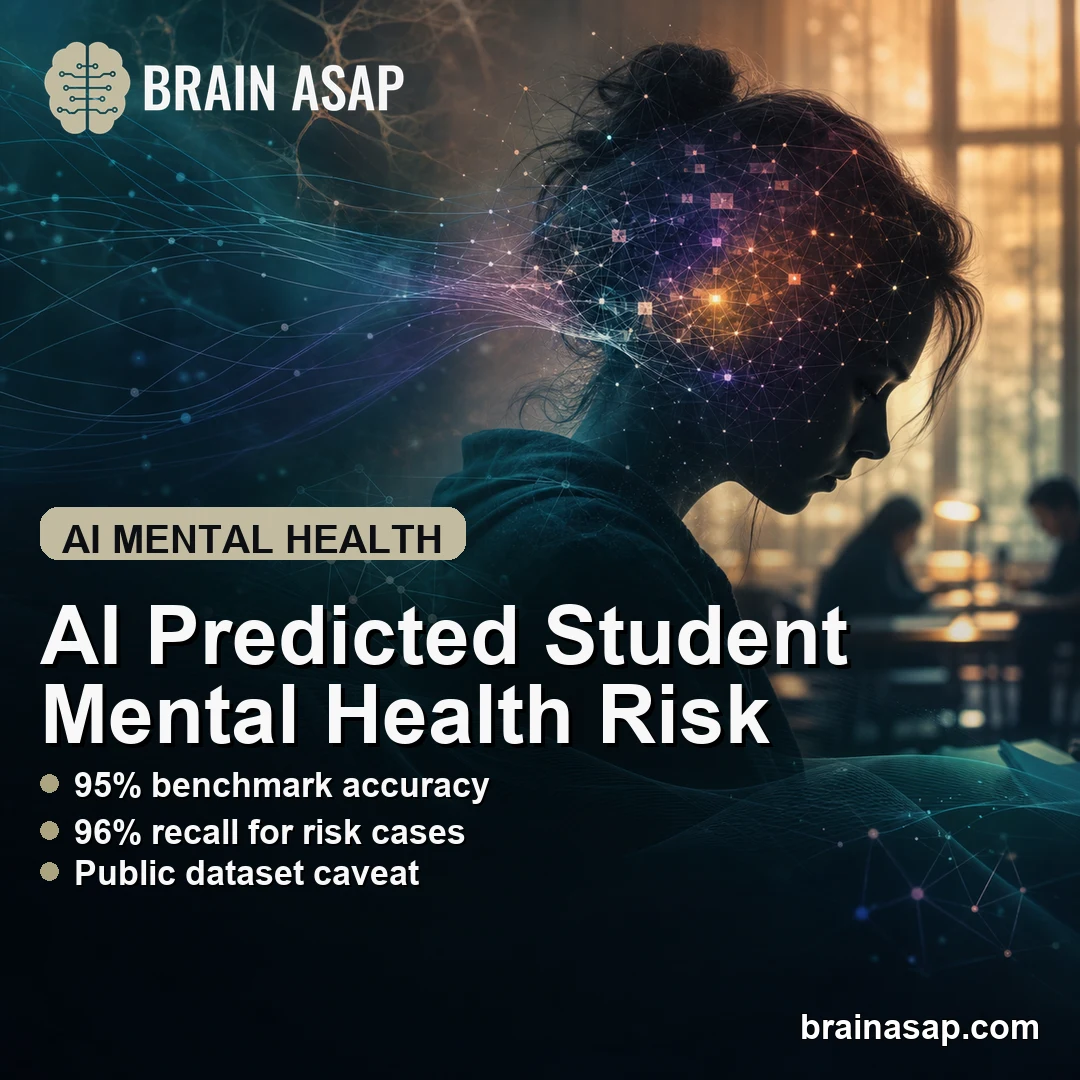
TL;DR: A 2026 machine-learning study in PLOS One used student mental-health survey features to test an interpretable FT-Transformer plus LSTM model, which reached 95% accuracy for low, medium, and high risk prediction in a public dataset. Key Findings 95% accu…
Read article ↗
TL;DR: A 2026 review in Neuroscience & Biobehavioral Reviews found that chronic primary pain studies most consistently linked higher pain sensitivity with lower mean arterial pressure, higher cortisol, higher heart rate during recovery, and lower parasympathet…
Read article ↗