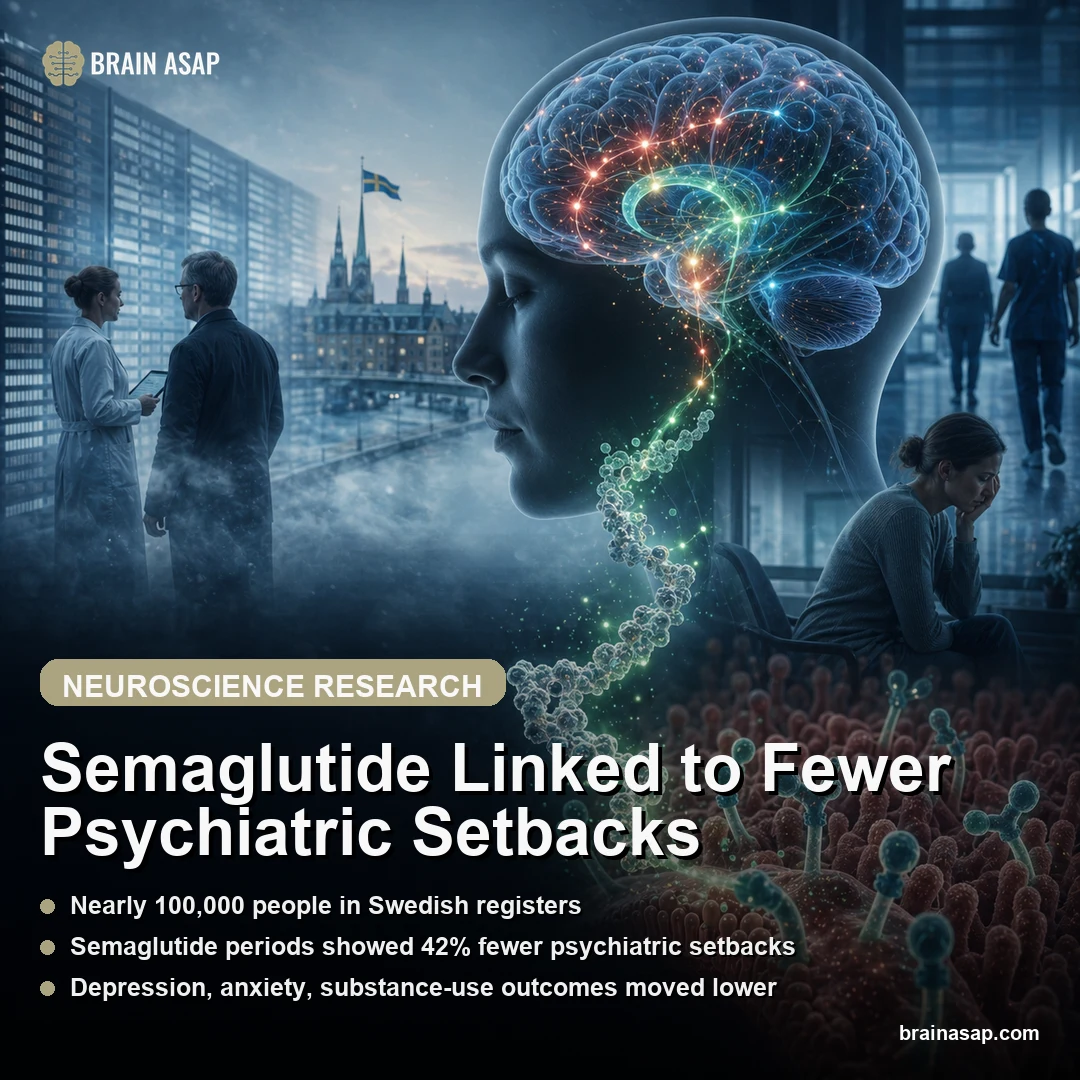
Semaglutide Linked to 42% Fewer Psychiatric Hospital Episodes TL;DR: In Swedish registry data covering nearly 100,000 people with depression or anxiety, psychiatric hospital visits and sickness absence were 42% lower during semaglutide treatment periods — with…
Read article ↗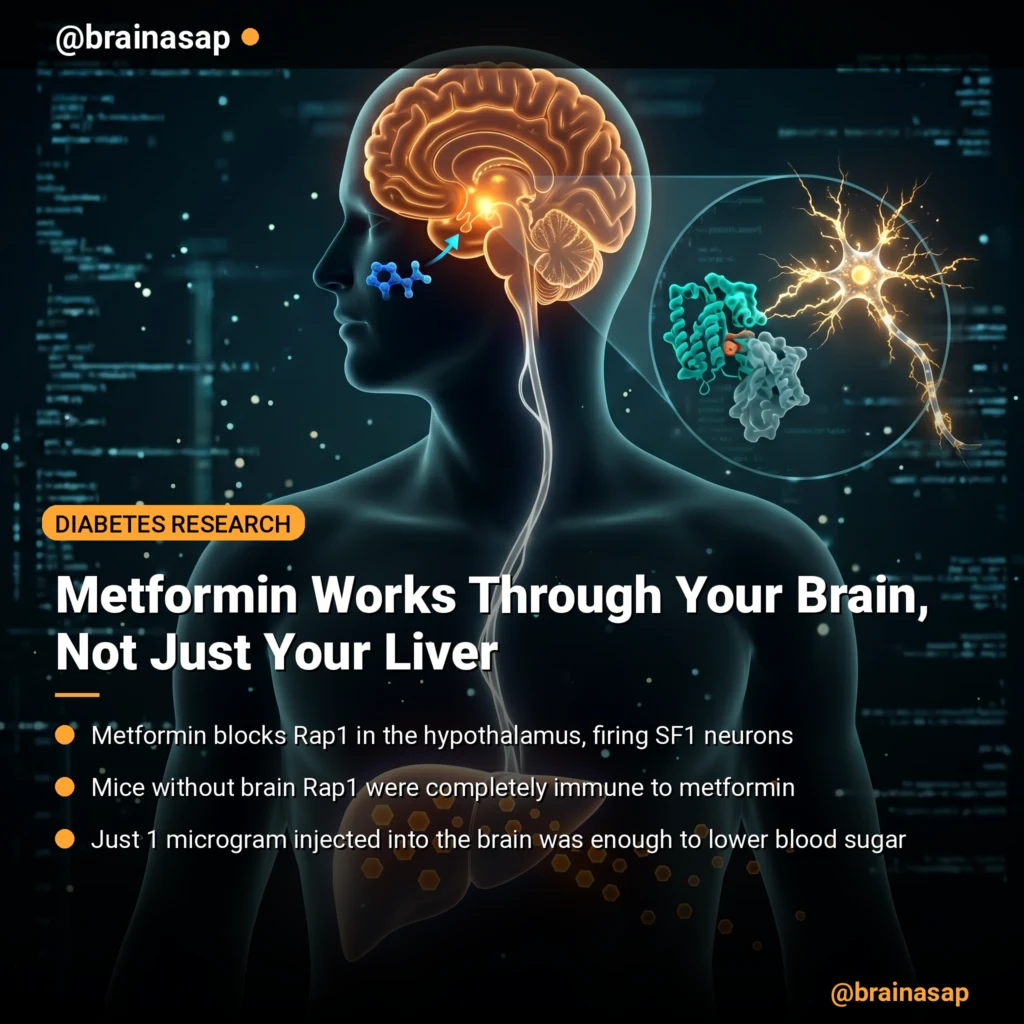
Metformin’s Secret Weapon: How the Brain Controls Blood Sugar TL;DR: Metformin’s glucose-lowering effect depends on a brain signaling pathway—it inhibits Rap1 in the hypothalamus, activating neurons that tell the liver to stop overproducing glucose. For decade…
Read article ↗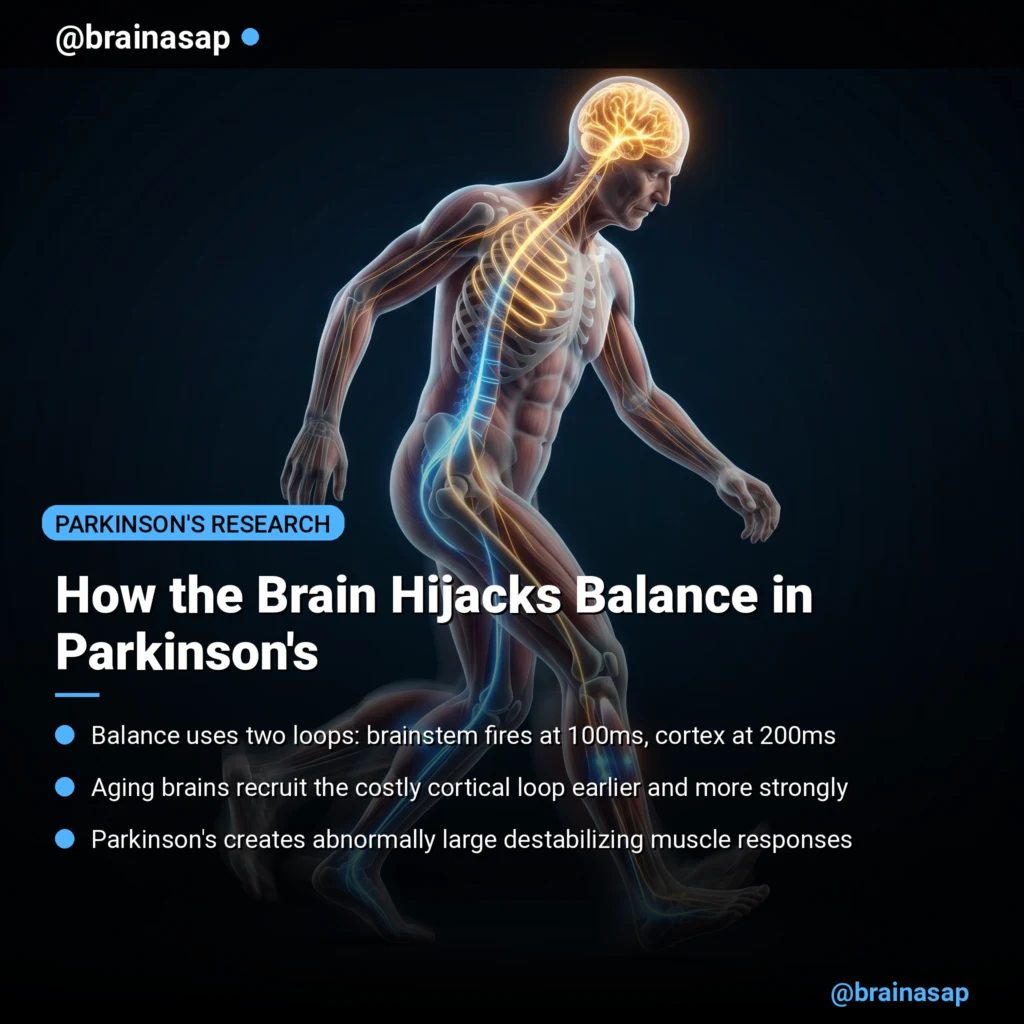
How the Brain Hijacks Balance Control in Parkinson’s TL;DR: When older adults face large balance challenges, their brains shift from relying on quick brainstem reflexes to slower cortical circuits—a shift that happens even in Parkinson’s disease, revealing a m…
Read article ↗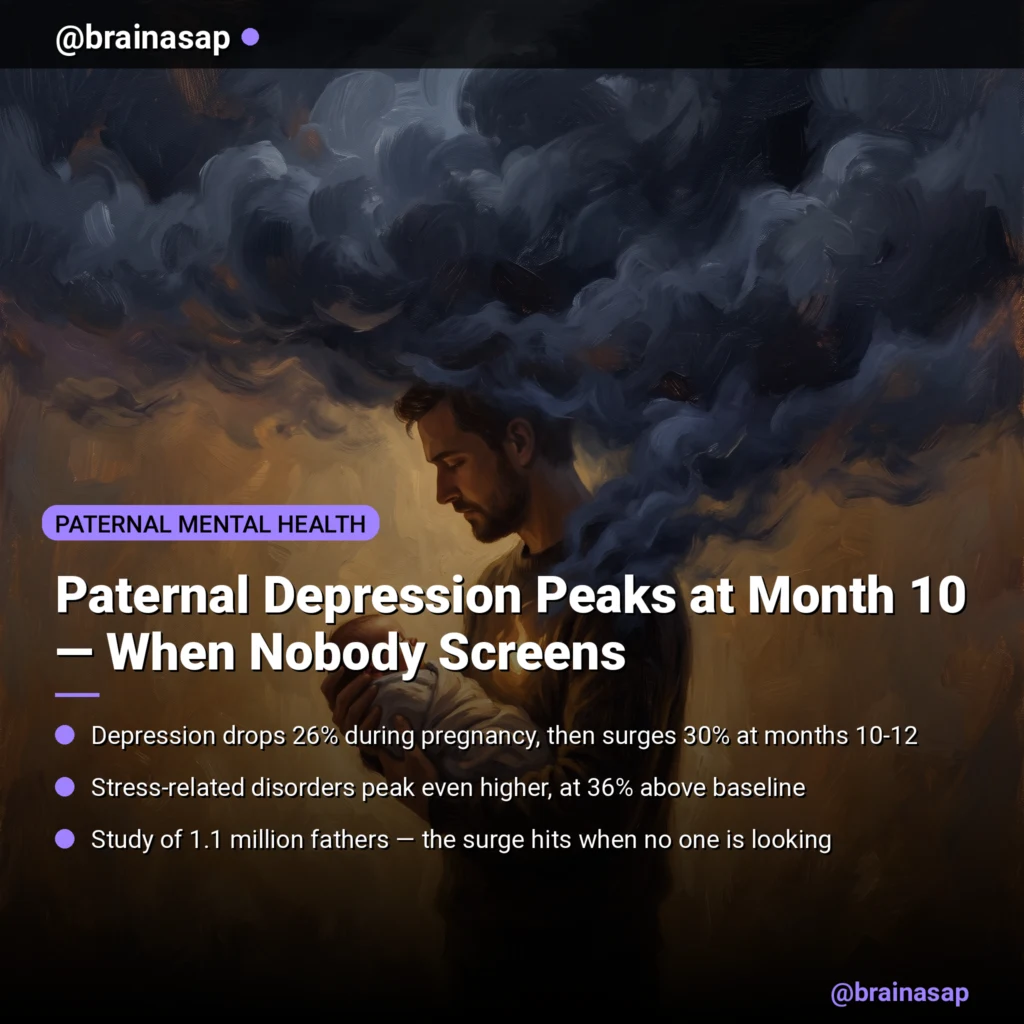
The Hidden Postpartum Crisis Nobody Screens For: Paternal Depression Peaks at 10-12 Months TL;DR: Fathers experience a protective period early postpartum (depression drops by 26%), but depression and stress surge at months 10-11, creating a 30-36% elevated ris…
Read article ↗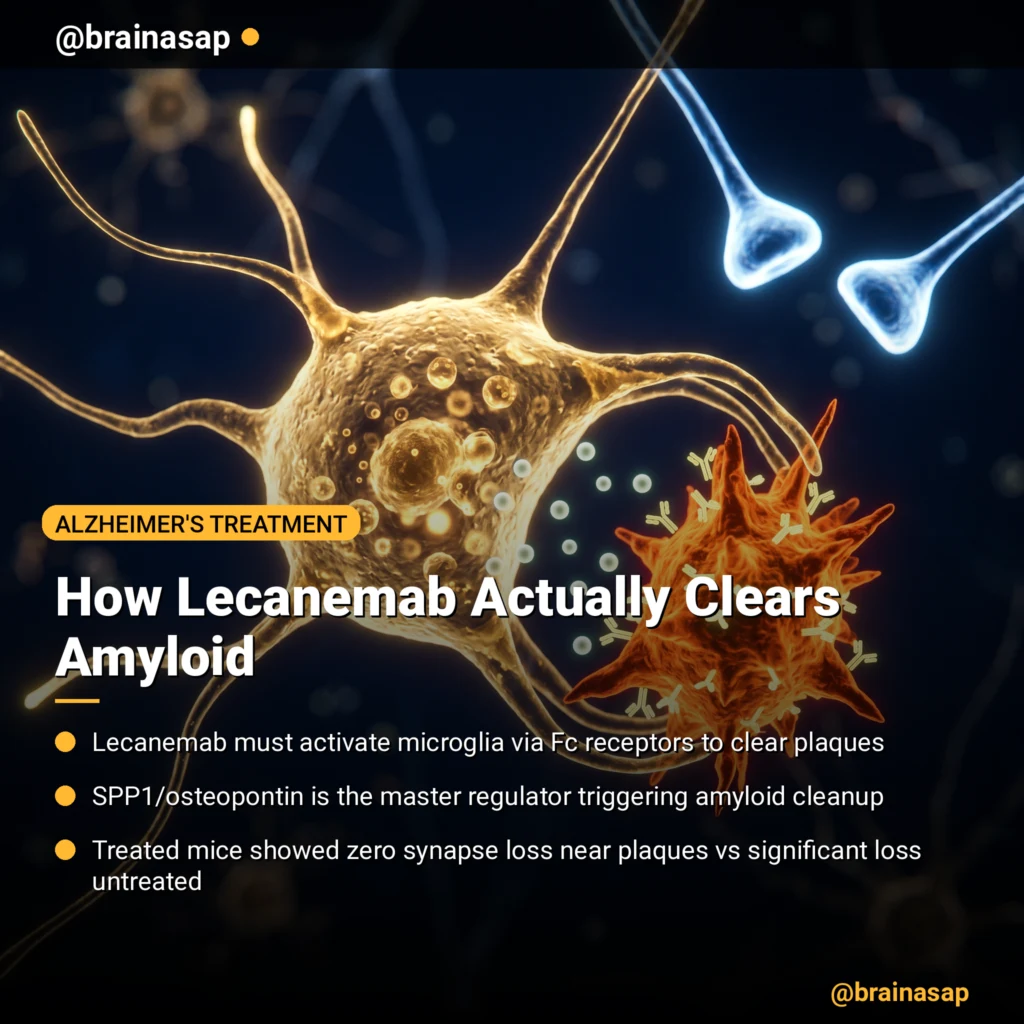
How Lecanemab Clears Brain Amyloid: The Microglia Key TL;DR: Lecanemab, the first Alzheimer’s antibody to slow cognitive decline, works by activating immune cells called microglia through a specific immune signaling pathway, with the molecule SPP1/osteopontin…
Read article ↗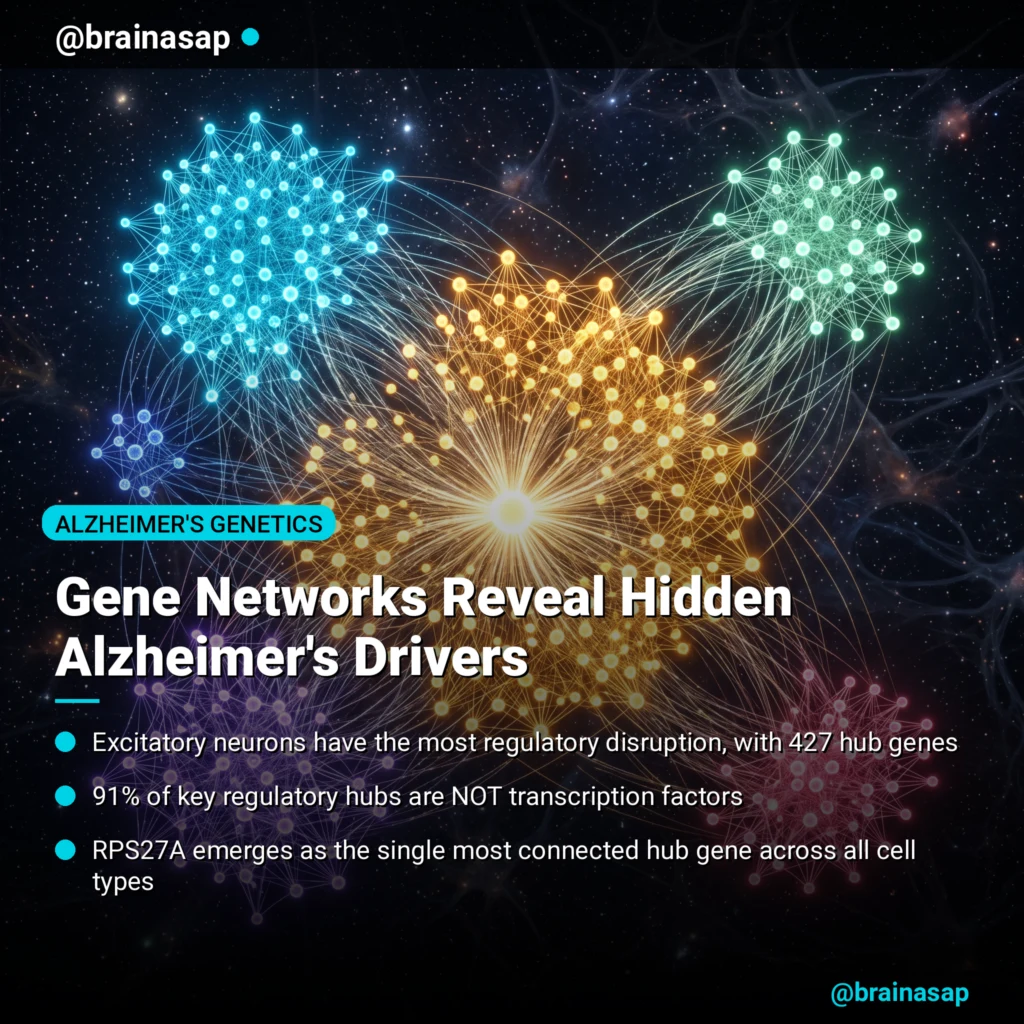
Cell-Type Gene Networks Reveal Hidden Causes of Alzheimer’s TL;DR: Researchers mapped how genes are regulated differently across six brain cell types in Alzheimer’s disease, discovering that excitatory neurons drive the most extensive regulatory disruptions—an…
Read article ↗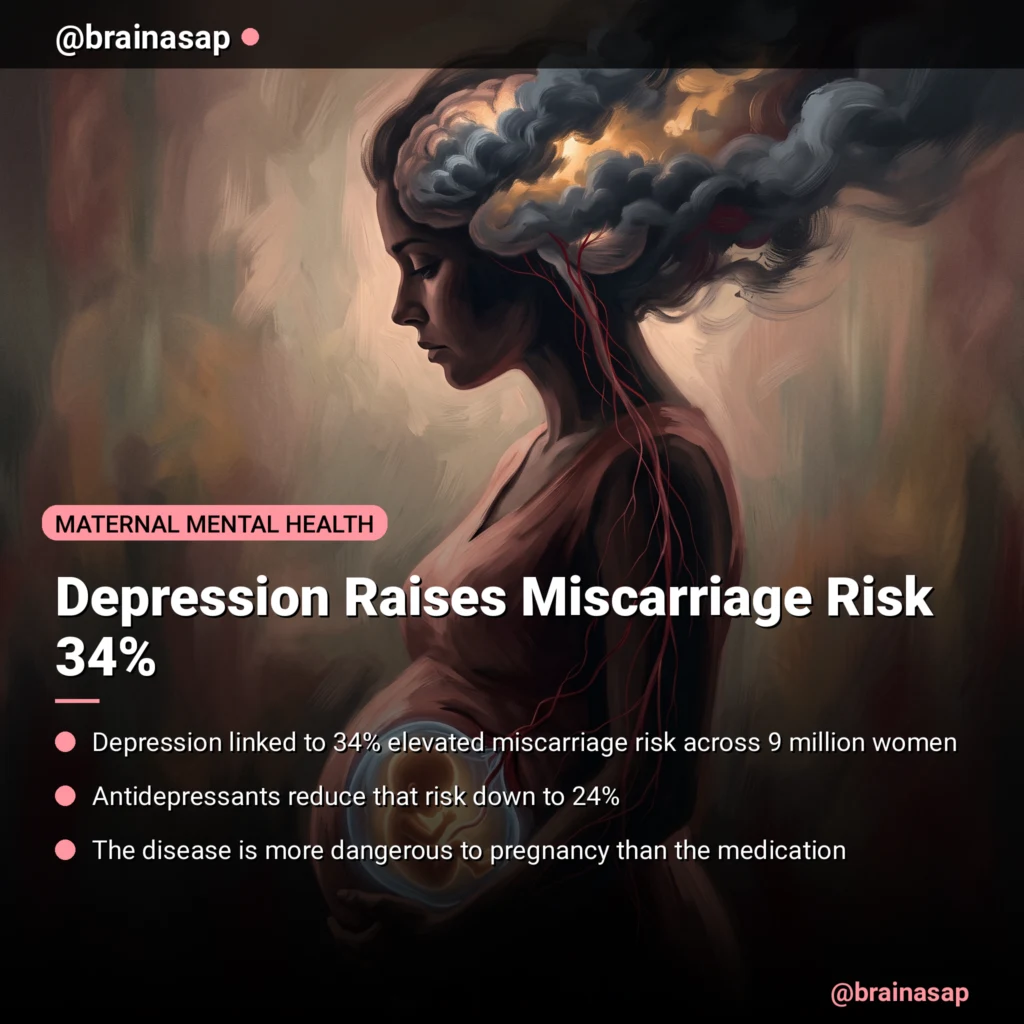
When Depression Threatens Pregnancy: A 34% Elevated Miscarriage Risk TL;DR: Untreated depression increases miscarriage risk by 34% across nearly 9 million women, but antidepressants reduce that risk to 24%—meaning the medication is safer than the disease durin…
Read article ↗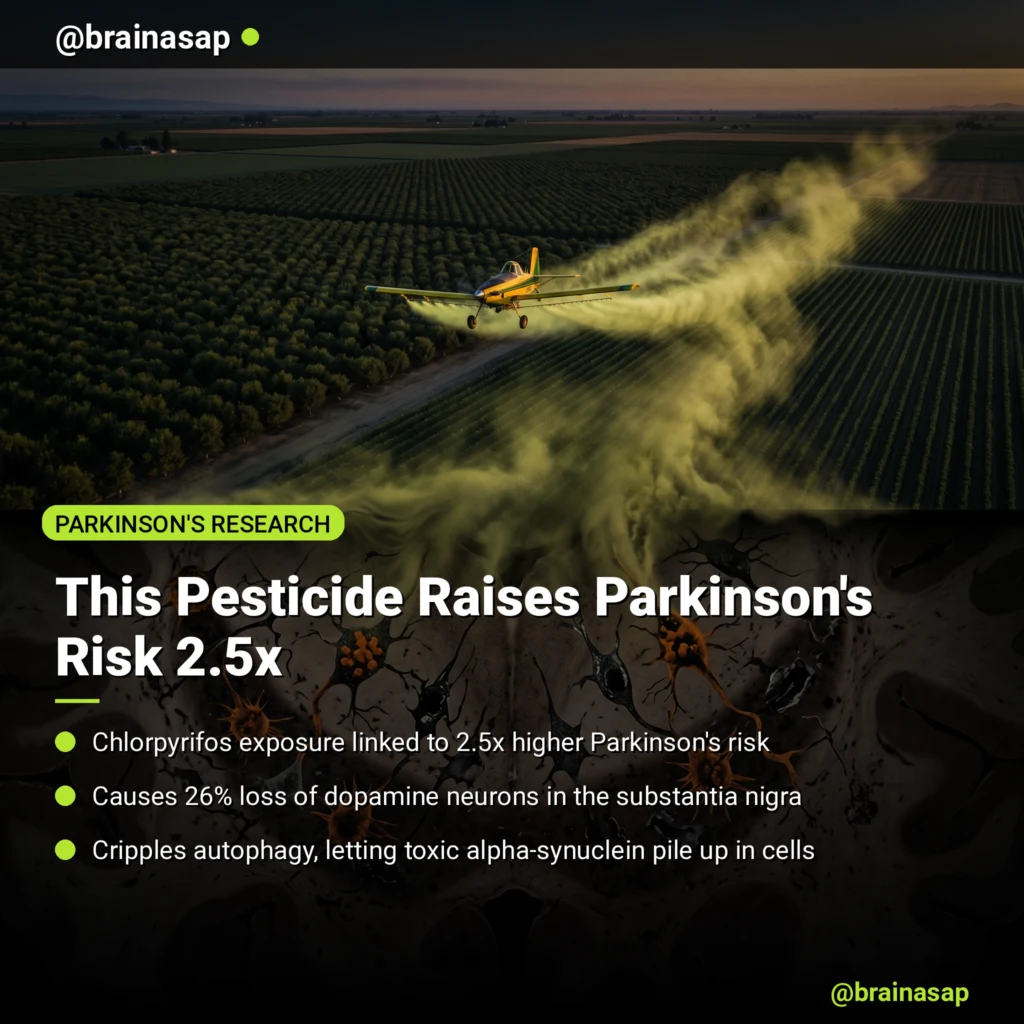
Chlorpyrifos Linked to 2.5x Higher Parkinson’s Risk TL;DR: A pesticide sprayed on US crops decades ago more than doubles your risk of Parkinson’s disease, and new research shows exactly how it damages dopamine neurons. You probably never heard of chlorpyrifos,…
Read article ↗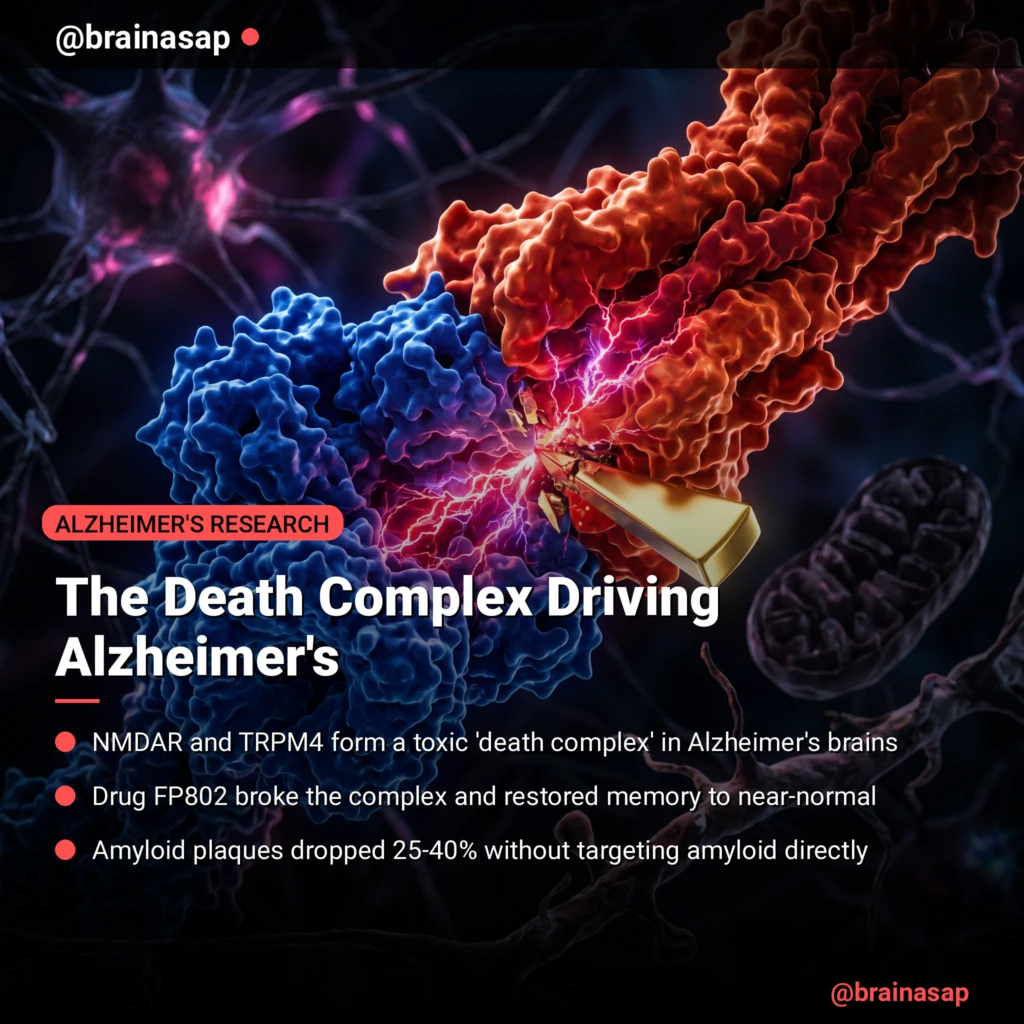
The Death Complex Fueling Alzheimer’s (And How to Stop It) TL;DR: Researchers discovered a toxic interaction between two brain proteins—NMDAR and TRPM4—that drives neurodegeneration in Alzheimer’s disease, and a small molecule called FP802 that blocks this “de…
Read article ↗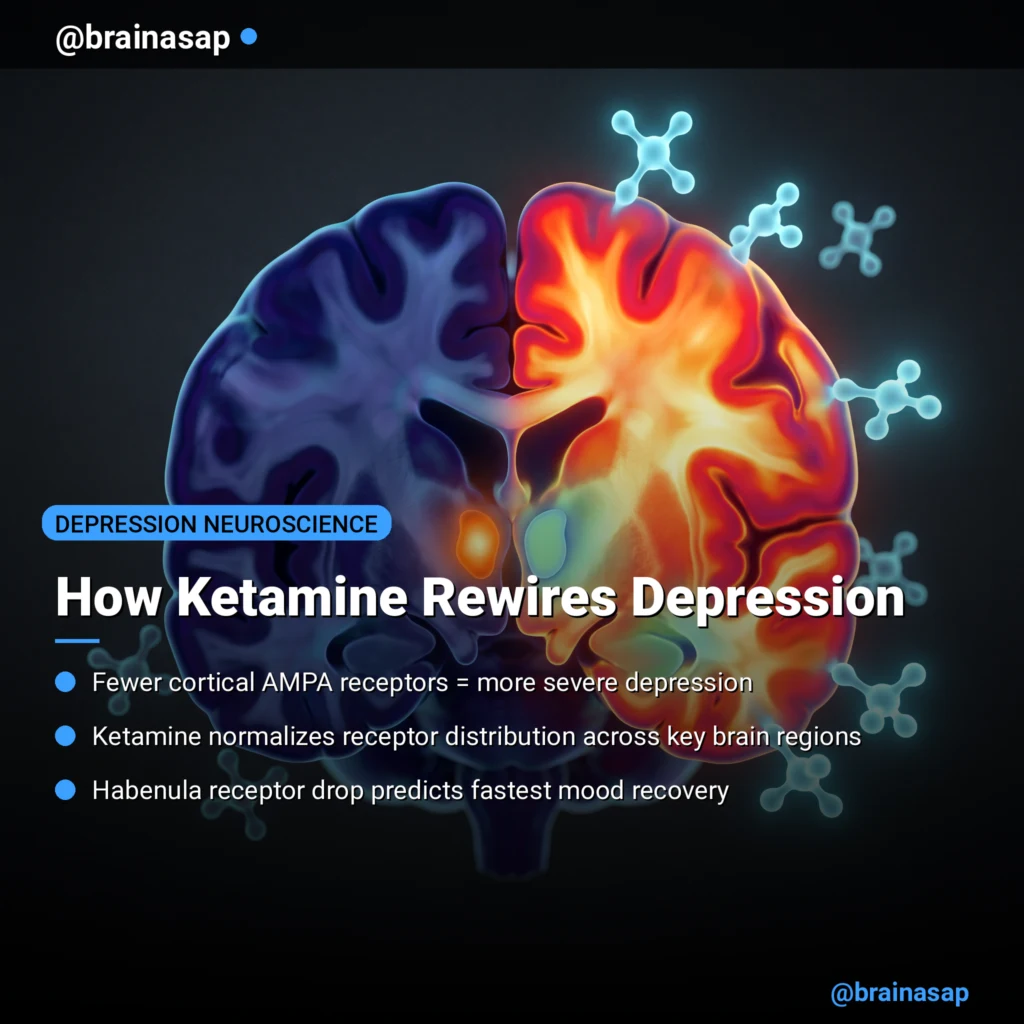
How Ketamine Rewires Receptors to Beat Depression TL;DR: Using PET imaging to directly visualize AMPA receptors in the living human brain, researchers discovered that ketamine’s rapid antidepressant effect works by reshuffling these receptors across specific b…
Read article ↗