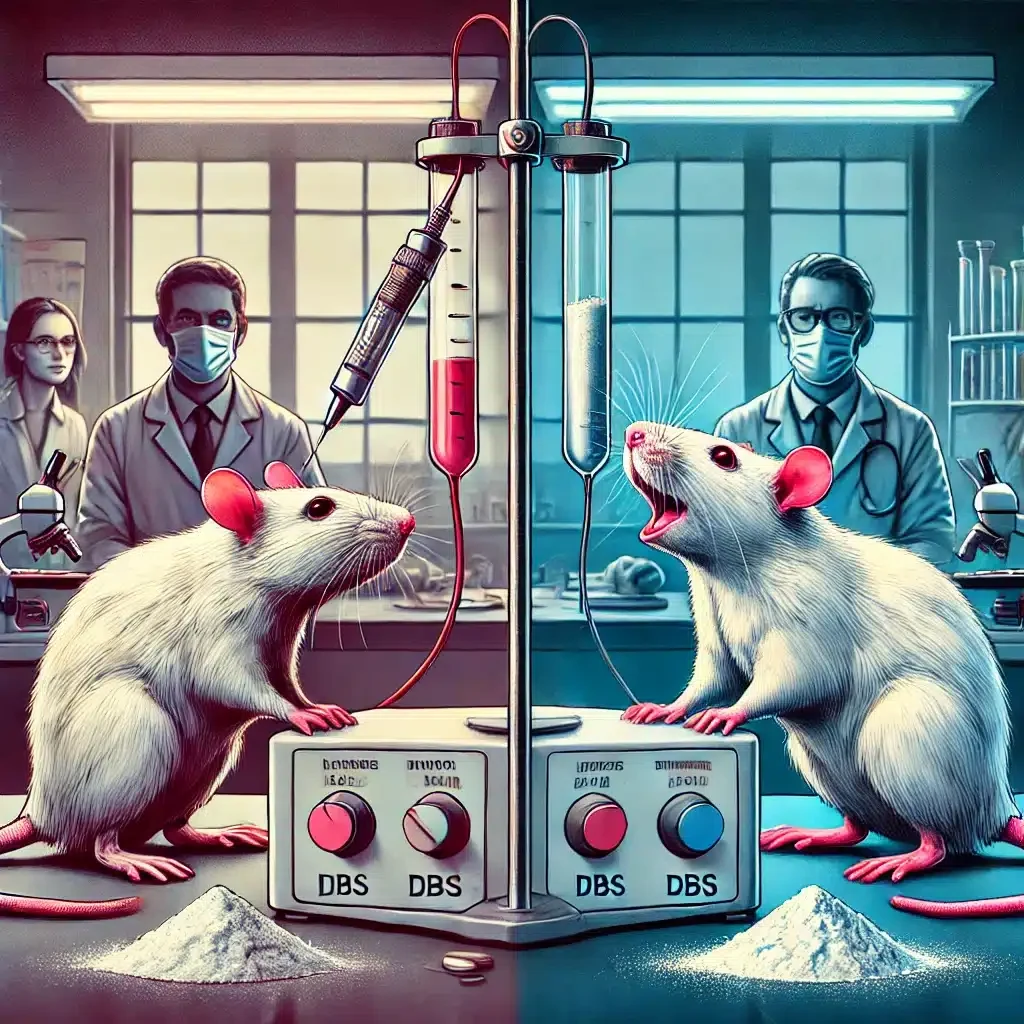
Deep brain stimulation (DBS) in the nucleus accumbens reduces cocaine seeking in male rats but is ineffective in female rats, regardless of their estrous cycle phase. Highlights: No FDA-Approved Treatments: There are currently no FDA-approved treatments for co…
Read article ↗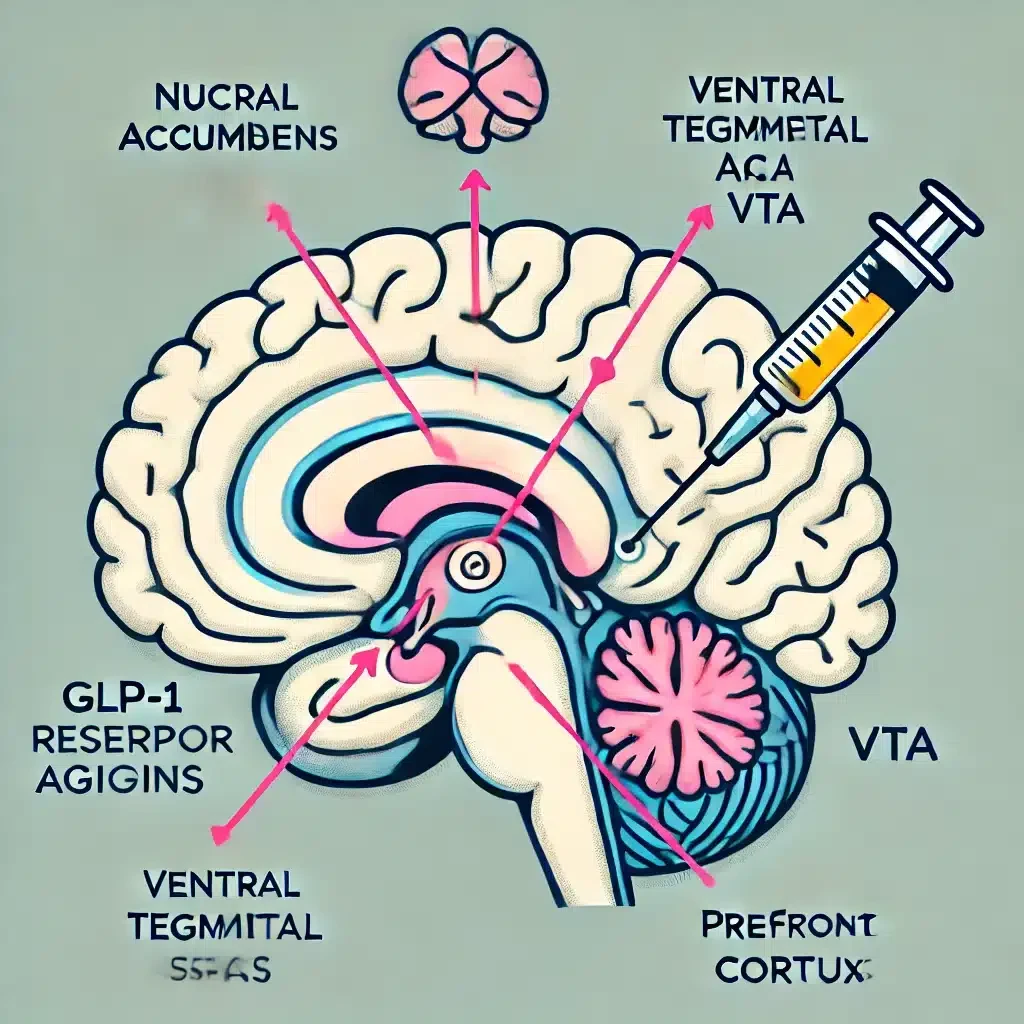
GLP-1 receptor agonists (GLP-1RAs) show promise in regulating the reward system and potentially treating motivation and reward-processing disorders. Highlights: Regulation of Reward System Dysfunction: GLP-1RAs influence the brain’s reward system, which is inv…
Read article ↗
A study broke down Alcohol Use Disorder (AUD) into specific brain-related categories and identified key factors that can help understand and classify AUD more accurately. Higlights: Cravings & Insensitivity: The study identified two main factors related to alc…
Read article ↗
New research provides clarity on the most effective cessation aids available. Varenicline, cytisine, and e-cigarettes help the greatest proportion of people quit long-term. Slowly tapering nicotine dose before ending treatment may also boost success rates. Bup…
Read article ↗
People struggling with substance use disorders often have difficulties with memory, attention, planning, and decision-making. New research explores how these cognitive deficits relate to treatment outcomes and whether targeting them could improve addiction rec…
Read article ↗
The FDA-approved diabetes drug semaglutide reduces alcohol drinking in mice and rats, suggesting it could be repurposed as an effective medication for alcohol use disorder (AUD). Key findings include: Semaglutide dose-dependently decreased binge-like drinking…
Read article ↗
Researchers have uncovered concerning links between excessive exercise and psychiatric problems like depression, ADHD, and childhood trauma. This sheds new light on the concerning phenomenon of exercise addiction. Key Facts: Individuals at risk for exercise ad…
Read article ↗
Suicide is a leading cause of death globally, and people who use drugs are at heightened risk. Key facts: People who use opioids have 7-22 times the risk of suicide compared to the general population. Men who use drugs die by suicide more often, but women who…
Read article ↗
Behavioral addictions like internet, sex, and shopping addictions may not be formally recognized as psychiatric conditions, but research shows that treatments can be effective in reducing problematic symptoms. Key Facts: Psychological, pharmacological, and com…
Read article ↗
Maladaptive daydreaming (MD) is a newly recognized behavioral addiction characterized by excessive absorption in fantasy. Key facts about Maladaptive Daydreaming: It involves compulsive,immersive daydreaming that impairs functioning MD serves as an escape and…
Read article ↗