TL;DR: A 2026 review in Translational Psychiatry argues for a biologically meaningful inflammatory depression subgroup, with CRP, IL-6, TNF-alpha, glial activation, kynurenine metabolism, and synaptic plasticity linking immune signaling to symptoms and treatme…
Read article ↗
TL;DR: A 2026 methodology paper in European Archives of Psychiatry and Clinical Neuroscience describes EMBER-MDD, a research-only multi-omic study designed to find treatment-resistance and esketamine-response biomarkers in about 420 adults with major depressiv…
Read article ↗
TL;DR: A 2026 fMRI study in Molecular Psychiatry linked abuse before age 13 to stronger hippocampal responses during non-conscious negative emotion processing, while abuse during adolescence was linked to stronger amygdala responses during conscious emotion vi…
Read article ↗
TL;DR: A 2026 study in Biological Psychiatry: Global Open Science linked serious physical injury to recurrent major depression and found that injury-related DNA methylation patterns differed by depression status, with oxytocin, GABA, and synaptic-plasticity pa…
Read article ↗
TL;DR: A 2026 preprint in medRxiv found that treatment-resistant depression affected 34% of medication-exposed major-depression patients in Pakistan’s DIVERGE study, with social support and CYP2C19 metabolizer status standing out as locally important treatment…
Read article ↗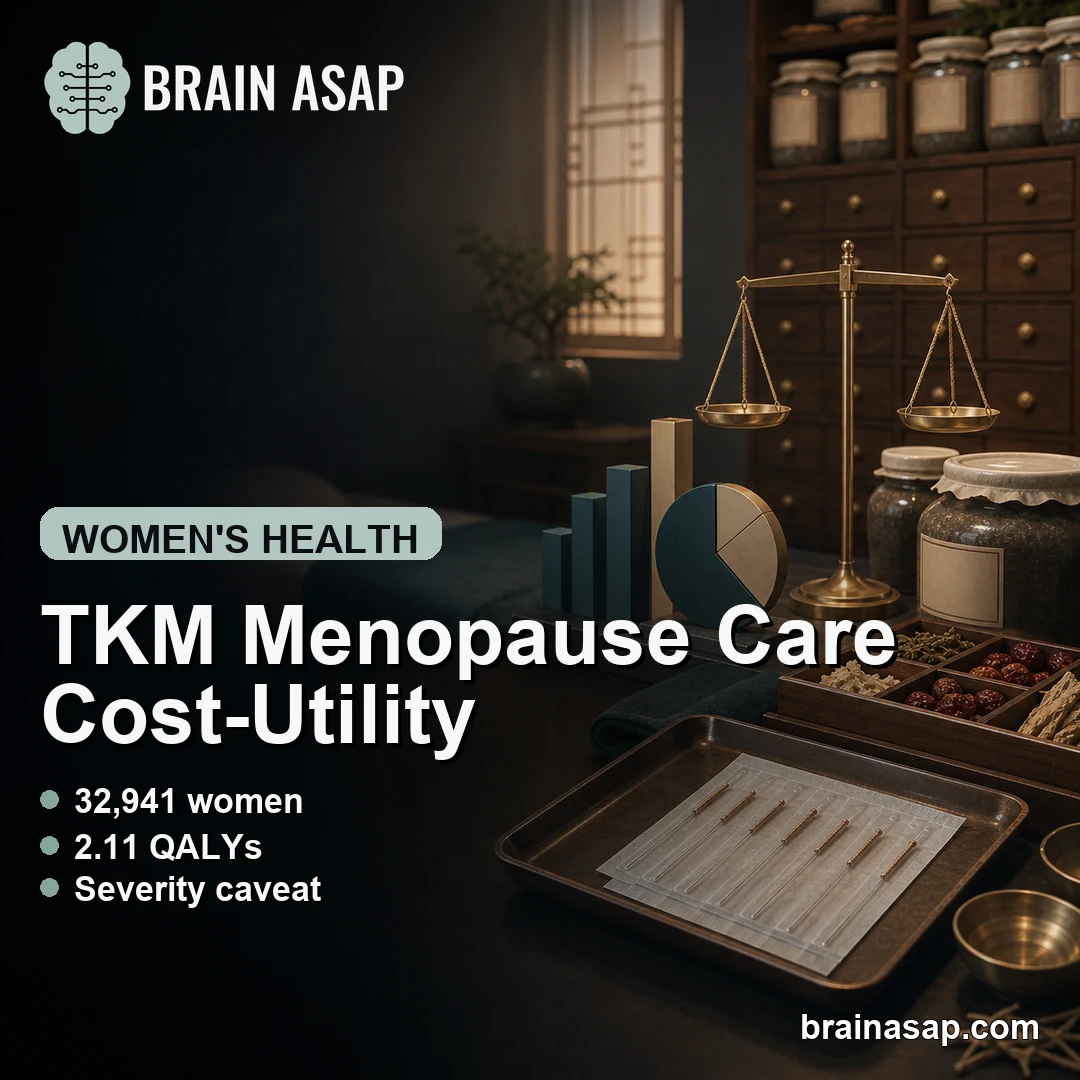
TL;DR: A 2026 nationwide claims study in Integrative Medicine Research found that Korean traditional medicine care without recorded acupuncture claims had the lowest modeled costs and the highest 3-year QALYs among four menopausal-disorder treatment strategies…
Read article ↗
TL;DR: A 2026 preprint in medRxiv linked recurrent major depression to direction-specific effective-connectivity changes, with strongest patterns in cerebellar-cortical, sensorimotor, cognitive, neurotransmitter, and oligodendrocyte precursor cell maps. Key Fi…
Read article ↗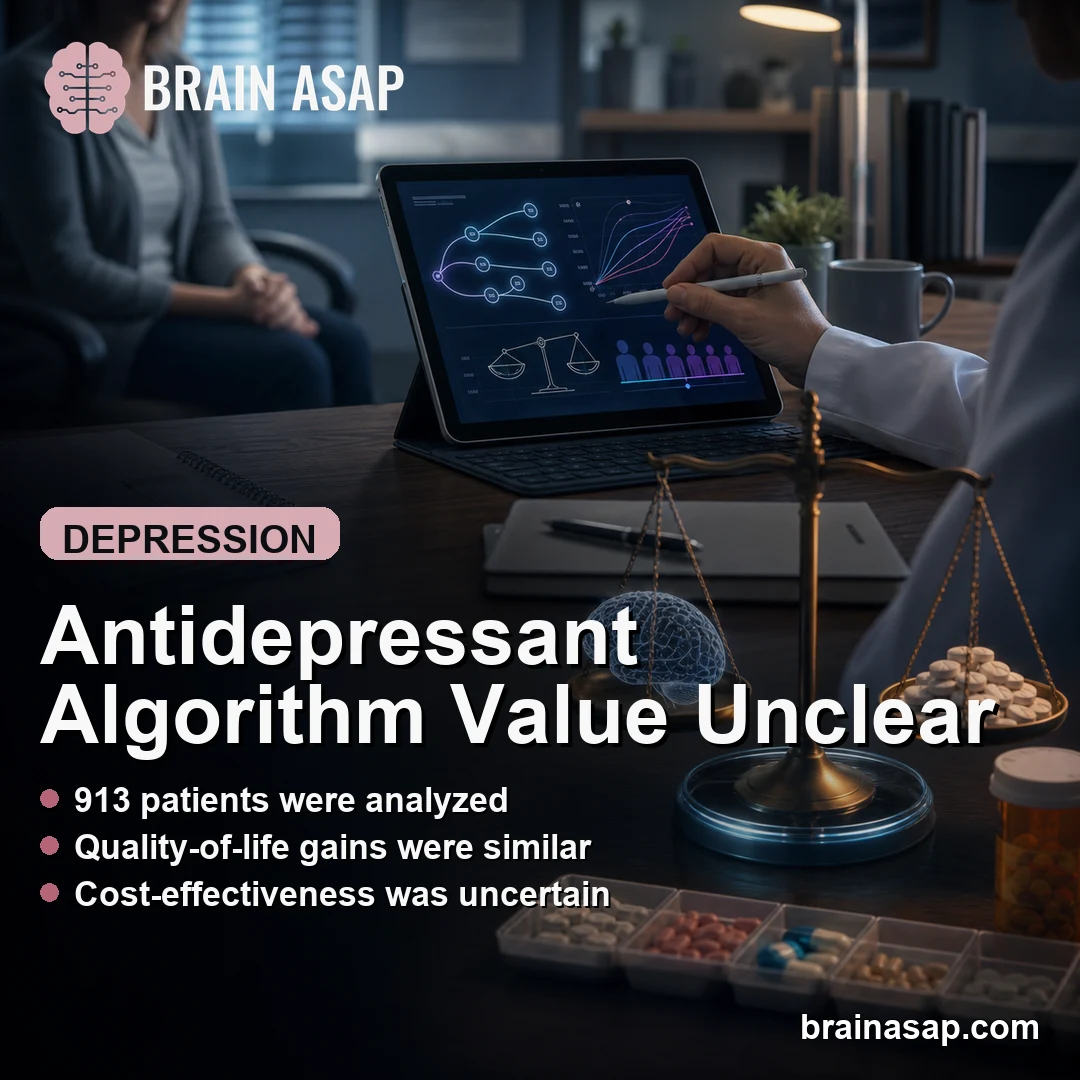
TL;DR: A 2026 study in BJPsych Open found that closely monitored antidepressant care improved quality of life and reduced societal costs in both PReDicT and usual-care groups, while the PReDicT algorithm added uncertain, country-dependent economic value. Key F…
Read article ↗
TL;DR: A 2026 systematic review and meta-analysis in Journal of Sleep Research found that agomelatine modestly improved subjective sleep quality versus placebo, but objective total sleep time did not significantly increase and somnolence reports were more freq…
Read article ↗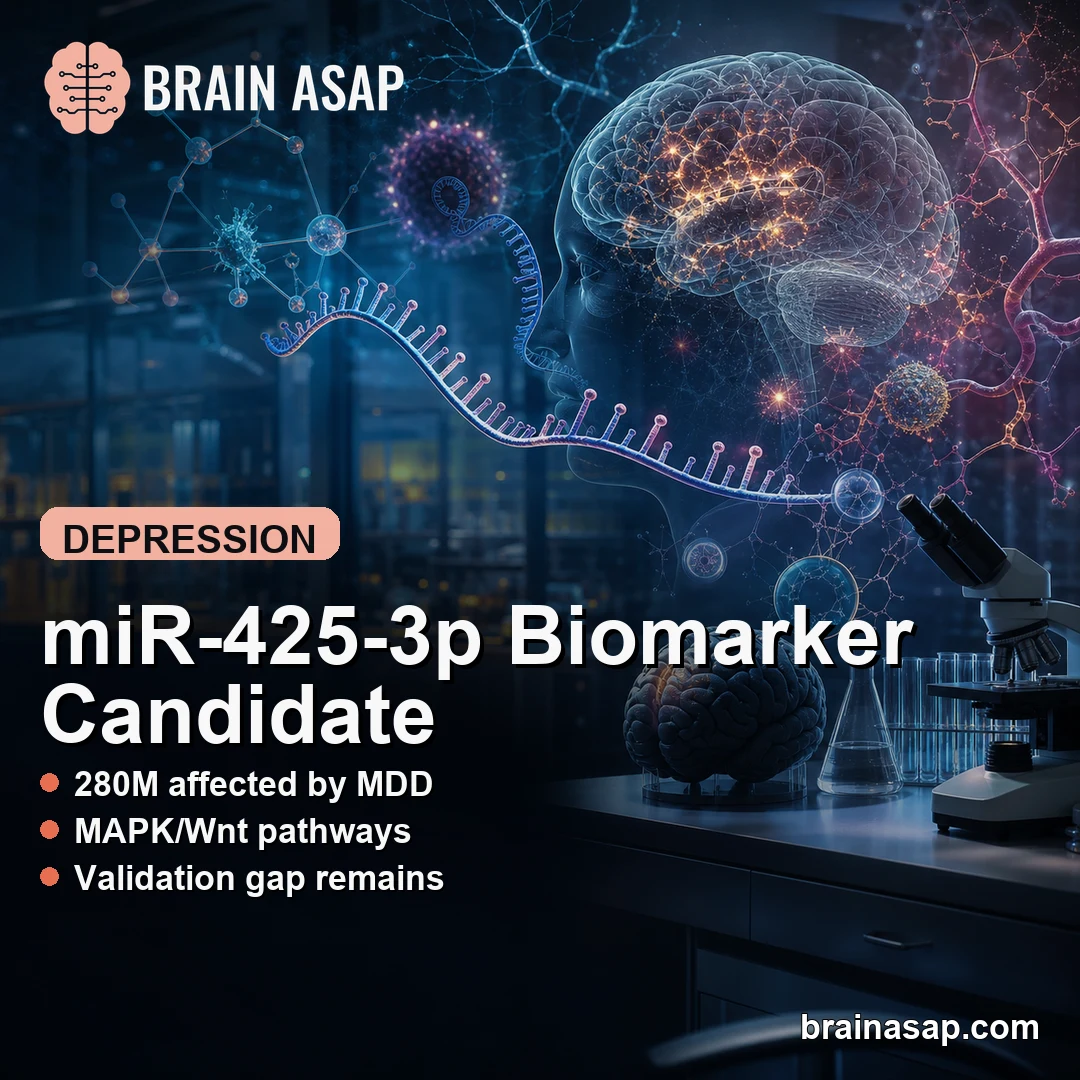
TL;DR: A 2026 review in Neuropsychiatric Disease and Treatment argues that miR-425-3p is a candidate depression biomarker because it connects stress biology, MAPK/Wnt signaling, inflammation, and antidepressant response evidence. Key Findings 280 million MDD b…
Read article ↗