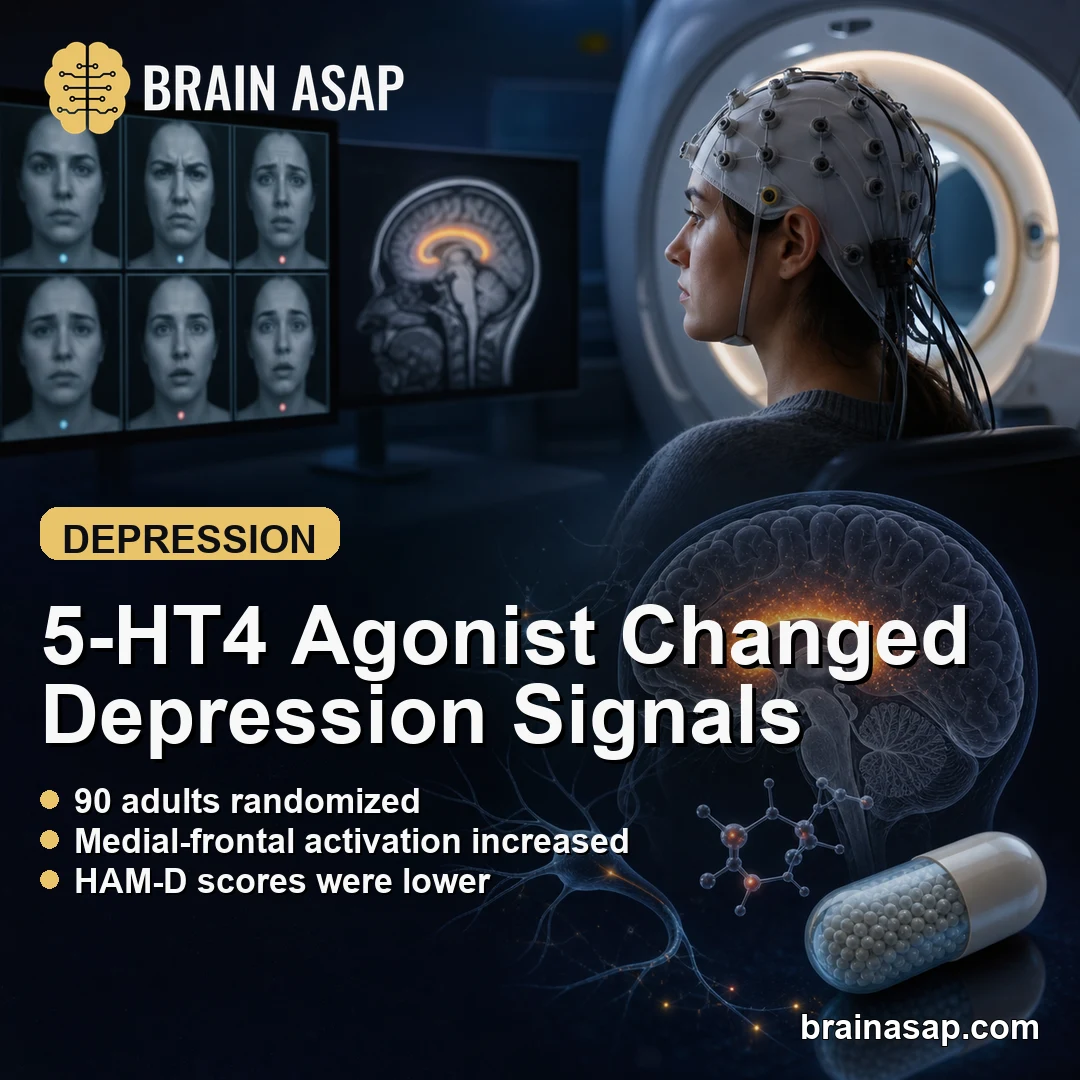
TL;DR: A 2026 randomized study in The British Journal of Psychiatry found that the experimental 5-HT4 receptor agonist PF-04995274 did not mimic citalopram’s early emotional-bias effects in unmedicated depression, but it was linked with lower depression rating…
Read article ↗
TL;DR: A 2025 study in Psychological Science found that depressive symptoms accelerated about 4 years before death in a multinational twin consortium, suggesting that late-life mood worsening can partly reflect terminal decline rather than chronological age al…
Read article ↗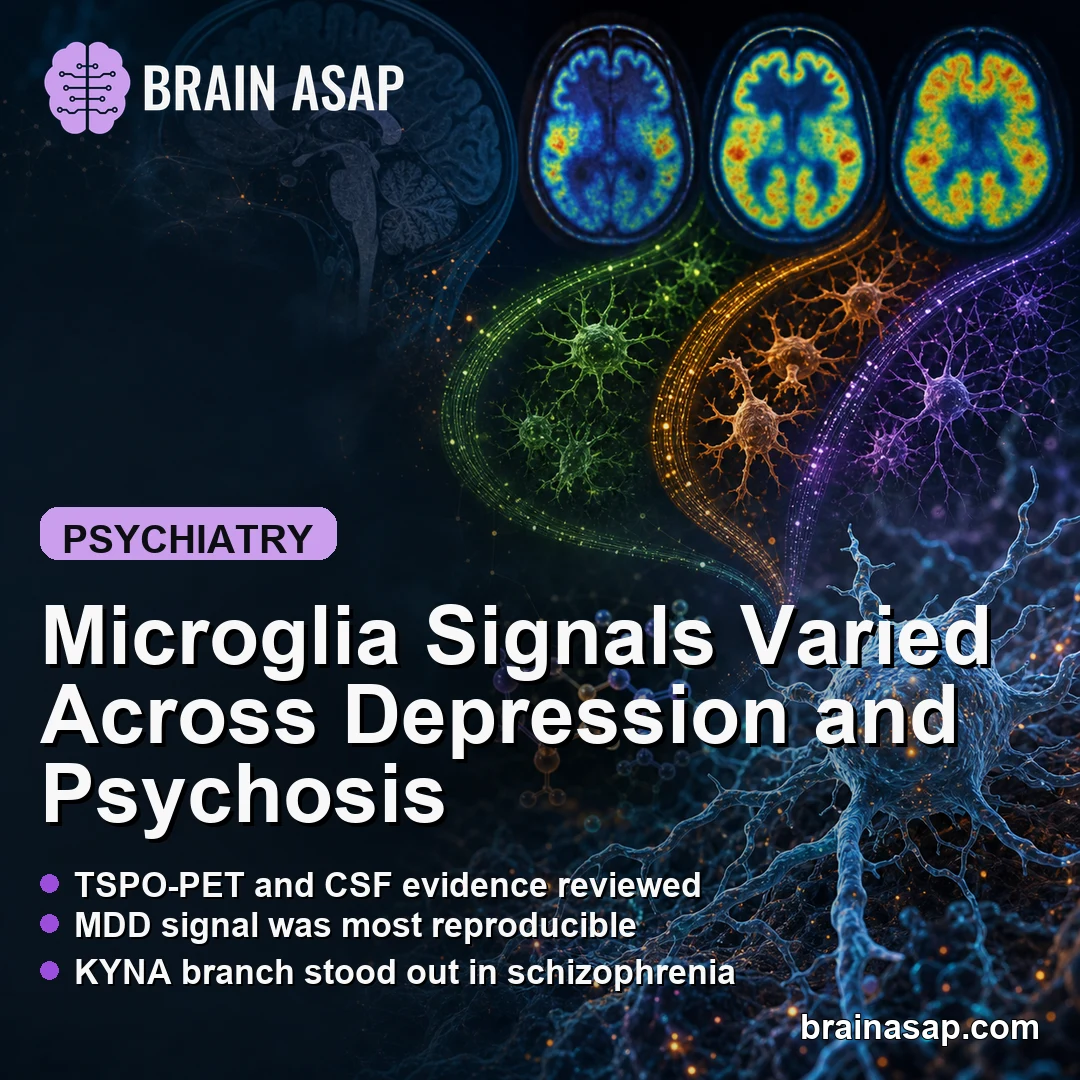
TL;DR: A 2026 systematic review in Molecular Psychiatry found that microglia-related findings across major depression, bipolar disorder, and schizophrenia were better explained by biological subgroups than by one uniform diagnosis-by-diagnosis inflammation pat…
Read article ↗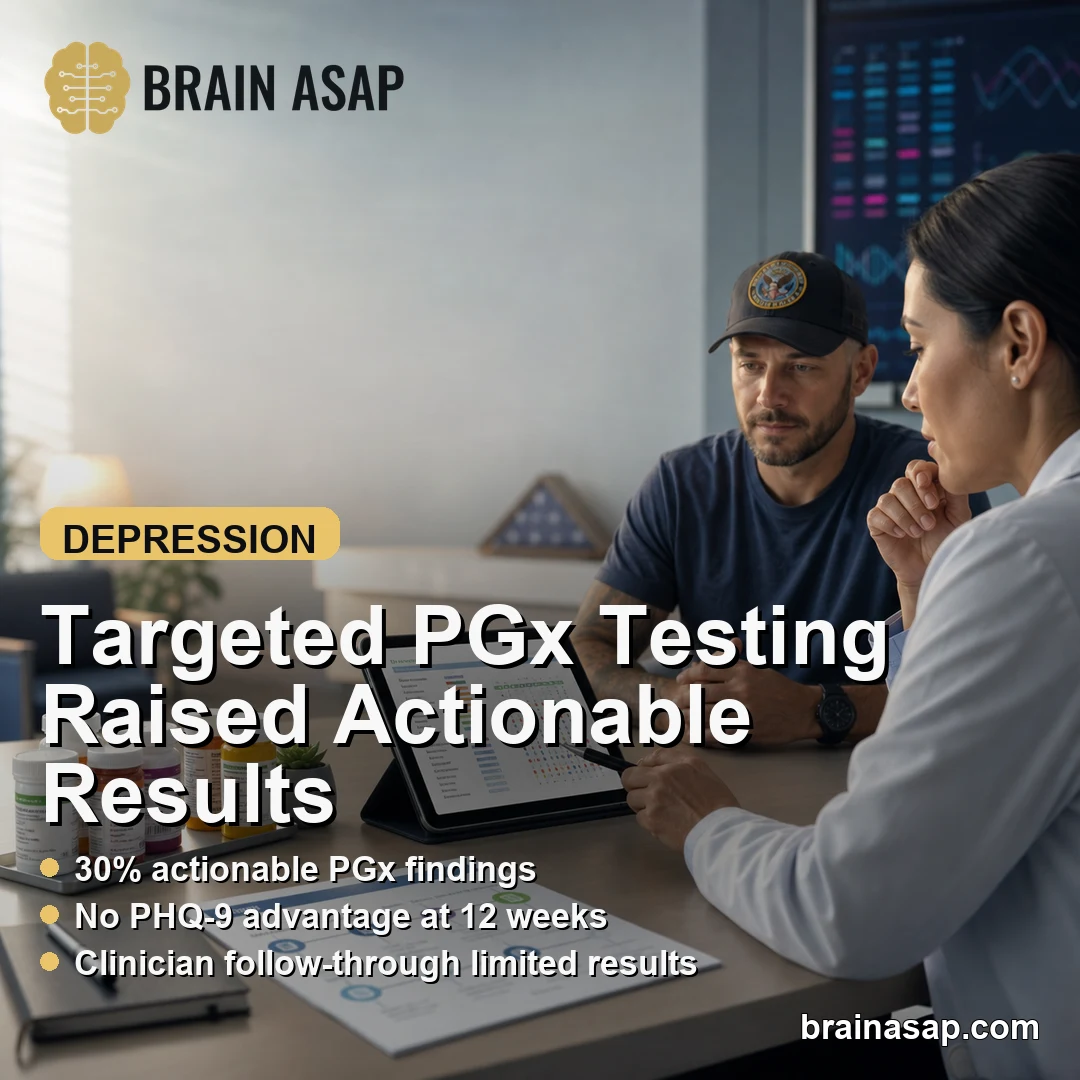
TL;DR: A 2026 study in The Pharmacogenomics Journal tested pharmacogenomic (PGx) depression care, meaning medication guidance based on drug-gene interactions; targeting Veterans already taking antidepressants with common PGx interactions raised the actionable-…
Read article ↗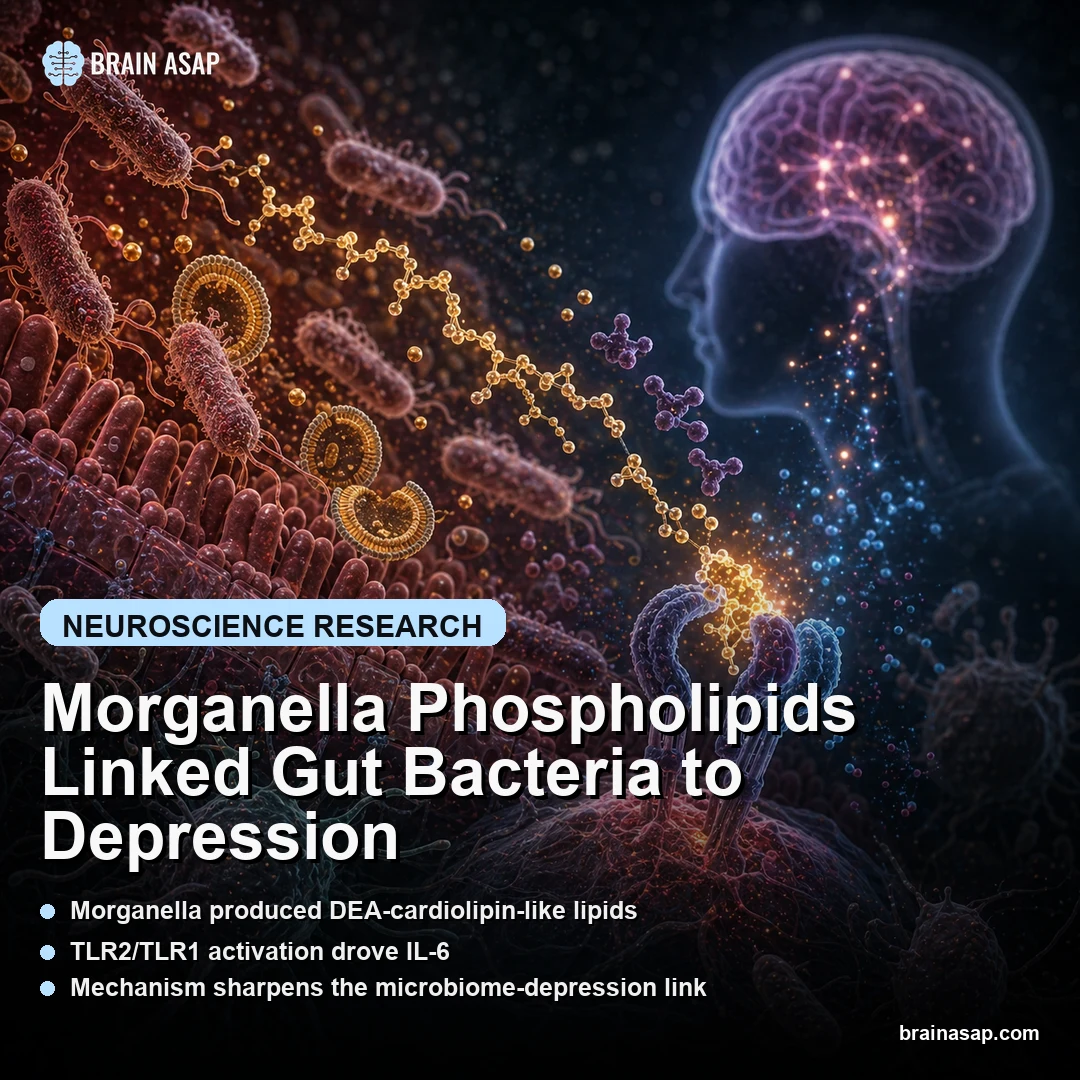
TL;DR: A 2025 study in Journal of the American Chemical Society found that a depression-linked gut bacterium now has a concrete inflammatory mechanism: Morganella morganii can make unusual phospholipids that activate TLR2/TLR1 and drive IL-6. Key Findings Morg…
Read article ↗
TL;DR: A 2026 Scientific Reports study of 6,805 English-language media reports found that psychedelic-treatment coverage for depression and PTSD used more positive tone than antidepressant coverage, while antidepressant coverage used more risk and negative-emo…
Read article ↗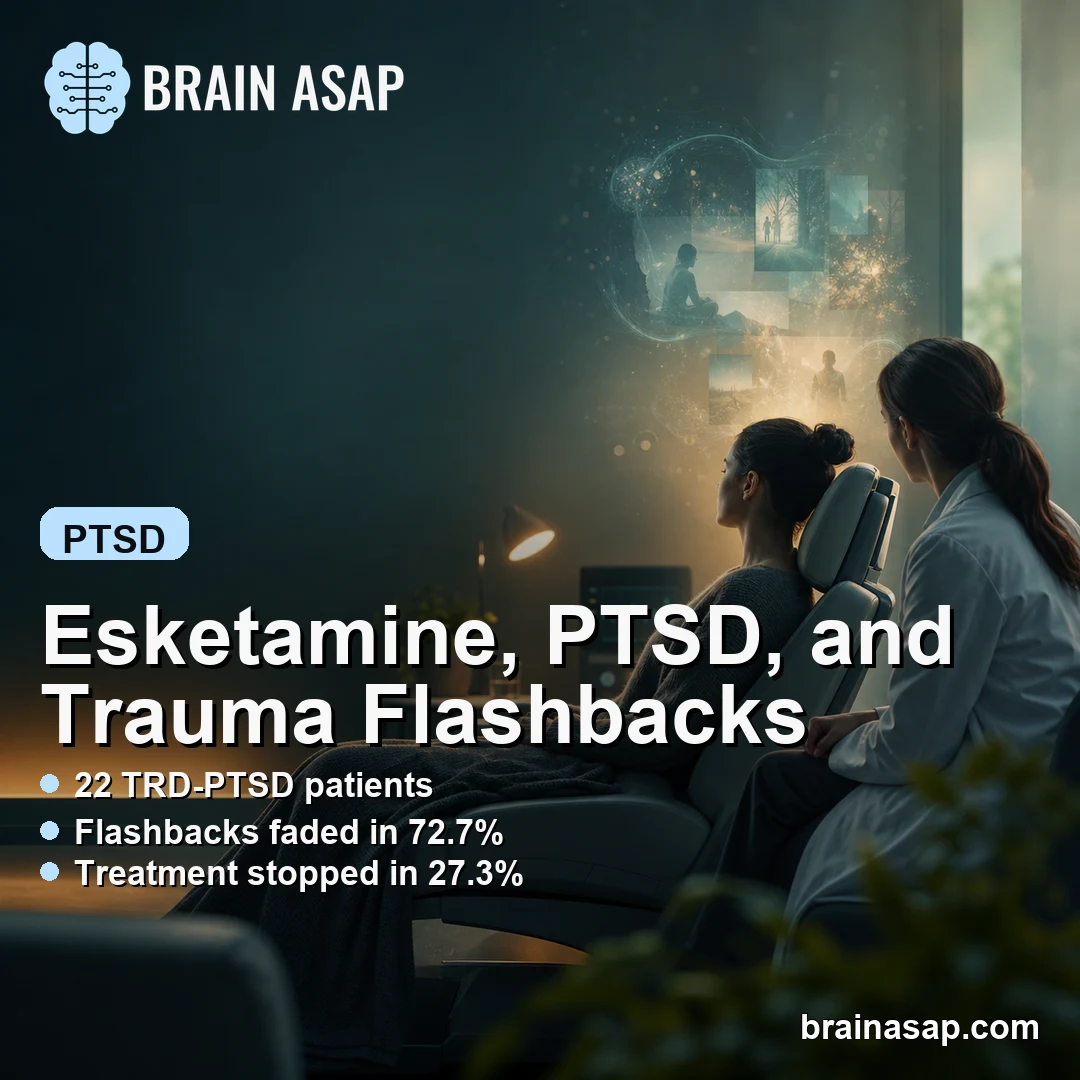
TL;DR: A 2026 retrospective case series study in European Journal of Psychotraumatology found that trauma flashbacks during esketamine nasal spray sessions were distressing but usually time-limited in 22 patients with treatment-resistant depression and PTSD; w…
Read article ↗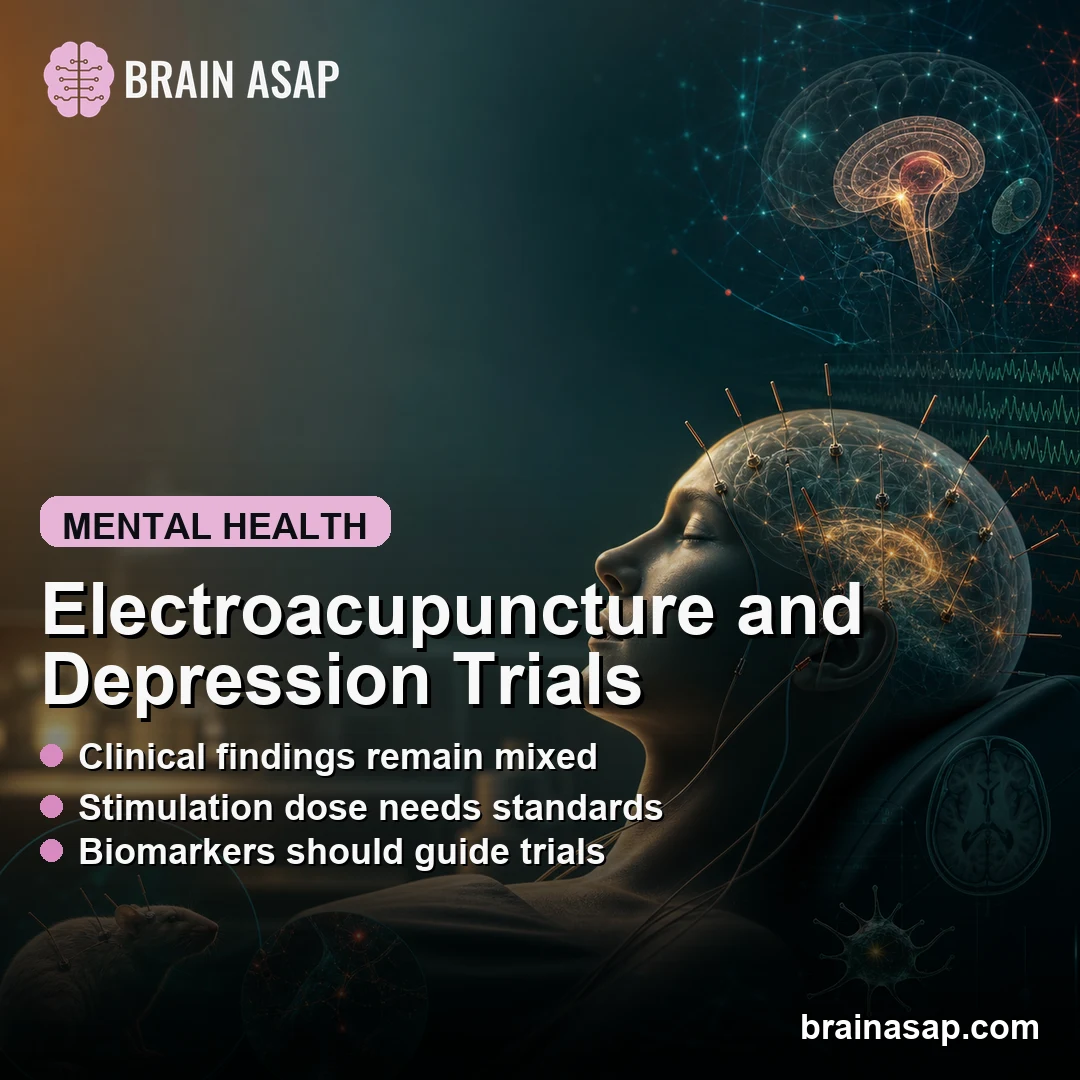
TL;DR: A 2026 review in Neuropsychiatric Disease and Treatment argued that electroacupuncture (EA), acupuncture delivered with small electrical stimulation, has depression-related mechanism evidence, but clinical trials need biomarker-guided patient groups, st…
Read article ↗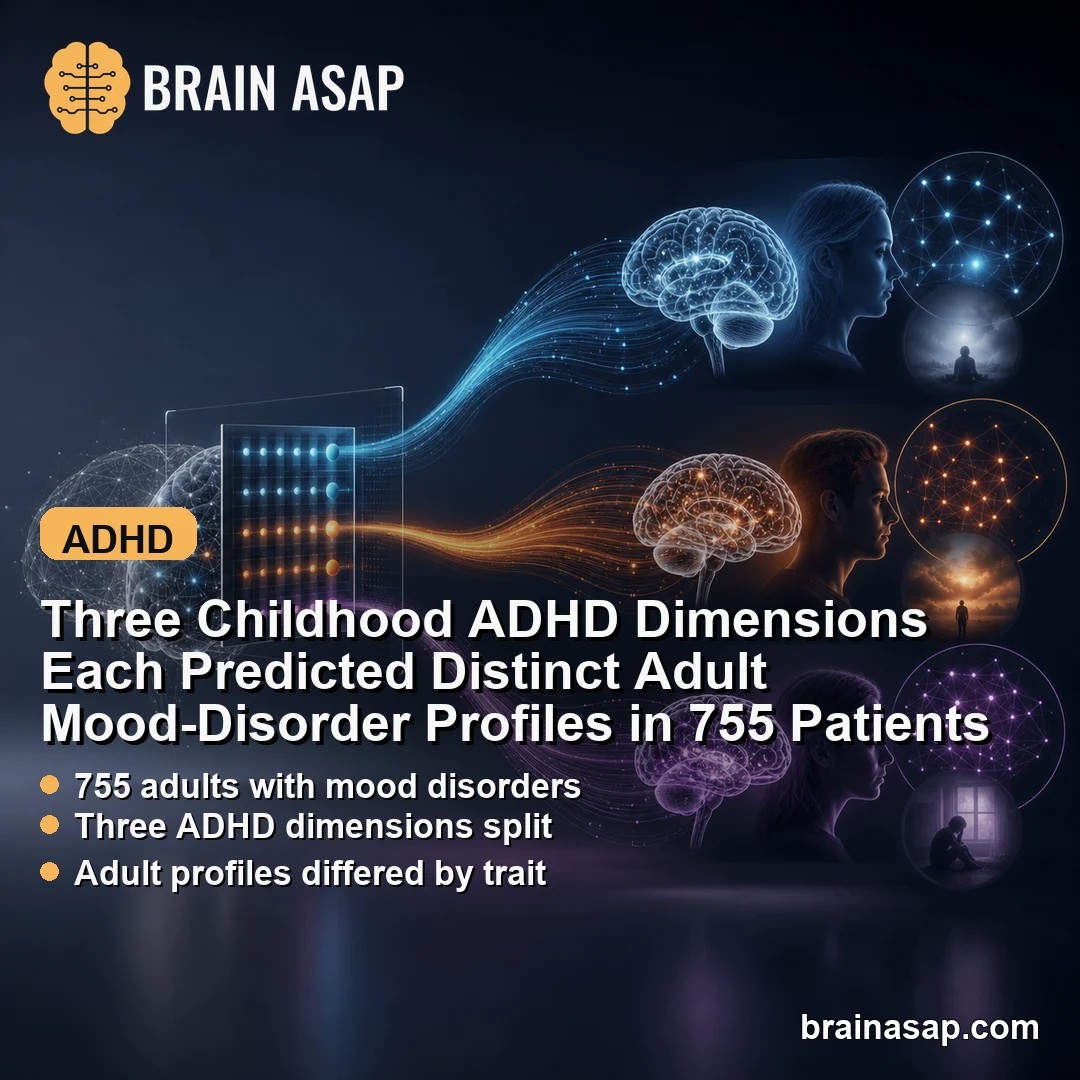
TL;DR: A 2026 study in European Archives of Psychiatry and Clinical Neuroscience of 755 Korean adults with mood disorders found that three distinct childhood ADHD traits each tracked with different adult clinical features, suggesting ADHD’s influence on mood-d…
Read article ↗
TL;DR: A 2026 qualitative study in iScience found that a 10-week Arts on Prescription program helped unemployed young adults with anxiety, depression, or stress report better mood, stronger routines, and less isolation, but some activities also caused stress,…
Read article ↗