
Repurposing antipsychotics and antidepressants with favorable safety profiles and blood-brain barrier permeability shows promise for glioblastoma (GBM) treatment, primarily through disrupting lysosomal function and inducing cell death. Highlights: Mechanism of…
Read article ↗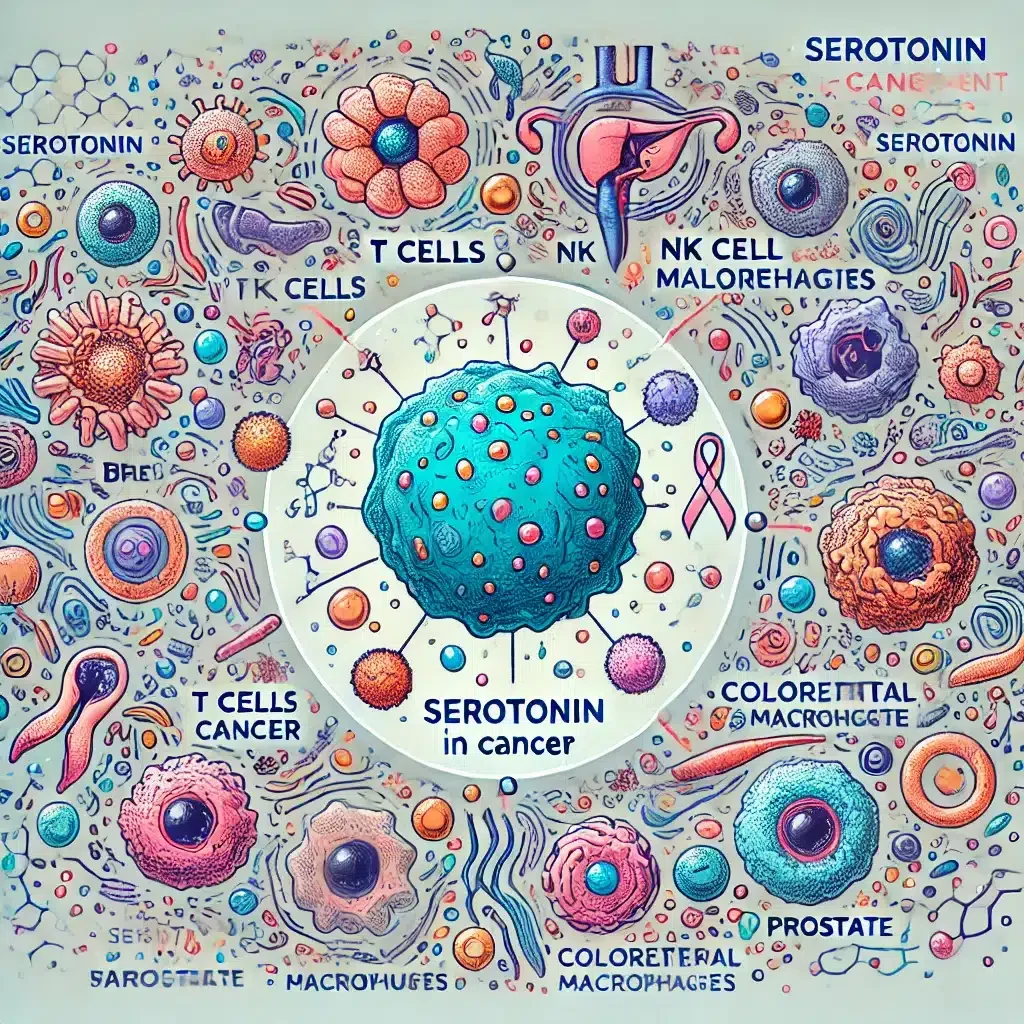
Cancer patients frequently experience depressive symptoms, and the role of serotonin in tumor regulation varies across different types. Highlights: Prevalence of Depression in Cancer Patients: A significant portion of cancer patients experience depressive symp…
Read article ↗
A comprehensive study of nearly 5 million cancer patients over 40 years revealed fluctuating trends in cancer-related suicides in the U.S., with a recent significant decrease likely due to advancements in psychosocial care and cancer treatment. Highlights: Dat…
Read article ↗
Quercetin is a plant flavonoid with a diverse range of pharmaceutical effects that make it a promising potential base for new medications. Key facts: It has anti-inflammatory, antioxidant, anti-tumor, and antiviral properties. Quercetin has low bioavailability…
Read article ↗
Anti-cancer peptides (ACPs) offer a potentially more targeted way to detect and treat cancer compared to conventional therapies like chemotherapy. ACPs can discriminate between cancerous and healthy cells, resulting in fewer side effects. Key Facts: ACPs can a…
Read article ↗
Antidepressants could potentially be repurposed as anticancer agents based on emerging evidence showing they can modulate autophagy—a process cancer cells rely on for growth and survival. Key Facts: Many antidepressants like SSRIs and TCAs have demonstrated an…
Read article ↗
Kava is a plant that has been used for centuries in the South Pacific as part of traditional rituals and ceremonies. Recently, kava has garnered attention from the medical community for its potential therapeutic benefits, particularly as an anti-anxiety treatm…
Read article ↗
Microplastics, the tiny plastic fragments less than 5mm in size, are increasingly being found everywhere – in the oceans, freshwater systems, soil, air, and even in our food. As these tiny plastic pieces spread unabated into the environment, scientists are con…
Read article ↗
A new study published in PLOS Medicine has found associations between consumption of artificial sweeteners, particularly aspartame and acesulfame potassium, and increased risk of overall cancer as well as breast and obesity-related cancers. Key findings: Highe…
Read article ↗