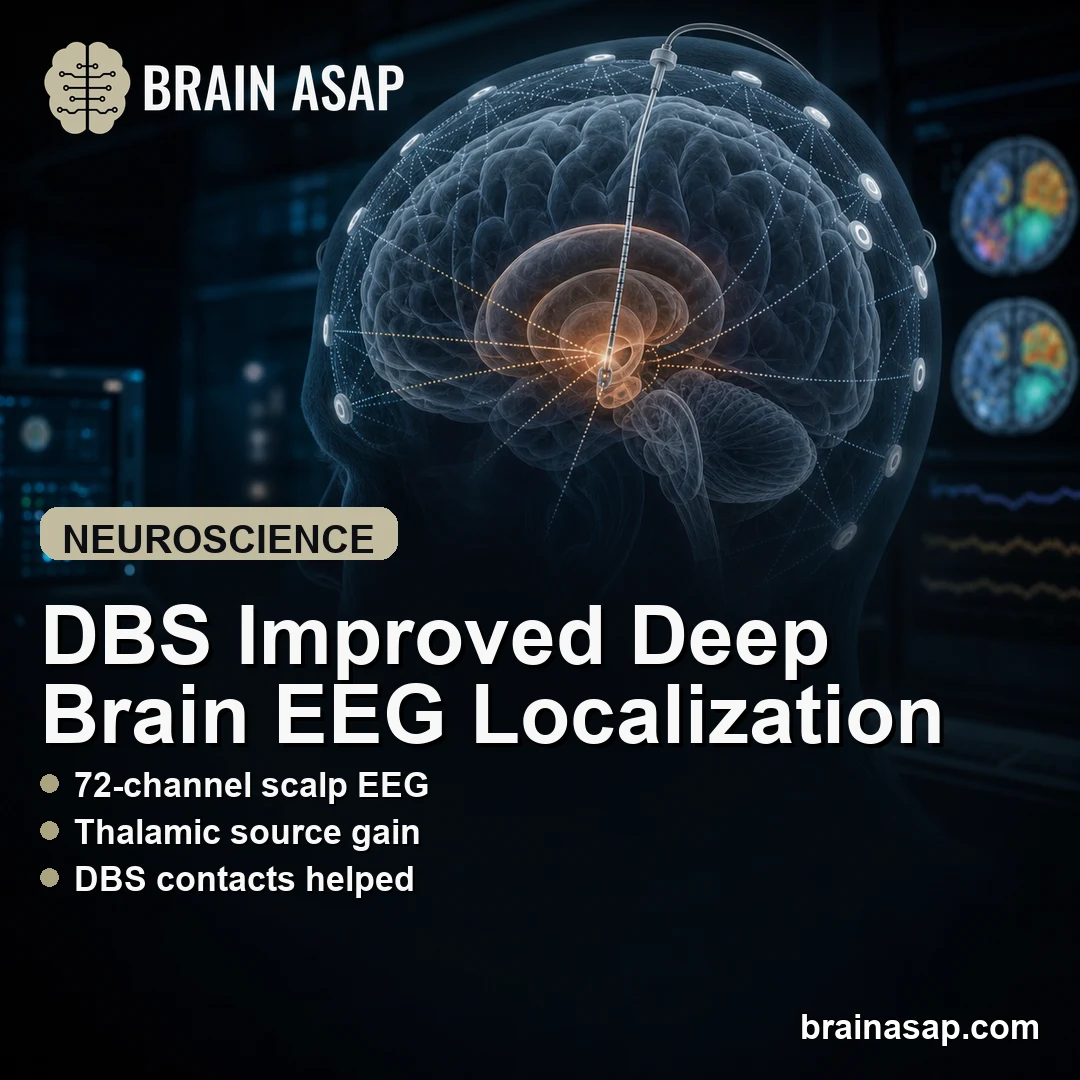
TL;DR: A 2026 study in Journal of Neural Engineering reported that adding passive recordings from bidirectional deep brain stimulation (DBS) electrodes to scalp electroencephalography (EEG) improved simulated deep-brain source localization, especially near the…
Read article ↗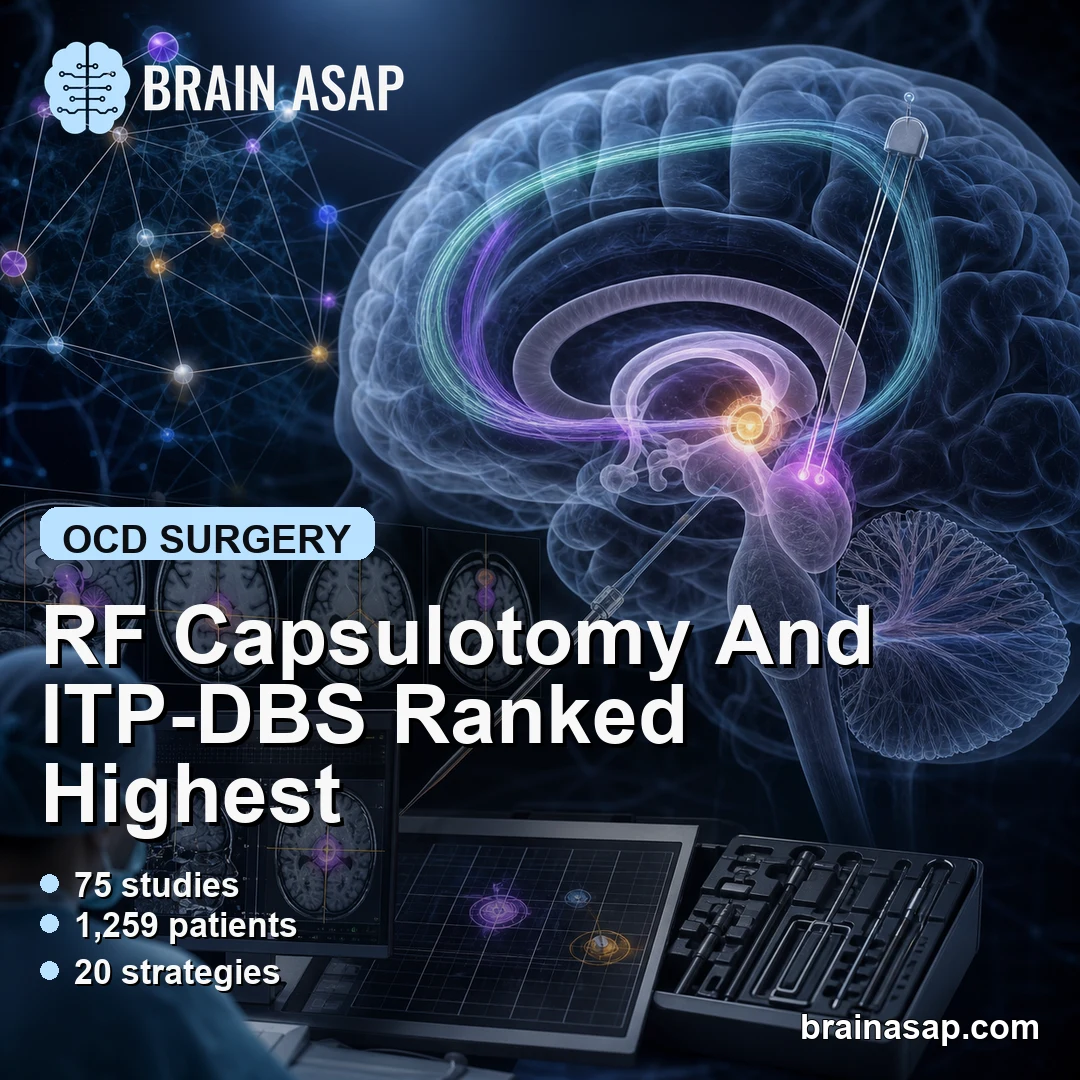
TL;DR: A 2026 study in Molecular Psychiatry found that radiofrequency capsulotomy and inferior thalamic peduncle deep brain stimulation were associated with the largest symptom improvements among surgical strategies for refractory obsessive-compulsive disorder…
Read article ↗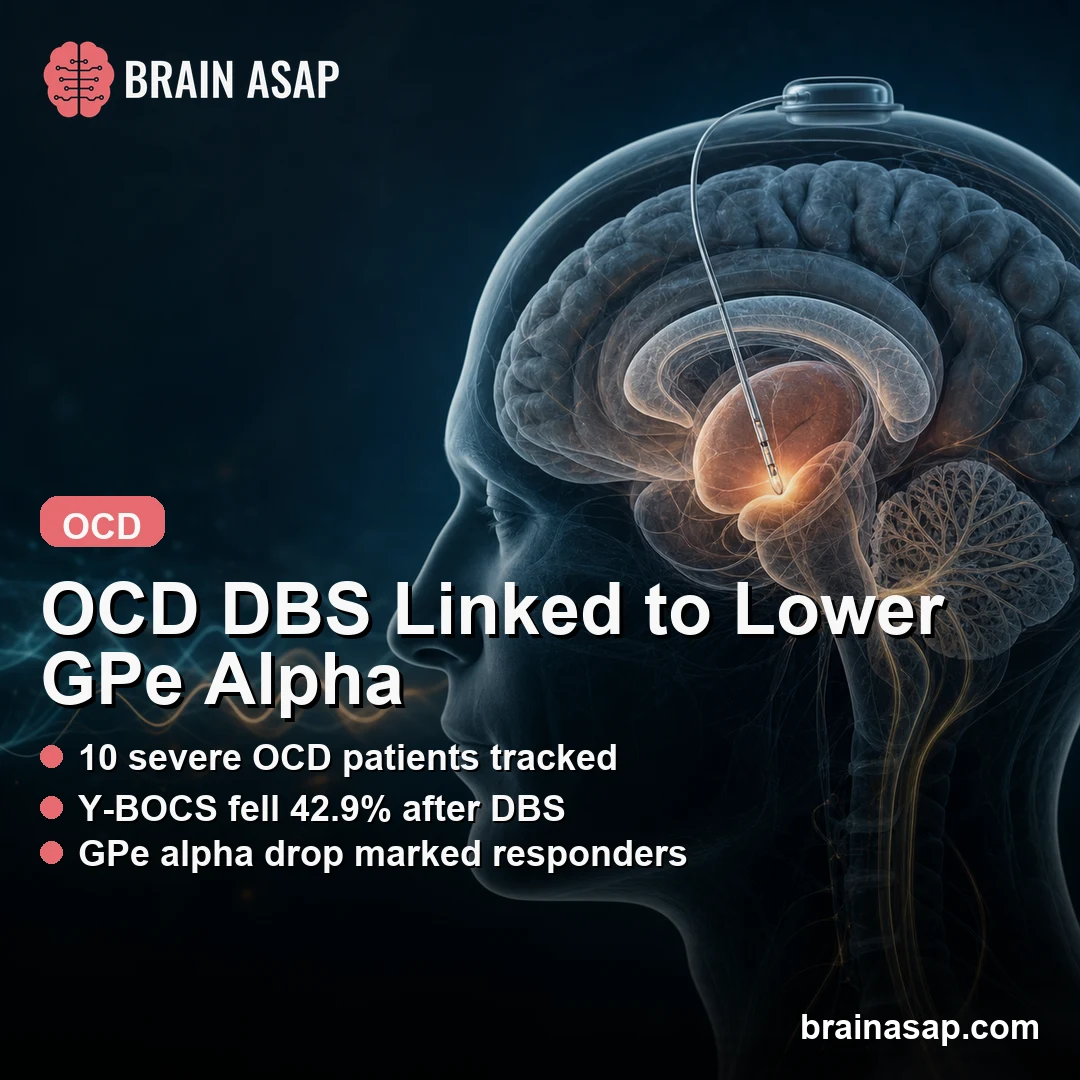
TL;DR: A 2026 preprint in medRxiv found that deep brain stimulation for severe obsessive-compulsive disorder was followed by lower globus pallidus externus alpha-band activity in clinically responsive patients, suggesting a possible brain readout of sustained…
Read article ↗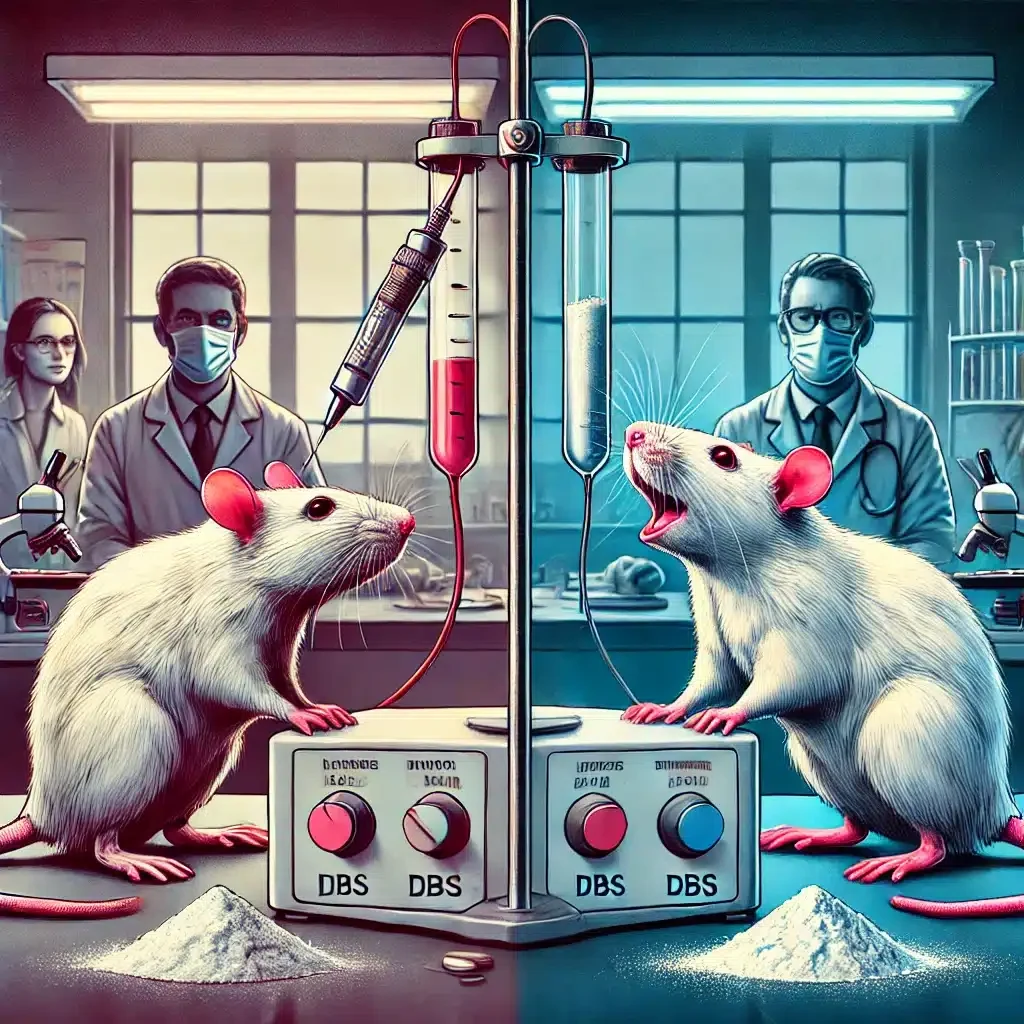
Deep brain stimulation (DBS) in the nucleus accumbens reduces cocaine seeking in male rats but is ineffective in female rats, regardless of their estrous cycle phase. Highlights: No FDA-Approved Treatments: There are currently no FDA-approved treatments for co…
Read article ↗
Deep brain stimulation (DBS) is an effective but not perfect therapy. A large new study found that over 4-7 years, a majority of patients experienced adverse events, though most were not severe. Key facts: 86% of 123 DBS patients experienced adverse events ove…
Read article ↗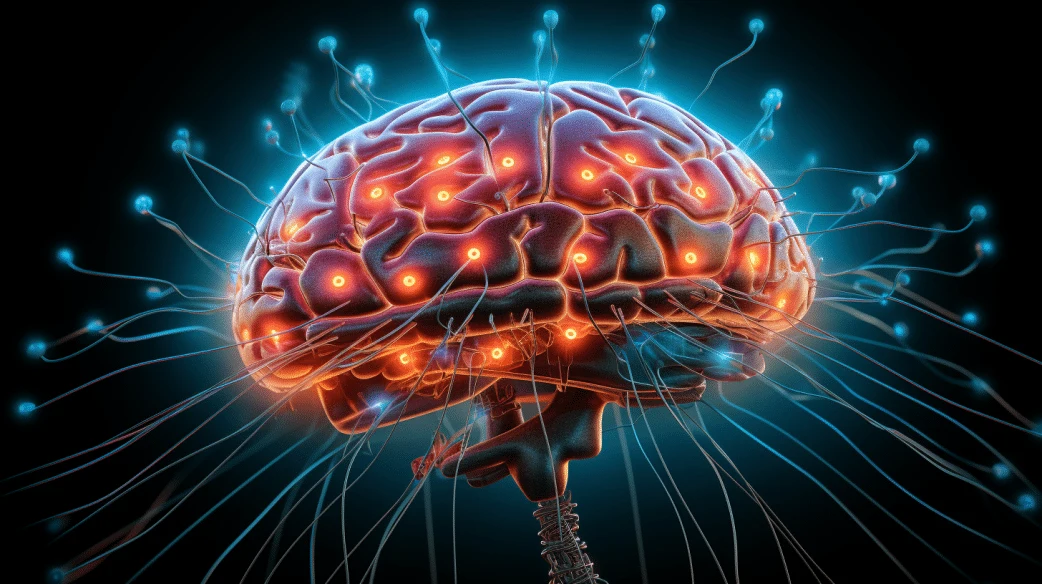
Deep brain stimulation (DBS), a surgical procedure that implants electrodes in the brain to deliver electrical stimulation, may offer hope for people with severe depression that has not responded to multiple treatments. However, larger and more rigorous studie…
Read article ↗
Deep brain stimulation (DBS) is an emerging experimental therapy that has shown promise in treating patients with severe, treatment-resistant depression (TRD). Early research indicates DBS may help patients who have failed to respond to medications, psychother…
Read article ↗
Deep brain stimulation (DBS) of a brain region called the ventral capsule/ventral striatum (VC/VS) may provide long-term relief for people with severe, treatment-resistant obsessive-compulsive disorder (OCD), according to a new retrospective study. Key finding…
Read article ↗