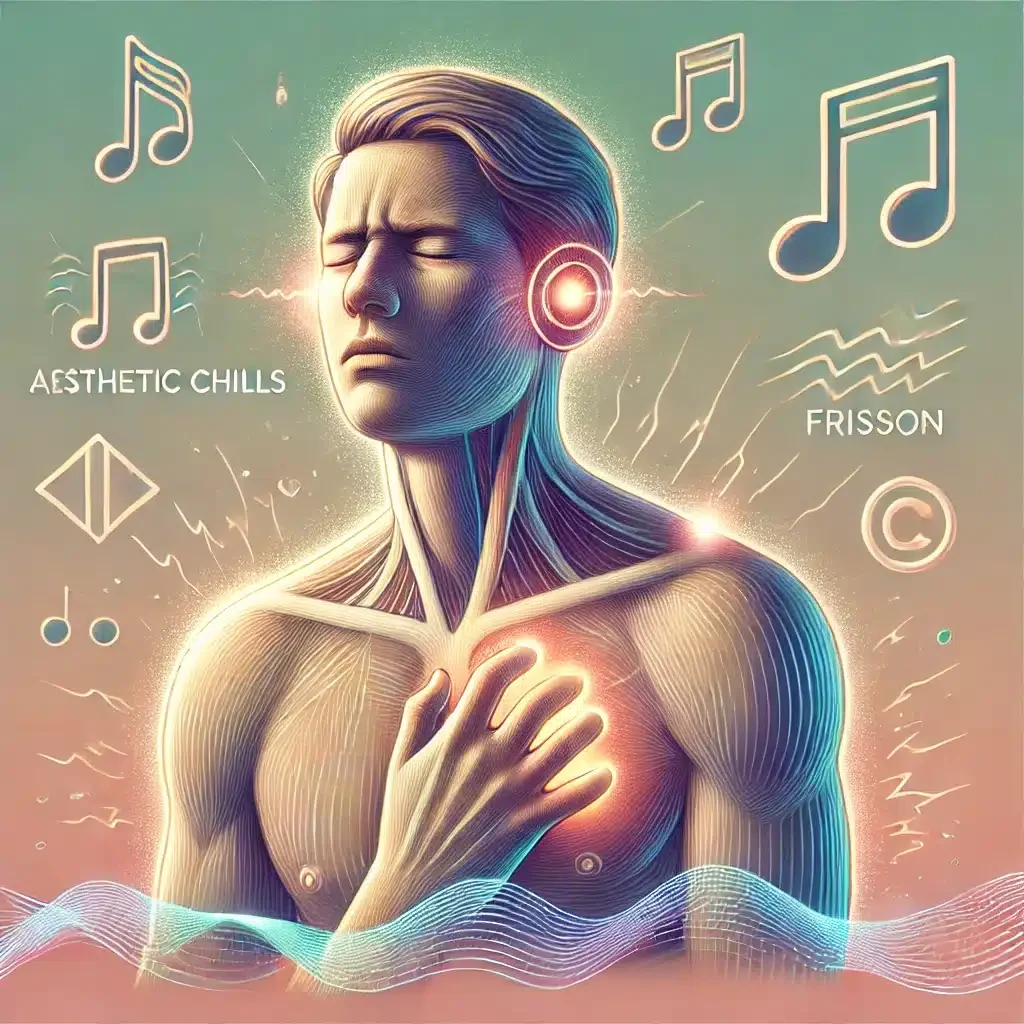
Experiencing aesthetic chills can positively influence self-related beliefs in people with depression, similar to the effects of psychedelics, suggesting potential as a non-pharmacological intervention. Highlights: Novel Approach: Aesthetic chills, characteriz…
Read article ↗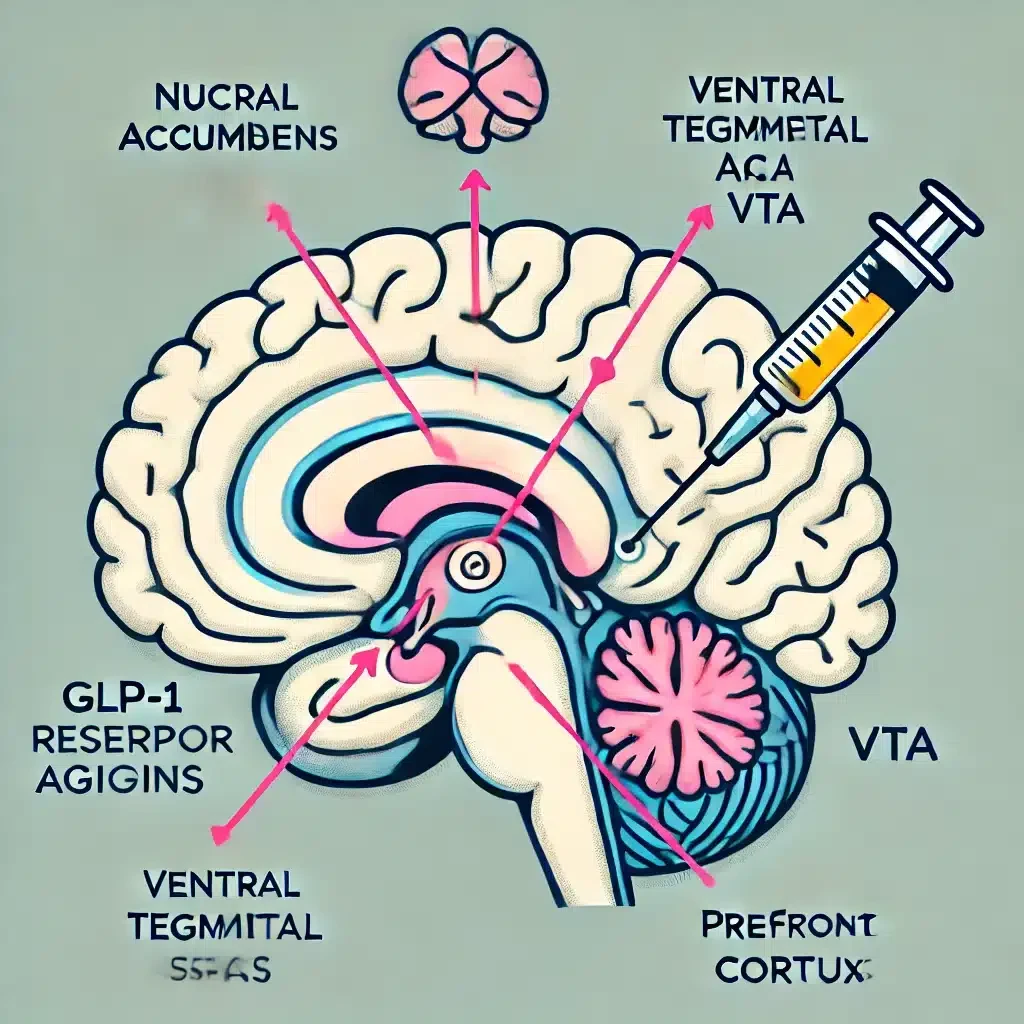
GLP-1 receptor agonists (GLP-1RAs) show promise in regulating the reward system and potentially treating motivation and reward-processing disorders. Highlights: Regulation of Reward System Dysfunction: GLP-1RAs influence the brain’s reward system, which is inv…
Read article ↗
Aerobic exercise reduces depressive symptoms by decreasing inflammation, boosting dopamine transmission, and enhancing motivation and cognitive control. Highlights: Depression & Dopamine: Depression is linked to disrupted dopamine transmission, affecting rewar…
Read article ↗
TLDR: A patient developed a compulsive chewing behavior when taking mixed amphetamine salts (MAS) for ADHD, highlighting the need to monitor for unusual side effects with stimulant use. Highlights: Patient Background: The patient is a 32-year-old woman with a…
Read article ↗
Current antidepressants can take weeks to improve symptoms of depression. New research explores reasons for this delay and provides clues to develop more rapid-acting drugs. Key Facts: Most antidepressants increase brain serotonin and norepinephrine, but their…
Read article ↗
Food provides the building blocks for our mental and physical health. New research reveals that many common foods supply key neurotransmitters that regulate brain and nervous system function. Understanding how our diet provides these crucial molecules opens up…
Read article ↗
Researchers have uncovered new insights into how fasting alters dopamine signaling in the brain’s reward circuitry. Their findings, published in the Journal of Neurophysiology, suggest that fasted mice exhibit enhanced dopamine release in the ventral tegmental…
Read article ↗
Synthetic cathinones like MDPV emerged as drugs of abuse in the early 2010s, gaining notoriety for their powerful stimulant effects and association with bizarre intoxication and death. Despite legislation banning MDPV and its analogs, these substances continue…
Read article ↗
Cocaine abuse leads to dysfunction of brain dopamine systems and the development of addiction. New research identifies changes in the dopamine transporter as a driving force underlying cocaine addiction, and points to a novel way to reverse these detrimental e…
Read article ↗
Researchers have found that repeated low doses of amphetamine can alter reward and motivation circuits in the human brain. The changes mirror what is seen in addiction and schizophrenia. Key Facts: Healthy volunteers received 4 doses of a low 20mg dose of amph…
Read article ↗