TL;DR: A 2026 mouse study in Nature found that small-molecule glucagon-like peptide 1 receptor agonists (GLP-1RAs), obesity and diabetes drugs built around a glucose-linked hormone pathway, suppressed palatable-food intake through central amygdala neurons that…
Read article ↗
TL;DR: A 2026 Human Brain Mapping study combined PET receptor imaging with speech functional MRI, or fMRI, in healthy adults and found that GABA signaling and striatal dopamine release interacted with brain activity during human speech control. Key Findings PE…
Read article ↗
TL;DR: In Drosophila melanogaster, caffeine consumed at night impaired inhibitory control in an airflow task, especially in females. The effect was not explained by simple hyperactivity or sleep deprivation, and the study points to dopamine signaling in mushro…
Read article ↗
TL;DR: A 2026 meta-analysis in Psychological Medicine found postpartum depression (PPD) brain-activity differences across default-mode, limbic, and sensorimotor regions, with spatial overlap in serotonin, dopamine, and vesicular acetylcholine transporter maps.…
Read article ↗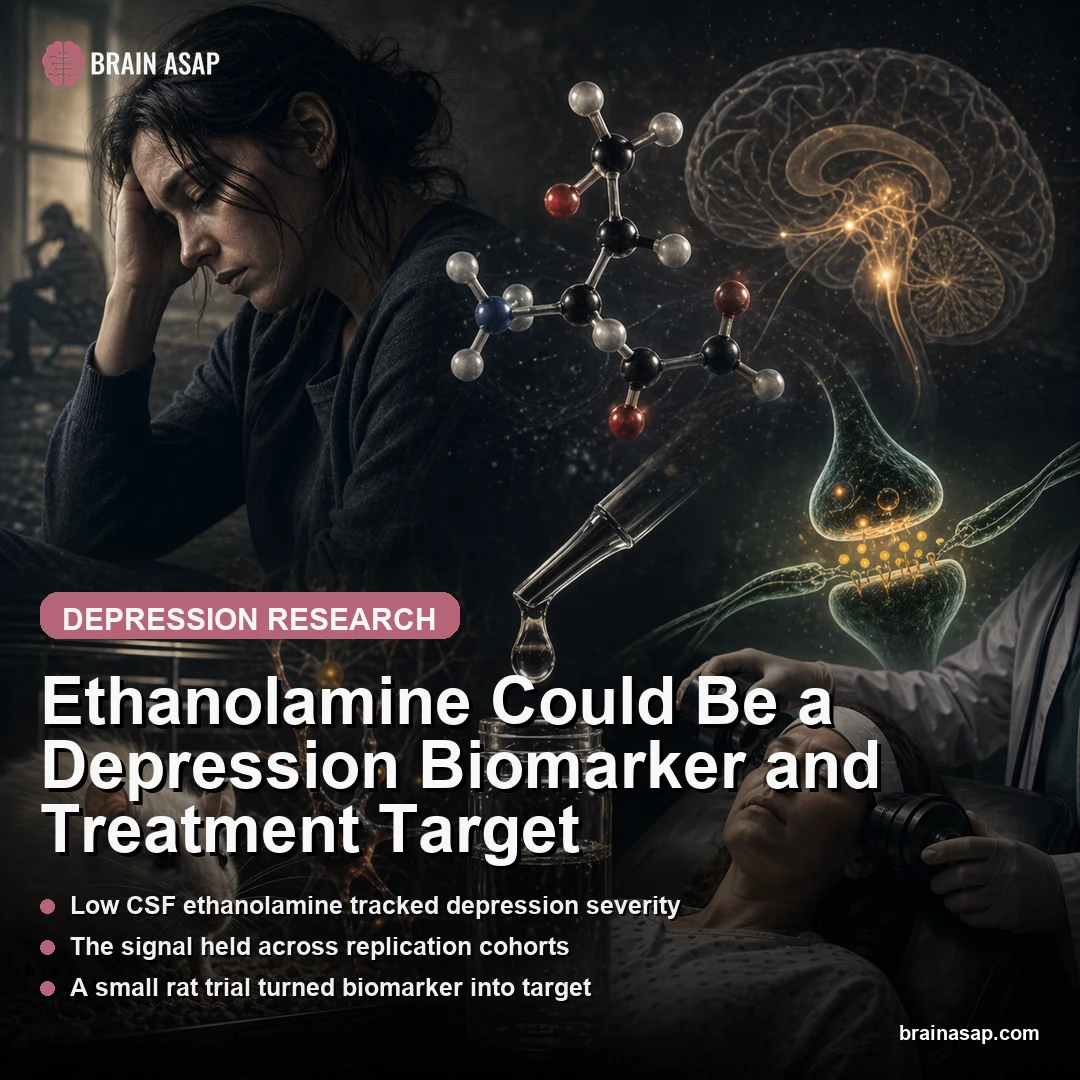
Ethanolamine Looked Like a Depression Biomarker and Treatment Target TL;DR: In a 380-person cerebrospinal fluid dataset, patients with active major depression had lower ethanolamine levels than controls, those levels rose after electroconvulsive therapy, and p…
Read article ↗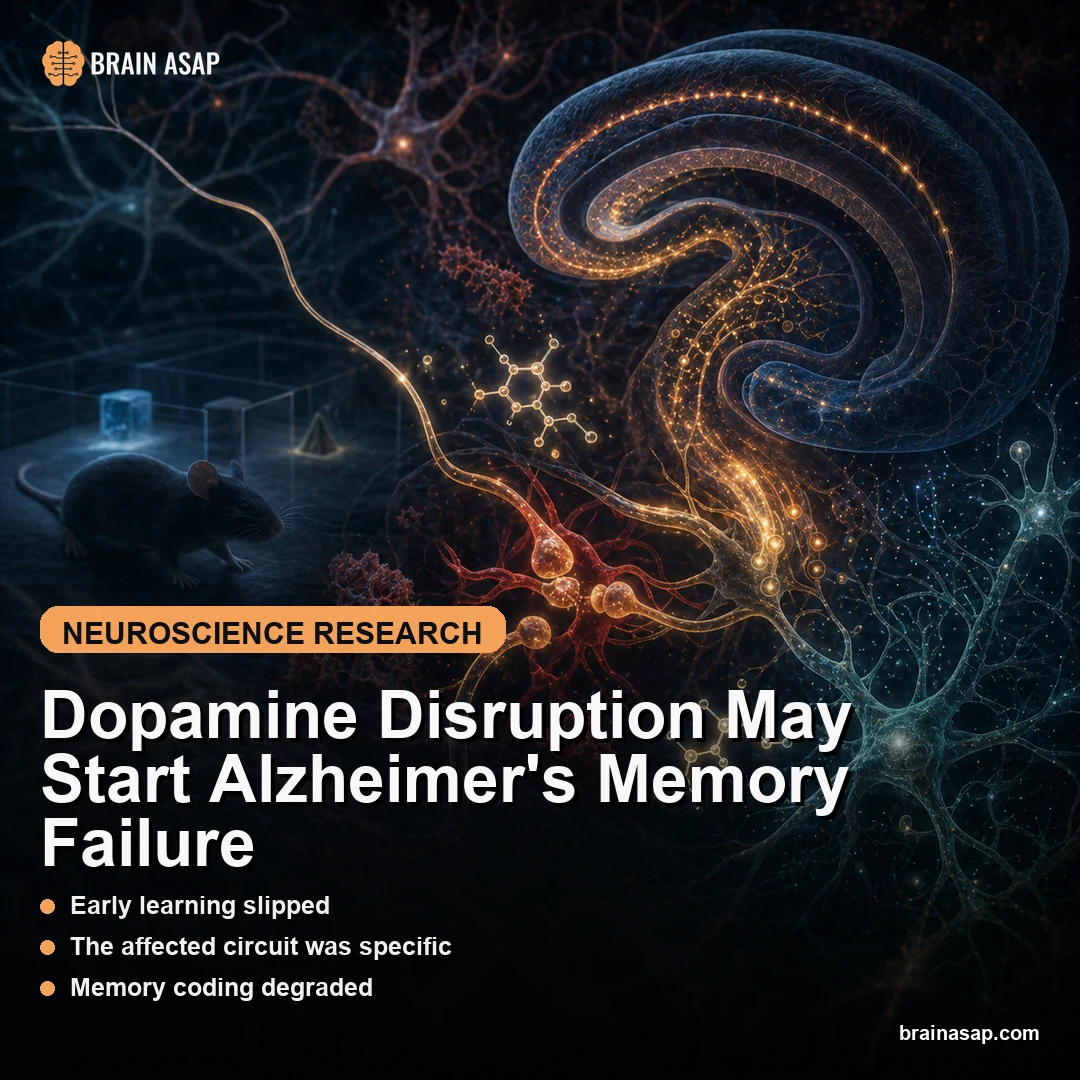
Dopamine Disruption May Start Alzheimer’s Memory Failure TL;DR: In an Alzheimer’s mouse model, early memory failure tracked a broken dopamine signal into the lateral entorhinal cortex, and both optogenetic dopamine reactivation and L-DOPA partially restored le…
Read article ↗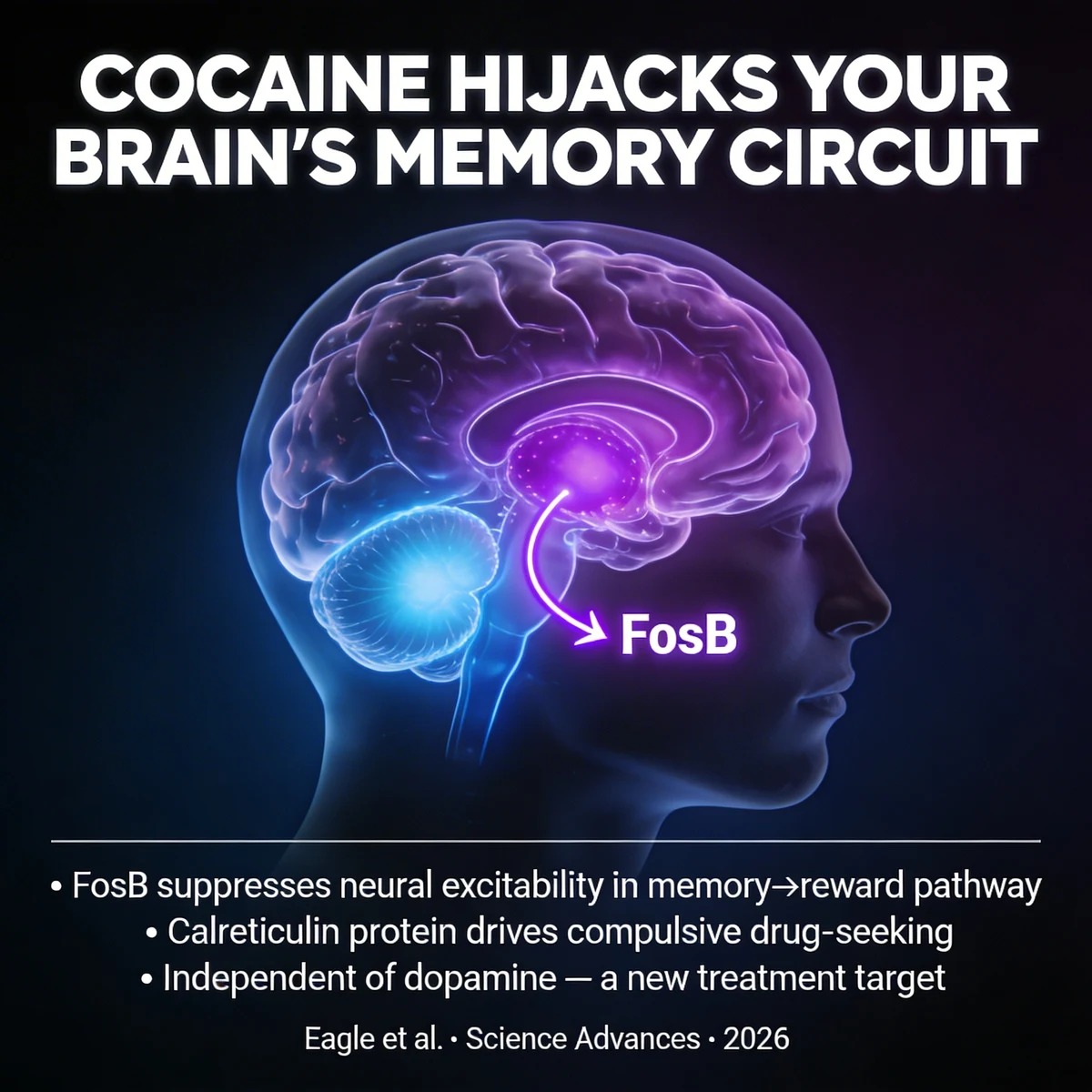
How Cocaine Rewires the Brain’s Reward Circuit TL;DR: Cocaine hijacks a transcription factor called FosB in a brain circuit connecting the hippocampus to the nucleus accumbens, suppressing neural excitability and driving compulsive drug-seeking behavior—a mech…
Read article ↗
Alcohol use disorder (AUD) is associated with impairments in dopamine (DA) neurotransmission, with significant differences in DA release, receptor availability, and transporter density observed across different levels of alcohol consumption and stages of AUD.…
Read article ↗
High-intensity exercise (HIIE) leads to significant changes in brain activity, specifically in regions linked to dopaminergic and μ-opioidergic neurotransmission, which are associated with a mood boost. Highlights: Positive Mood Effects: Both low- and high-int…
Read article ↗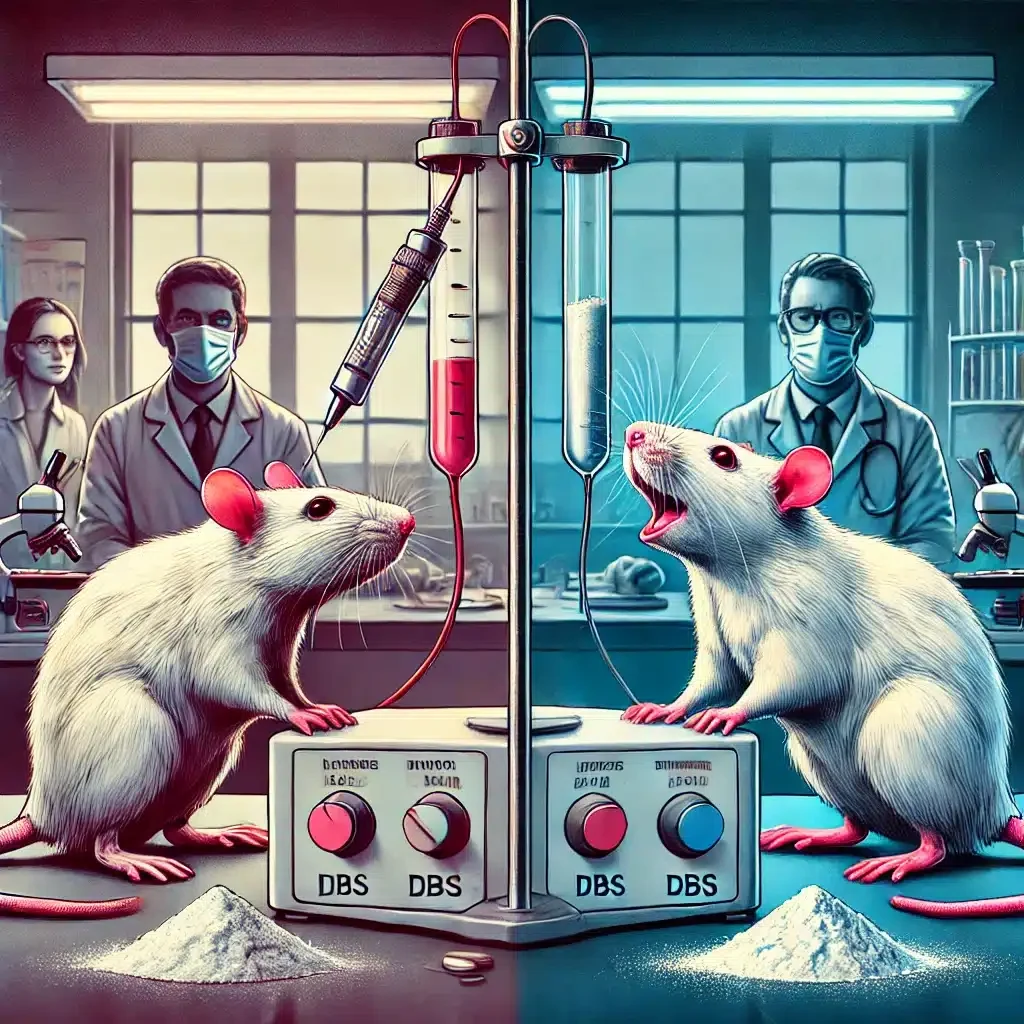
Deep brain stimulation (DBS) in the nucleus accumbens reduces cocaine seeking in male rats but is ineffective in female rats, regardless of their estrous cycle phase. Highlights: No FDA-Approved Treatments: There are currently no FDA-approved treatments for co…
Read article ↗