TL;DR: A 2026 study in Biological Psychiatry: Global Open Science linked serious physical injury to recurrent major depression and found that injury-related DNA methylation patterns differed by depression status, with oxytocin, GABA, and synaptic-plasticity pa…
Read article ↗
TL;DR: A 2026 review in Neuropsychiatric Disease and Treatment argues that miR-425-3p is a candidate depression biomarker because it connects stress biology, MAPK/Wnt signaling, inflammation, and antidepressant response evidence. Key Findings 280 million MDD b…
Read article ↗
TL;DR: A 2026 exploratory study in Translational Psychiatry found blood DNA methylation changes after 25 mg psilocybin in detoxified alcohol use disorder patients, including findings near TLE4 and RASGRP4, but the small trial did not establish a definitive AUD…
Read article ↗
TL;DR: A 2026 methylome-wide study in Clinical Epigenetics found that genetically inferred CYP2C19 metaboliser status, a pharmacogenomic marker relevant to antidepressant handling, was associated with DNA methylation patterns in a large Scottish cohort. Key Fi…
Read article ↗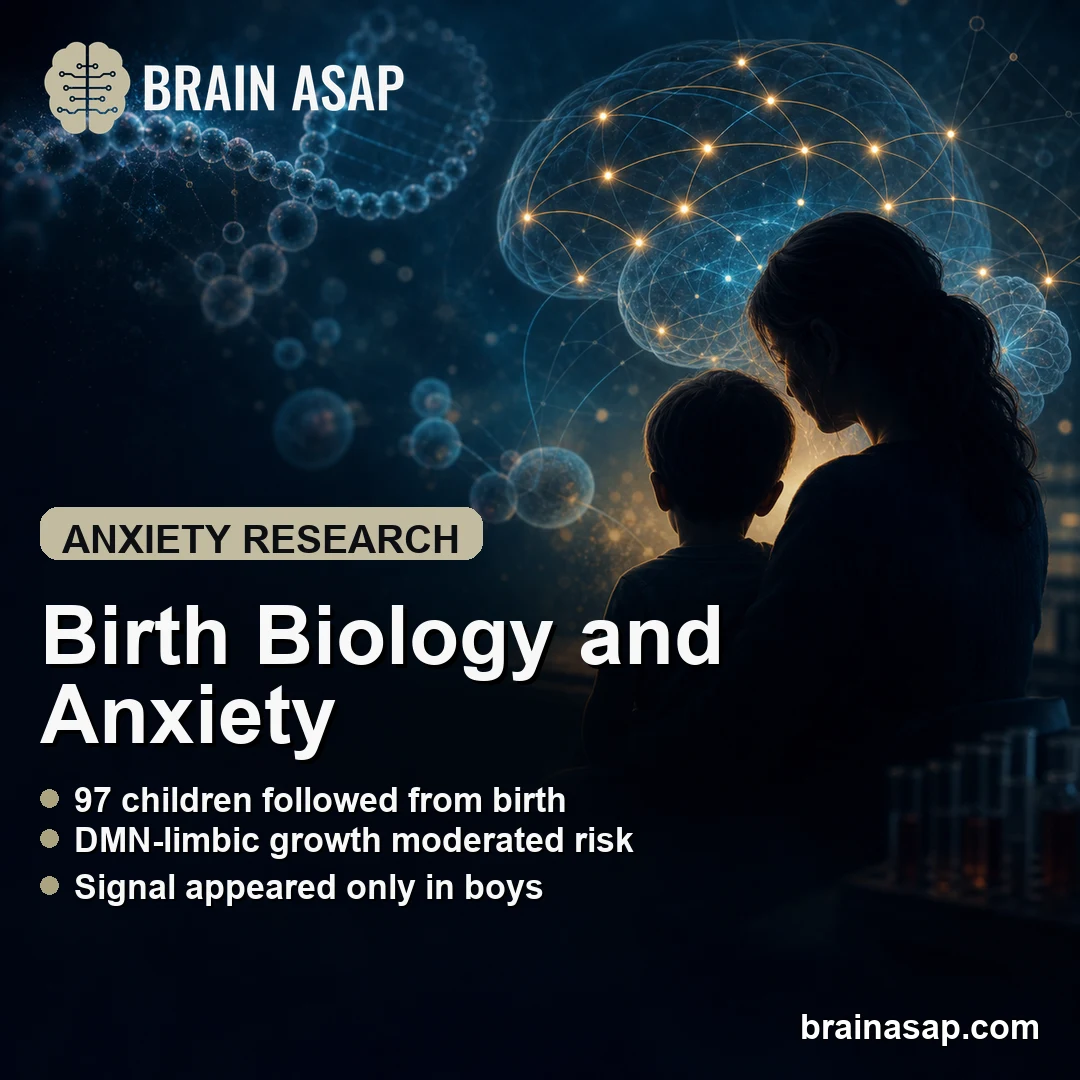
TL;DR: A 2026 Research Square preprint linked DNA methylation (DNAm), an epigenetic mark measured in cord blood at birth, with default mode network-limbic brain development and age-13 anxiety symptoms in boys. Key Findings Birth-to-teen pathway tested: Researc…
Read article ↗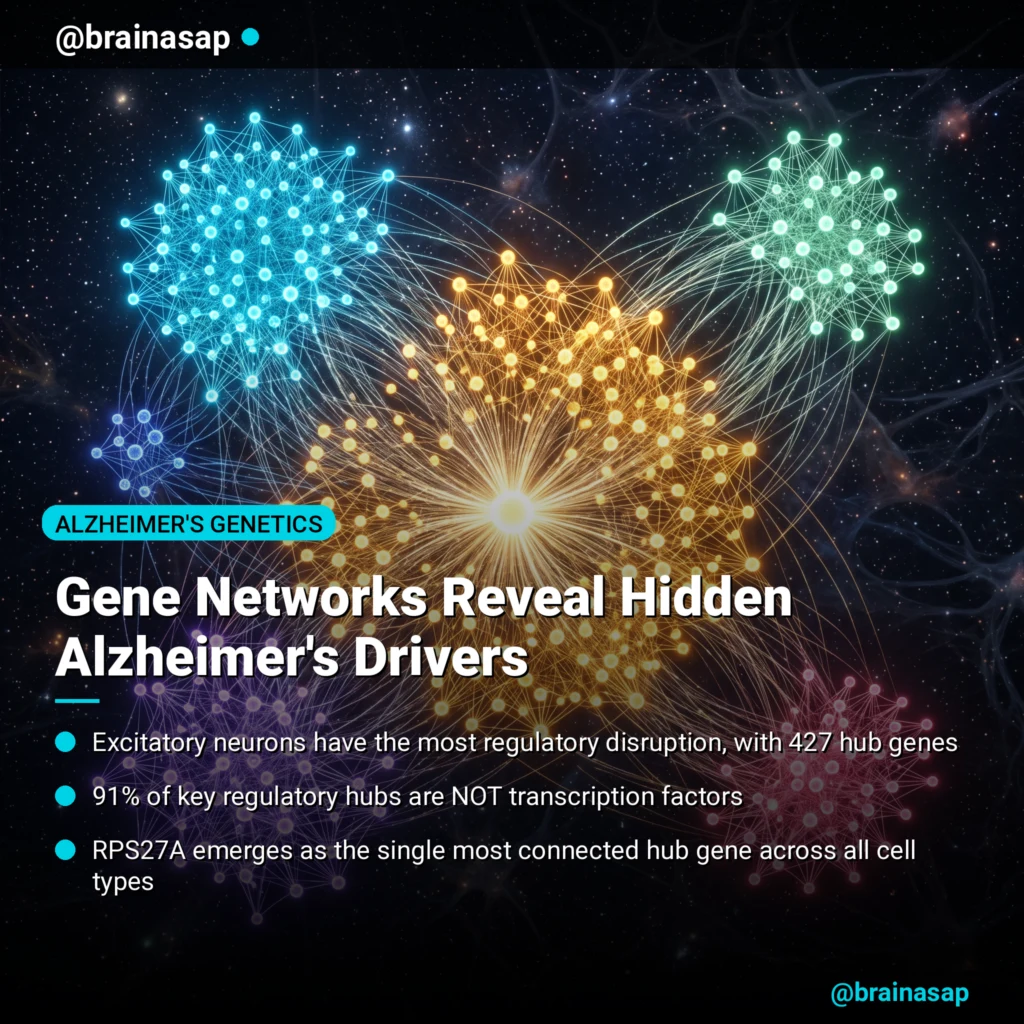
Cell-Type Gene Networks Reveal Hidden Causes of Alzheimer’s TL;DR: Researchers mapped how genes are regulated differently across six brain cell types in Alzheimer’s disease, discovering that excitatory neurons drive the most extensive regulatory disruptions—an…
Read article ↗
Adversity accelerates biological aging through health-compromising behaviors like smoking and possibly social disconnection, and future research needs to focus on causal methodologies to better understand these processes and develop effective interventions. Hi…
Read article ↗
Epigenetic markers, specifically DNA methylation (DNAm) differences, show promise as diagnostic tools for detecting delirium, including post-operative delirium (POD), across multiple patient cohorts. Highlights: Significant DNAm Differences: Analysis of blood…
Read article ↗
A new study uses AutoML and blood DNA methylation data to identify novel gene biomarkers for diagnosing schizophrenia (SCZ) with high accuracy. Highlights: Biomarker Discovery: AutoML identified three schizophrenia-specific gene methylation biomarkers: IGF2BP1…
Read article ↗
Criminal behavior has complex origins. While social and psychological factors play a clear role, a growing body of research suggests biological factors also influence criminality. Here’s what the science says so far about the biology underlying criminal behavi…
Read article ↗