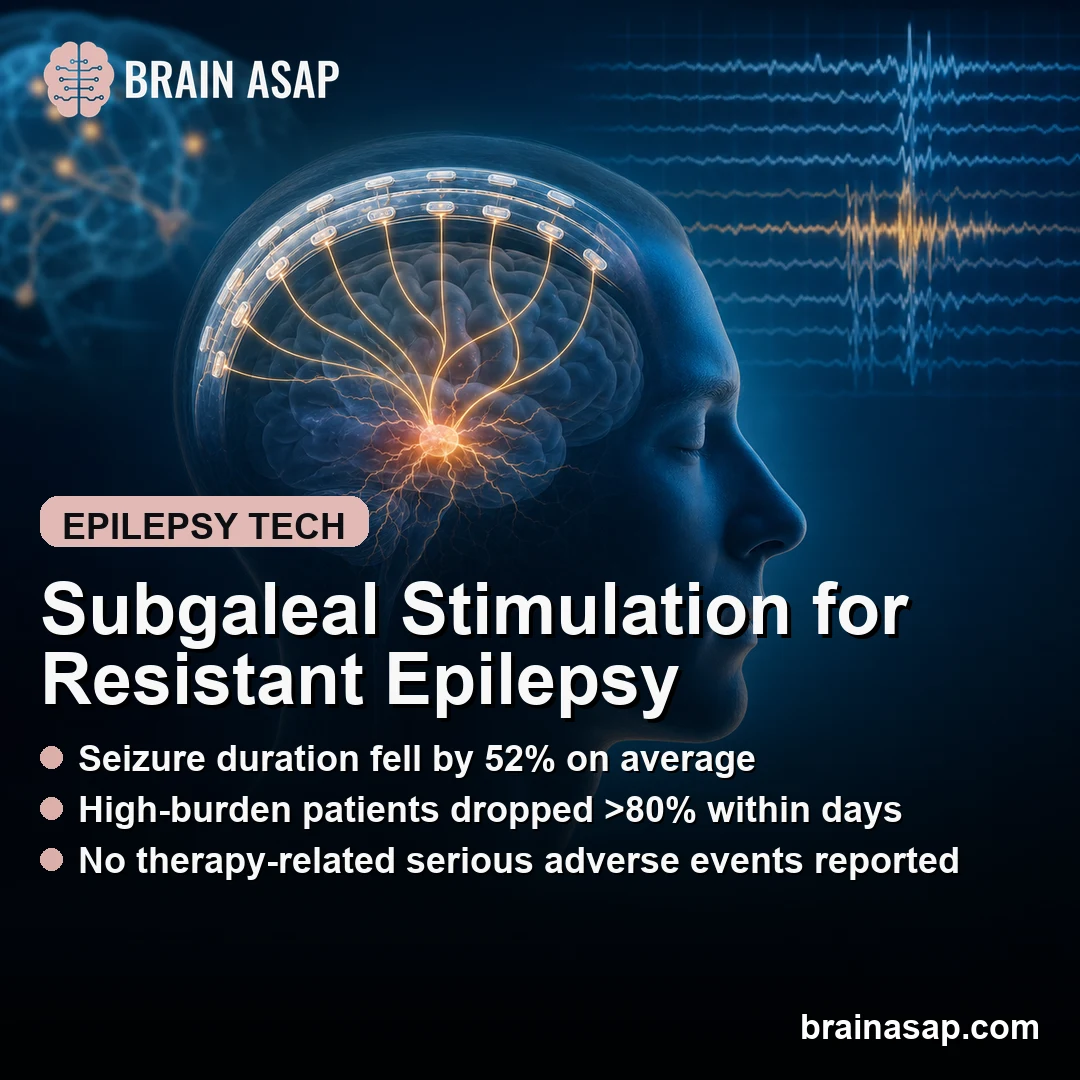
TL;DR: A 2026 medRxiv preprint reported that closed-loop subgaleal intersectional short-pulse stimulation reduced seizure duration and rapidly lowered seizure incidence in a small first-in-human treatment-resistant epilepsy study. Key Findings Subgaleal implan…
Read article ↗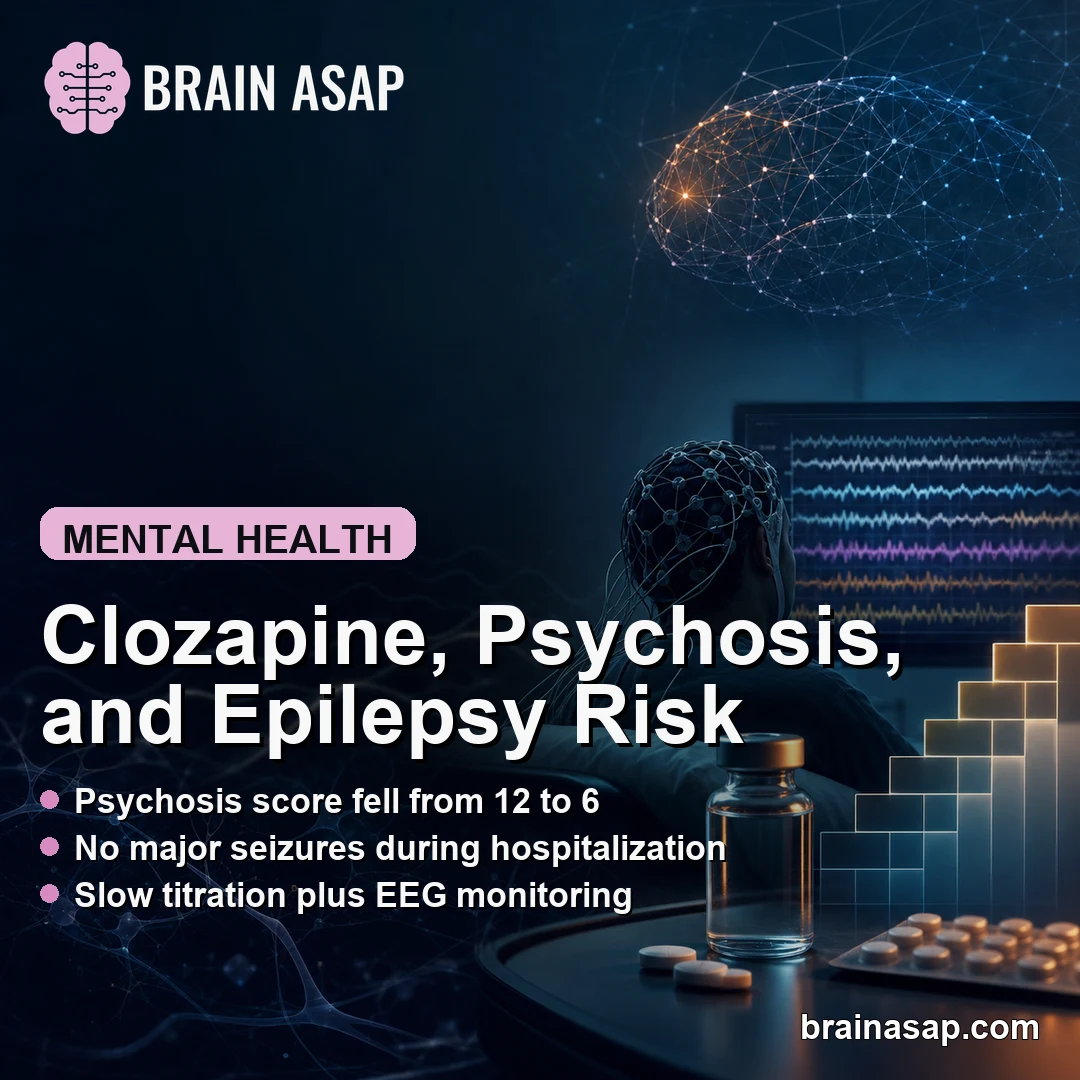
TL;DR: A 2026 case study in Psychiatry and Clinical Neurosciences Reports described a 36-year-old man with treatment-resistant schizophrenia and focal epilepsy whose psychosis improved after slow clozapine titration, without worsening seizure frequency or seve…
Read article ↗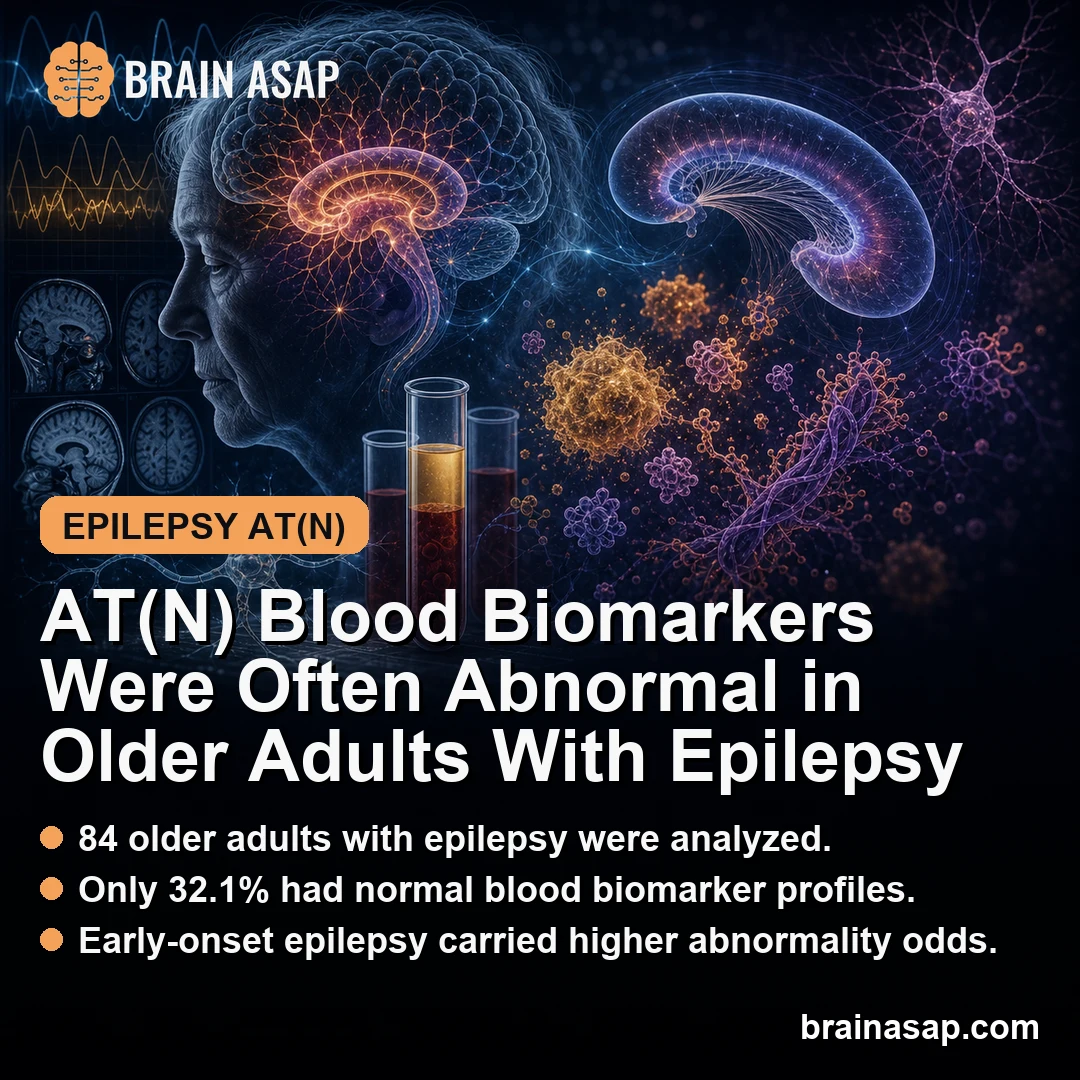
TL;DR: A 2026 medRxiv preprint applied the AT(N) framework, an Alzheimer’s disease biomarker system for amyloid, tau, and neurodegeneration, to 84 older adults with focal epilepsy and found that only 32.1% had normal blood biomarkers, while early-onset epileps…
Read article ↗
Necrostatin-1, an inhibitor of necroptosis, exhibits significant neuroprotective effects and potential therapeutic applications in various neurological disorders by modulating cell death pathways, inflammation, and reactive oxygen species. Highlights: Mechanis…
Read article ↗
Gut microbiota may influence epilepsy, but the exact mechanisms and involved microbiota are unclear, with potential treatments including ketogenic diets, probiotics, and fecal microbiota transplants being explored. Highlights: Approximately 33% of epilepsy pat…
Read article ↗
Our brains contain around 100 billion neurons communicating through an intricate web of connections. This complex circuitry controls everything we think, feel, and do. But sometimes things can go wrong, leading to neurological disorders like epilepsy, Parkinso…
Read article ↗
Epilepsy impacts millions of people worldwide. While medications have been the mainstay of treatment, one-third of patients continue to have seizures despite available drugs. This highlights the need for innovative therapies. Recent years have seen exciting de…
Read article ↗