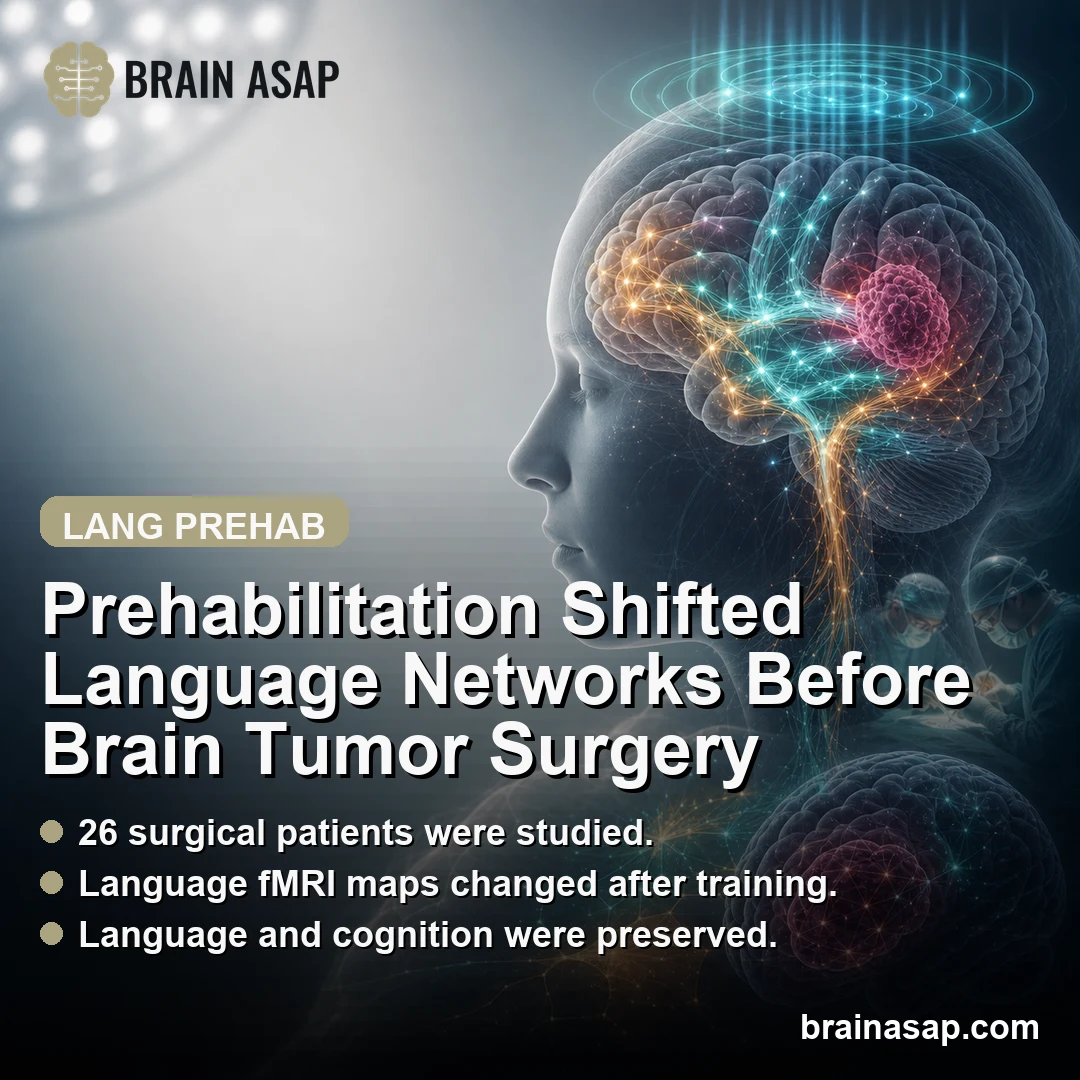
TL;DR: A 2026 preprint neurosurgery neuroplasticity study in medRxiv found that language-targeted prehabilitation selectively changed language-network topography, while language and cognitive performance were preserved after the intervention. Key Findings Stud…
Read article ↗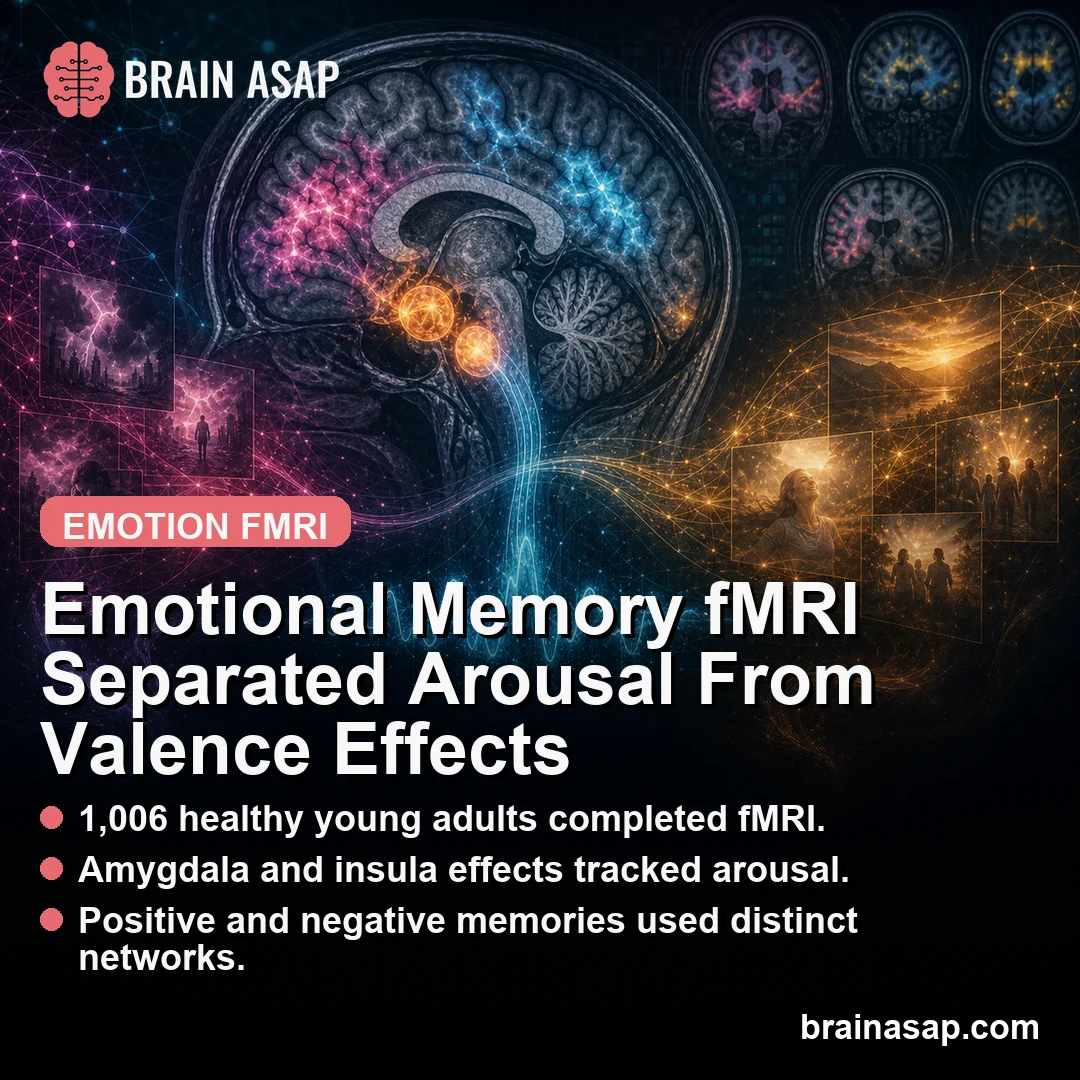
TL;DR: A 2026 Imaging Neuroscience functional MRI (fMRI) study found that emotional pictures were recalled better than neutral pictures, but amygdala and insula activity appeared tied mainly to arousal rather than whether memories were negative or positive. Ke…
Read article ↗
TL;DR: A 2026 PTSD neuroimaging and language-analysis study in Neuropsychopharmacology found that hippocampal activity encoded specific semantic content of traumatic and neutral autobiographical memories, while greater hippocampal sensitivity to autobiographic…
Read article ↗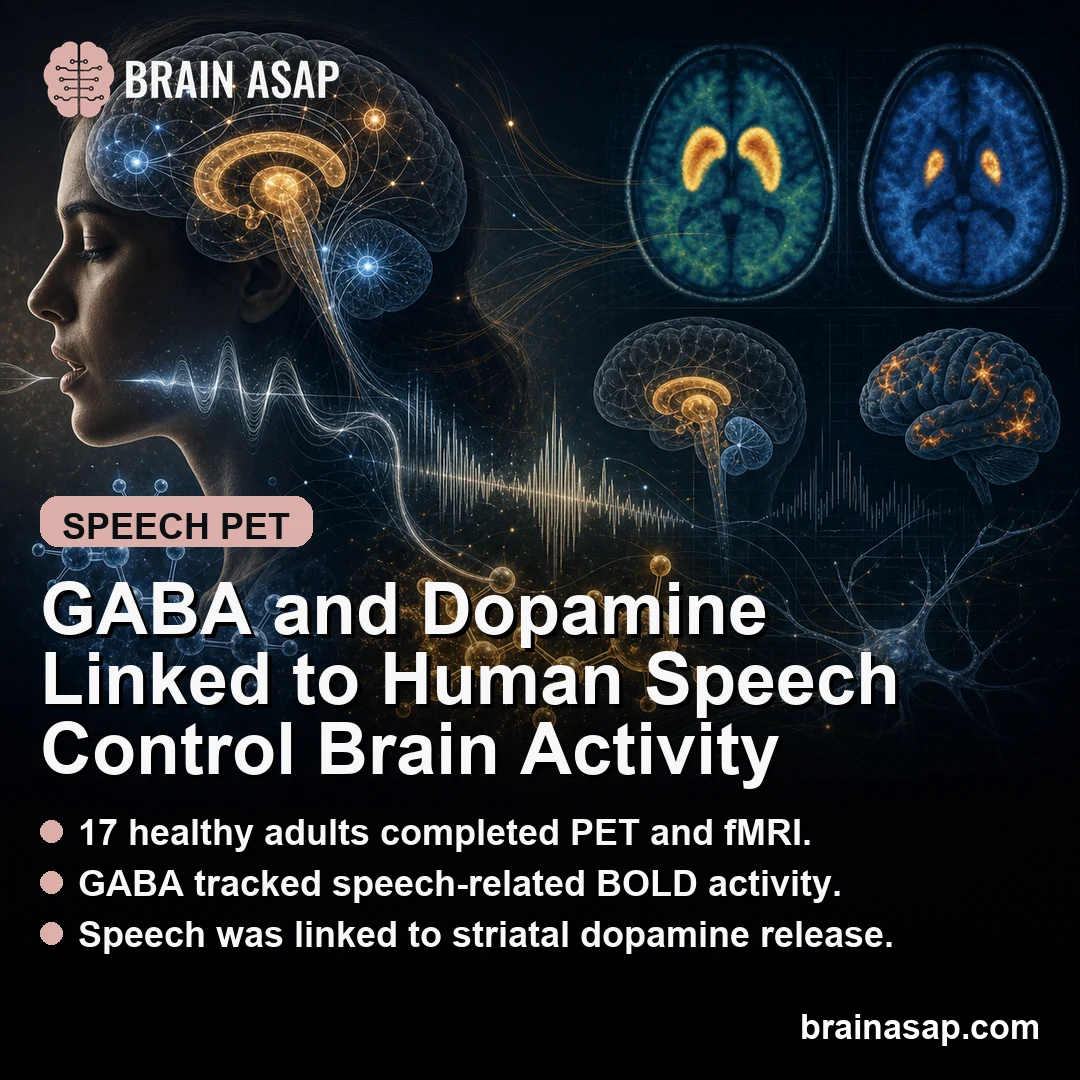
TL;DR: A 2026 Human Brain Mapping study combined PET receptor imaging with speech functional MRI, or fMRI, in healthy adults and found that GABA signaling and striatal dopamine release interacted with brain activity during human speech control. Key Findings PE…
Read article ↗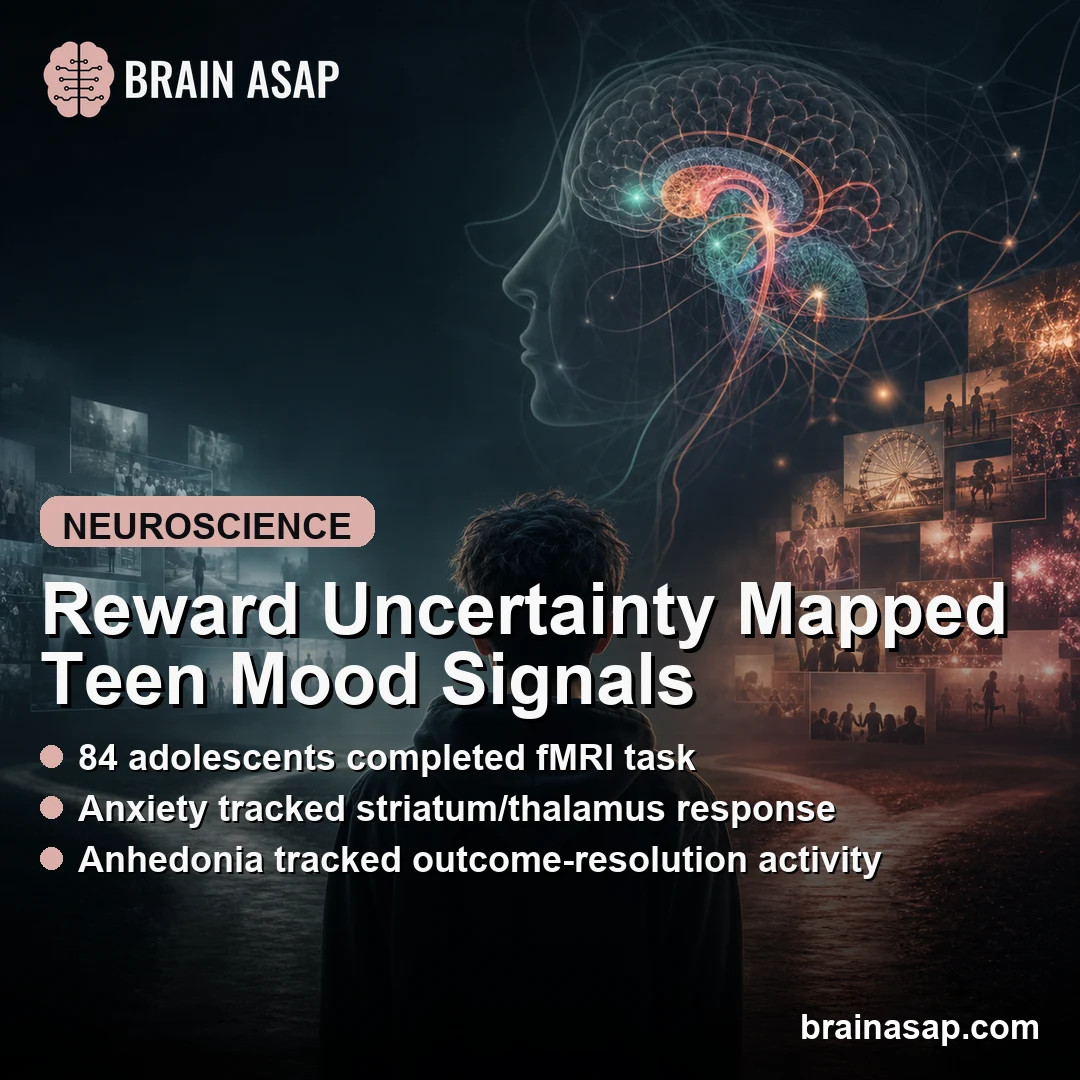
TL;DR: A 2026 study in Neuropsychopharmacology found that reward uncertainty, measured with functional MRI (fMRI), a brain-scan method, engaged different adolescent brain networks during waiting for a possible reward versus learning the outcome, with anxiety a…
Read article ↗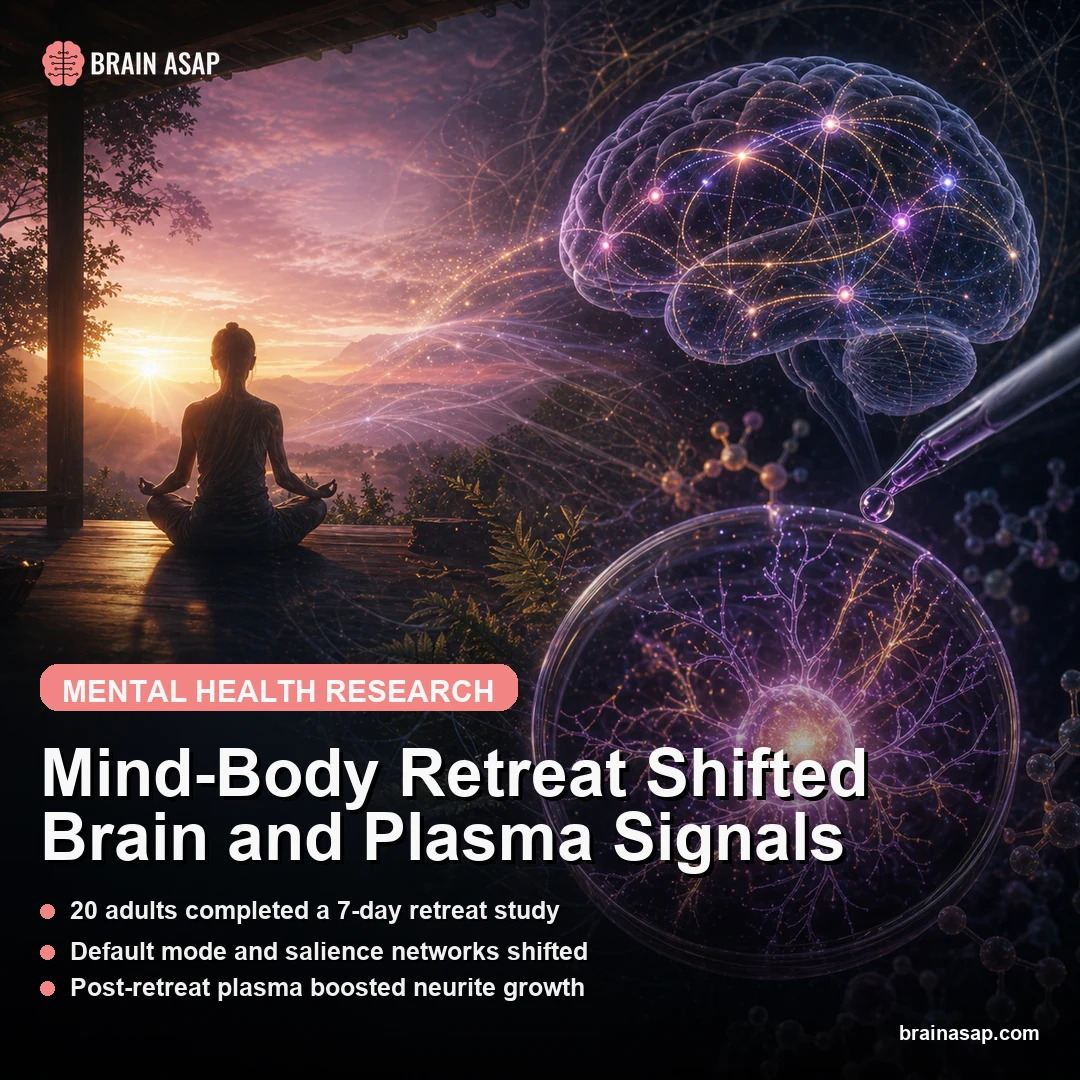
TL;DR: A 2025 study in Communications Biology found that a week-long mind-body retreat shifted brain-network, plasma-protein, metabolomic, and cell-growth measures, but the uncontrolled design keeps the result exploratory. Key Findings Healthy retreat attendee…
Read article ↗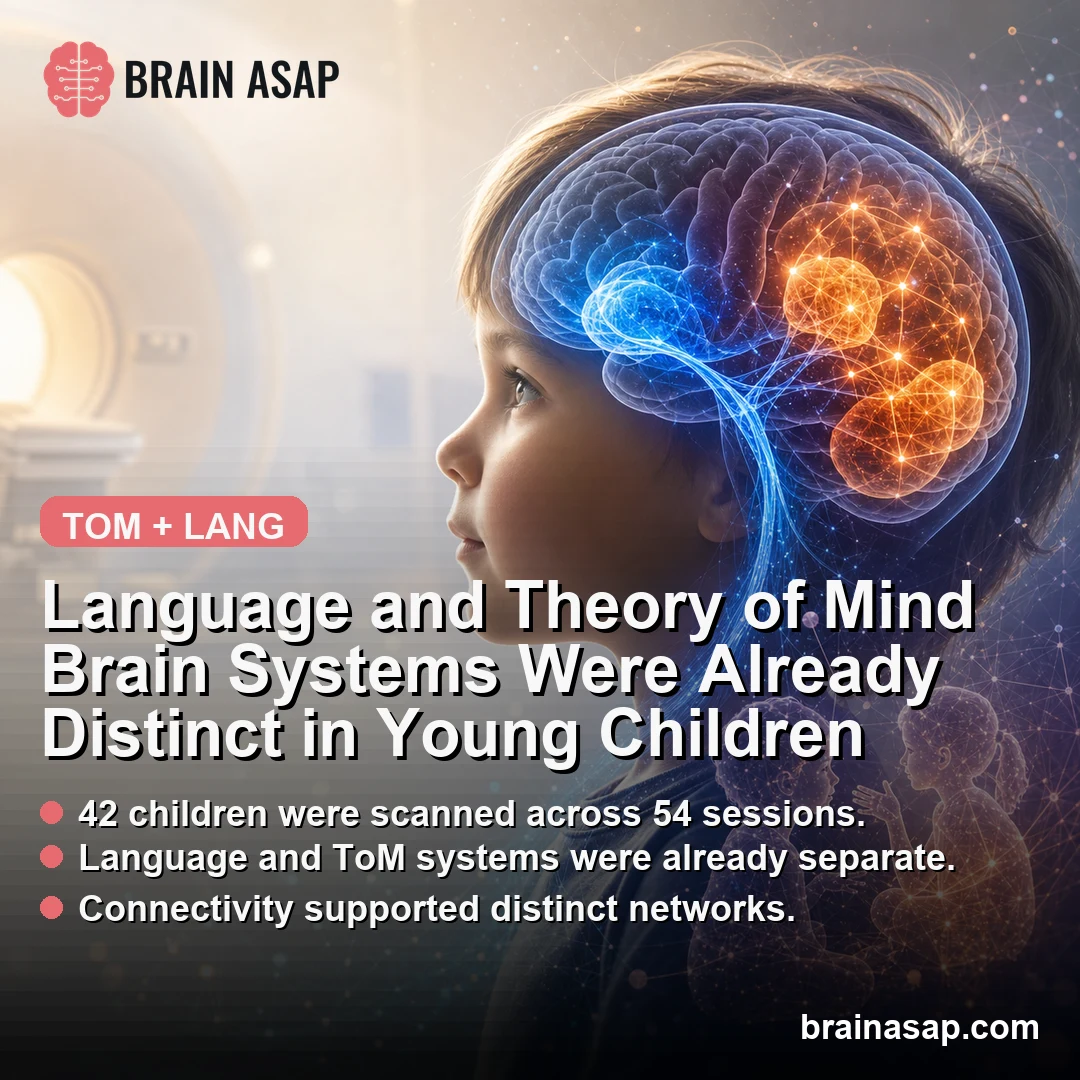
TL;DR: A 2026 Communications Biology fMRI study found that language and theory of mind, the ability to infer other people’s mental states, were already neurally distinct in children aged 3-9 rather than slowly separating during development. Key Findings Childr…
Read article ↗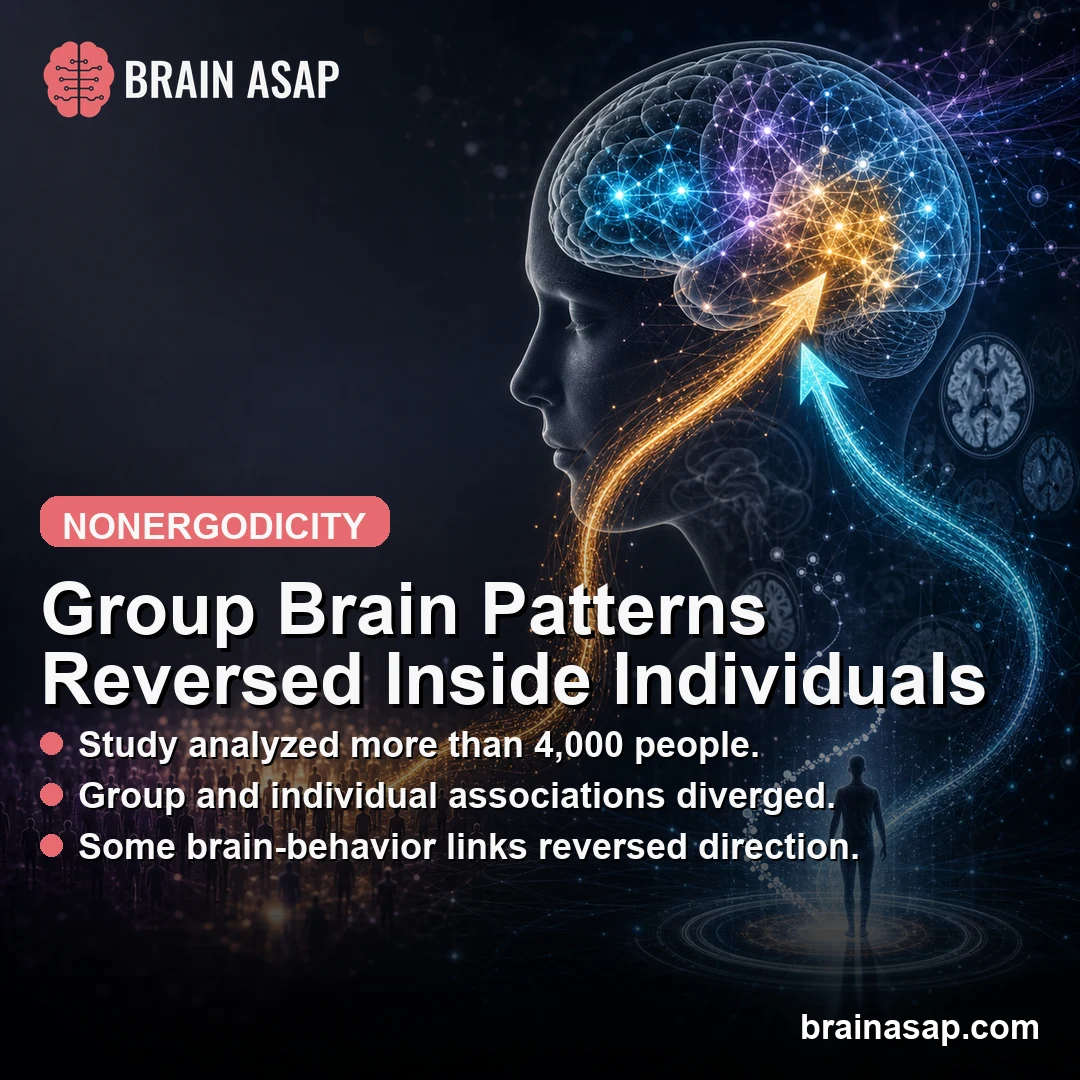
TL;DR: Across 4,000+ people, the relationship between brain activity and cognitive control flipped direction depending on whether researchers compared people to each other or tracked the same person over time. The finding is called nonergodicity — and it means…
Read article ↗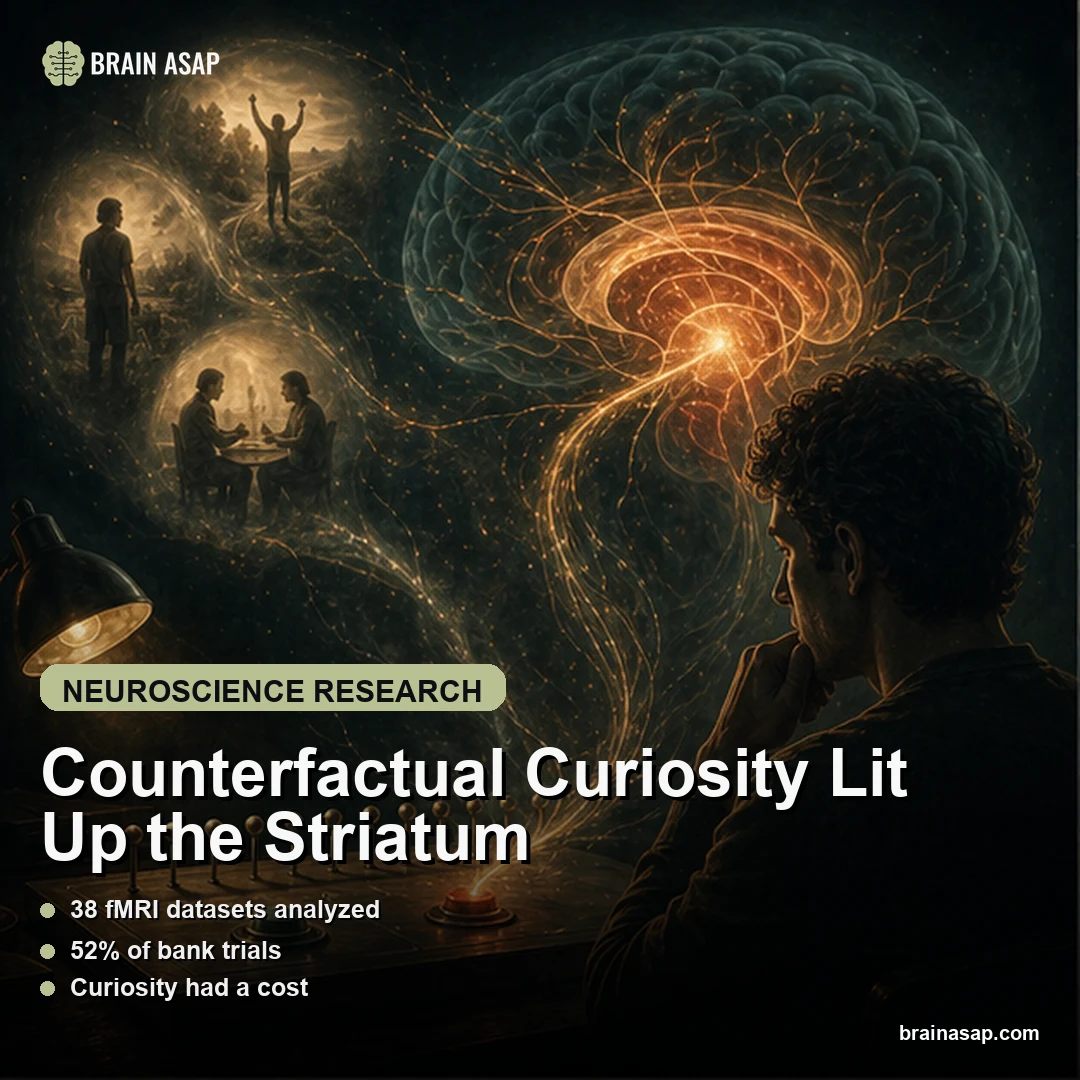
Counterfactual Curiosity Lit Up the Striatum TL;DR: People paid a waiting cost to reveal a missed payoff in a balloon task, and reward-related striatum activity tracked both the choice to know and the size of the missed opportunity. Key Findings Functional MRI…
Read article ↗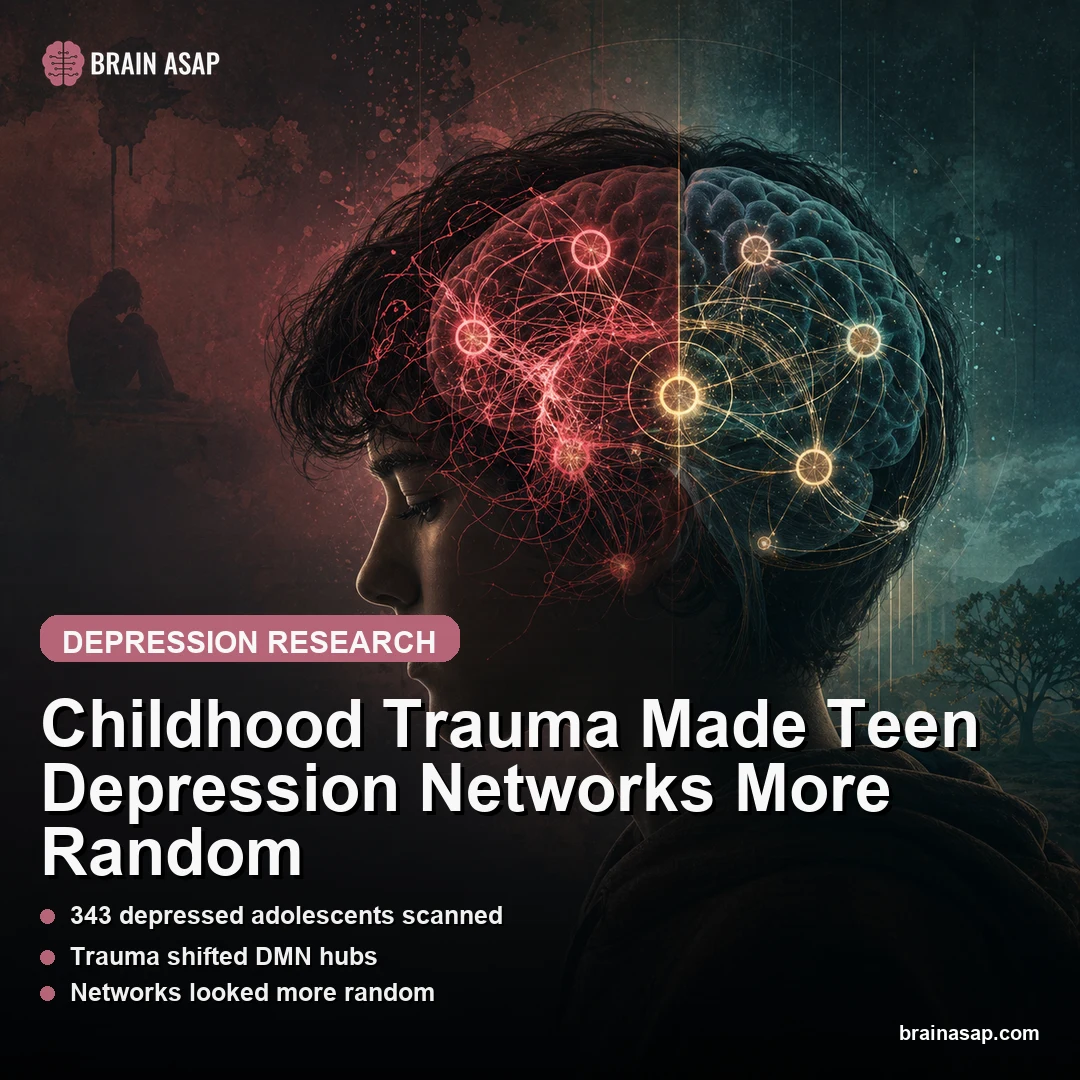
Childhood Trauma Made Teen Depression Networks More Random TL;DR: In 343 adolescents with major depression, childhood trauma was linked to less efficient brain-network organization, partial normalization after treatment, and an fMRI-based model that predicted…
Read article ↗