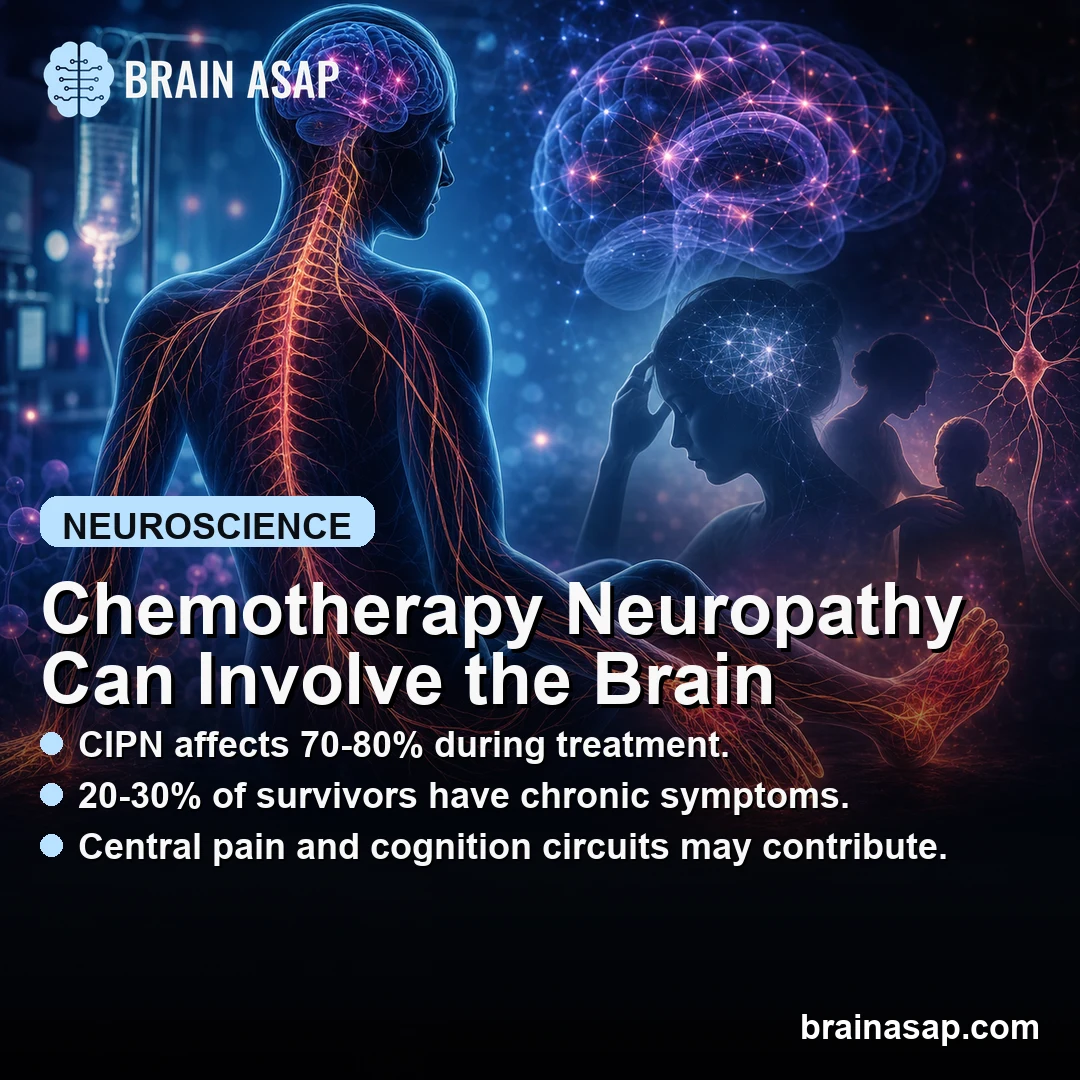
TL;DR: A 2026 review in Reviews in the Neurosciences argues that chemotherapy-induced peripheral neurotoxicity (CIPN), nerve injury from cancer treatment, can involve central nervous system changes that help explain chronic neuropathic pain and chemotherapy-re…
Read article ↗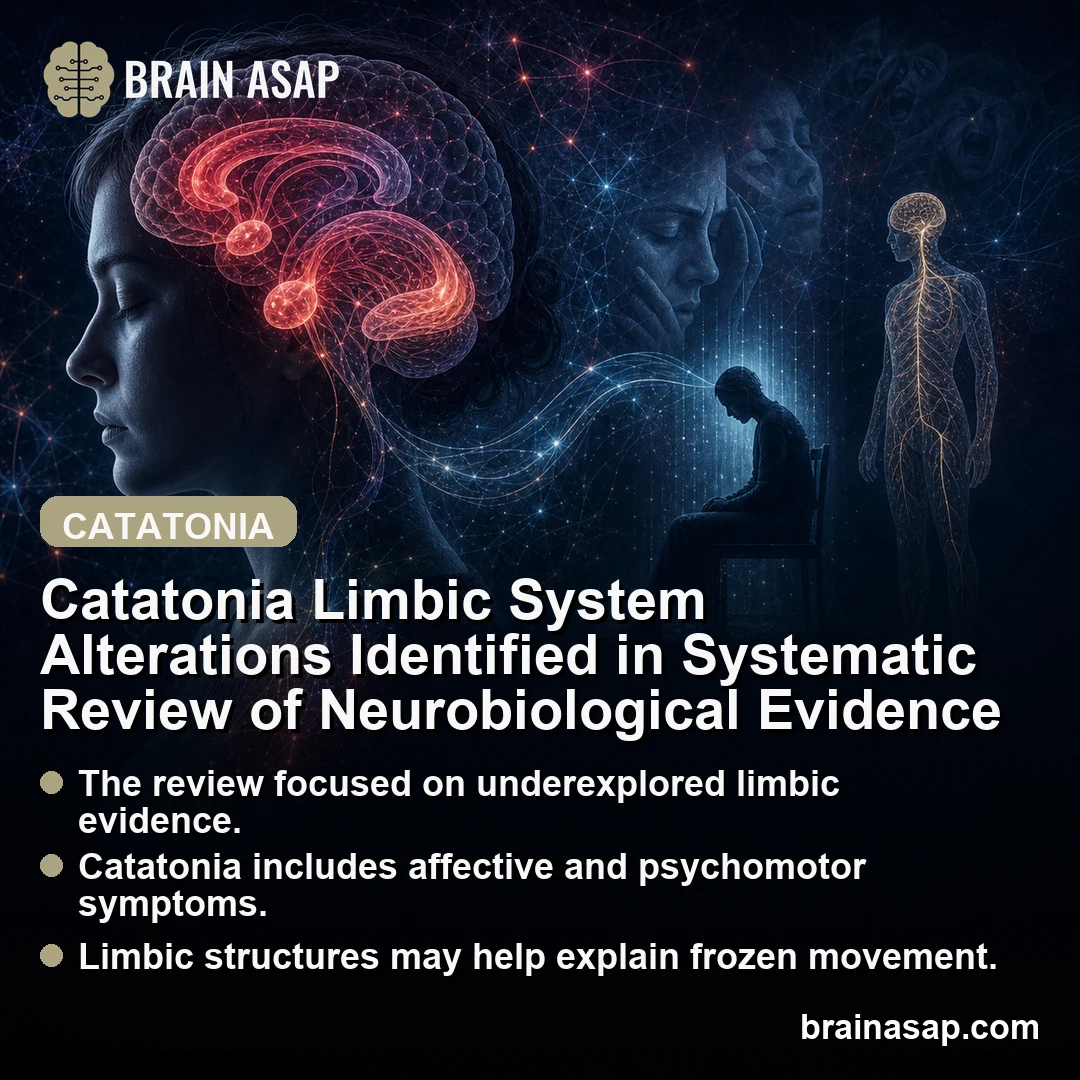
TL;DR: A 2026 systematic review in European Archives of Psychiatry and Clinical Neuroscience argues that catatonia, a syndrome of freezing, mutism, and abnormal movement, may involve underweighted limbic-system circuitry linking emotional regulation with motor…
Read article ↗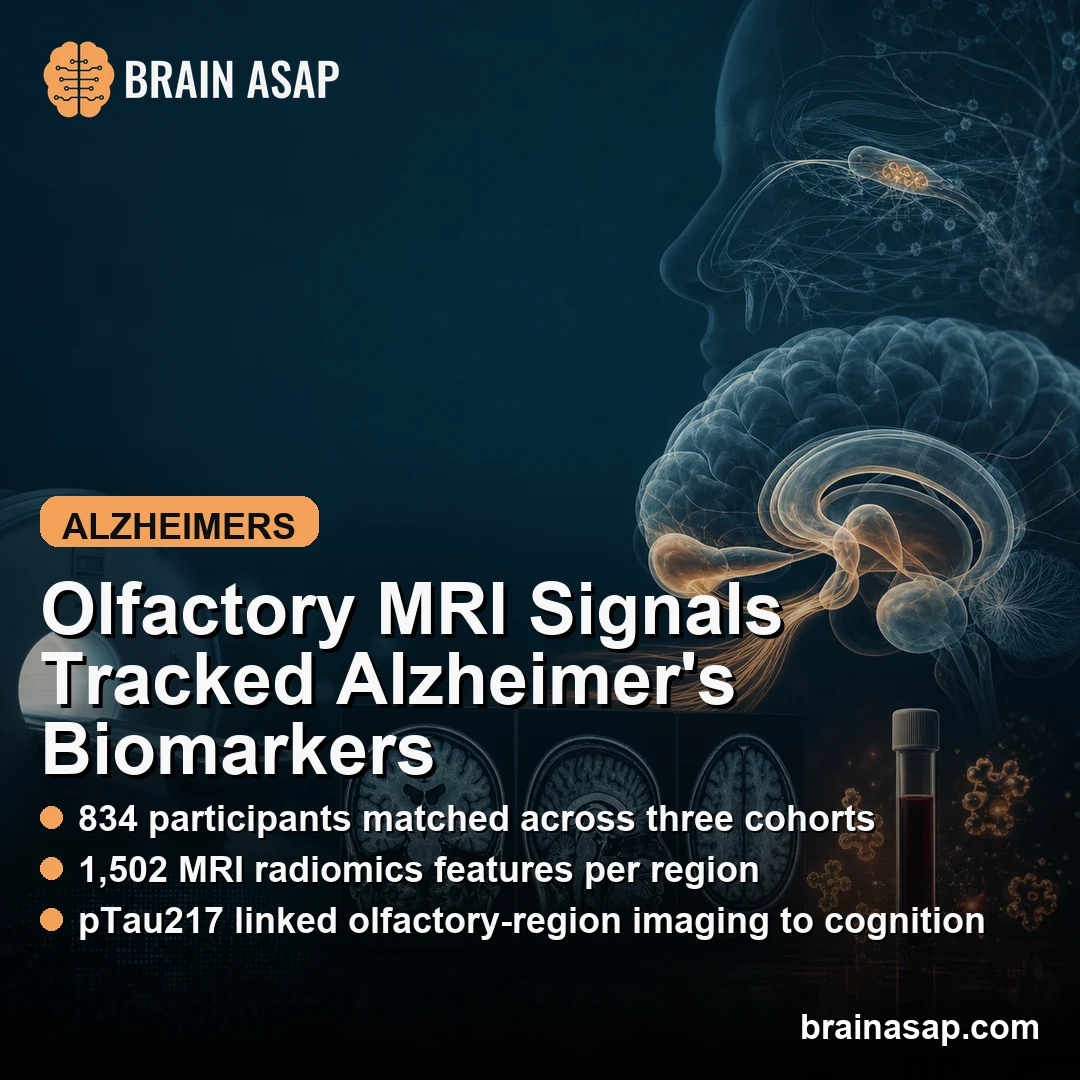
TL;DR: A 2026 article-in-press study in Alzheimer’s Research & Therapy found that olfactory-region MRI radiomics, a method that turns brain scans into quantitative texture and shape features, linked blood pTau217, a tau-related Alzheimer’s disease biomarker, w…
Read article ↗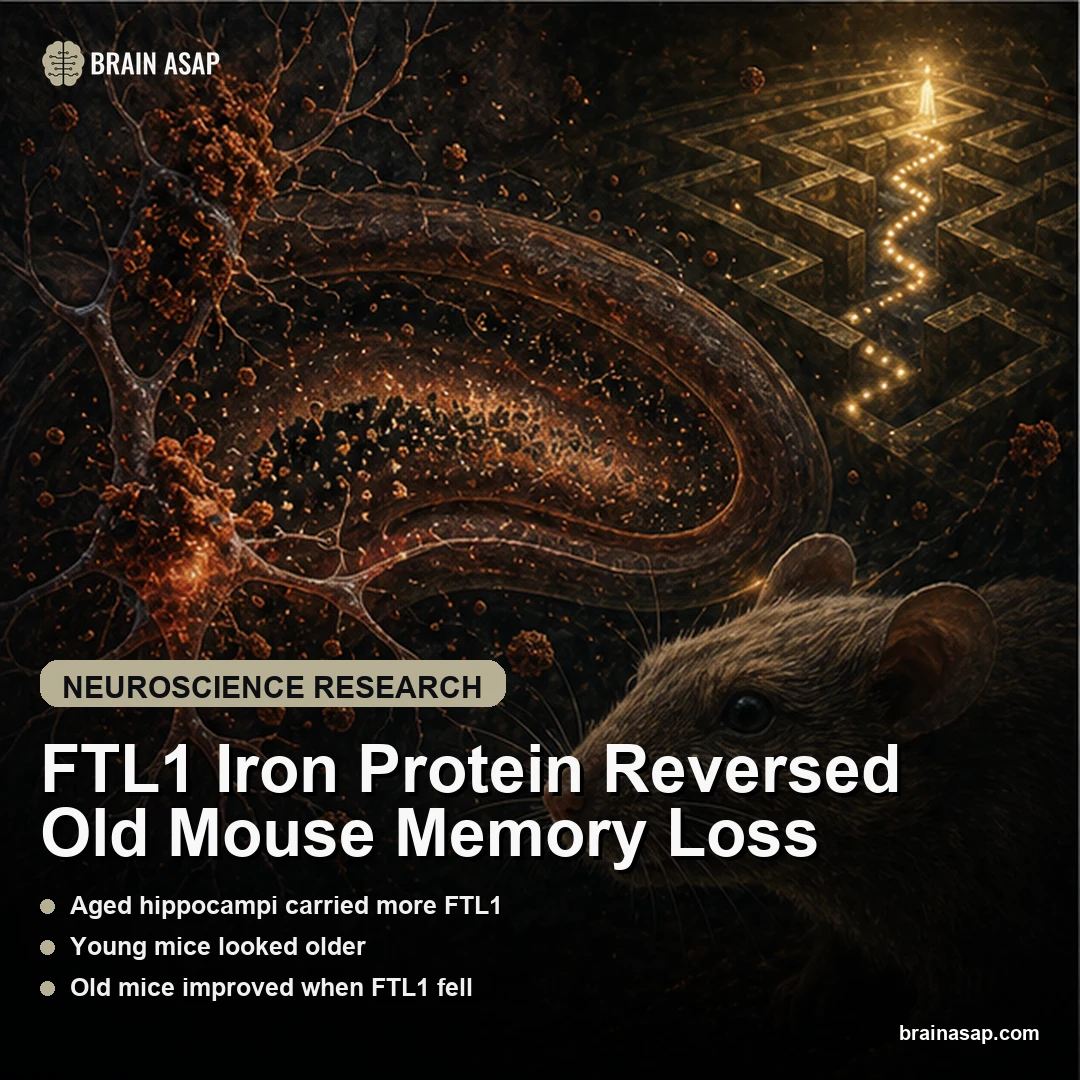
FTL1 Iron Protein Reversed Old Mouse Memory Loss TL;DR: In old mice, an iron-associated hippocampal protein called FTL1 rose with cognitive decline, made young brains look older when boosted, and improved old-mouse cognition when targeted. Key Findings Aged hi…
Read article ↗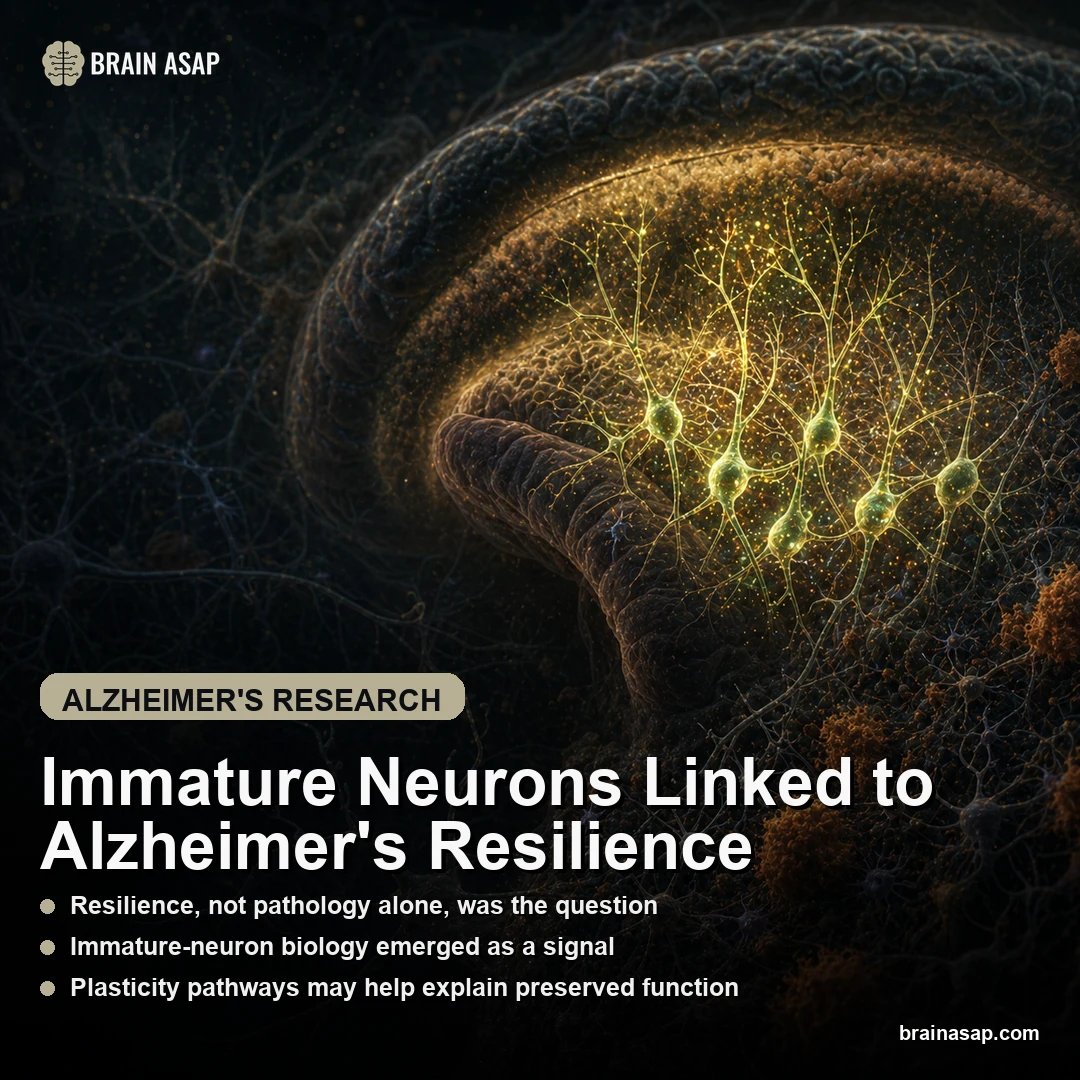
Immature Neurons Linked to Alzheimer’s Resilience TL;DR: A 2026 Cell Stem Cell study used single-nucleus RNA sequencing of aged human hippocampus tissue and found rare immature neurons in healthy, Alzheimer’s, and dementia-resilient brains. The important signa…
Read article ↗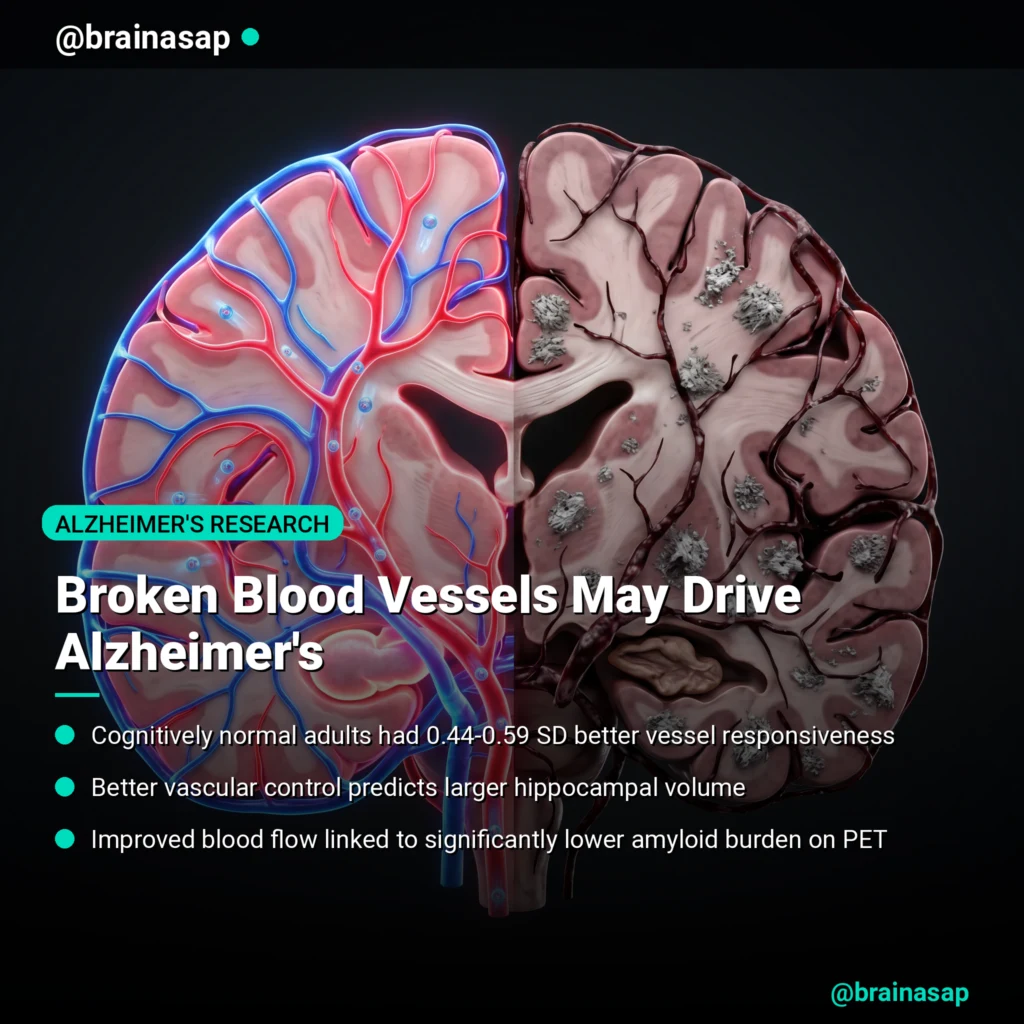
Broken Blood Vessels May Drive Alzheimer’s Decline TL;DR: A new study reveals that impaired cerebrovascular function—the brain’s ability to regulate blood flow—correlates strongly with Alzheimer’s symptoms, offering a potential non-invasive way to detect early…
Read article ↗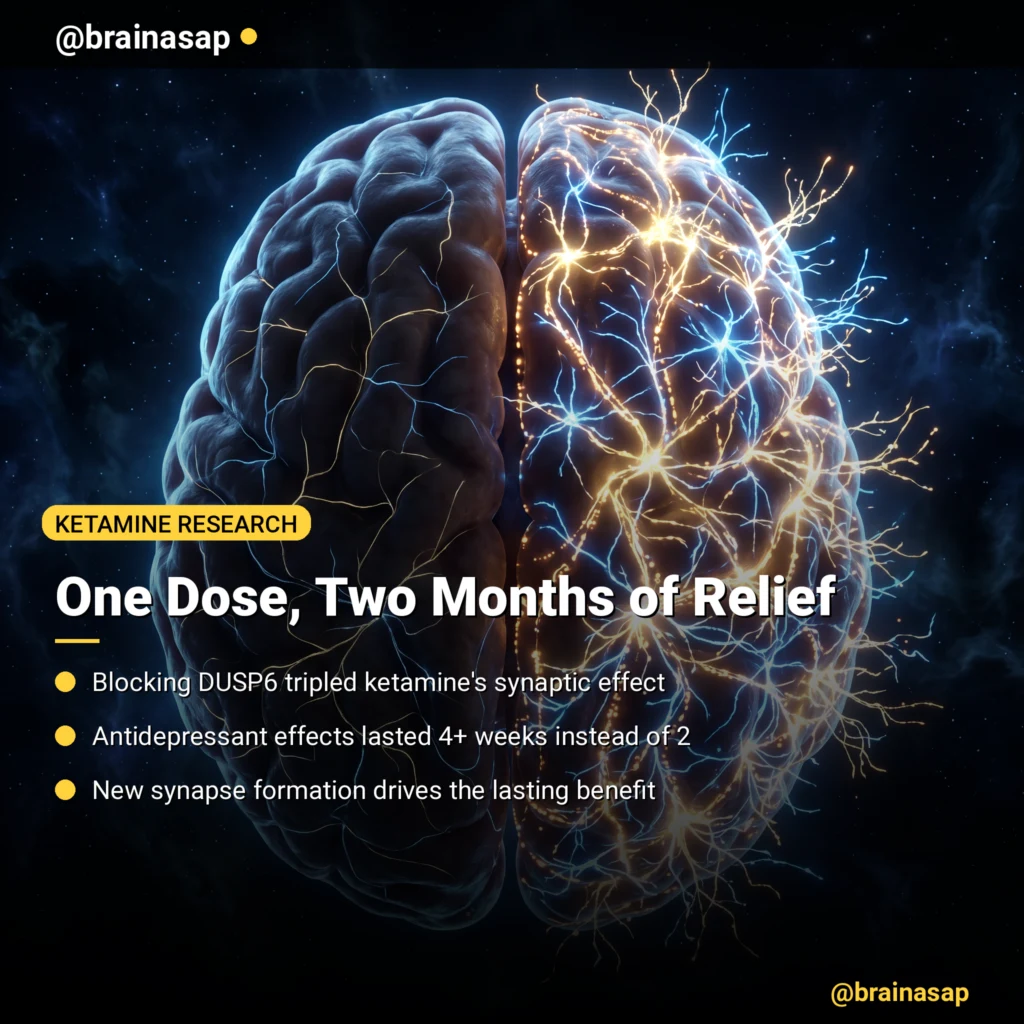
How Scientists Turned a Brief Ketamine High into a Two-Month Antidepressant Effect TL;DR: Blocking DUSP6 protein alongside ketamine extends antidepressant effects from 2 weeks to 4+ weeks in mice, potentially offering single-dose treatment instead of repeated…
Read article ↗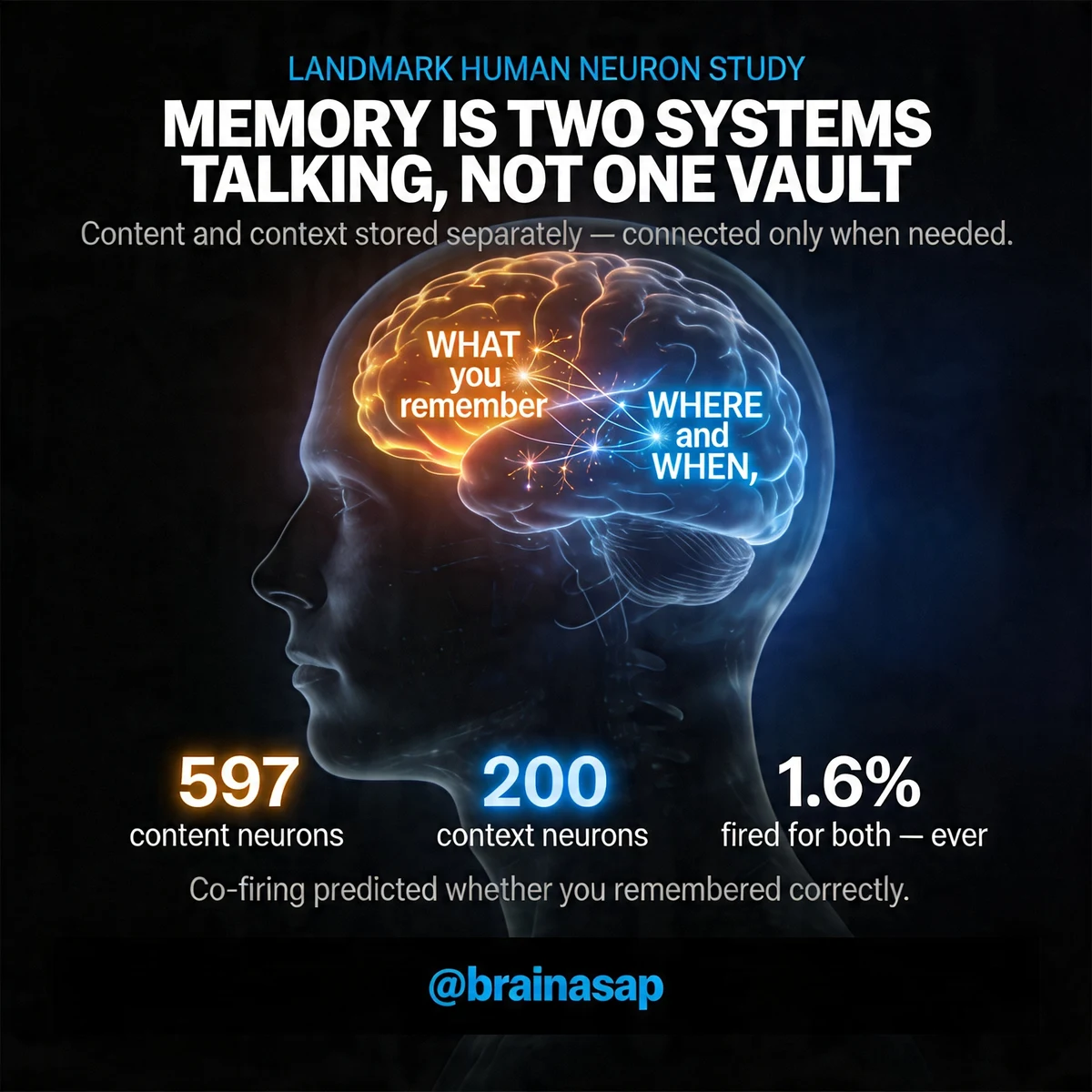
How the Brain Separates What We Remember from Why We Remember It TL;DR: The brain stores content (what you remember) and context (when/where) in separate neural populations linked by real-time coordination, not pre-wired conjunctive cells—a design that trades…
Read article ↗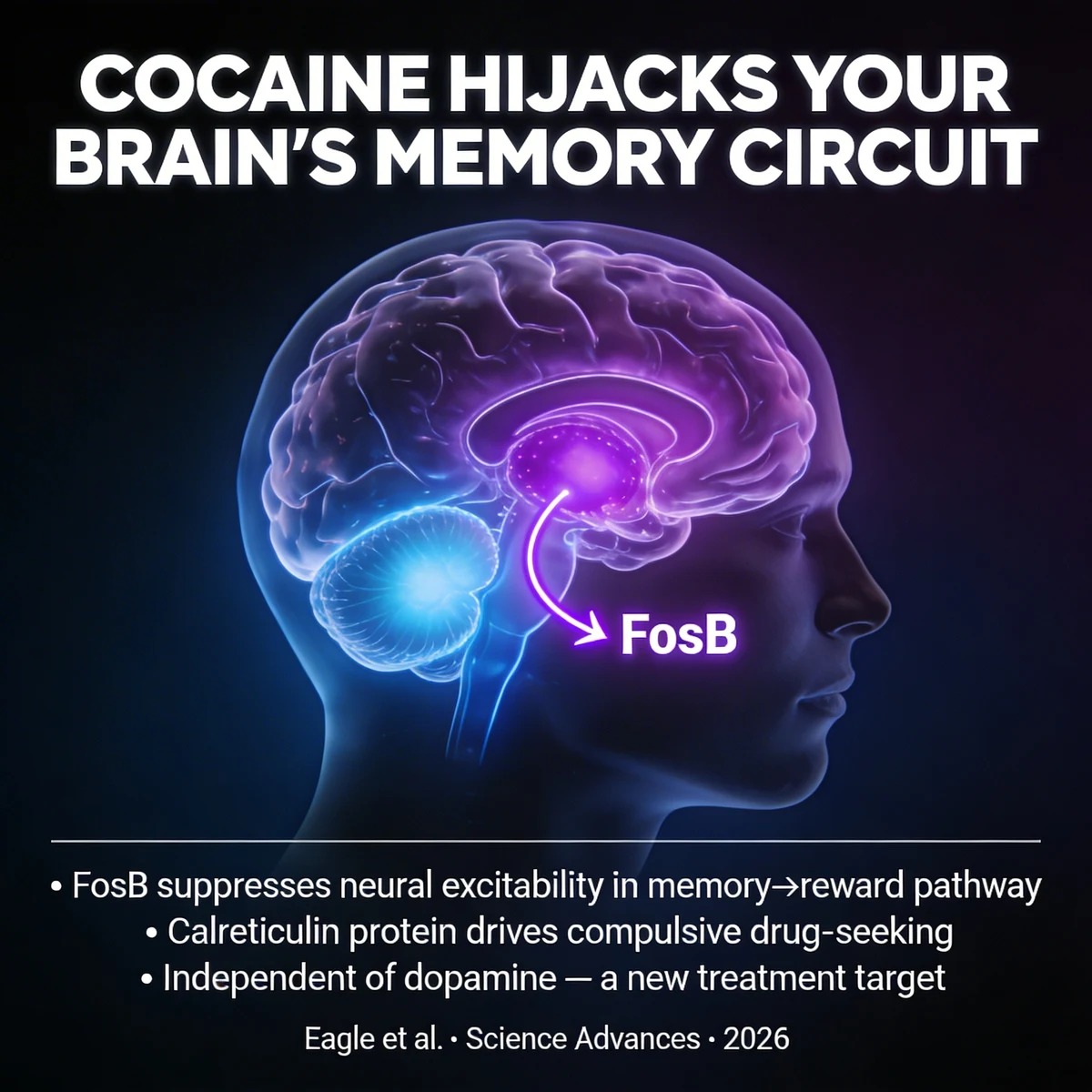
How Cocaine Rewires the Brain’s Reward Circuit TL;DR: Cocaine hijacks a transcription factor called FosB in a brain circuit connecting the hippocampus to the nucleus accumbens, suppressing neural excitability and driving compulsive drug-seeking behavior—a mech…
Read article ↗
A study found shared brain-specific mechanisms between Alzheimer’s disease (AD) and depression, particularly involving synaptic signaling and immune system pathways in the hippocampus, but no direct genetic overlap. Highlights: Six brain-specific eQTL genes (S…
Read article ↗