TL;DR: A 2026 study in Neuropsychopharmacology found that 30 mg 2C-B produced acute subjective effects in healthy adults that were similar in overall intensity to 125 mg MDMA, shorter and less distressing than 25 mg psilocybin, and less cardiovascularly stimul…
Read article ↗
TL;DR: A 2026 Neuropsychopharmacology study of 11,036 ABCD participants found youth who initiated cannabis use showed flatter cognitive-development trajectories from ages 9 to 17, with hair-detected THC linked to worse episodic-memory change. Key Findings 11,0…
Read article ↗
TL;DR: A 2026 paper in Neuropsychopharmacology argued that cannabidiol (CBD), a non-intoxicating cannabis compound, has plausible psychiatric and neurological uses, but clinical claims need standardized products, exposure tracking, and safety monitoring before…
Read article ↗
TL;DR: A 2026 rat study in Neuropsychopharmacology reported that repeated semaglutide treatment reduced cocaine-vs-food choice in male and female rats, supporting further clinical testing for cocaine use disorder rather than proving human benefit. Key Findings…
Read article ↗
TL;DR: A 2026 study in Neuropsychopharmacology found that decision-making measures from a stop-signal task, especially evidence accumulation, predicted cigarette and cannabis use better than stop-signal reaction time (SSRT), a common estimate of response inhib…
Read article ↗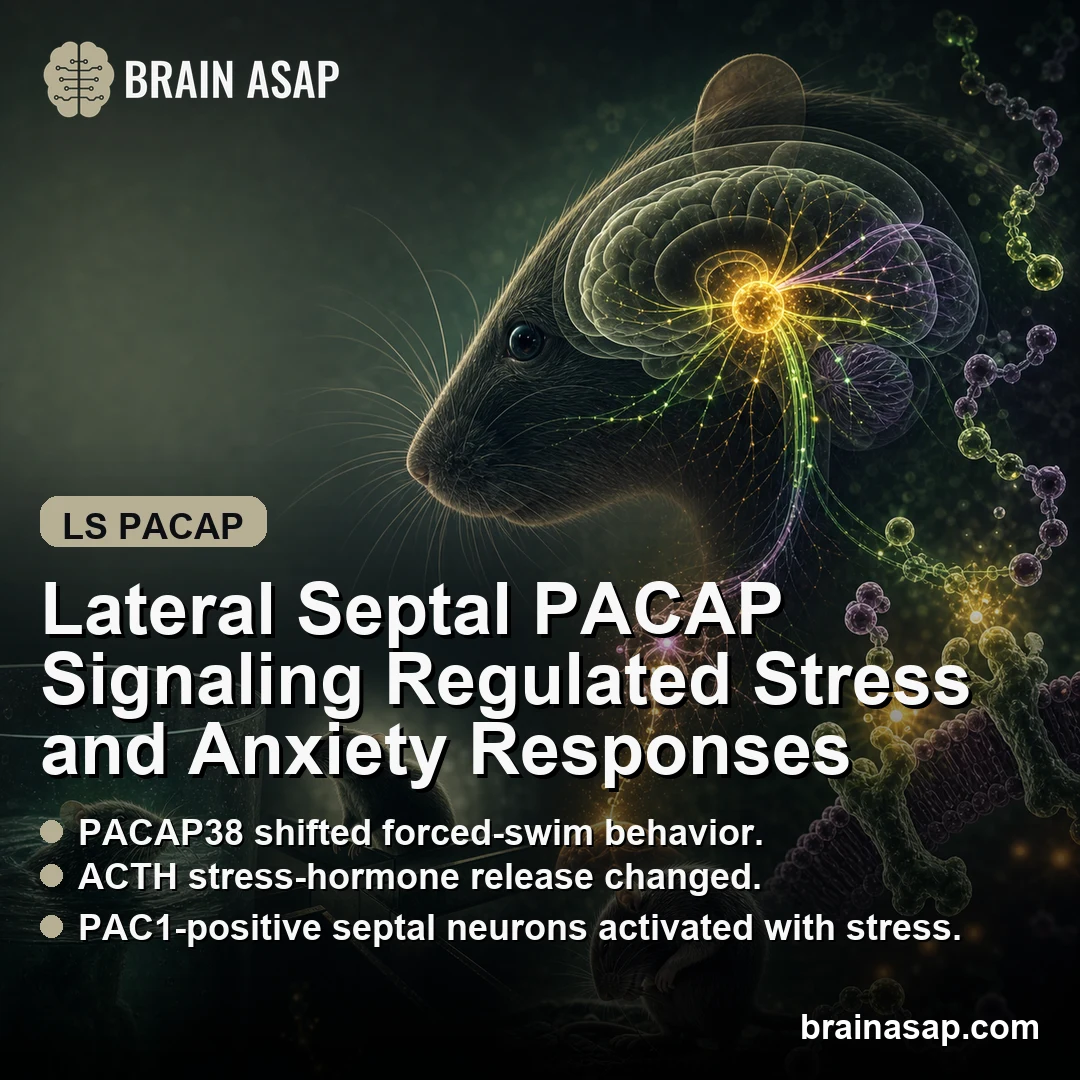
TL;DR: A 2026 rat study in Neuropsychopharmacology found that PACAP/PAC1 signaling in the lateral septum changed forced-swim coping, ACTH stress-hormone release, open-arm exploration, and grooming behavior. Key Findings Stress changed PACAP signals by brain re…
Read article ↗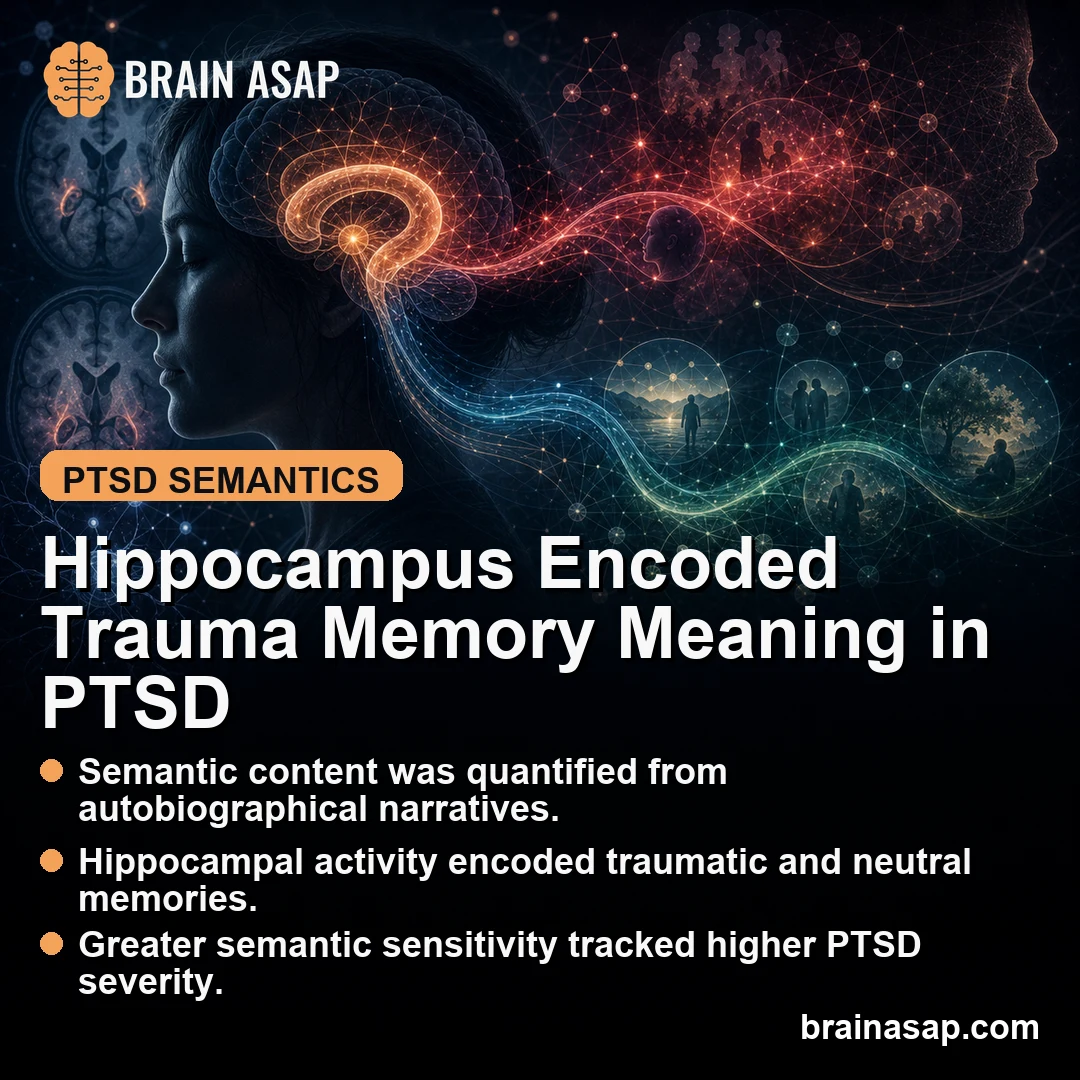
TL;DR: A 2026 PTSD neuroimaging and language-analysis study in Neuropsychopharmacology found that hippocampal activity encoded specific semantic content of traumatic and neutral autobiographical memories, while greater hippocampal sensitivity to autobiographic…
Read article ↗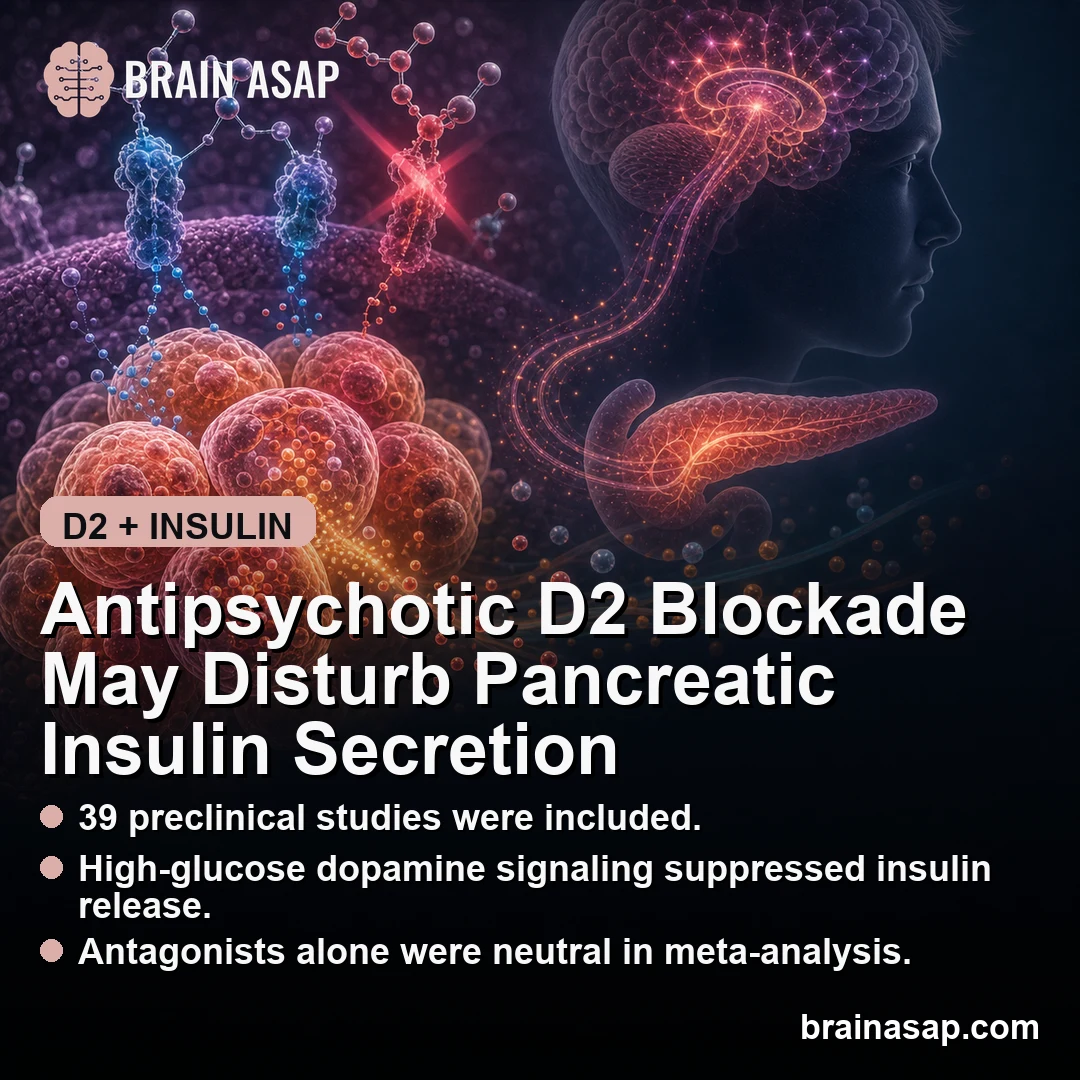
TL;DR: A 2026 systematic review and meta-analysis in Neuropsychopharmacology found that dopamine D2-like receptor activation suppressed glucose-stimulated insulin secretion (GSIS), insulin release after high glucose, in animal pancreatic cells, suggesting one…
Read article ↗