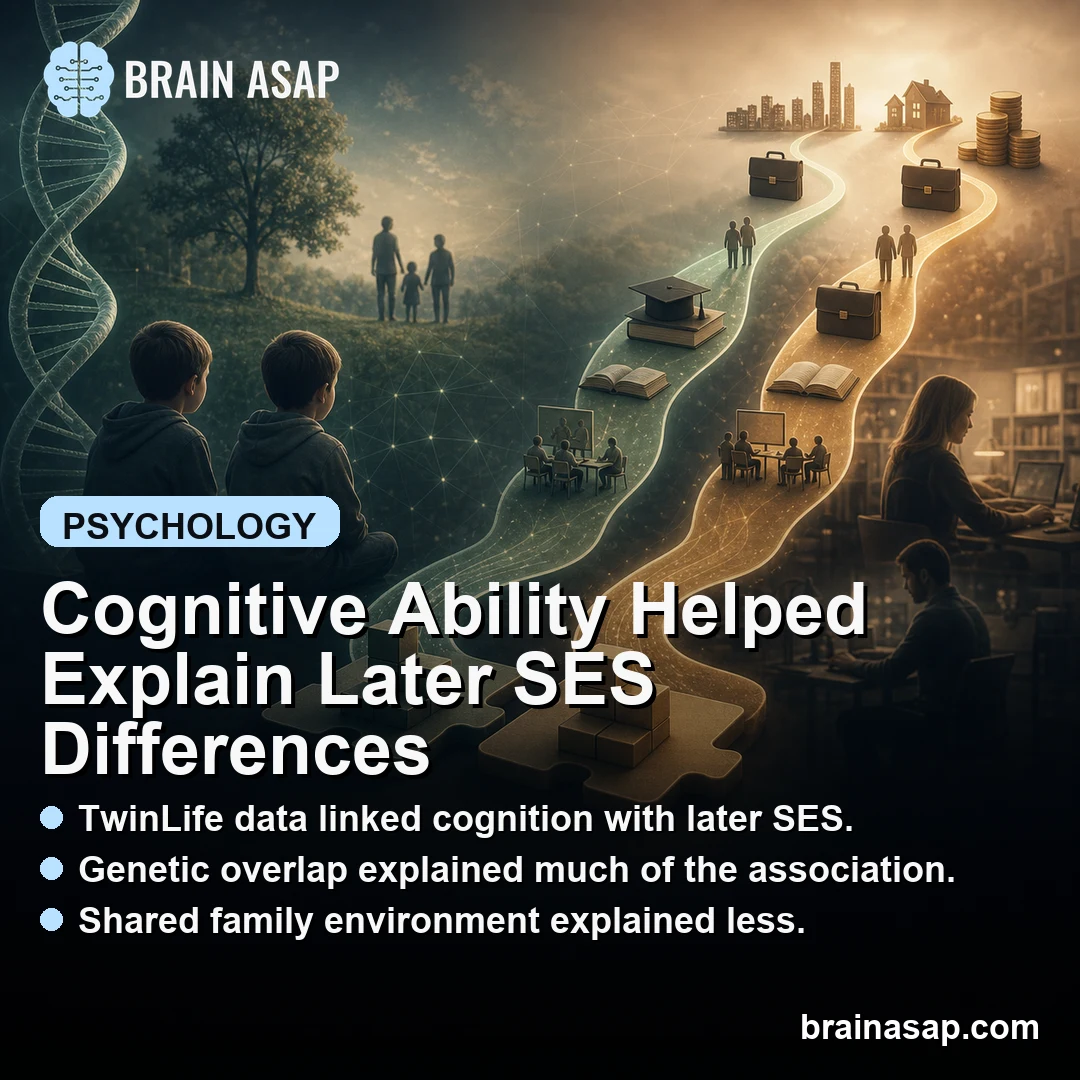
TL;DR: A 2026 study in Scientific Reports used the German TwinLife panel (228 monozygotic and 212 same-sex dizygotic twin pairs) to show that intelligence quotient (IQ) at age 23 predicted four socioeconomic status (SES) outcomes at age 27, with genetic factor…
Read article ↗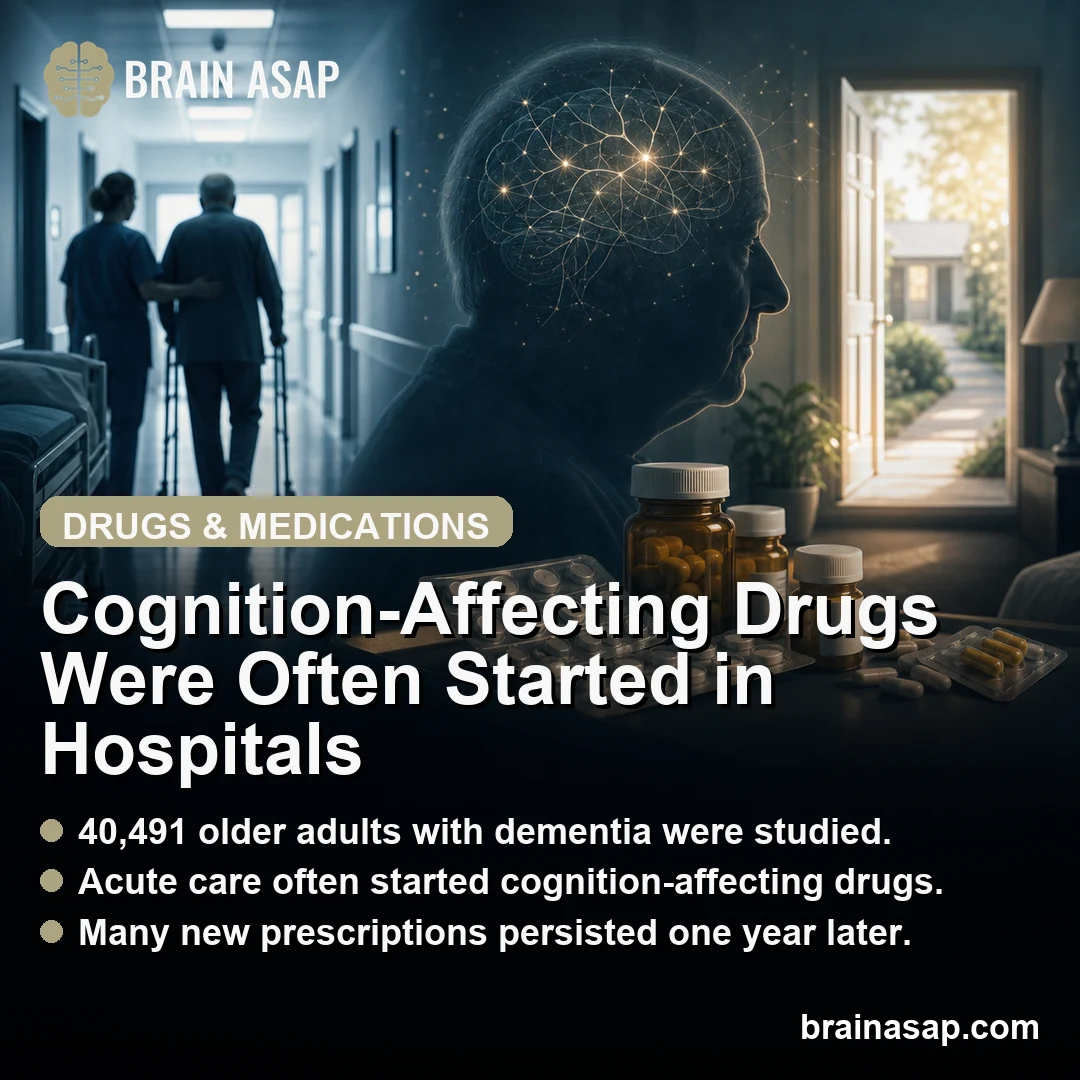
TL;DR: A 2026 study in JAMA Network Open analyzed Medicare claims for adults 66+ from 2008 to 2021 and found that cognition-altering medications — antipsychotics, benzodiazepines, hypnotics, anticholinergics — were disproportionately initiated in emergency roo…
Read article ↗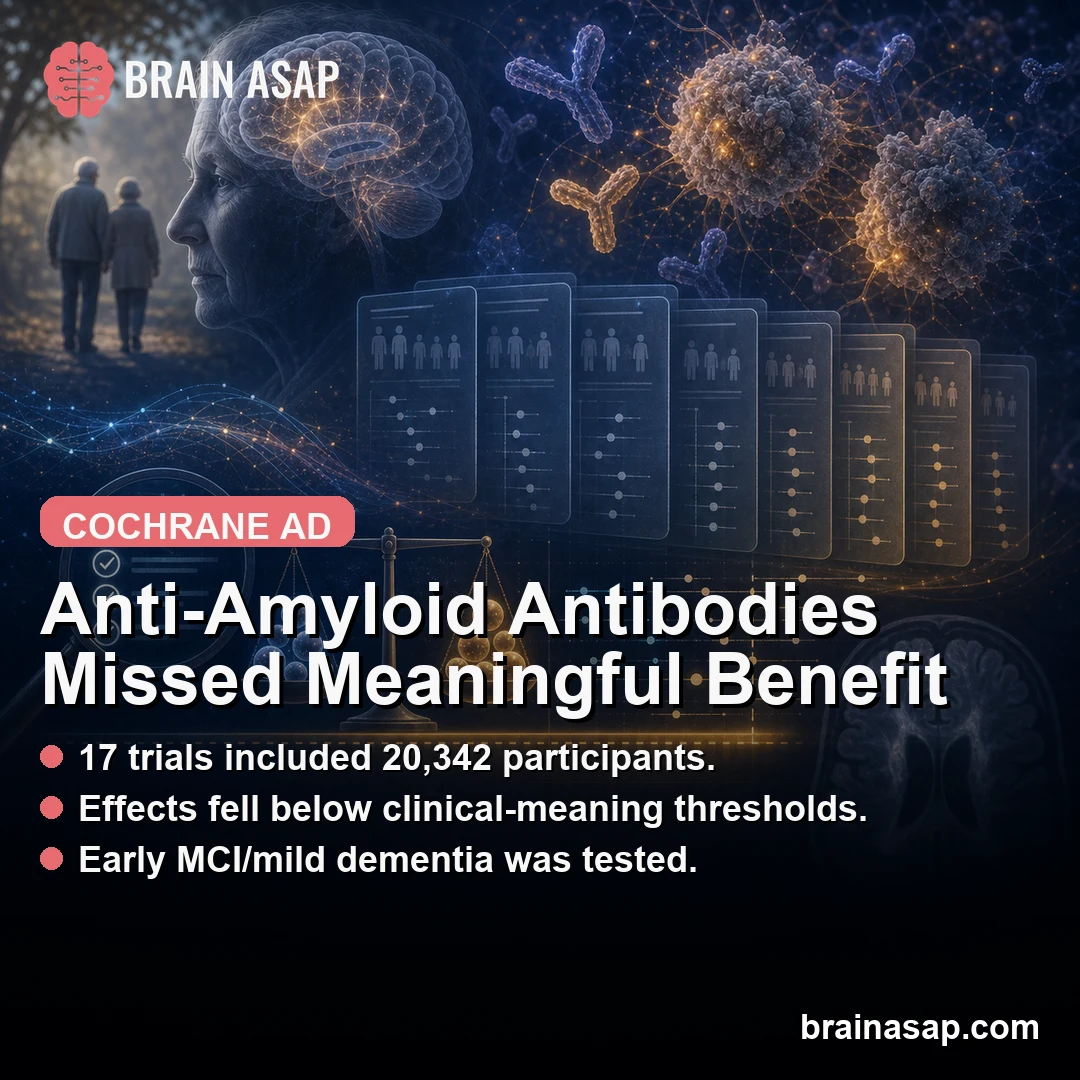
TL;DR: A 2026 systematic review in The Cochrane Database of Systematic Reviews pooled 17 trials of anti-amyloid monoclonal antibodies (N=20,342 people with mild cognitive impairment or mild Alzheimer’s dementia) and concluded that any effect on memory decline…
Read article ↗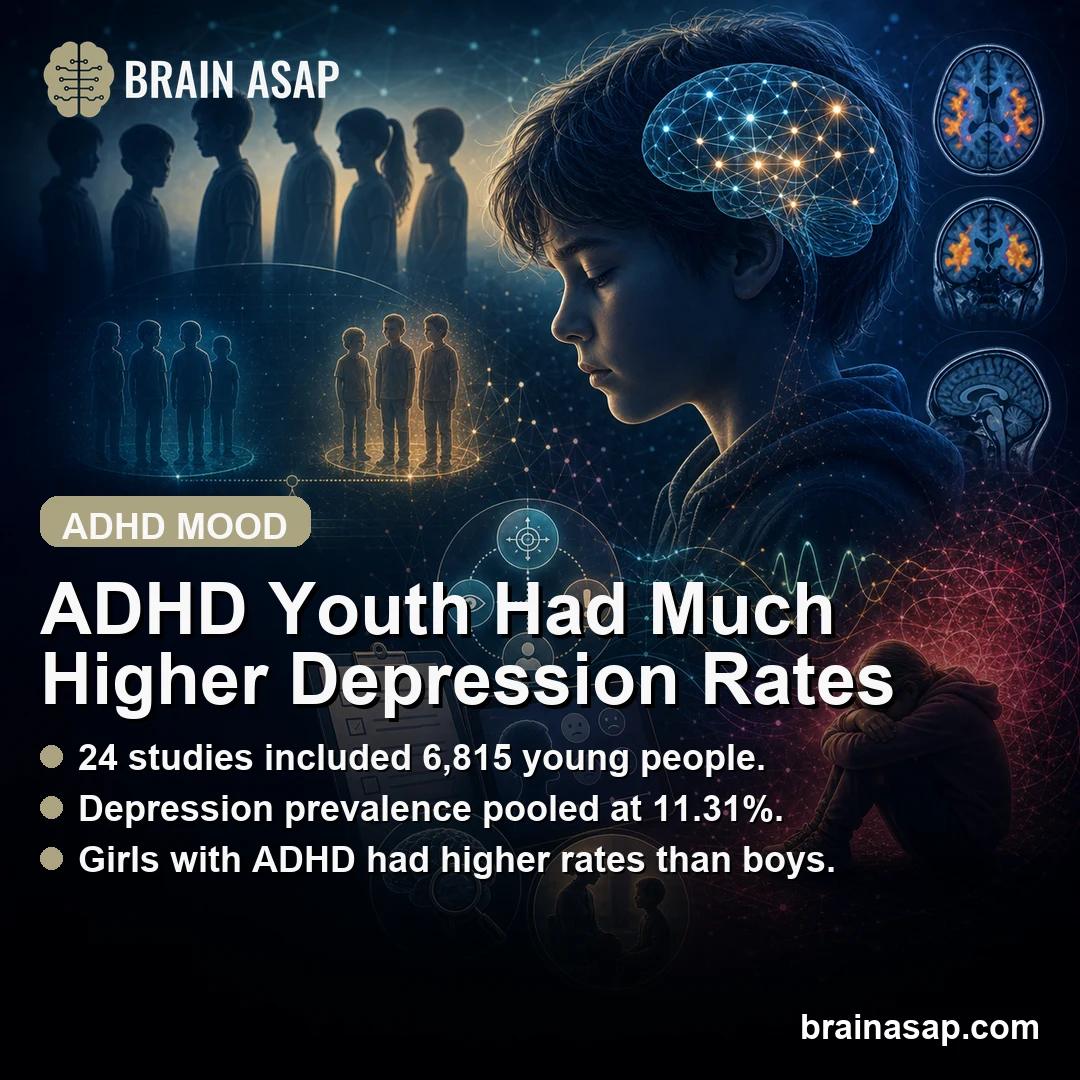
TL;DR: A 2025 meta-analysis in the Journal of Attention Disorders pooled 24 studies (N=6,815) and estimated that 11.31% of children and adolescents with ADHD had co-occurring depression — about six times the rate seen in neurotypical peers in head-to-head case…
Read article ↗
TL;DR: A 2026 Mendelian randomization study in Progress in Neuro-Psychopharmacology & Biological Psychiatry used genetic data to test direction of effect between brain structure and neurodevelopmental conditions, and found that increased surface area in the su…
Read article ↗
TL;DR: A 2026 Communications Biology fMRI study found that language and theory of mind, the ability to infer other people’s mental states, were already neurally distinct in children aged 3-9 rather than slowly separating during development. Key Findings Childr…
Read article ↗
TL;DR: A 2024 Gastroenterology study found that intestinal epithelial serotonin reduced anxiety- and depression-like behavior in mice through vagal signaling, while prenatal SSRI exposure in a human cohort predicted infant functional constipation independent o…
Read article ↗
TL;DR: A 2026 mouse study in iScience found that anesthetic emergence slowed sharply below 31.9°C because two hypothalamic thermoregulatory pathways pushed anesthesia in opposite directions: preoptic BDNF neurons deepened anesthesia, while a dorsomedial-hypoth…
Read article ↗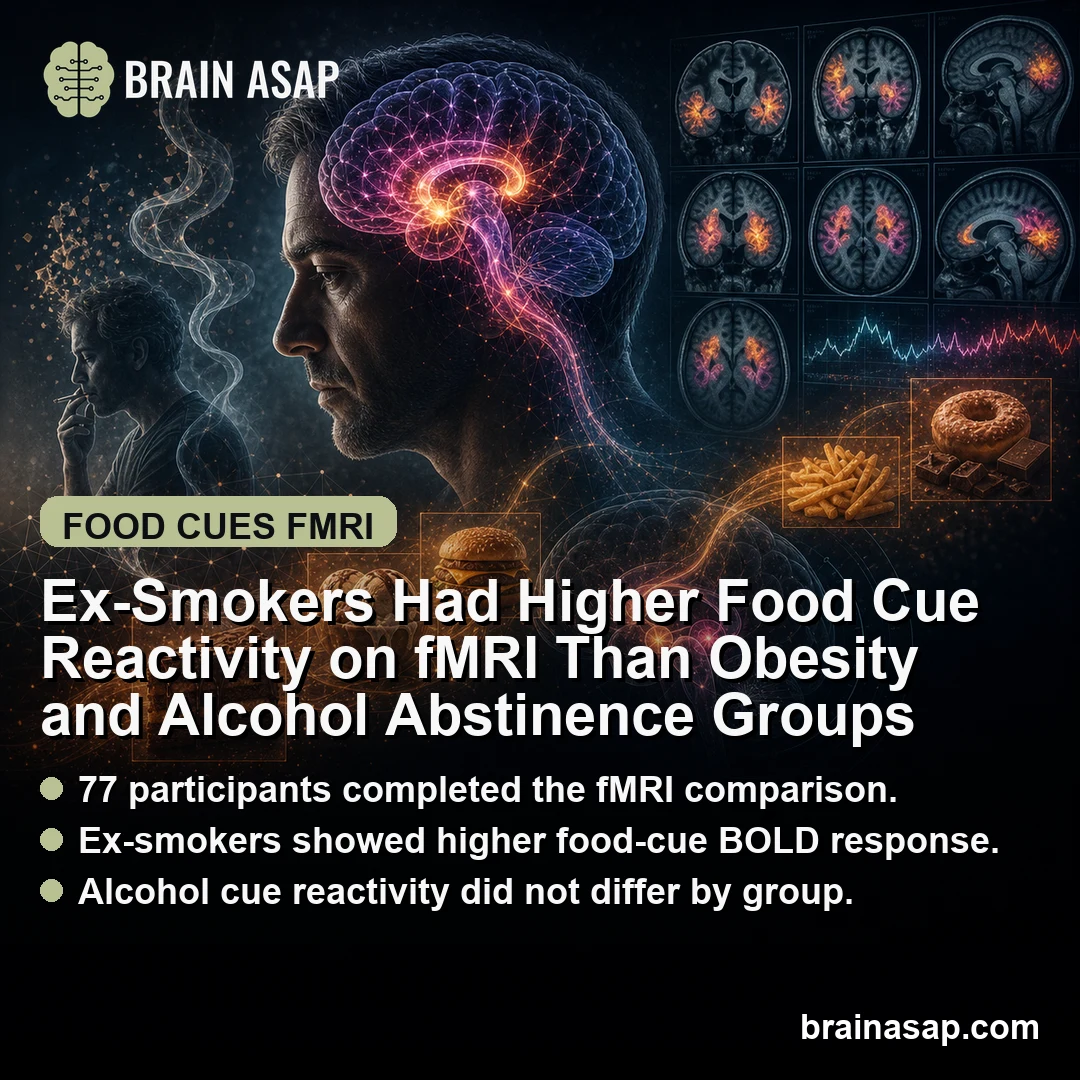
TL;DR: A 2026 medRxiv preprint found that ex-smokers had higher fMRI blood oxygen level dependent (BOLD) responses to high-energy food pictures than adults with obesity or abstinent alcohol dependence, suggesting a brain reward route for post-quitting weight g…
Read article ↗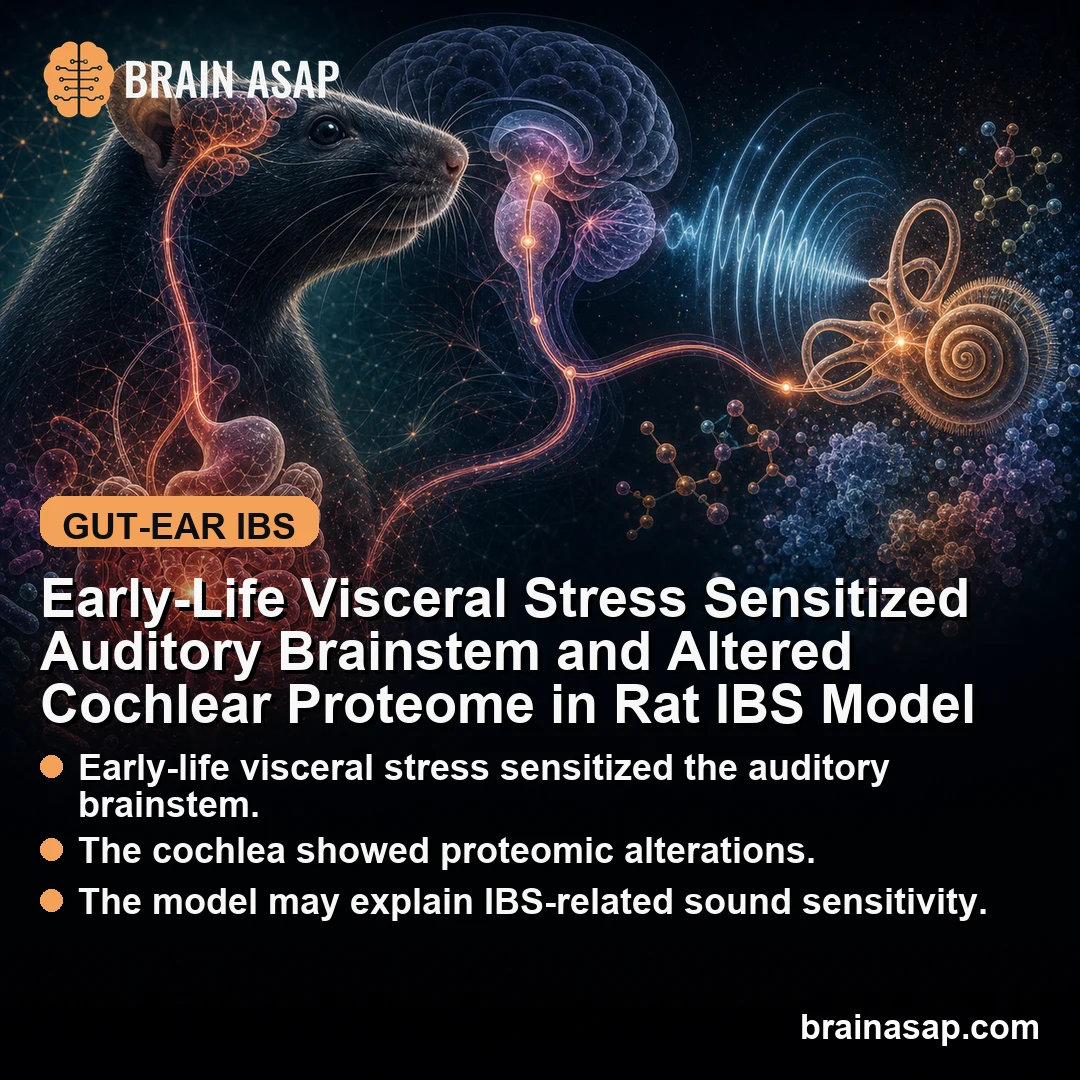
TL;DR: A 2026 rat study in Neurobiology of Stress found that early-life visceral stress produced adult IBS-like symptoms alongside auditory brainstem sensitization and cochlear protein changes, giving a mechanistic explanation for sound sensitivity reported by…
Read article ↗