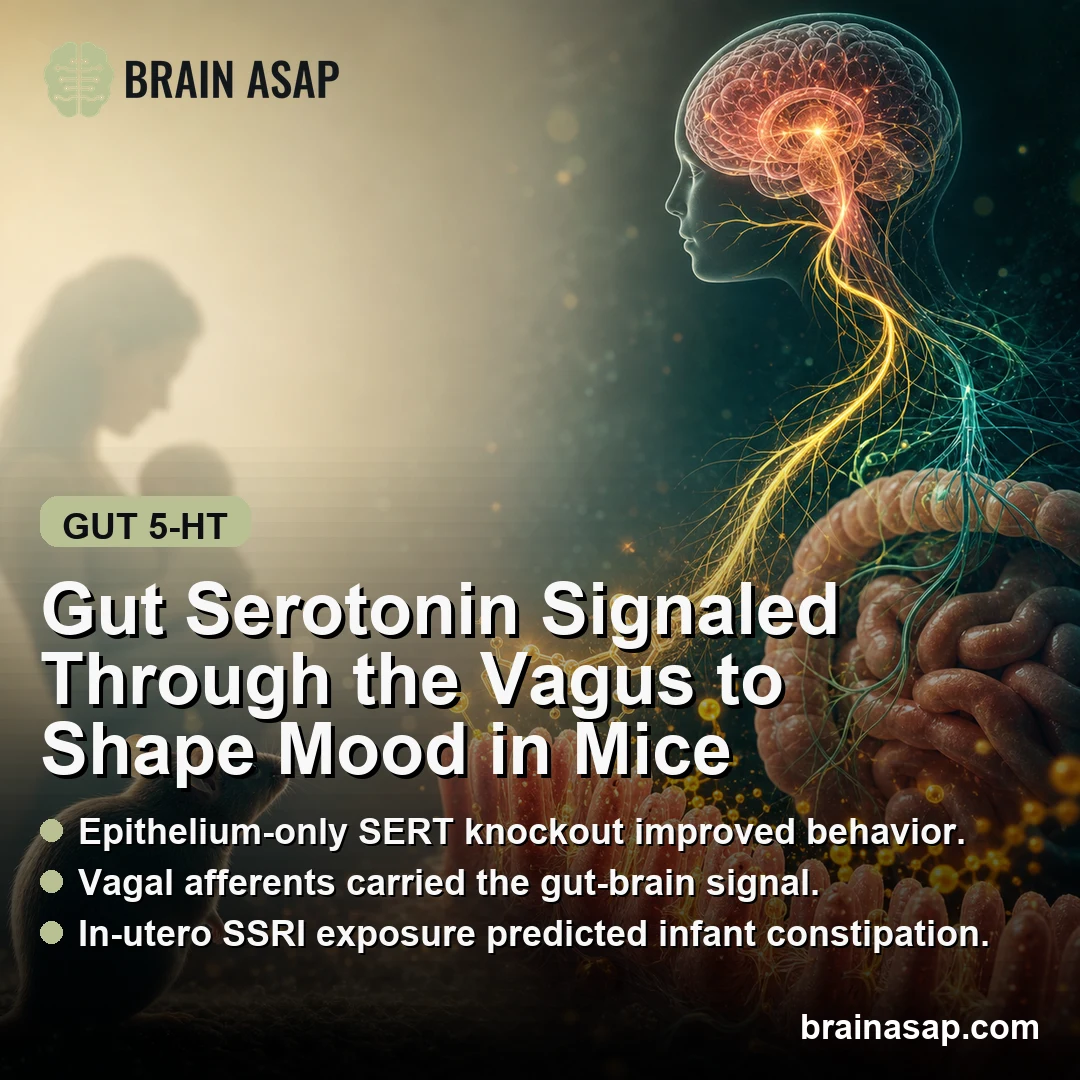
TL;DR: A 2024 Gastroenterology study found that intestinal epithelial serotonin reduced anxiety- and depression-like behavior in mice through vagal signaling, while prenatal SSRI exposure in a human cohort predicted infant functional constipation independent o…
Read article ↗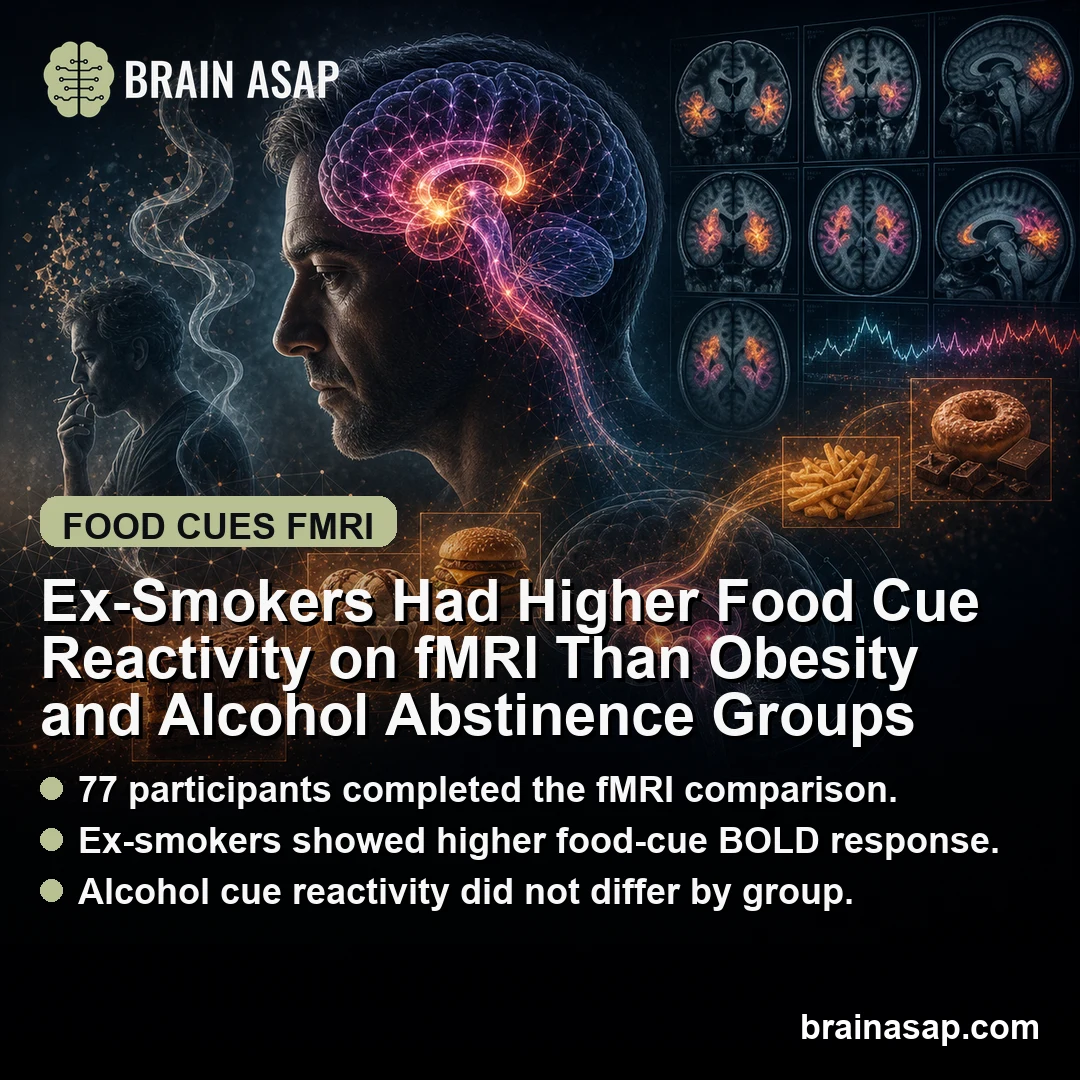
TL;DR: A 2026 medRxiv preprint found that ex-smokers had higher fMRI blood oxygen level dependent (BOLD) responses to high-energy food pictures than adults with obesity or abstinent alcohol dependence, suggesting a brain reward route for post-quitting weight g…
Read article ↗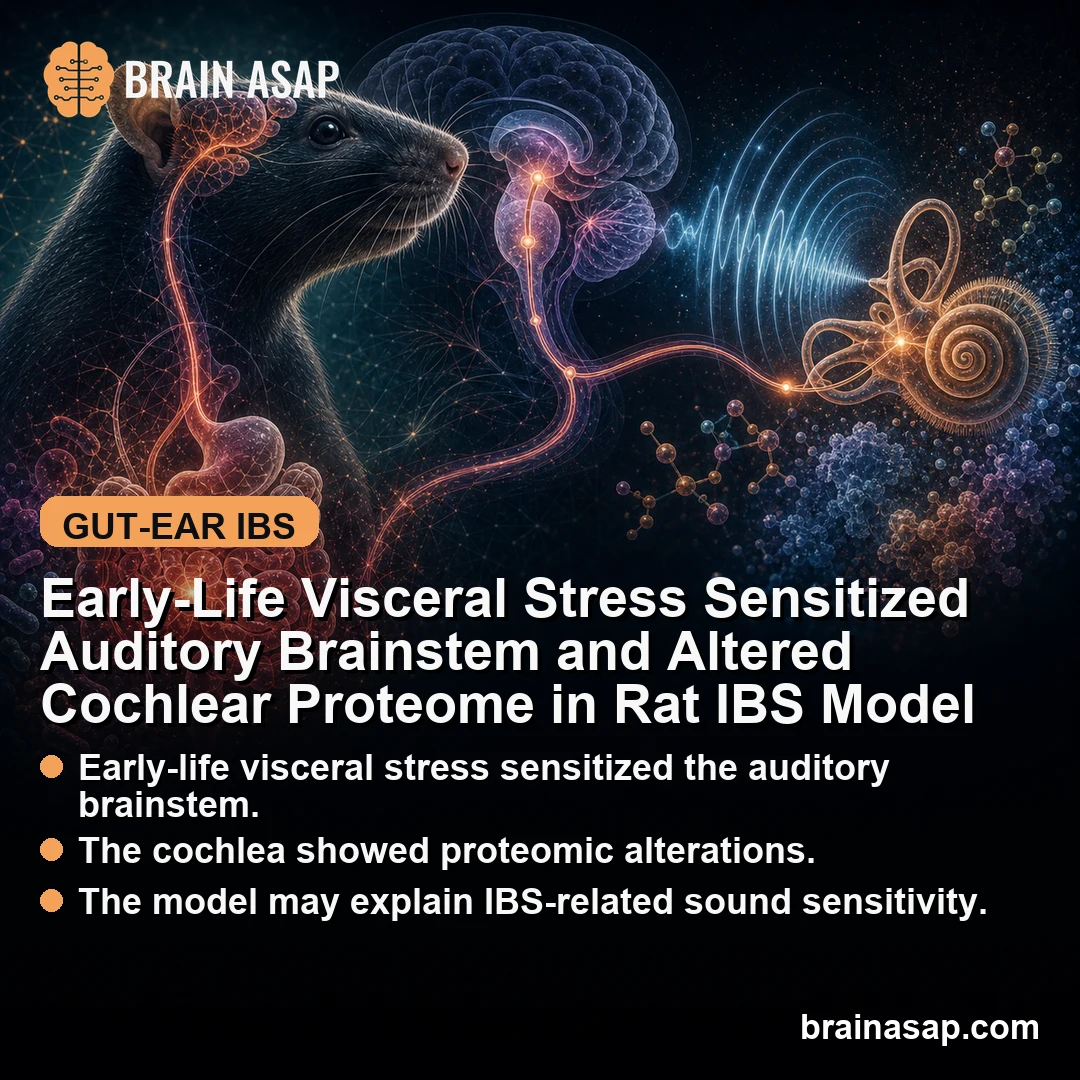
TL;DR: A 2026 rat study in Neurobiology of Stress found that early-life visceral stress produced adult IBS-like symptoms alongside auditory brainstem sensitization and cochlear protein changes, giving a mechanistic explanation for sound sensitivity reported by…
Read article ↗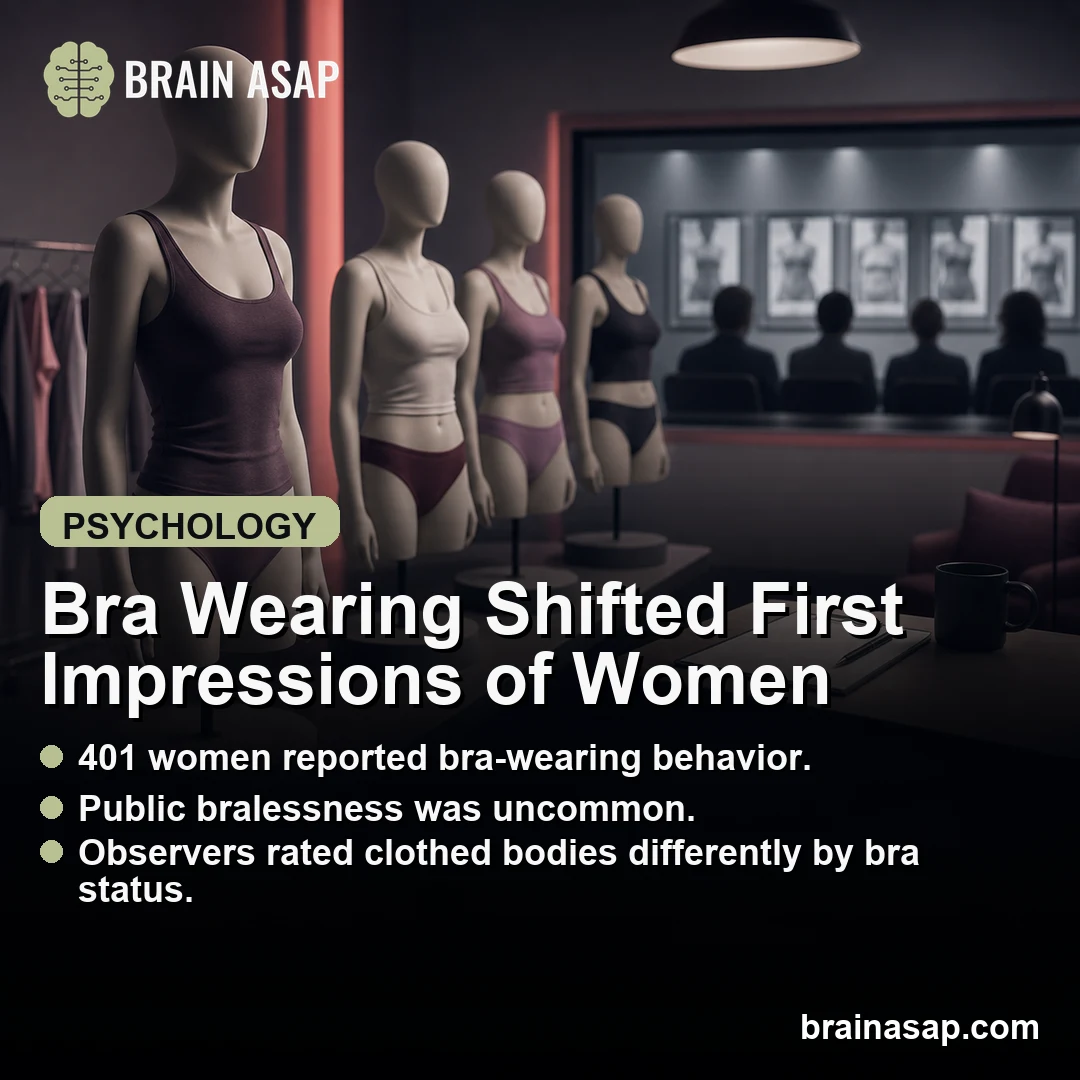
TL;DR: A 2026 study in Frontiers in Psychology found that braless images were rated as more attractive but less faithful, while women who feared sexual harassment reported being less likely to go braless in public. Key Findings 409 Slovak women surveyed: Resea…
Read article ↗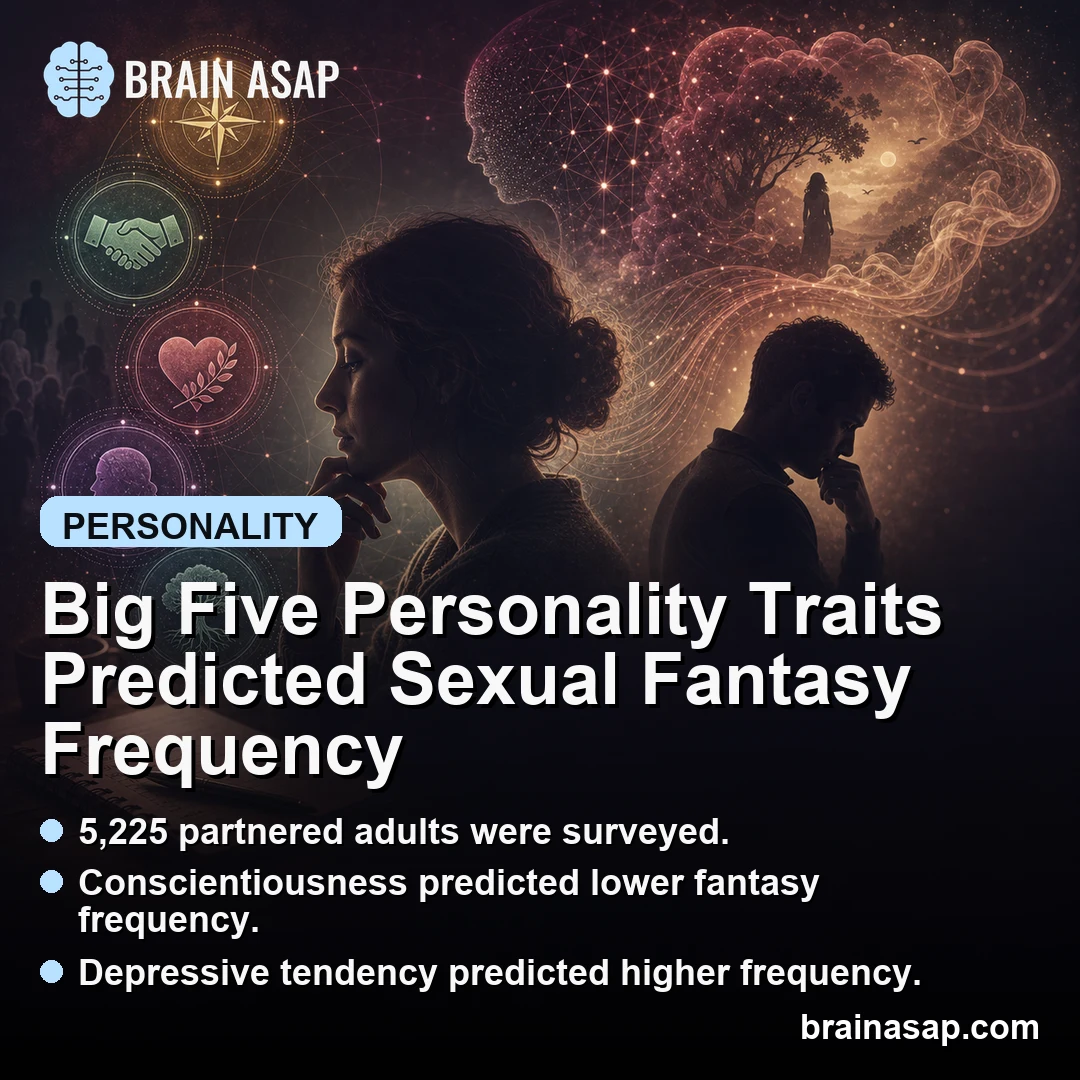
TL;DR: A 2026 study in PLOS One found that Big Five personality traits were linked to how often 5,225 partnered adults reported sexual fantasies: conscientiousness and agreeableness predicted lower fantasy frequency, while the depression facet of negative emot…
Read article ↗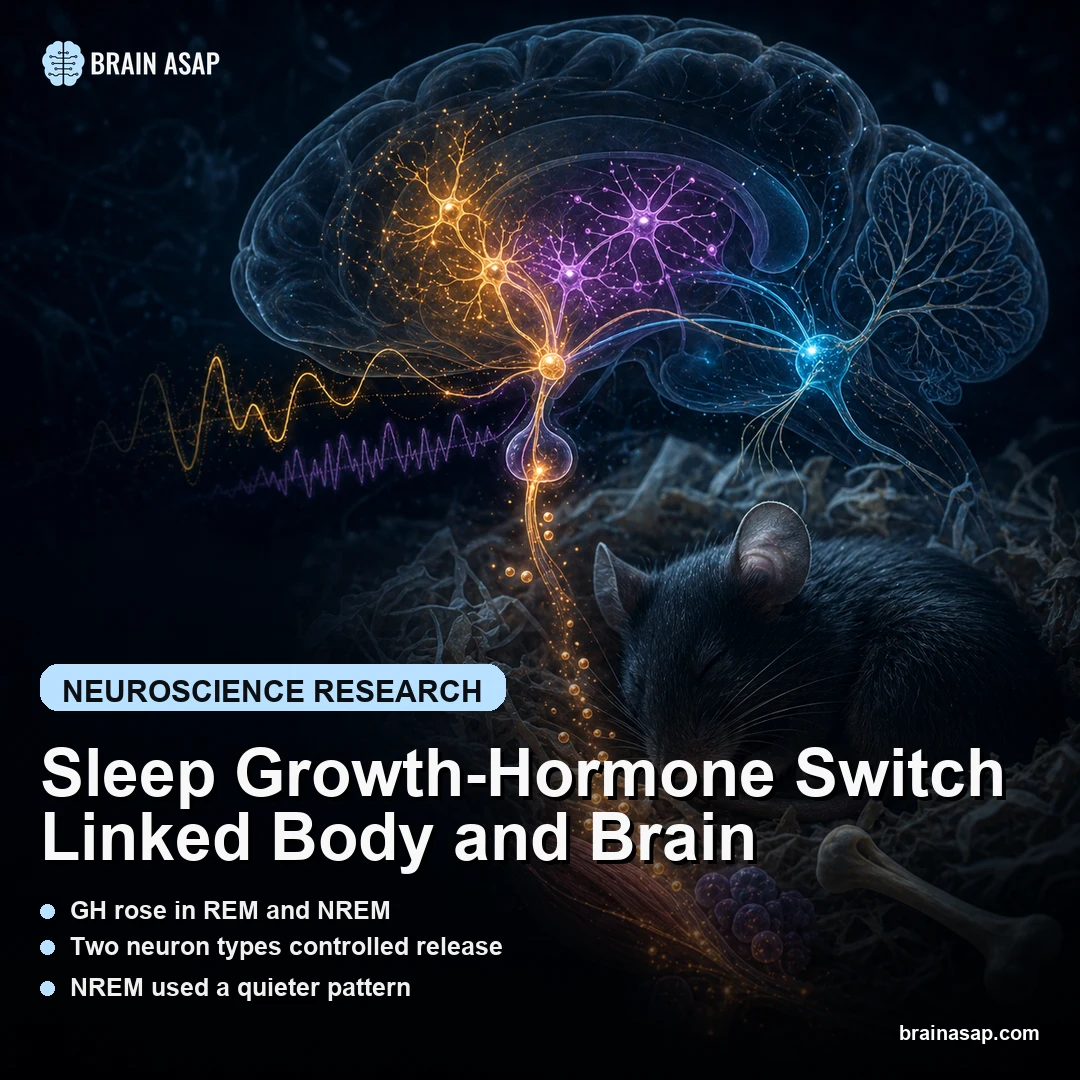
TL;DR: A 2025 mouse study in Cell mapped a sleep-growth hormone circuit, showing how hypothalamic GHRH and somatostatin neurons coordinate hormone pulses and then feed back onto wakefulness. Key Findings GH rose in REM and NREM: Growth hormone release was enha…
Read article ↗
TL;DR: A 2026 study in Alzheimer’s & Dementia: Diagnosis, Assessment & Disease Monitoring found that each 10% higher energy share from ultra-processed foods was associated with lower attention scores and higher modifiable dementia-risk scores in 2,192 dementia…
Read article ↗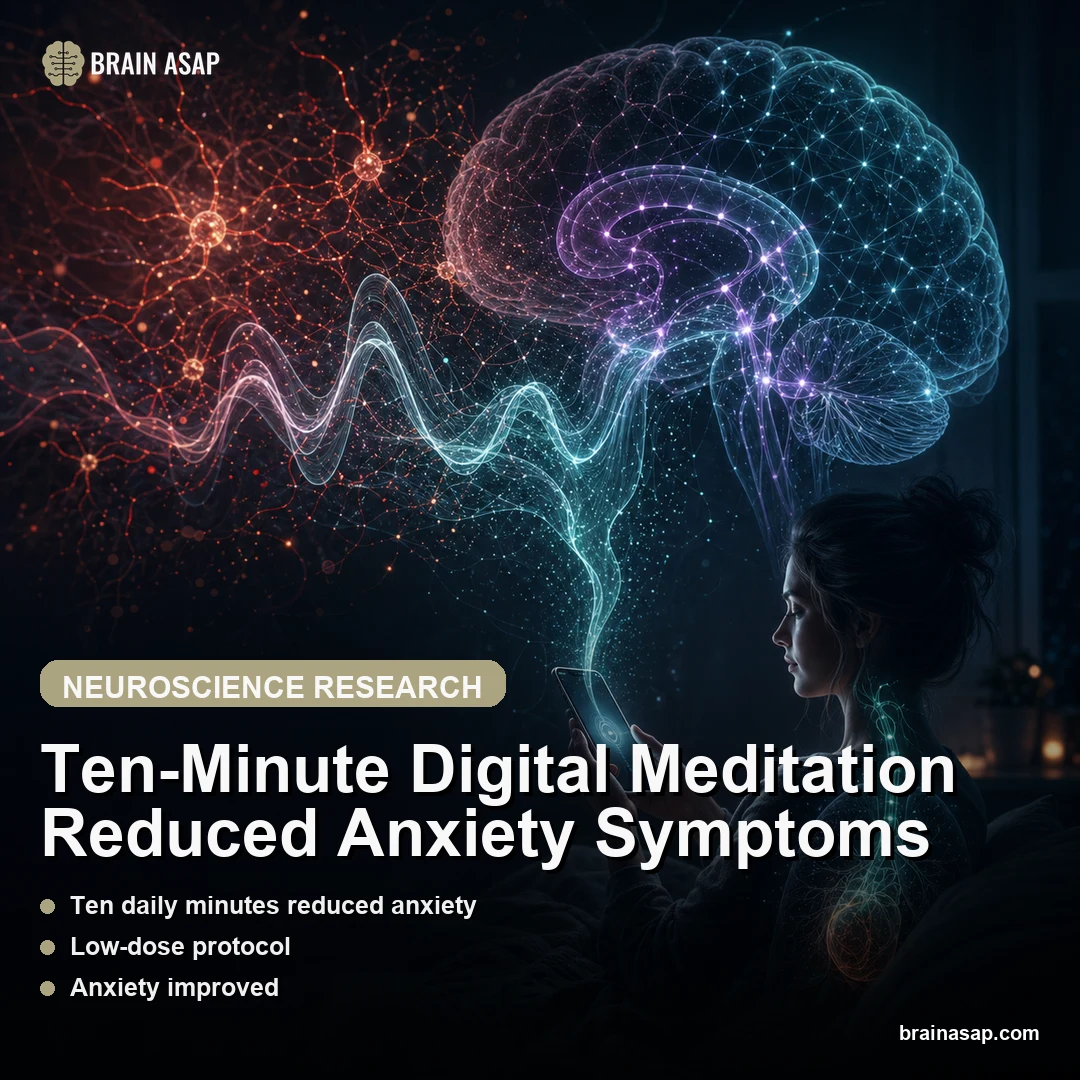
TL;DR: A 2026 randomized-trial preprint in medRxiv reported that 10 minutes of daily digital meditation reduced anxiety and mind wandering, with the largest gains in people who started with higher symptom burden. Key Findings Ten daily minutes reduced anxiety:…
Read article ↗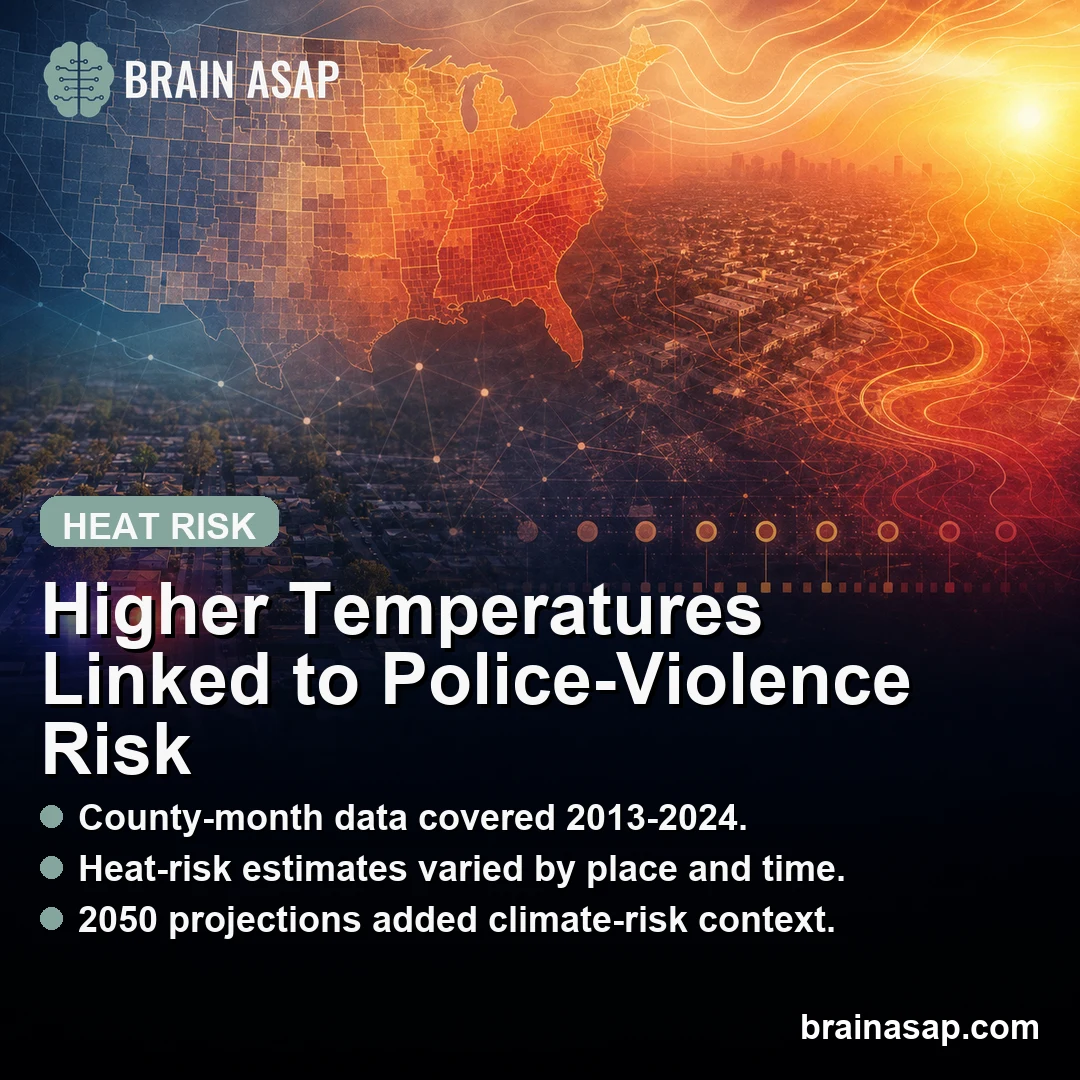
TL;DR: A county-level 2026 study in PLOS One found that warmer monthly temperatures in the United States from 2013 to 2024 were associated with higher police-violence death rates, with projected additional deaths by 2050 under high-emissions climate scenarios.…
Read article ↗
TL;DR: A 2026 study in PLOS Medicine found that severe infections stayed linked to later dementia in Finland even after researchers accounted for a broad set of noninfectious comorbid diseases. Key Findings 62,555 dementia cases: The analysis matched Finnish a…
Read article ↗