
ACOT7 shows promise as a non-invasive serum biomarker for Alzheimer’s disease (AD) with high diagnostic accuracy. Highlights: Increased Expression: ACOT7 levels were significantly elevated in AD patients and animal models compared to controls. Correlation with…
Read article ↗
CYP2C19 poor metabolizers showed a nominally higher antidepressant remission rate compared to normal metabolizers, but overall genetic variations in CYP2C19 and CYP2D6 were not significantly associated with antidepressant response. Highlights: Higher Remission…
Read article ↗
Elevated methylmalonic acid (MMA) levels are associated with depressive symptoms and increased mortality risk, but depressive symptoms do not mediate the relationship between MMA and mortality. Highlights: Each standard deviation increase in MMA is associated…
Read article ↗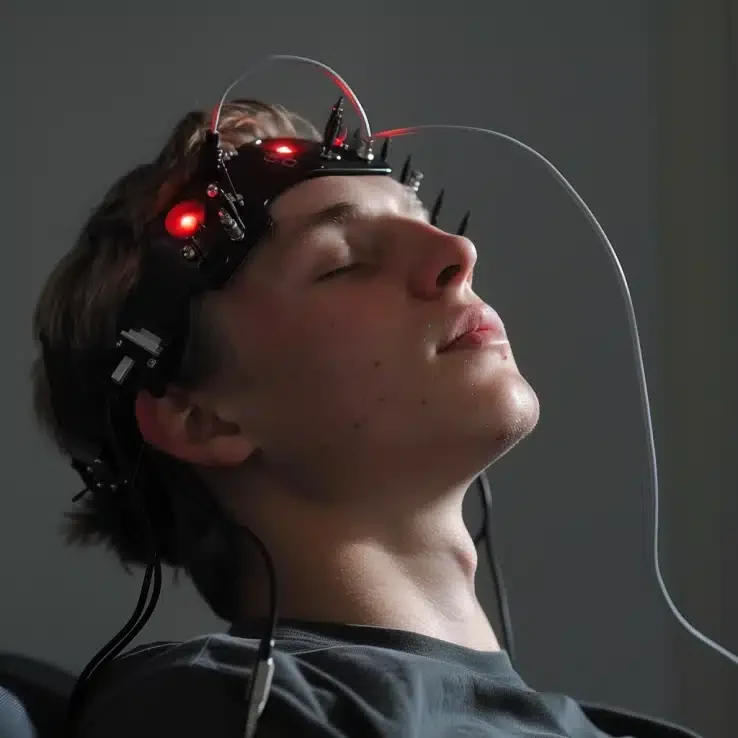
Transcranial direct current stimulation (tDCS) targeting the left dorsolateral prefrontal cortex (DLPFC) at 2-mA intensity effectively alleviates depressive symptoms and shows promise in reducing anxiety symptoms across various clinical conditions. Highlights:…
Read article ↗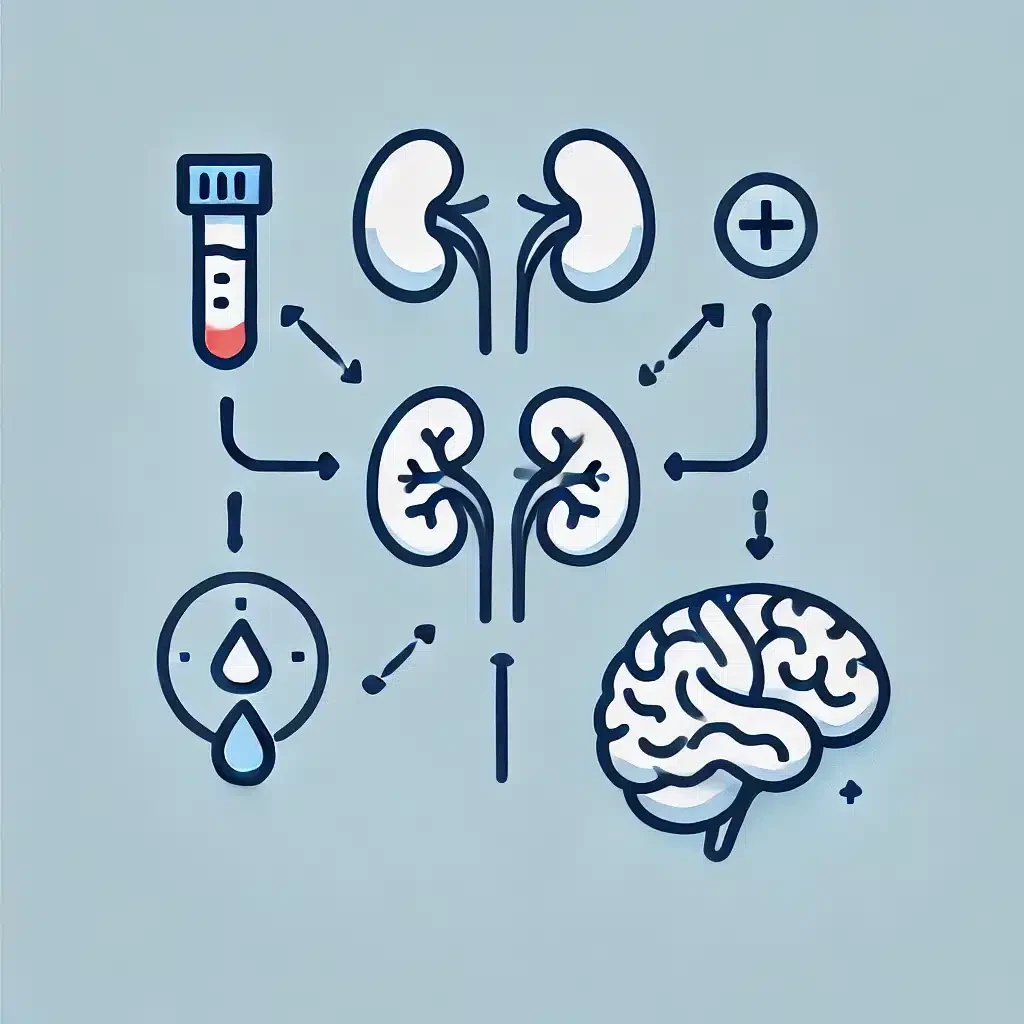
Elevated blood urea nitrogen and creatinine ratio (BUNCr) is associated with decreased cognitive function and increased depressive symptoms, with depressive symptoms mediating part of the relationship between BUNCr and cognitive decline. Highlights: BUNCr has…
Read article ↗
Optical coherence tomography (OCT) reveals significant retinal nerve fiber layer (RNFL) thinning in Parkinson’s disease (PD) patients, correlating with disease severity and suggesting OCT as a potential biomarker for PD diagnosis and monitoring. Highlights: RN…
Read article ↗
Women experiencing midlife stress-related exhaustion have a higher risk of developing dementia at a younger age and exhibit long-term cognitive impairments. Highlights: Higher Dementia Risk: Women with midlife stress-related exhaustion had a nearly threefold i…
Read article ↗
Higher ethylene oxide (EtO) exposure is significantly associated with an increased risk of stroke in U.S. adults, particularly those under 50 years old. Highlights: Higher levels of EtO are linked to increased stroke rates, with individuals in the top 25% of e…
Read article ↗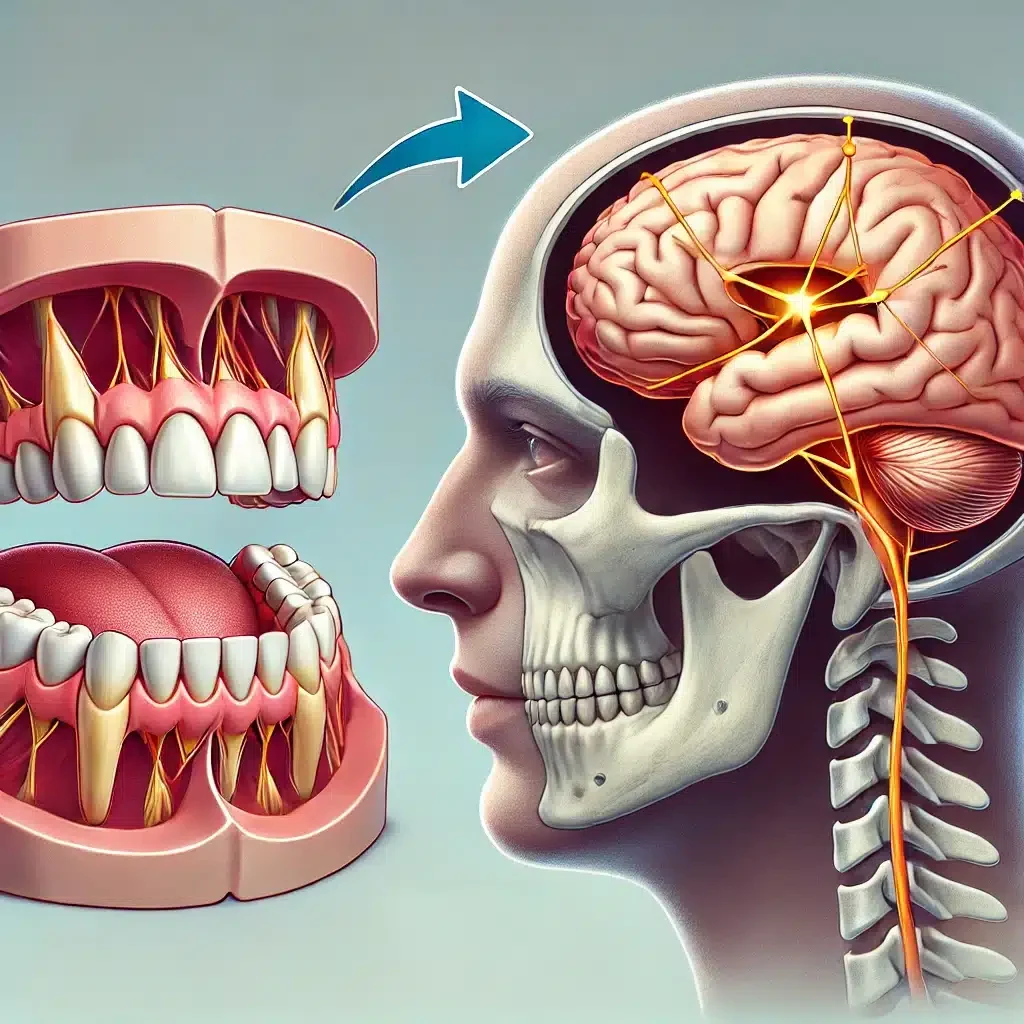
Occlusion dysfunction (OD) is causally linked to an increased risk of Alzheimer’s disease (AD), while dentures restoration can mitigate this risk. Highlights: Periodontal disease (PD) and Alzheimer’s do not have a direct causal relationship (P = 0.395). Loose…
Read article ↗
Necrostatin-1, an inhibitor of necroptosis, exhibits significant neuroprotective effects and potential therapeutic applications in various neurological disorders by modulating cell death pathways, inflammation, and reactive oxygen species. Highlights: Mechanis…
Read article ↗