
Elevated methylmalonic acid (MMA) levels are associated with depressive symptoms and increased mortality risk, but depressive symptoms do not mediate the relationship between MMA and mortality. Highlights: Each standard deviation increase in MMA is associated…
Read article ↗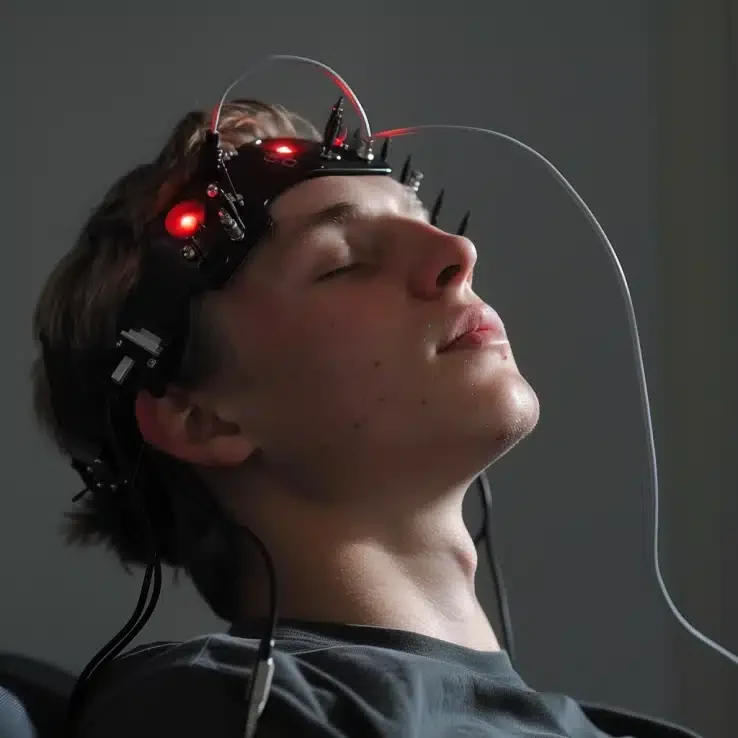
Transcranial direct current stimulation (tDCS) targeting the left dorsolateral prefrontal cortex (DLPFC) at 2-mA intensity effectively alleviates depressive symptoms and shows promise in reducing anxiety symptoms across various clinical conditions. Highlights:…
Read article ↗
A small-molecule oxytocin receptor-specific agonist, LIT-001, differentially affects the acquisition and expression of partner preference in prairie voles, enhancing bonding when administered before cohabitation but inhibiting it when given afterward. Highligh…
Read article ↗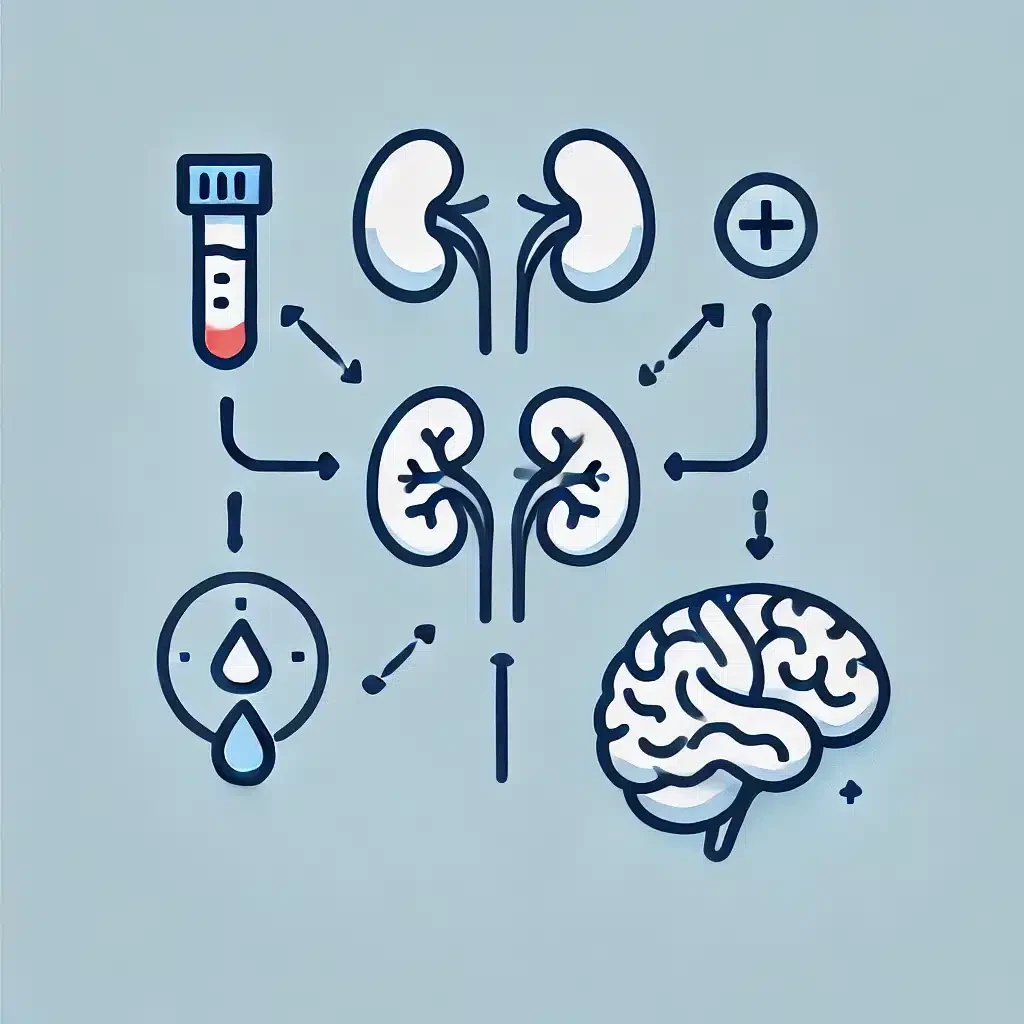
Elevated blood urea nitrogen and creatinine ratio (BUNCr) is associated with decreased cognitive function and increased depressive symptoms, with depressive symptoms mediating part of the relationship between BUNCr and cognitive decline. Highlights: BUNCr has…
Read article ↗
Optical coherence tomography (OCT) reveals significant retinal nerve fiber layer (RNFL) thinning in Parkinson’s disease (PD) patients, correlating with disease severity and suggesting OCT as a potential biomarker for PD diagnosis and monitoring. Highlights: RN…
Read article ↗
Women experiencing midlife stress-related exhaustion have a higher risk of developing dementia at a younger age and exhibit long-term cognitive impairments. Highlights: Higher Dementia Risk: Women with midlife stress-related exhaustion had a nearly threefold i…
Read article ↗
Higher ethylene oxide (EtO) exposure is significantly associated with an increased risk of stroke in U.S. adults, particularly those under 50 years old. Highlights: Higher levels of EtO are linked to increased stroke rates, with individuals in the top 25% of e…
Read article ↗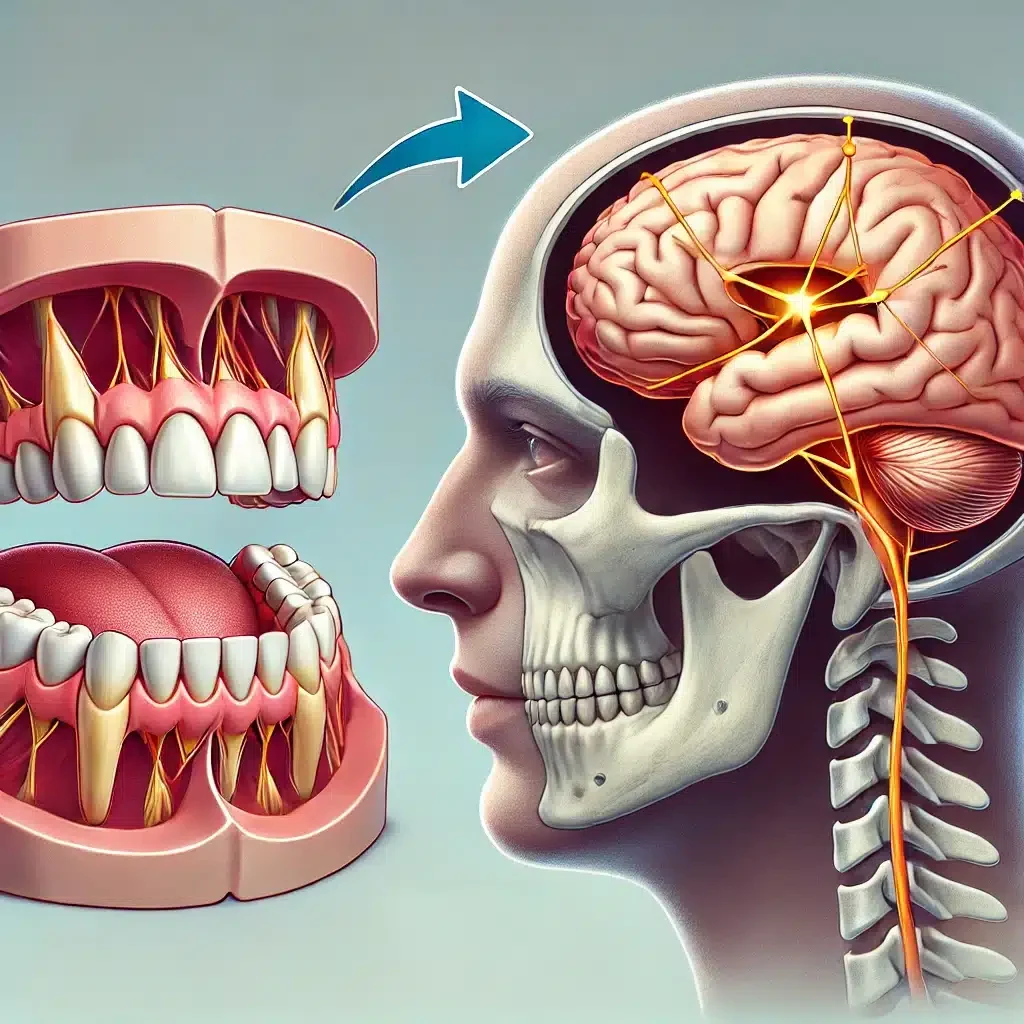
Occlusion dysfunction (OD) is causally linked to an increased risk of Alzheimer’s disease (AD), while dentures restoration can mitigate this risk. Highlights: Periodontal disease (PD) and Alzheimer’s do not have a direct causal relationship (P = 0.395). Loose…
Read article ↗
Long-term practitioners of Orgasmic Meditation (OM) show distinct patterns of reduced brain metabolism compared to non-meditators, with significant differences in various brain regions involved in cognition, attention, and emotional regulation. Highlights: Red…
Read article ↗
High-intensity exercise (HIIE) leads to significant changes in brain activity, specifically in regions linked to dopaminergic and μ-opioidergic neurotransmission, which are associated with a mood boost. Highlights: Positive Mood Effects: Both low- and high-int…
Read article ↗