TL;DR: A 2026 study in International Clinical Psychopharmacology described a 40-year-old man whose dysphoria, anhedonia, amotivation, and fatigue appeared soon after olanzapine was changed to olanzapine-samidorphan and resolved after he returned to olanzapine…
Read article ↗
TL;DR: A 2026 study in Nature Communications used resting-state functional MRI (fMRI) to link major depressive disorder to more frequent but shorter visits to a salience-dominated brain state. Key Findings Resting-state fMRI compared depression with controls:…
Read article ↗
TL;DR: A 2026 study in Neuropsychopharmacology found that reward uncertainty, measured with functional MRI (fMRI), a brain-scan method, engaged different adolescent brain networks during waiting for a possible reward versus learning the outcome, with anxiety a…
Read article ↗
TL;DR: A 2026 study in JAMA Network Open found that a therapy built to restore reward and positive emotion outperformed a matched negative-affect therapy for adults with depression, anxiety, and severely low positive affect. Key Findings PAT beat the matched t…
Read article ↗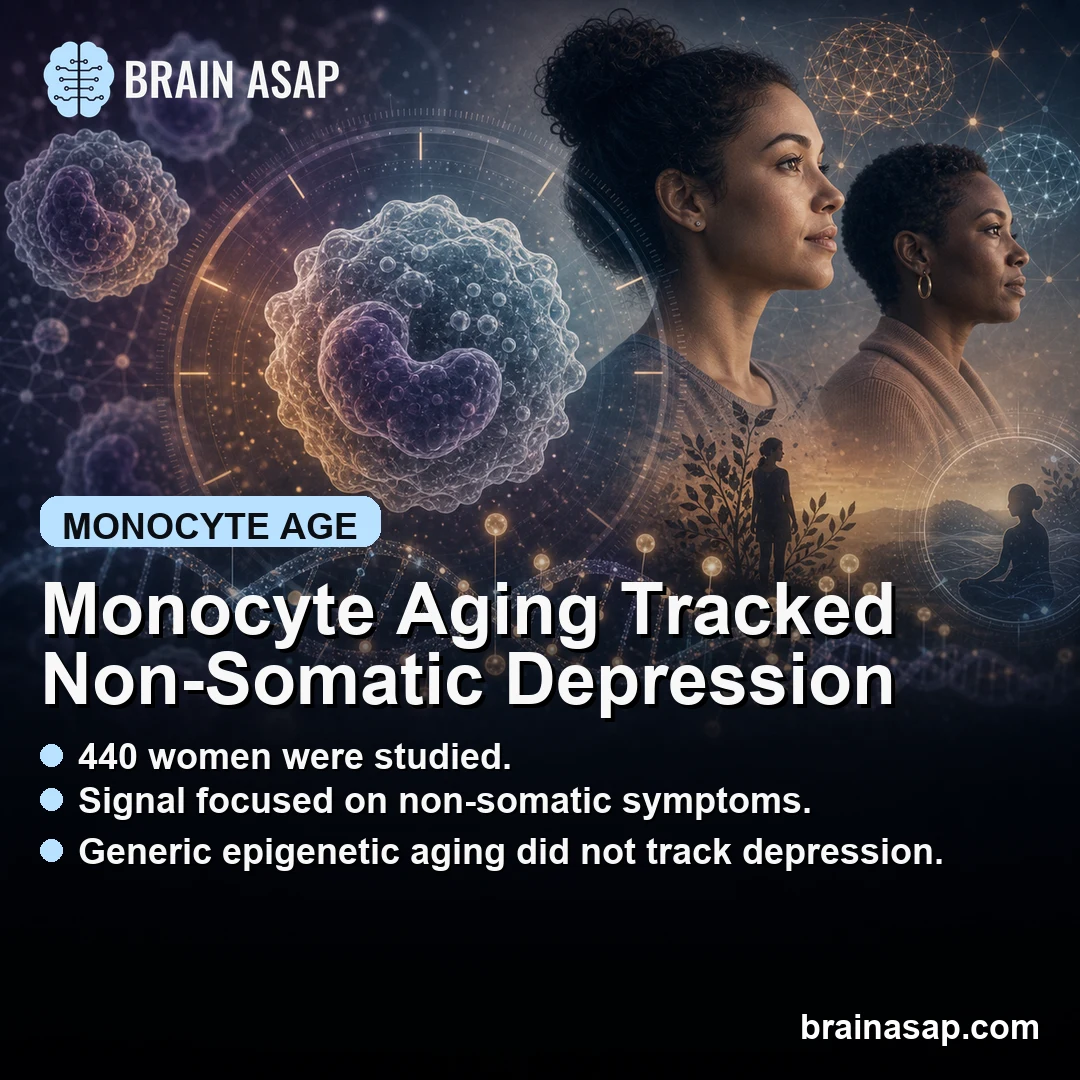
TL;DR: A 2026 study in The Journals of Gerontology, Series A: Biological Sciences and Medical Sciences measured a monocyte-specific DNA methylation clock (MonoDNAmAge) in 440 women with and without HIV, and found that accelerated monocyte epigenetic aging was…
Read article ↗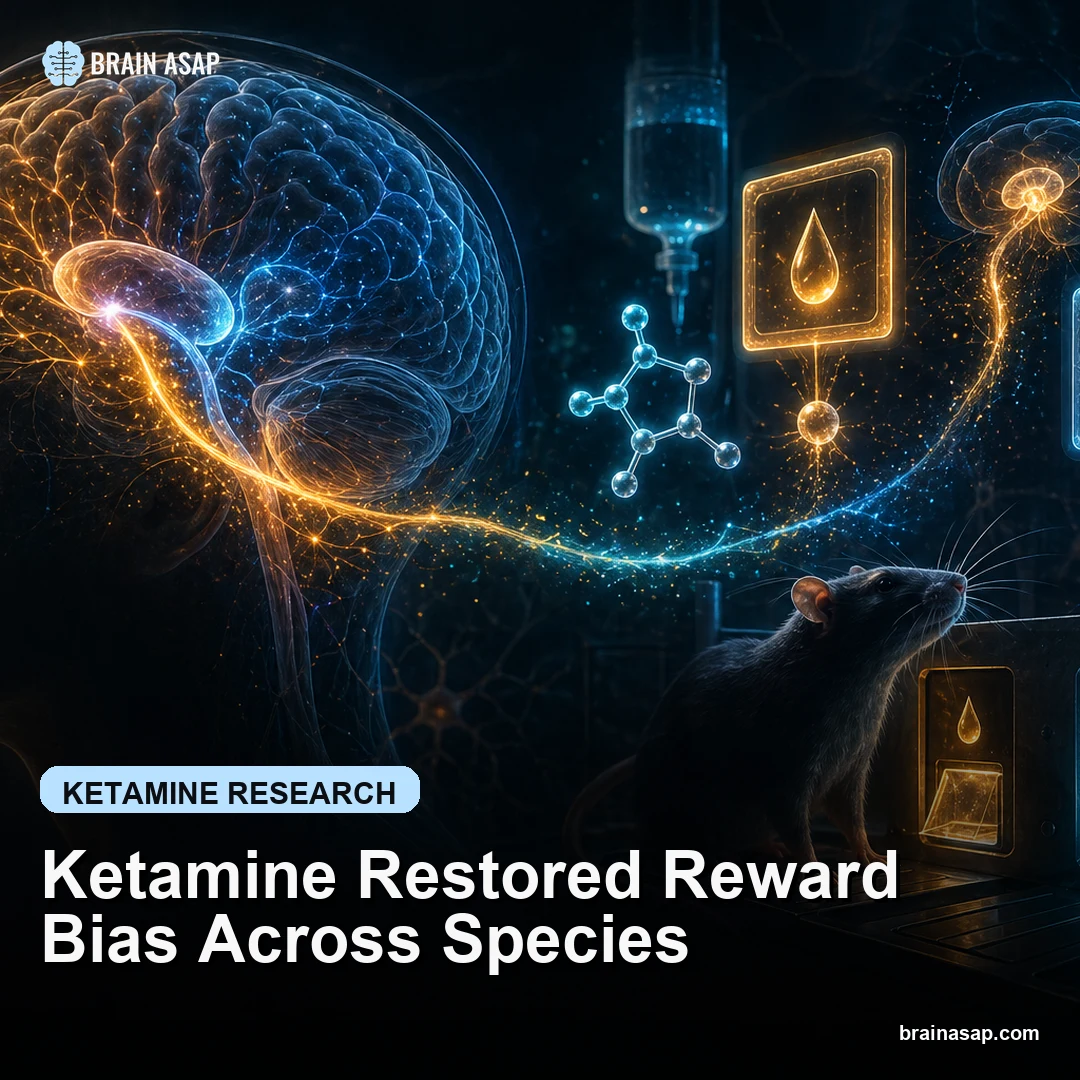
Ketamine Restored Reward Bias Across Species TL;DR: Ketamine restored reward-learning bias in both treatment-resistant depression and chronically stressed rats while leaving basic discrimination unchanged. Key Findings Reward bias increased: Ketamine significa…
Read article ↗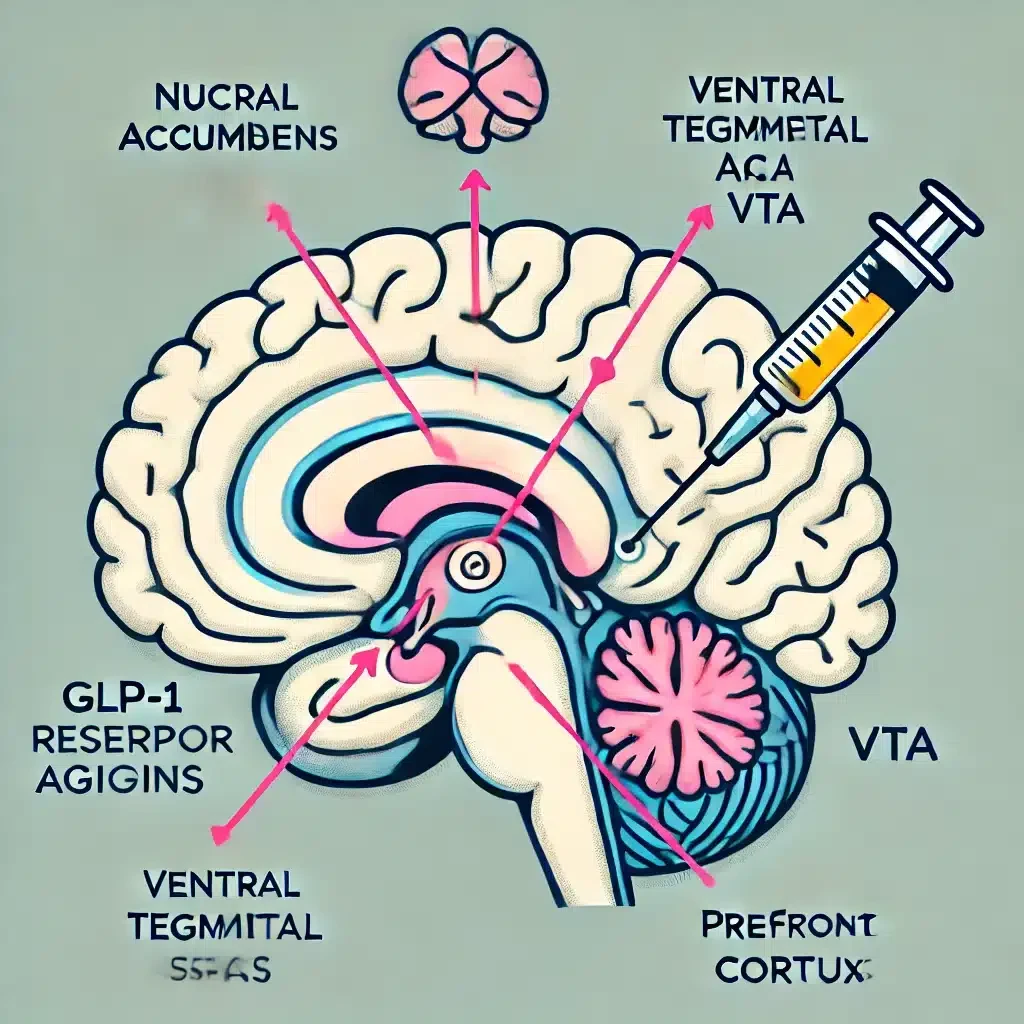
GLP-1 receptor agonists (GLP-1RAs) show promise in regulating the reward system and potentially treating motivation and reward-processing disorders. Highlights: Regulation of Reward System Dysfunction: GLP-1RAs influence the brain’s reward system, which is inv…
Read article ↗