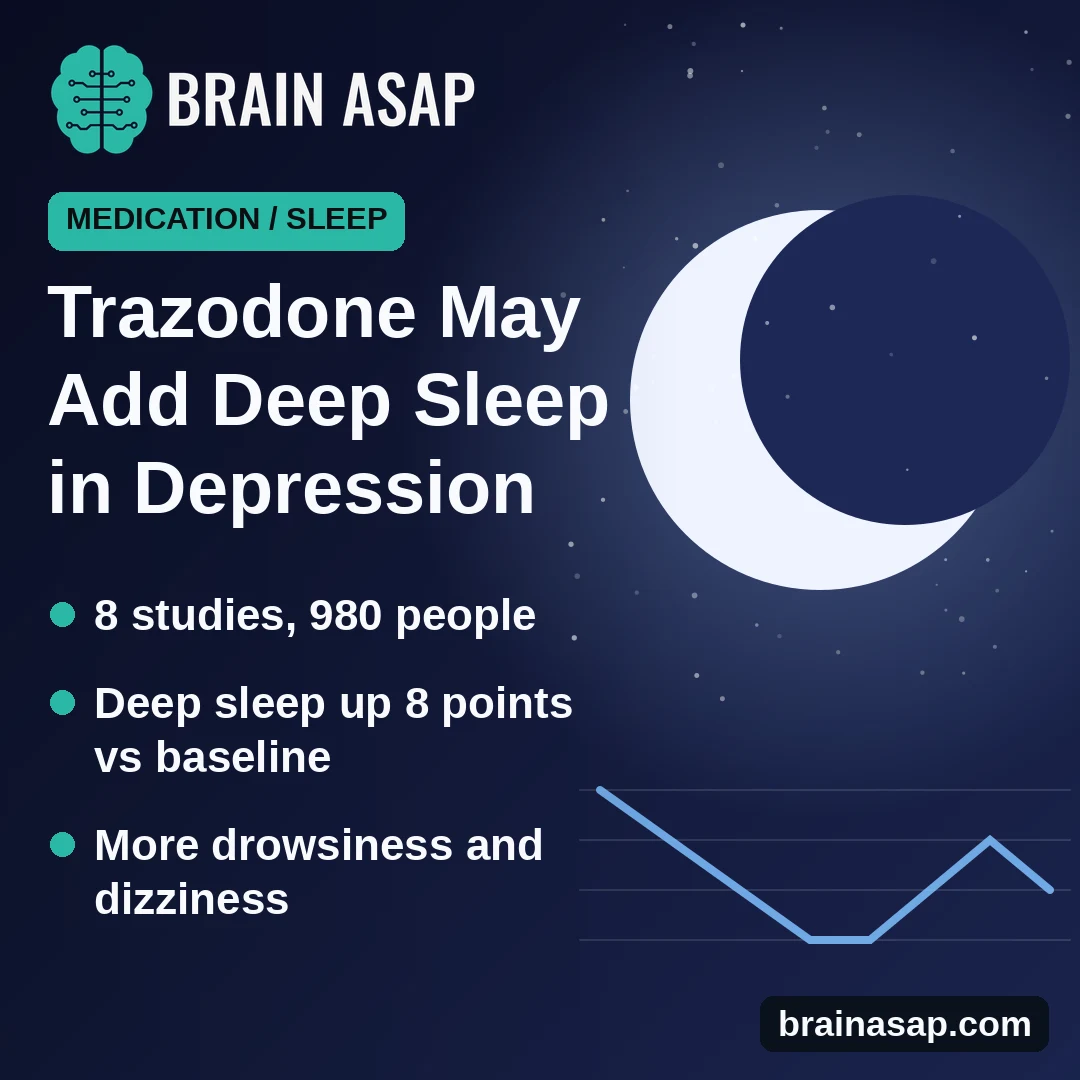
TL;DR: In a pooled review of 8 studies of 980 people with depression and sleep problems, sleep tests showed more deep sleep and less light sleep after taking trazodone than before. Compared with placebo, though, the deep-sleep gain was not clear, and drowsines…
Read article ↗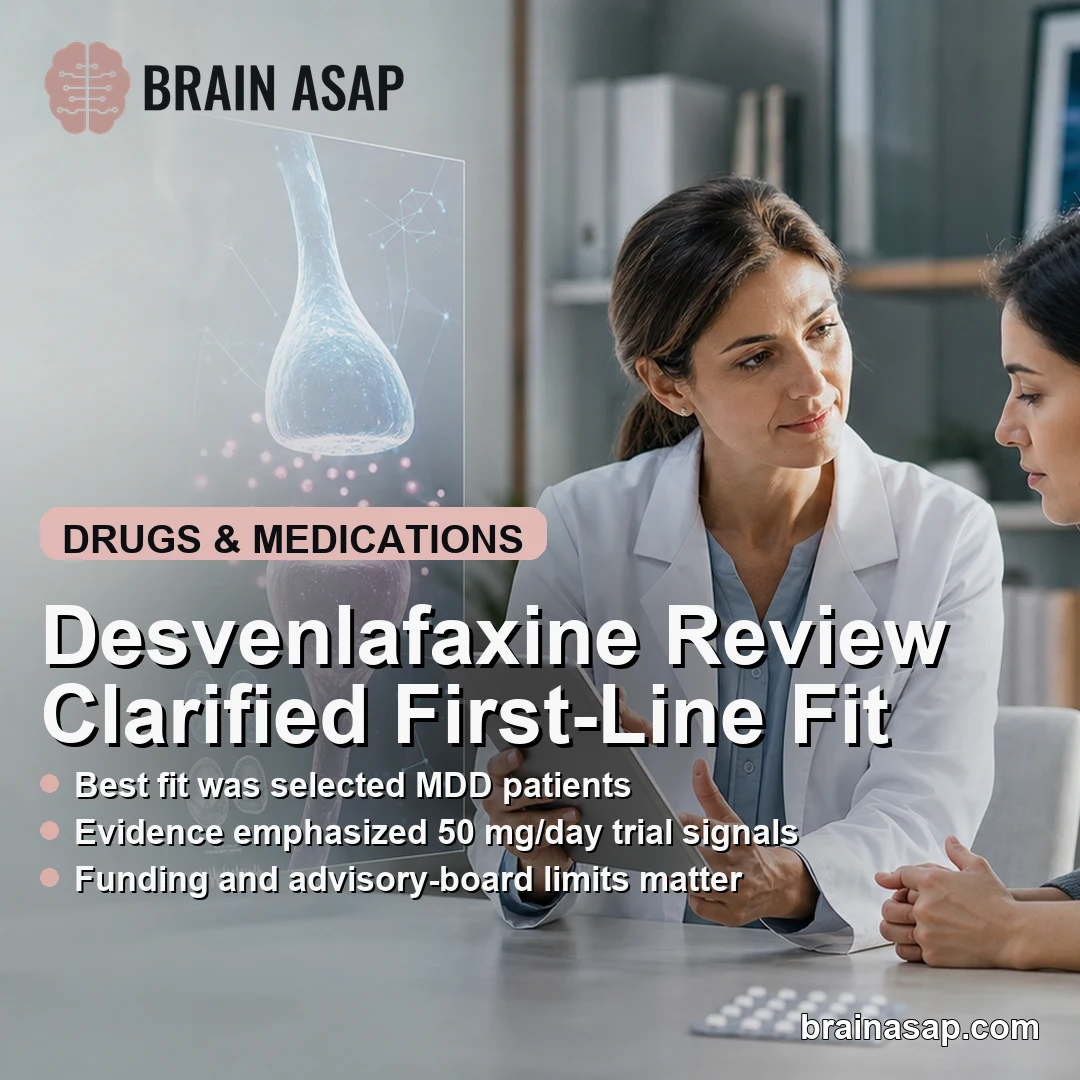
TL;DR: A 2026 narrative review in Clinical Drug Investigation argued that desvenlafaxine, a serotonin-noradrenaline reuptake inhibitor (SNRI), may be a first-line major depressive disorder option for selected patients, especially when fatigue, cognitive compla…
Read article ↗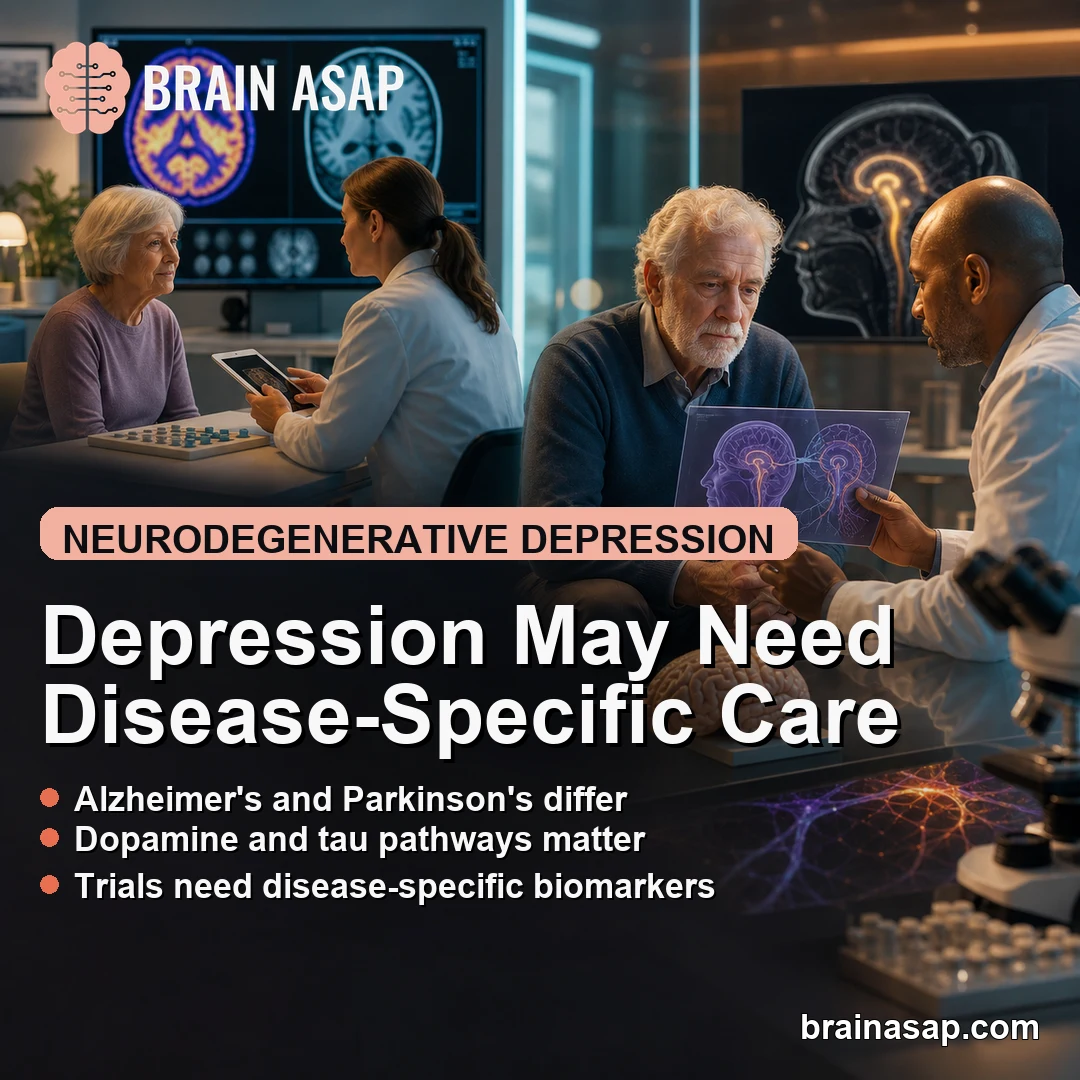
TL;DR: A 2026 narrative review in Molecular Psychiatry argues that depression in Alzheimer’s disease and Parkinson’s disease follows disease-specific brain mechanisms, while standard antidepressant evidence remains weak in these neurodegenerative populations.…
Read article ↗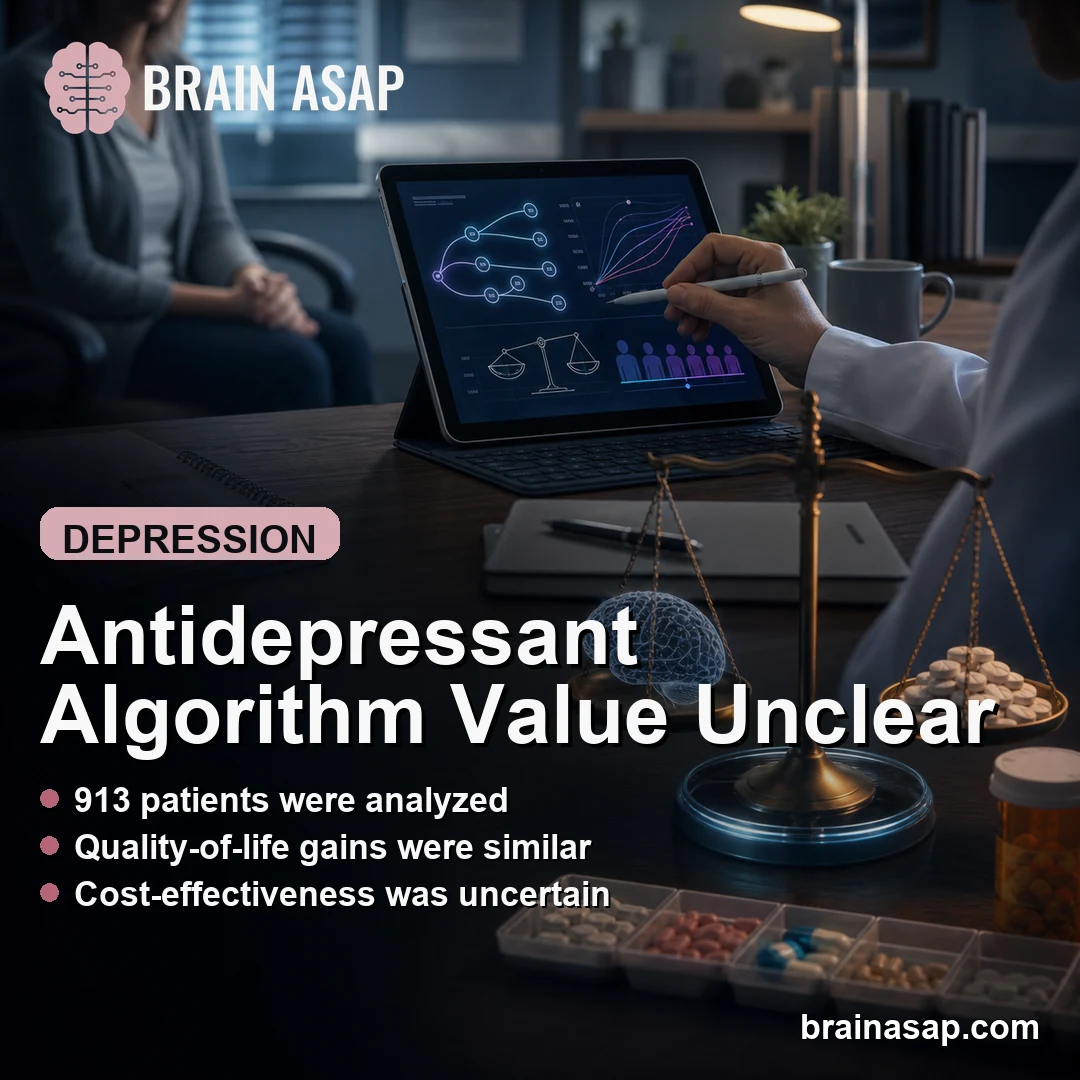
TL;DR: A 2026 study in BJPsych Open found that closely monitored antidepressant care improved quality of life and reduced societal costs in both PReDicT and usual-care groups, while the PReDicT algorithm added uncertain, country-dependent economic value. Key F…
Read article ↗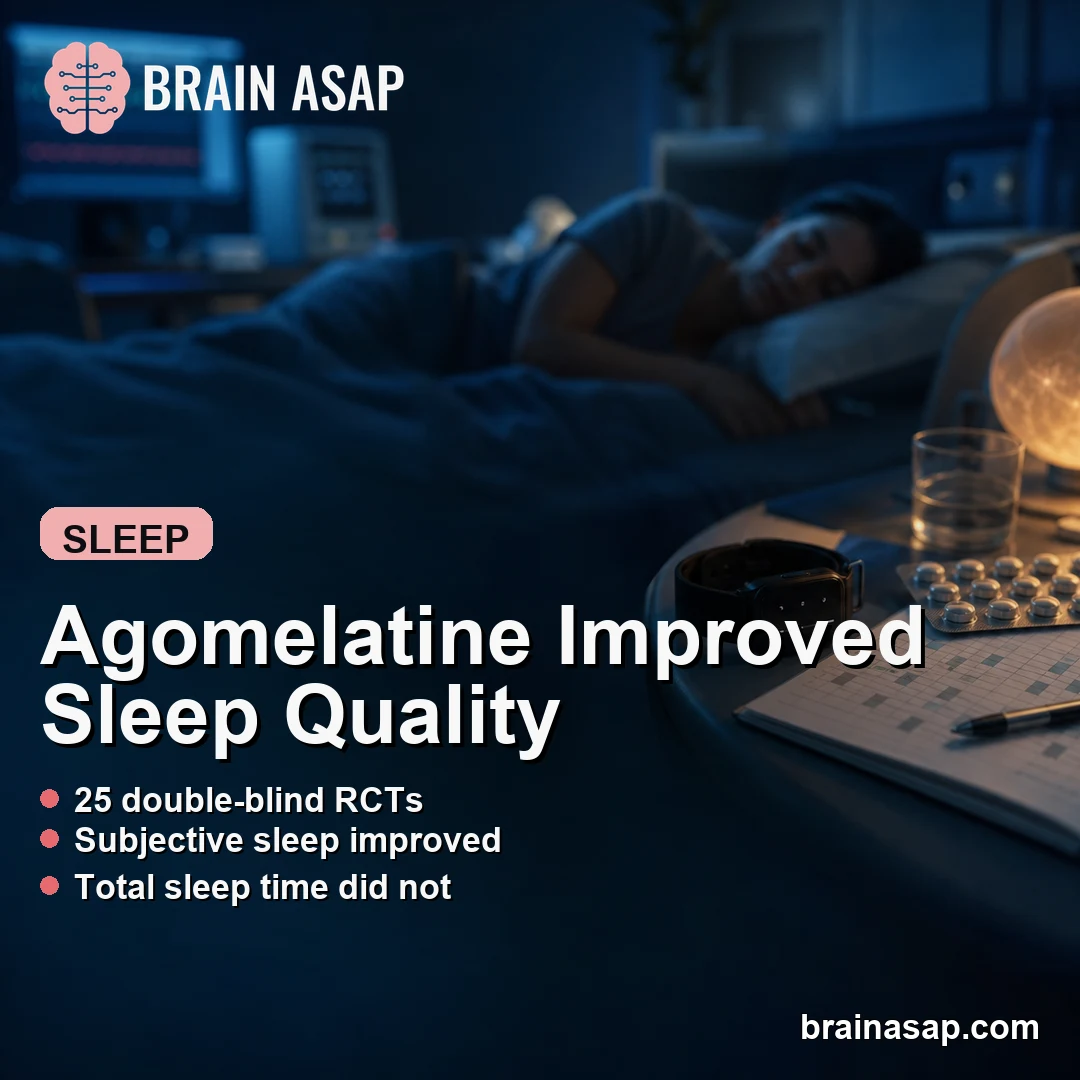
TL;DR: A 2026 systematic review and meta-analysis in Journal of Sleep Research found that agomelatine modestly improved subjective sleep quality versus placebo, but objective total sleep time did not significantly increase and somnolence reports were more freq…
Read article ↗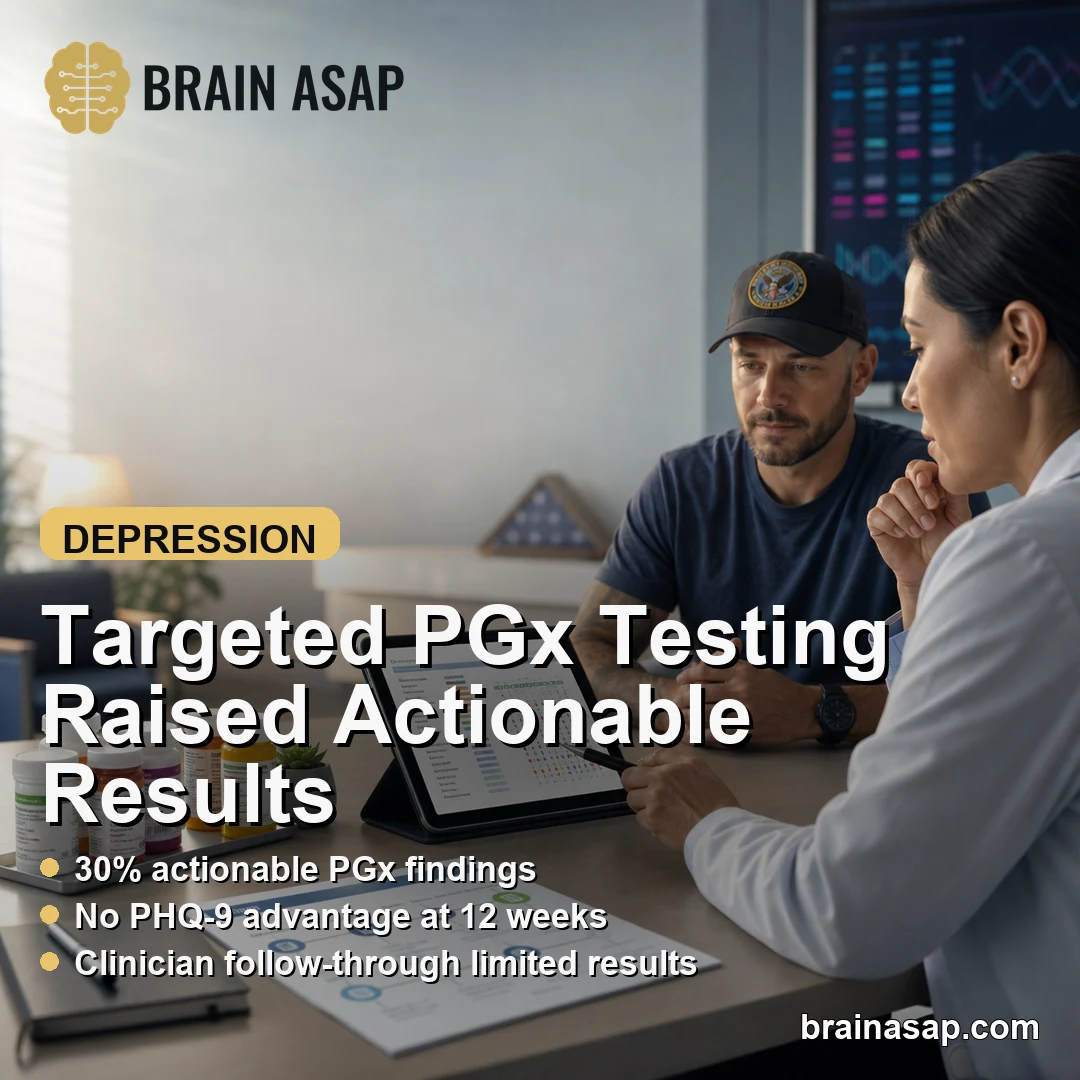
TL;DR: A 2026 study in The Pharmacogenomics Journal tested pharmacogenomic (PGx) depression care, meaning medication guidance based on drug-gene interactions; targeting Veterans already taking antidepressants with common PGx interactions raised the actionable-…
Read article ↗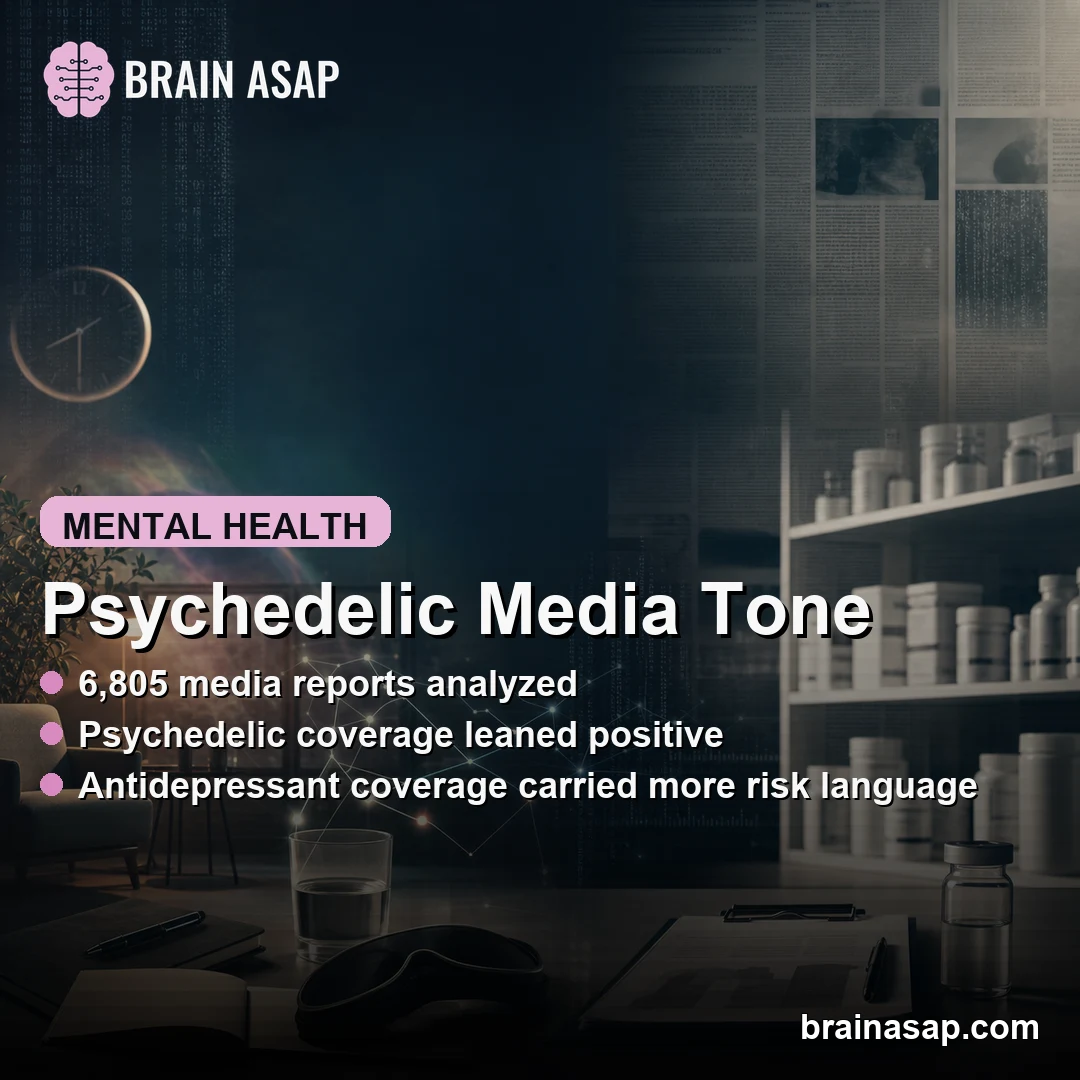
TL;DR: A 2026 Scientific Reports study of 6,805 English-language media reports found that psychedelic-treatment coverage for depression and PTSD used more positive tone than antidepressant coverage, while antidepressant coverage used more risk and negative-emo…
Read article ↗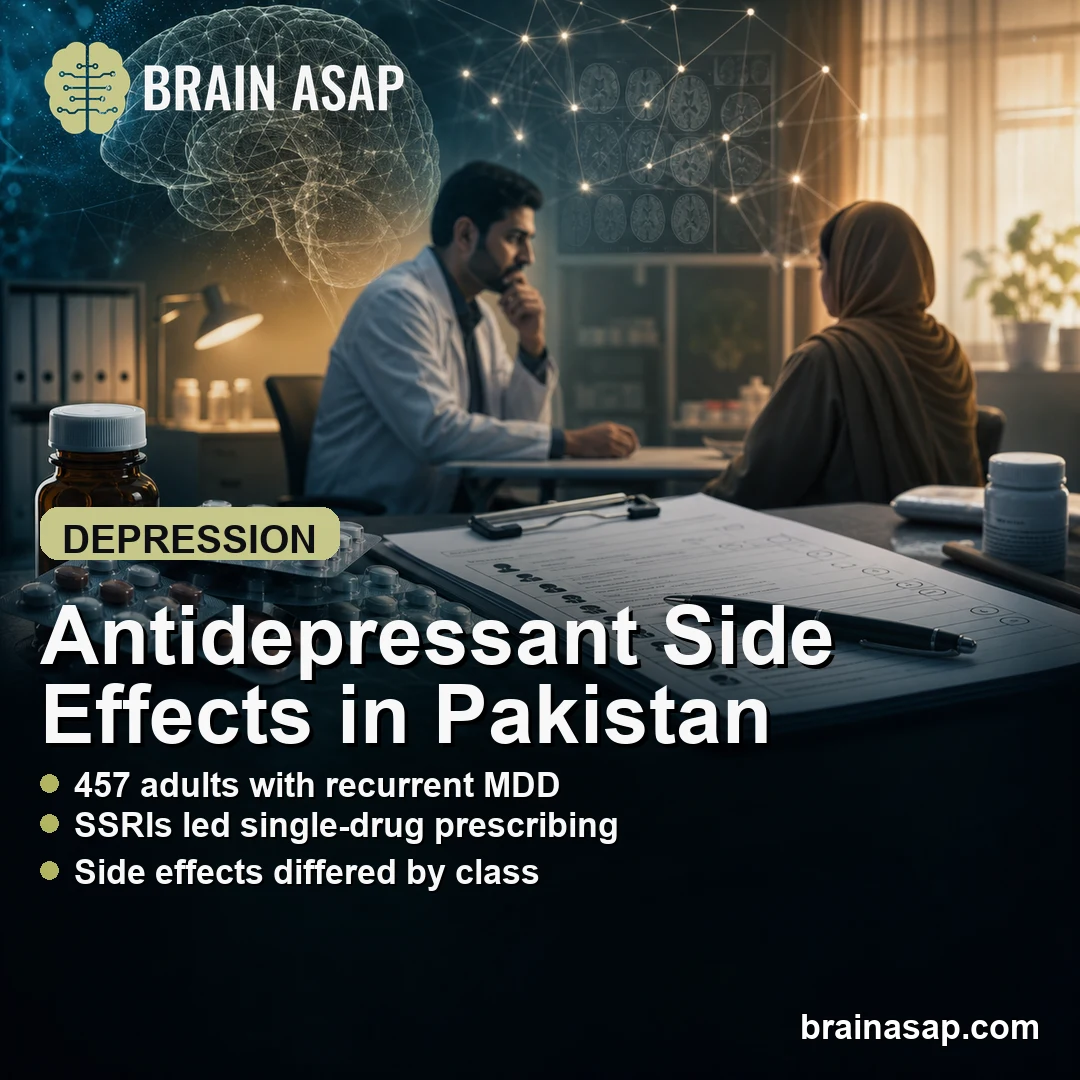
TL;DR: A 2026 study in Annals of General Psychiatry found that, among 457 adults with recurrent major depressive disorder in Pakistan, escitalopram was the most common single antidepressant and reported side effects varied sharply by drug class. Key Findings C…
Read article ↗
TL;DR: A 2026 retrospective database study in Archives of Orthopaedic and Trauma Surgery found that people with major upper-extremity amputations had higher one-year rates of new mental-health diagnoses, antidepressant starts, and psychotherapy use than matche…
Read article ↗
TL;DR: A 2026 methylome-wide study in Clinical Epigenetics found that genetically inferred CYP2C19 metaboliser status, a pharmacogenomic marker relevant to antidepressant handling, was associated with DNA methylation patterns in a large Scottish cohort. Key Fi…
Read article ↗