A study found shared brain-specific mechanisms between Alzheimer’s disease (AD) and depression, particularly involving synaptic signaling and immune system pathways in the hippocampus, but no direct genetic overlap. Highlights: Six brain-specific eQTL genes (S…
Read article ↗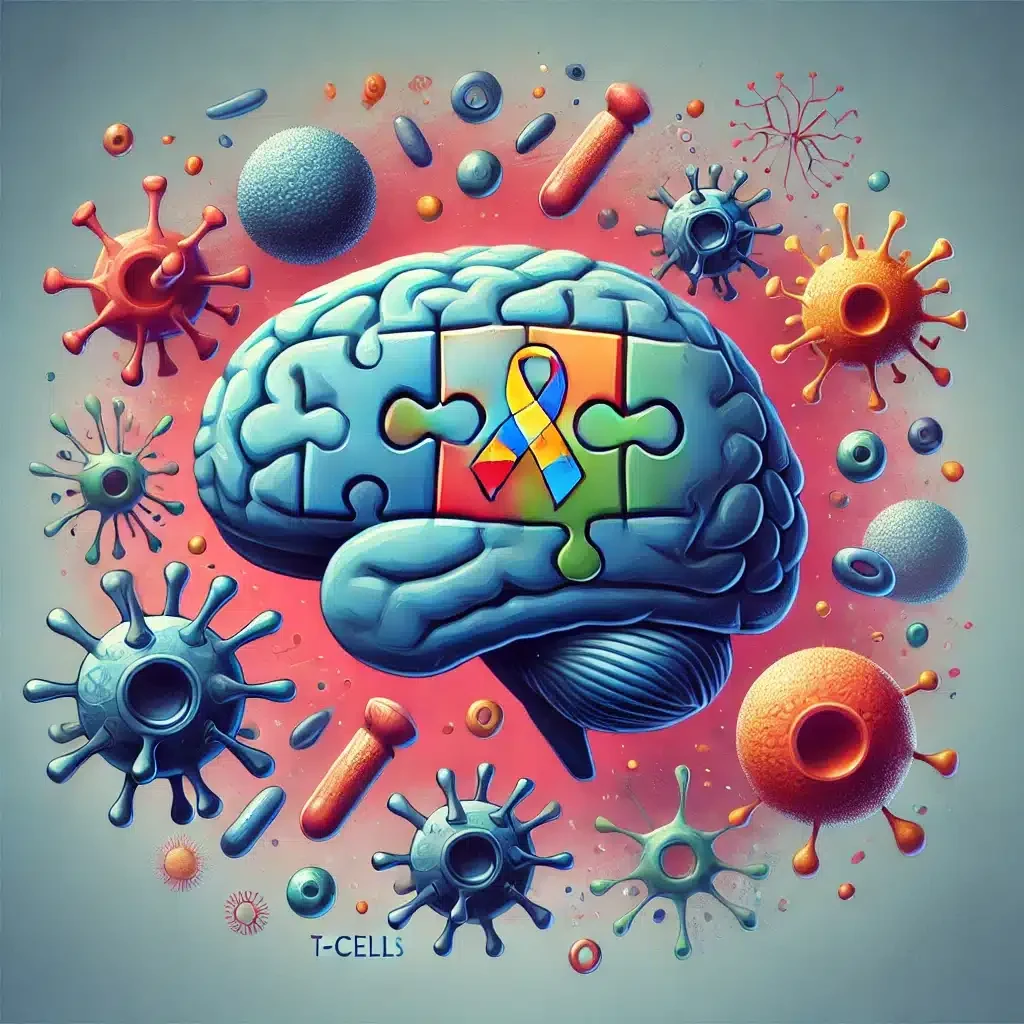
A study reported significant causal relationships between specific immune cell subtypes and autism spectrum disorder (ASD), highlighting 26 genetic correlations and potential biomarkers for early detection and treatment. Highlights: Significant Genetic Correla…
Read article ↗
Major depressive disorder (MDD) is a highly prevalent and debilitating condition. Novel treatment approaches are needed, especially for individuals with treatment-resistant depression. This study investigated the effects of adjunctive minocycline on immune-inf…
Read article ↗
Long COVID syndrome (LCS) is a complex, chronic condition that can arise after COVID-19 infection. Key facts about LCS: Affects an estimated 10-30% of COVID survivors Causes debilitating symptoms lasting months to years after initial infection Impacts nearly e…
Read article ↗
Obsessive-compulsive disorder (OCD) is a complex neuropsychiatric illness impacting approximately 2% of the global population. The disorder is characterized by intrusive, irrational thoughts (obsessions) and repetitive behaviors (compulsions) that patients fee…
Read article ↗
A new study provides evidence that the psychedelic compound psilocybin has both immediate and lasting anti-inflammatory effects in healthy volunteers. The findings shed light on how psilocybin may improve mood, social behavior, and potentially treat depression…
Read article ↗
A new study in mice shows how the immune system may play a role in the early gastrointestinal symptoms of Parkinson’s disease, decades before movement problems develop. Researchers found that injecting a specific piece of the alpha-synuclein protein into genet…
Read article ↗
Feeling lonely and socially isolated is associated with poorer health outcomes and increased risk of early mortality. Research in monkeys now reveals how loneliness impacts the immune system, providing clues into the mechanisms underlying the health risks of l…
Read article ↗