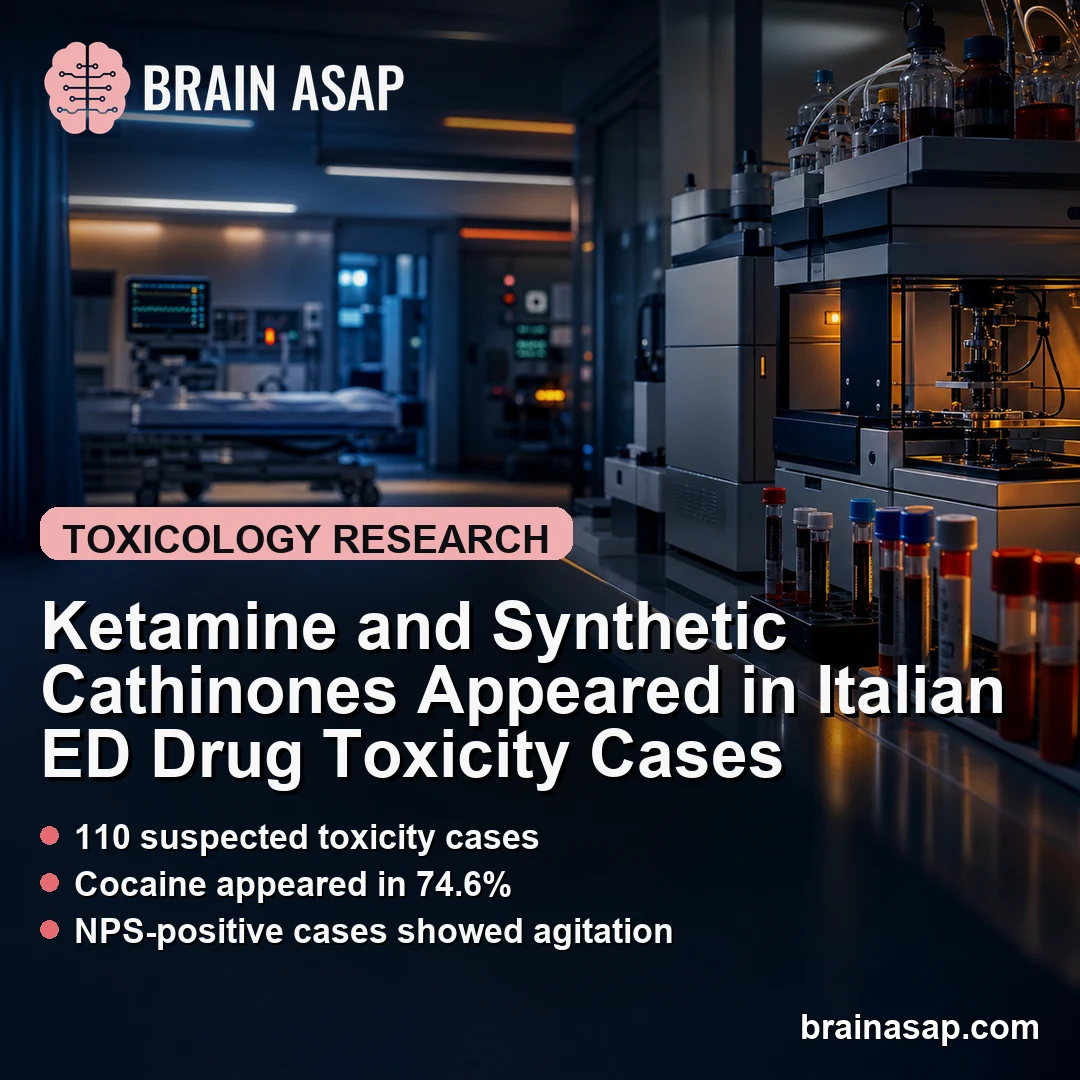
TL;DR: A 2026 observational study in International Journal of Legal Medicine found that cocaine dominated analytically confirmed recreational drug toxicity cases in one Bologna emergency department, while ketamine was common and all new-psychoactive-substance-…
Read article ↗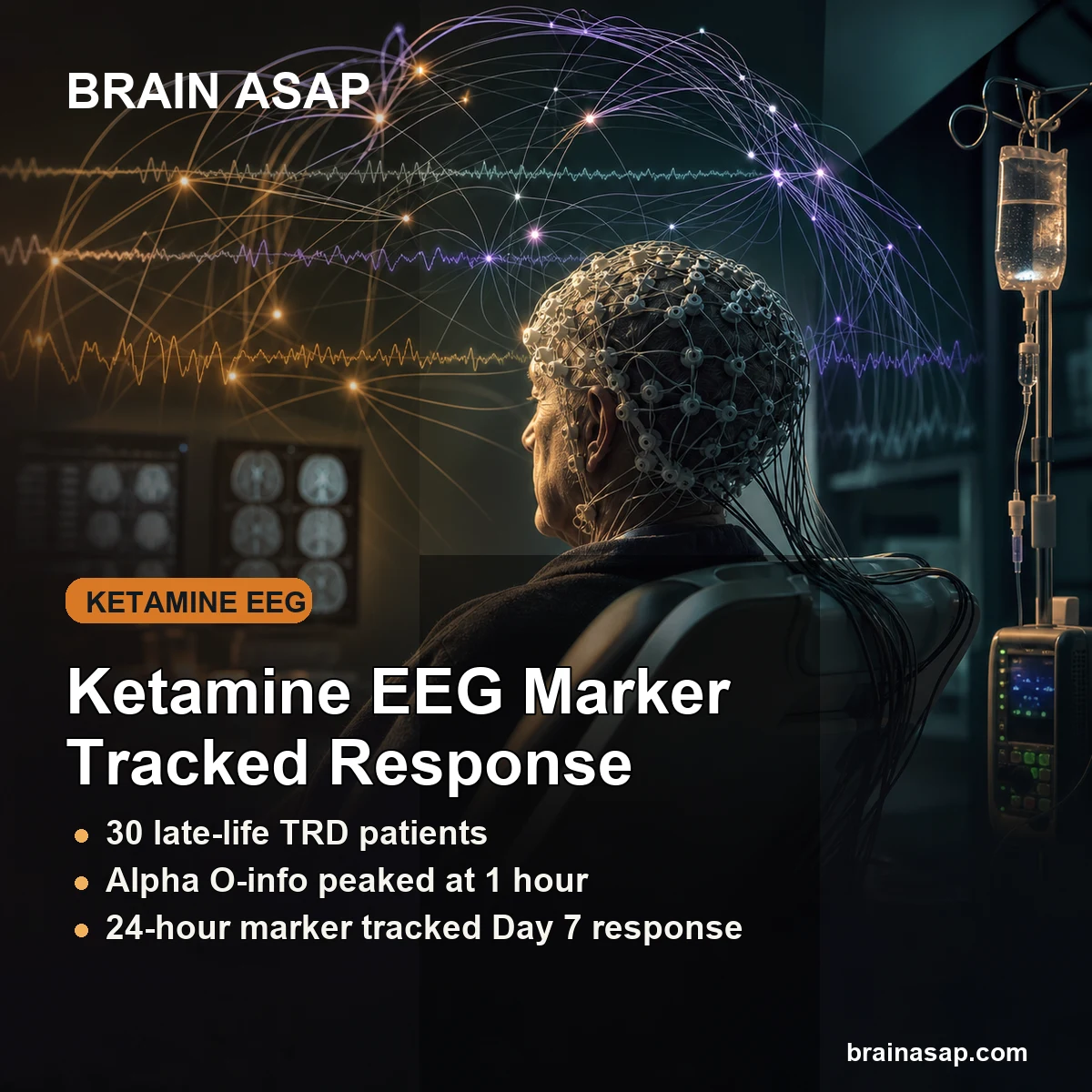
TL;DR: A 2026 study in Translational Psychiatry found that ketamine changed EEG-derived high-order brain interactions in late-life treatment-resistant depression, and a 24-hour increase in alpha-band redundancy tracked greater depression improvement by Day 7.…
Read article ↗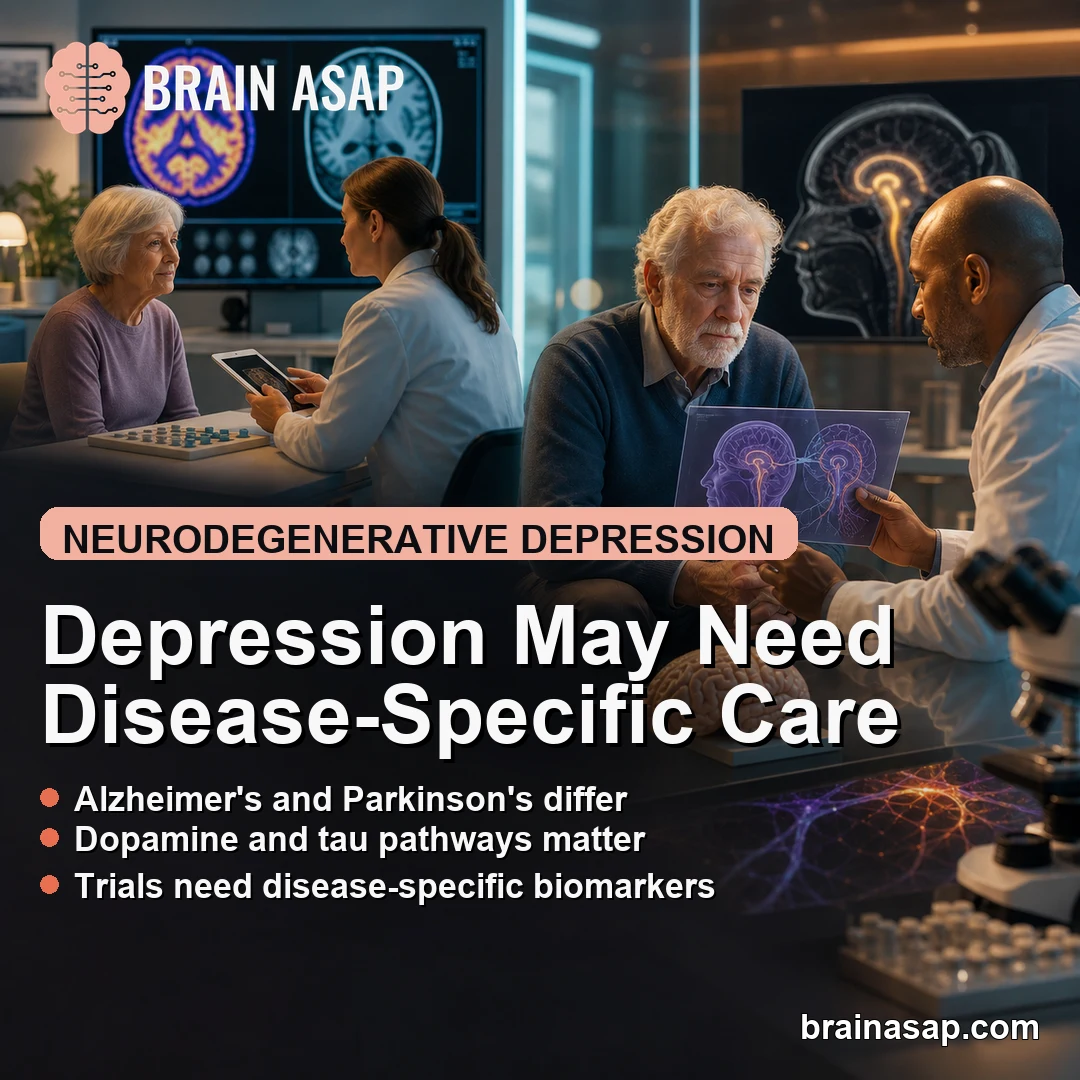
TL;DR: A 2026 narrative review in Molecular Psychiatry argues that depression in Alzheimer’s disease and Parkinson’s disease follows disease-specific brain mechanisms, while standard antidepressant evidence remains weak in these neurodegenerative populations.…
Read article ↗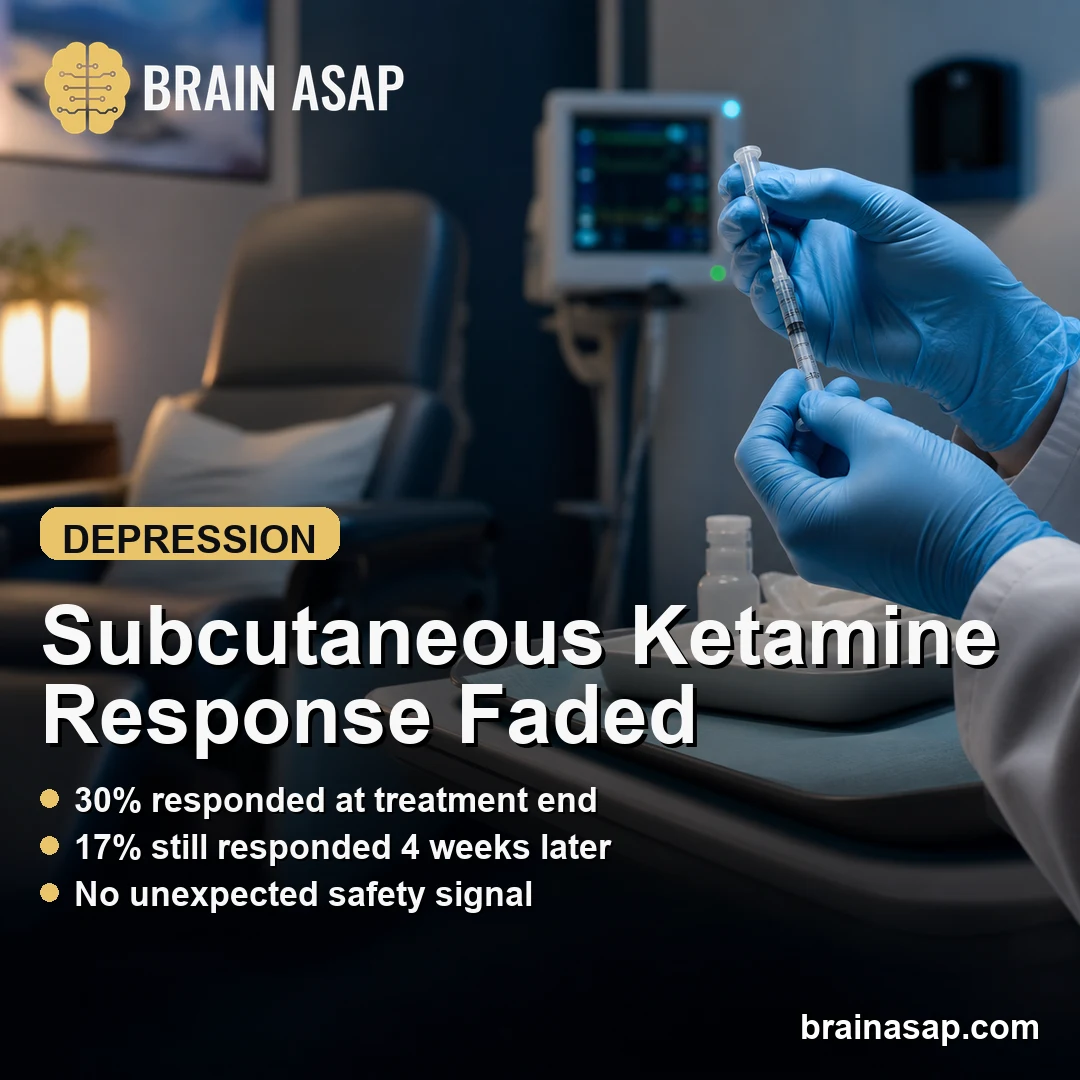
TL;DR: A 2026 study in The British Journal of Psychiatry found that 4 weeks of twice-weekly subcutaneous racemic ketamine helped a minority of people with treatment-resistant depression, but response fell from 30% at treatment end to 17% 4 weeks later. Key Fin…
Read article ↗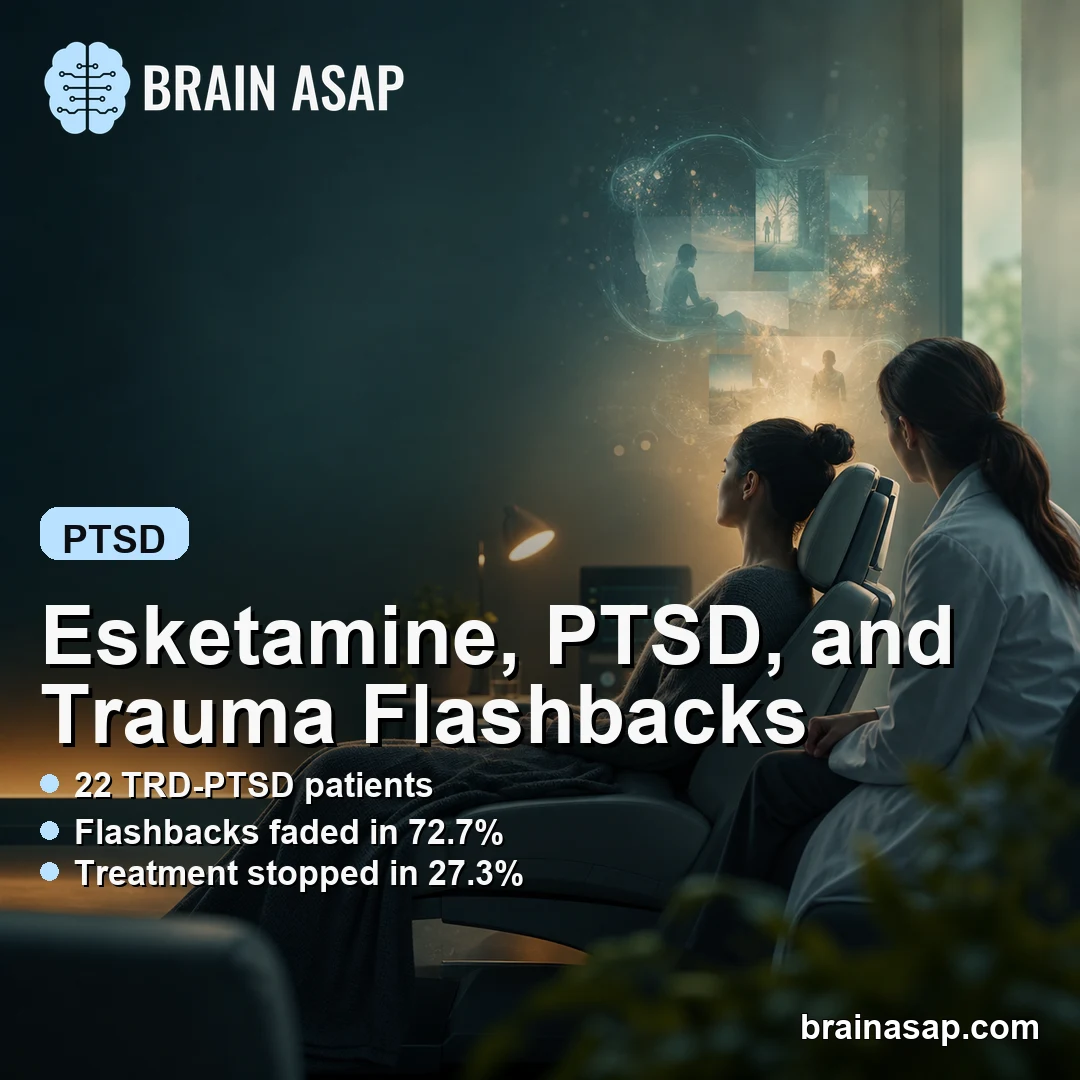
TL;DR: A 2026 retrospective case series study in European Journal of Psychotraumatology found that trauma flashbacks during esketamine nasal spray sessions were distressing but usually time-limited in 22 patients with treatment-resistant depression and PTSD; w…
Read article ↗
Connexin 36 Loss Disrupted Thalamocortical Synchrony TL;DR: Deleting connexin 36 left broad sleep architecture mostly intact but disrupted fast brain electrical rhythms measured by electroencephalography (EEG), along with sensory-response markers often discuss…
Read article ↗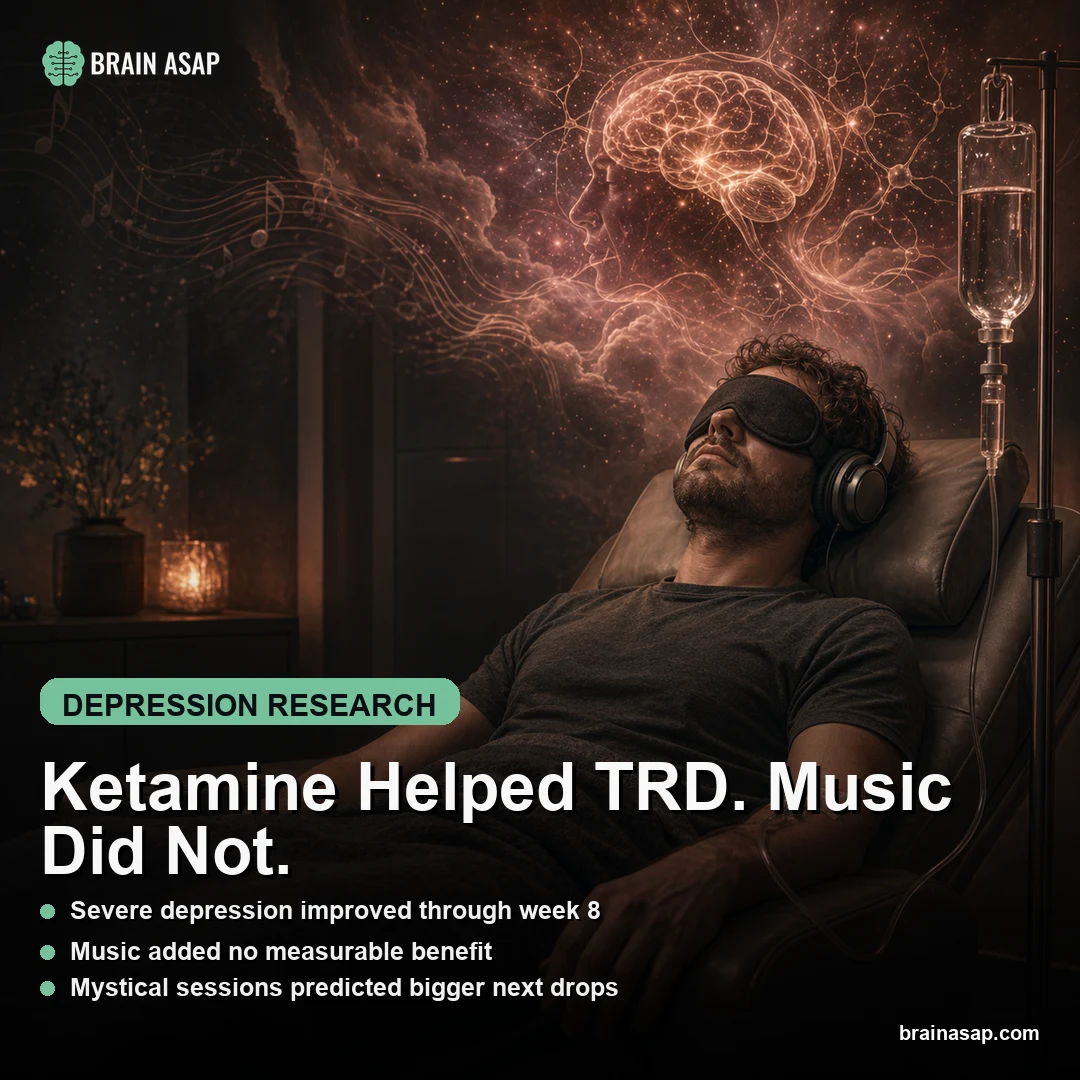
TL;DR: A 2026 randomized trial in The British Journal of Psychiatry found 6 ketamine infusions improved severe treatment-resistant depression, but curated music added no measurable benefit; higher mystical-experience scores still predicted the next session’s d…
Read article ↗
Ketamine Restored Reward Bias Across Species TL;DR: Ketamine restored reward-learning bias in both treatment-resistant depression and chronically stressed rats while leaving basic discrimination unchanged. Key Findings Reward bias increased: Ketamine significa…
Read article ↗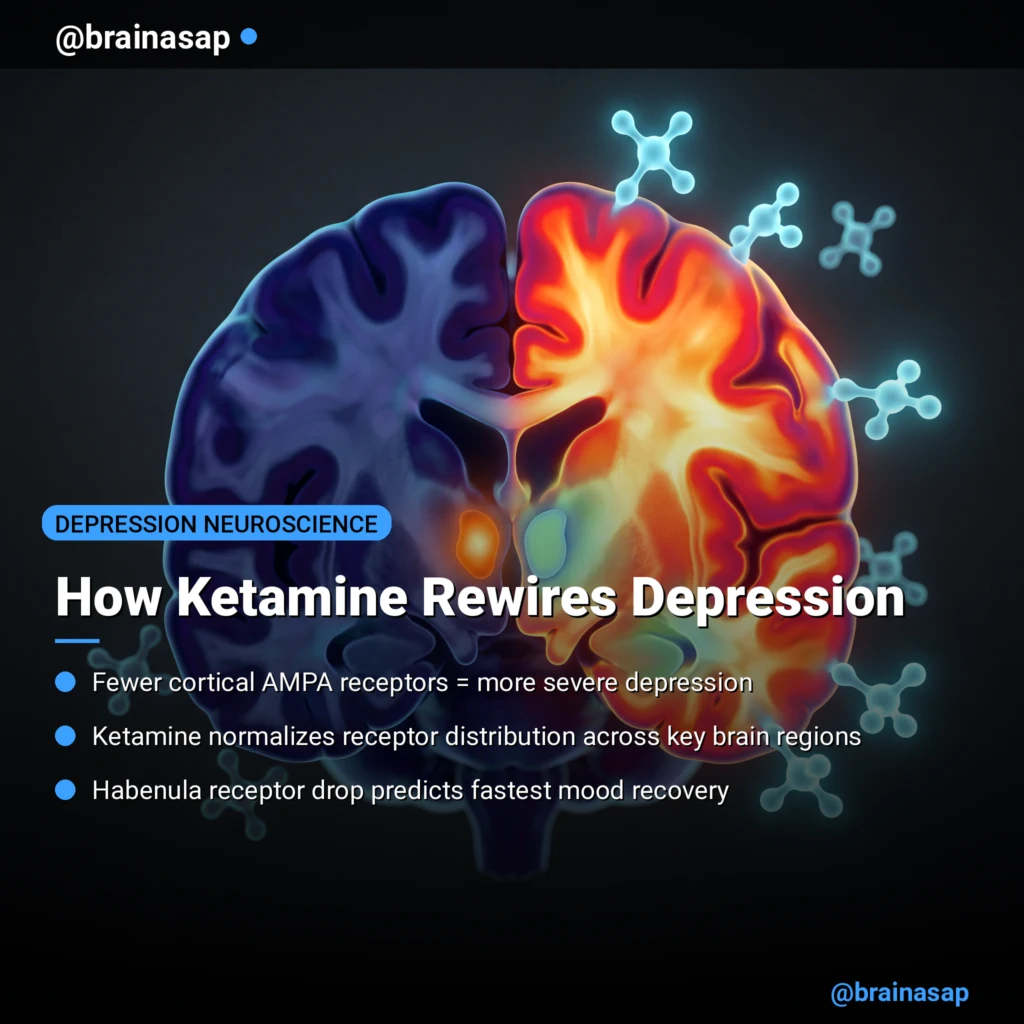
How Ketamine Rewires Receptors to Beat Depression TL;DR: Using PET imaging to directly visualize AMPA receptors in the living human brain, researchers discovered that ketamine’s rapid antidepressant effect works by reshuffling these receptors across specific b…
Read article ↗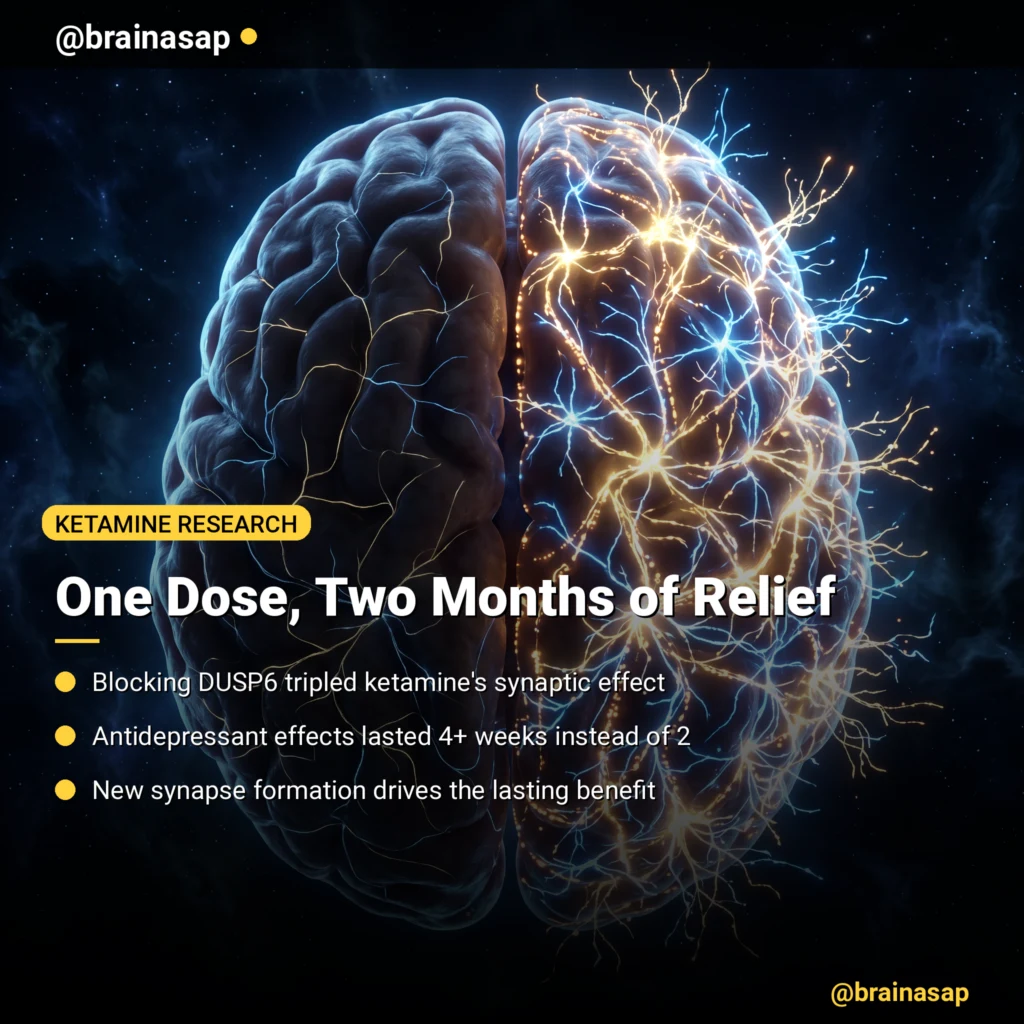
How Scientists Turned a Brief Ketamine High into a Two-Month Antidepressant Effect TL;DR: Blocking DUSP6 protein alongside ketamine extends antidepressant effects from 2 weeks to 4+ weeks in mice, potentially offering single-dose treatment instead of repeated…
Read article ↗