TL;DR: A 2026 preprint in medRxiv tested an interpretable machine-learning model for focal cortical dysplasia (FCD), a lesion linked to drug-resistant epilepsy, and found that hemispheric-asymmetry MRI features classified 39 of 50 subjects correctly in leave-o…
Read article ↗
TL;DR: A 2025 medRxiv fMRI preprint linked higher apathy in both traumatic brain injury (TBI) and control groups to greater effort discounting, while TBI-related apathy was also associated with less exploratory decision-making and weaker neural encoding of dif…
Read article ↗
TL;DR: A 2026 preprint in medRxiv reported that people living with dementia (PLwD) and carers were generally open to artificial intelligence (AI) support in structured medication reviews, but only when AI remained validated, transparent, secure, and subordinat…
Read article ↗
TL;DR: A 2026 preprint in medRxiv found that routine non-contrast brain computed tomography (CT) had a low acute-pathology yield in 291 emergency patients with new dizziness, while diabetes, ataxic gait, and headache marked higher odds of abnormal CT findings.…
Read article ↗
TL;DR: A 2026 medRxiv preprint used functional MRI (fMRI) and complex harmonics decomposition to study mindfulness-based cognitive therapy in 80 people with major depressive disorder, reporting post-treatment changes in whole-brain manifolds during rumination.…
Read article ↗
TL;DR: A 2026 preprint in medRxiv found that poor sleep tracked faster biological aging across more than 64,000 adults, but twin and genetic analyses left the causal claim mixed rather than settled. Key Findings 64,000+ adults: Researchers tested sleep and agi…
Read article ↗
TL;DR: A 2026 medRxiv preprint found that stroke thrombectomy operators often had a preferred device technique, but that preference did not reliably match the technique with the highest first-pass reperfusion rate. Key Findings Stroke thrombectomy cohort: The…
Read article ↗
TL;DR: A 2026 preprint on medRxiv found that in-person cognitive behavioral therapy for insomnia and several shorter behavioral versions were linked with higher post-treatment insomnia remission than sleep hygiene or other control conditions, but the evidence…
Read article ↗
TL;DR: A 2026 preprint in medRxiv reported that frailty and medical comorbidity predicted short-term outcomes more clearly than psychiatric history among older adults evaluated by consultation-liaison psychiatry teams in Spanish general hospitals. Key Findings…
Read article ↗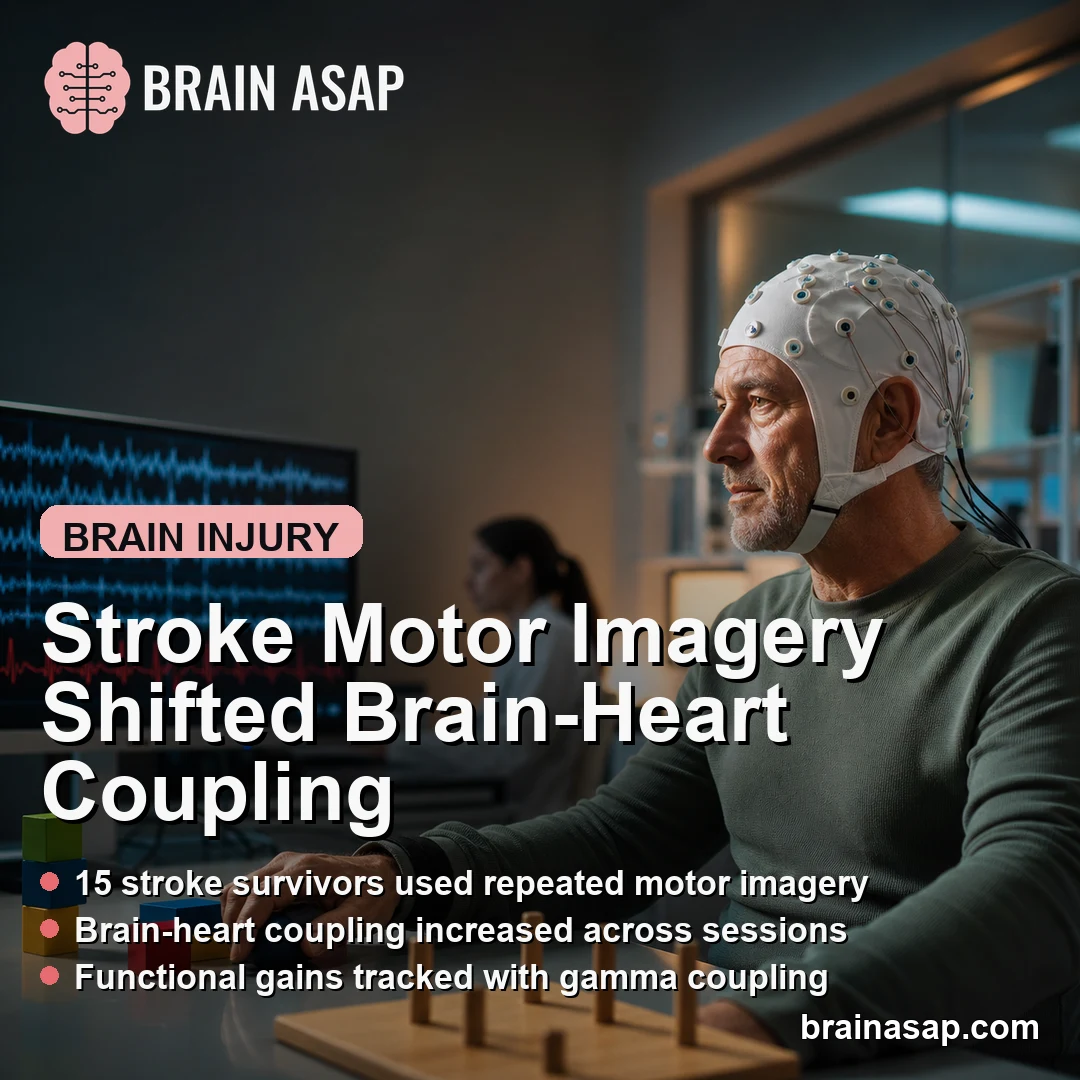
TL;DR: A 2026 preprint in medRxiv found that stroke survivors doing motor imagery showed changing brain-heart coupling across rehabilitation sessions, especially between cardiac sympathetic activity and electroencephalography (EEG) beta-band network clustering…
Read article ↗