TL;DR: A 2026 systematic review and meta-analysis in Archives of Women’s Mental Health linked prenatal active tobacco smoking with higher odds of postpartum depression, while secondhand smoke and electronic nicotine-product estimates were not statistically cle…
Read article ↗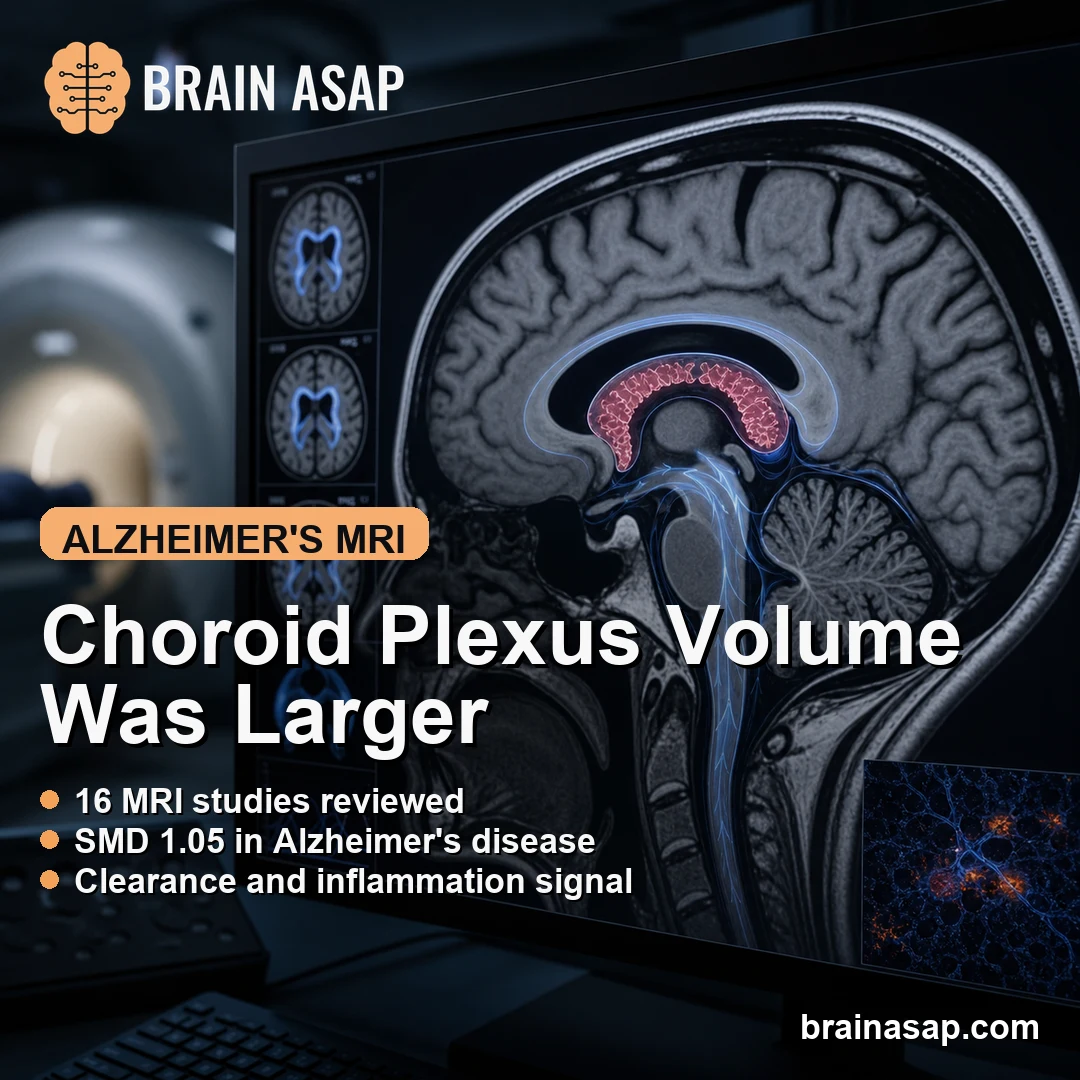
TL;DR: A 2026 systematic review and meta-analysis in Journal of Alzheimer’s Disease found that choroid plexus volume, an MRI-visible structure involved in cerebrospinal-fluid regulation and immune signaling, was larger in Alzheimer’s disease than in healthy co…
Read article ↗
TL;DR: A 2026 systematic review and meta-analysis in Psychogeriatrics linked loneliness with Alzheimer’s disease and several forms of suicidal behavior, with especially strong shared correlations for hopelessness, insomnia, entrapment, and stress. Key Findings…
Read article ↗
Ketamine significantly reduces suicidal ideation in depressed patients, with rapid effects observed within the first day of treatment. Highlights: Rapid Reduction: Ketamine shows a significant reduction in suicidal ideation within the first day of treatment (R…
Read article ↗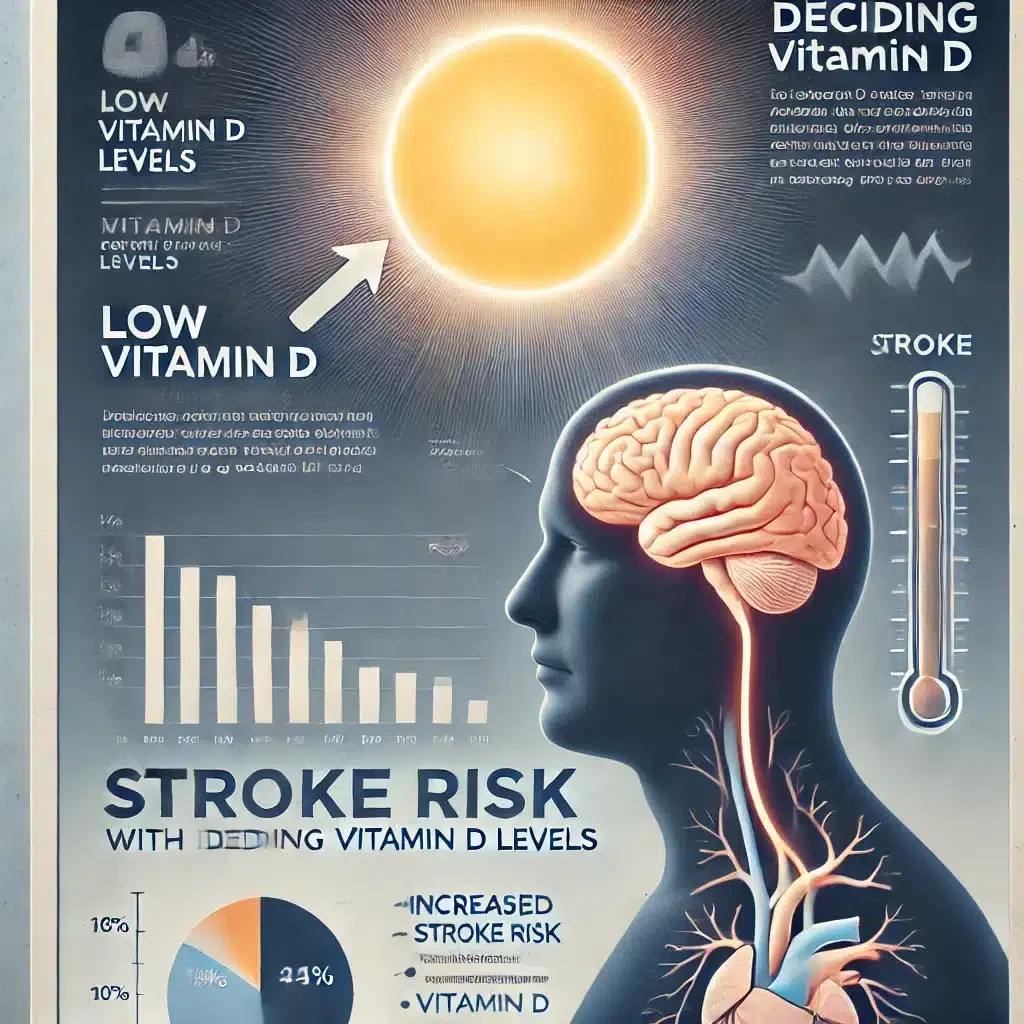
TLDR: Lower serum vitamin D levels are associated with an increased risk of stroke, particularly ischemic stroke, and are linked to poorer stroke outcomes. Highlights: The meta-analysis included 27 studies with 45,302 participants, finding a combined relative…
Read article ↗
TLDR: A study found a bidirectional causal relationship between depression and osteoarthritis (OA) but only a one-way relationship where depression increases the risk of knee osteoarthritis (KOA). Highlights: Bidirectional Causality: There is a bidirectional c…
Read article ↗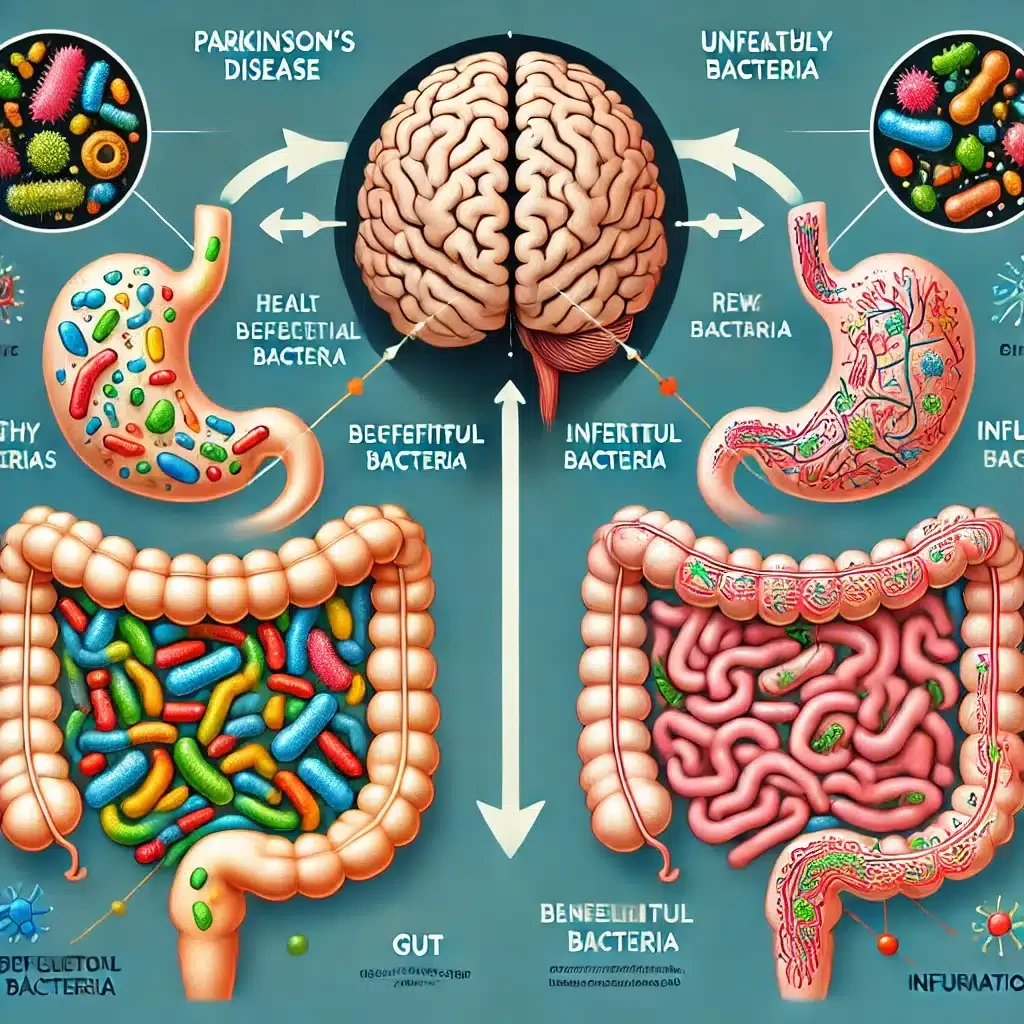
TLDR: A study identified specific gut microbial features in Parkinson’s disease (PD) across different countries, highlighting increased α-diversity, altered bacterial species, and decreased metabolites in PD patients. Highlights: Increased α-Diversity: The stu…
Read article ↗
TLDR: High screen time exposure is significantly associated with an increased risk of myopia in children and adolescents, with computer use showing the strongest correlation, followed by television, while smartphone use shows no significant association. Highli…
Read article ↗
TLDR: Omega-3 supplementation shows potential for reducing anxiety symptoms, with the most significant improvement at a dose of 2 grams per day. Highlights: Dose-Dependent Effect: Each 1 gram per day of omega-3 supplementation led to a moderate decrease in anx…
Read article ↗
Researchers conducted a comprehensive analysis comparing 20 antidepressants to identify the most effective options for preventing relapse in patients with major depressive disorder (MDD). Their findings suggest desvenlafaxine, paroxetine, venlafaxine and vorti…
Read article ↗