
TL;DR: A 2026 Nature Communications paper introduced EmulatRx, a multi-agent AI framework that used real-world clinical data to help design target-trial-emulation workflows for acute and chronic diseases, including Alzheimer disease and Parkinson disease examp…
Read article ↗
TL;DR: A 2026 Nature Communications study found that chronic tumor necrosis factor alpha (TNF-alpha), an inflammatory cytokine, pushed human hippocampal progenitor cells toward type I interferon activity, lower neuroblast formation, and CXCR3-dependent T-cell…
Read article ↗
TL;DR: A 2026 study in Nature Communications found that neuropsychiatric disorder risk did not map onto cognition as one general trait. Schizophrenia, bipolar disorder, ADHD, autism, and Alzheimer’s disease showed different genetic links with reaction time, fl…
Read article ↗
TL;DR: A 2026 study in Nature Communications reported that tubulin redirected Tau and alpha-synuclein condensates toward microtubule-building states, while tubulin loss pushed the same protein system toward toxic oligomers in cell models. Key Findings 36-hour…
Read article ↗
TL;DR: A 2026 study in Nature Communications found that proteotoxic stress can push neurons into karyoptosis, a cell-death pathway marked by nuclear lamina breakdown, nuclear-material expulsion, and dementia-linked tissue signatures. Key Findings Karyoptosis w…
Read article ↗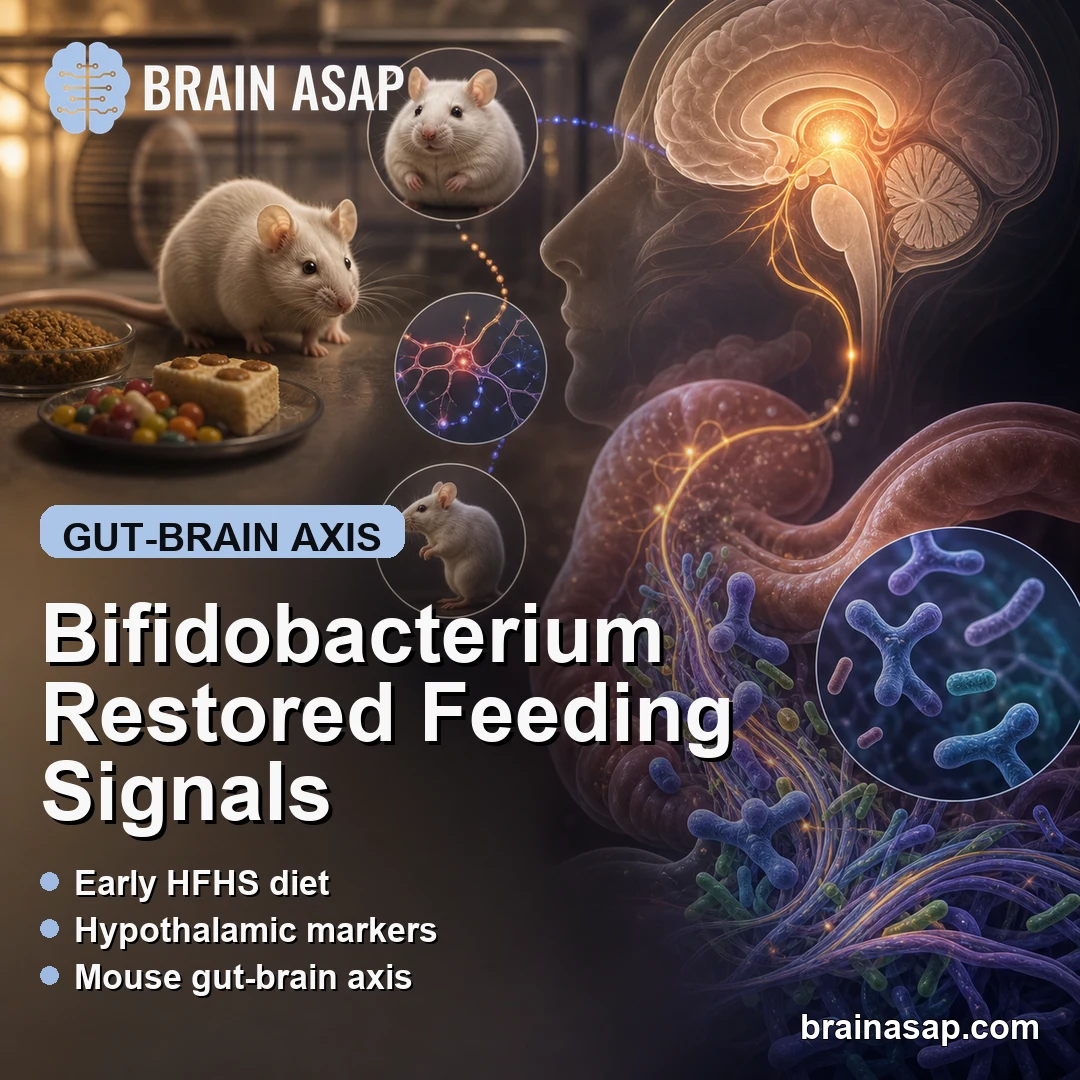
TL;DR: A 2026 mouse study in Nature Communications found that early-life high-fat/high-sugar diet exposure left sex-specific adult feeding and hypothalamic changes, and microbiota-targeted interventions partly restored those effects. Key Findings Early-life HF…
Read article ↗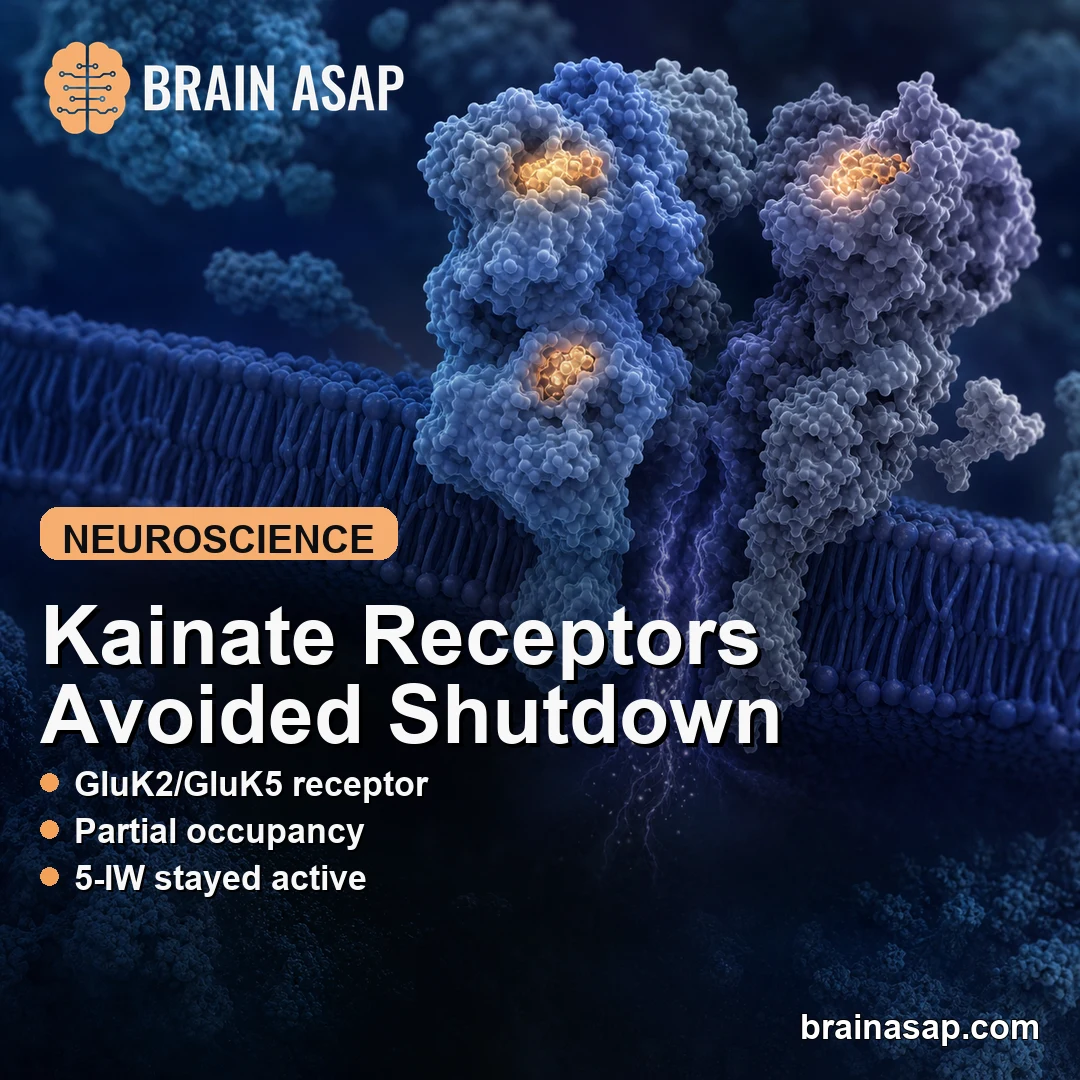
TL;DR: A 2026 study in Nature Communications used cryo-electron microscopy and patch-clamp recordings to show how partially occupied GluK2/GluK5 kainate receptors can activate without entering the fast desensitized state that normally shuts glutamate receptors…
Read article ↗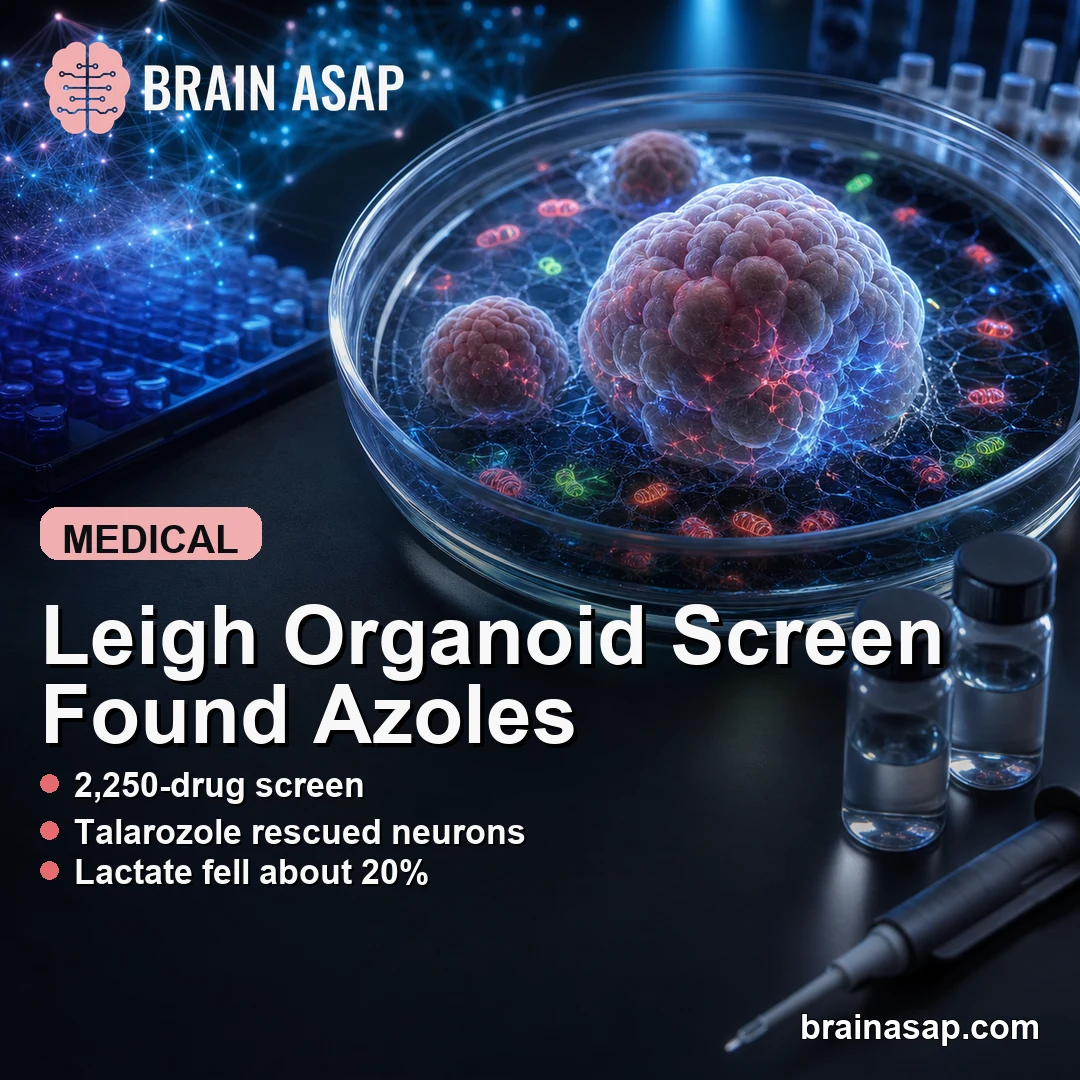
TL;DR: A 2026 study in Nature Communications used deep learning, yeast screening, and human brain organoids to identify talarozole and sertaconazole as preclinical candidates that rescued several SURF1-related Leigh syndrome cell and organoid phenotypes. Key F…
Read article ↗
TL;DR: A 2026 Nature Communications study found that extra MeCP2, the dosage-sensitive protein linked to Rett syndrome and MECP2 duplication syndrome, disrupted neural progenitor cells far more than mature neurons by activating developmental genes too early. K…
Read article ↗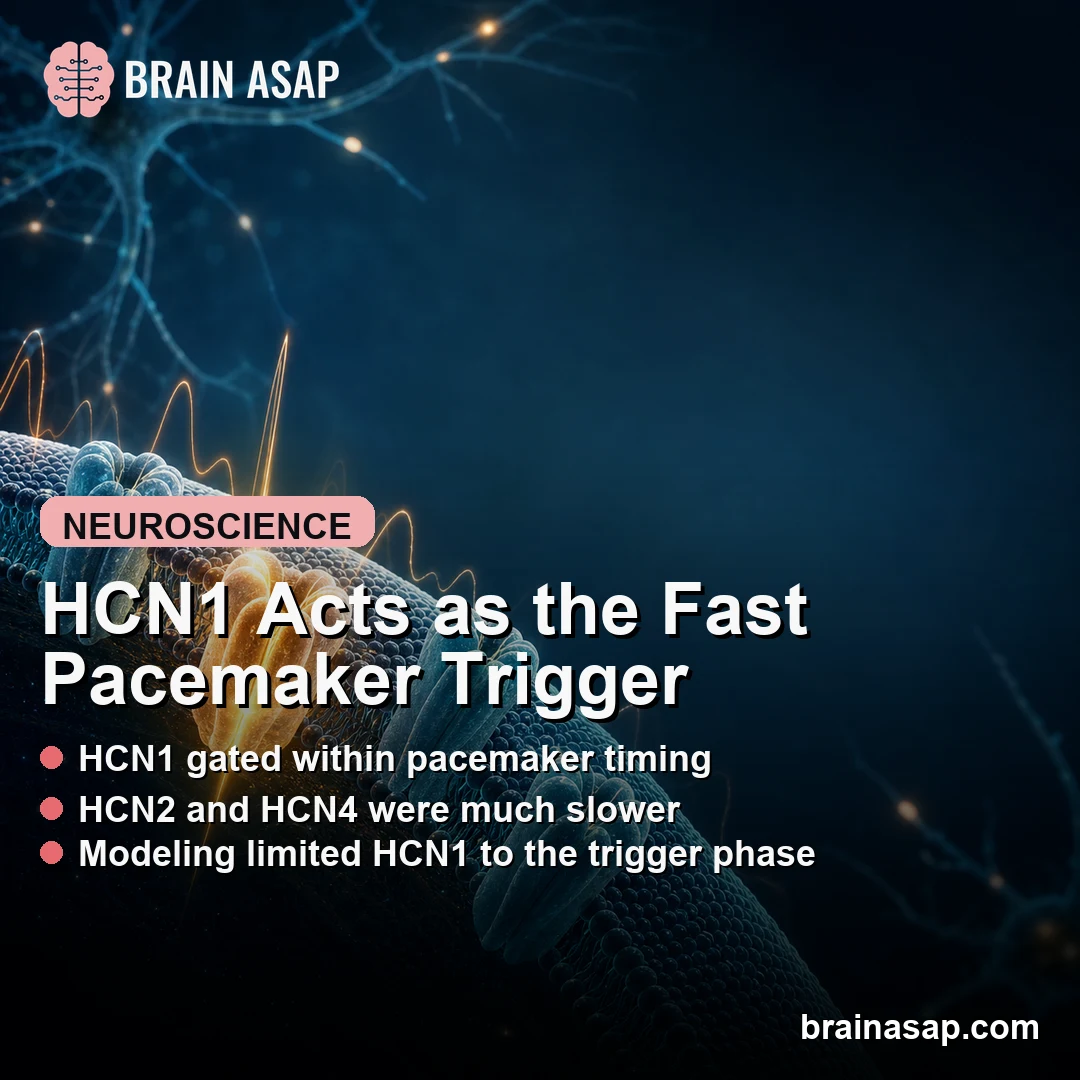
TL;DR: A 2026 Nature Communications study found that HCN1, an ion channel that helps neurons start rhythmic electrical firing, was fast enough to act as the trigger for neuronal pacemaker depolarization, while HCN2 and HCN4 mainly appeared too slow to drive ea…
Read article ↗