TL;DR: A 2026 Nature Communications study followed 100 Swedish participants from age 4 to 24 and found that more than half of detectable blood proteins changed with age, with sex-related protein differences becoming much larger by adolescence and early adultho…
Read article ↗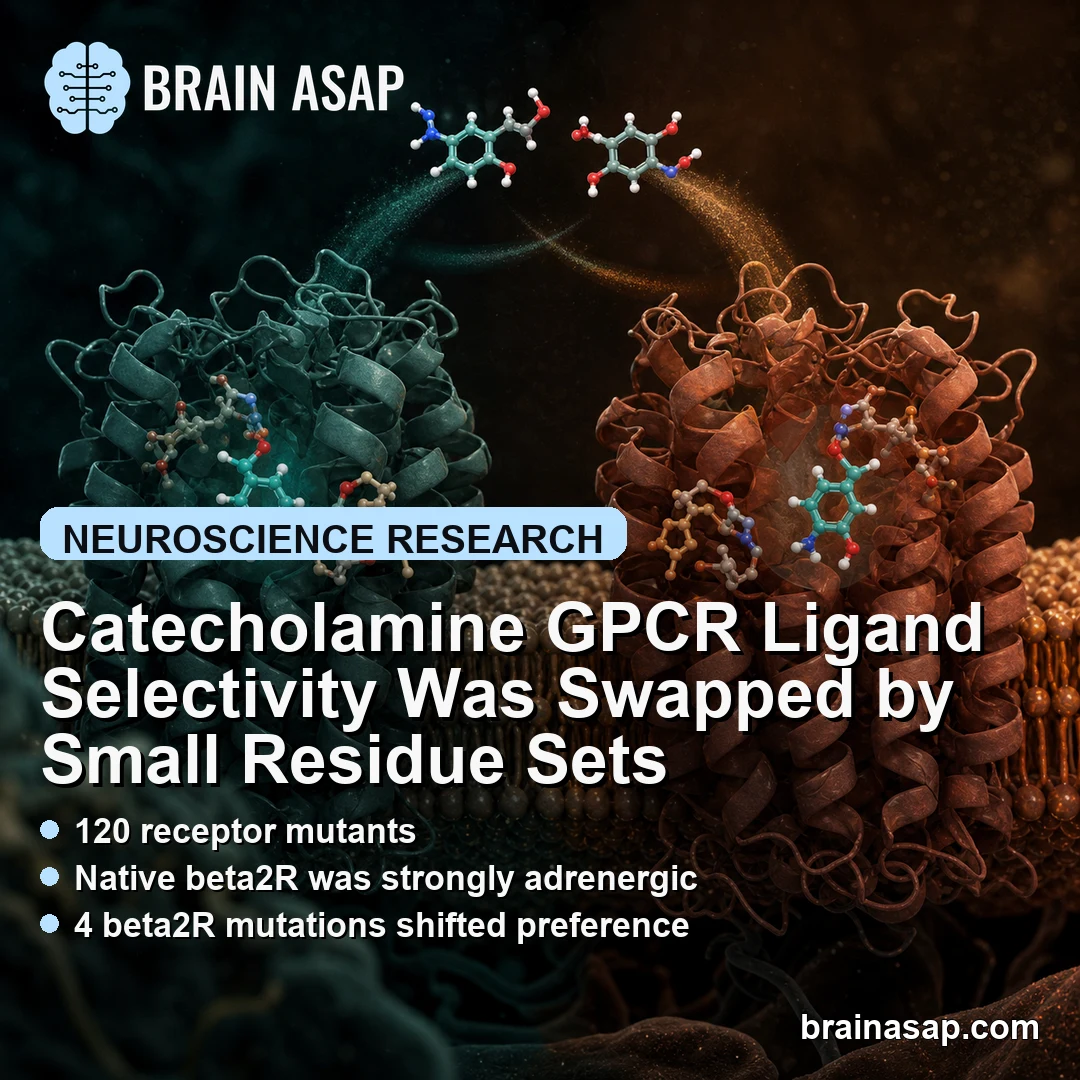
TL;DR: A 2026 Nature Communications study found that small sets of amino-acid changes could swap ligand preference between beta2 adrenergic and D1 dopamine receptors, showing that receptor selectivity depends on both the binding pocket and surrounding structur…
Read article ↗
TL;DR: A 2026 Nature Communications study in aging mouse and killifish brains found that deubiquitylases (DUBs), enzymes that help edit protein-cleanup tags, lost about 40% of their catalytic activity with age even when many of the same enzymes were still pres…
Read article ↗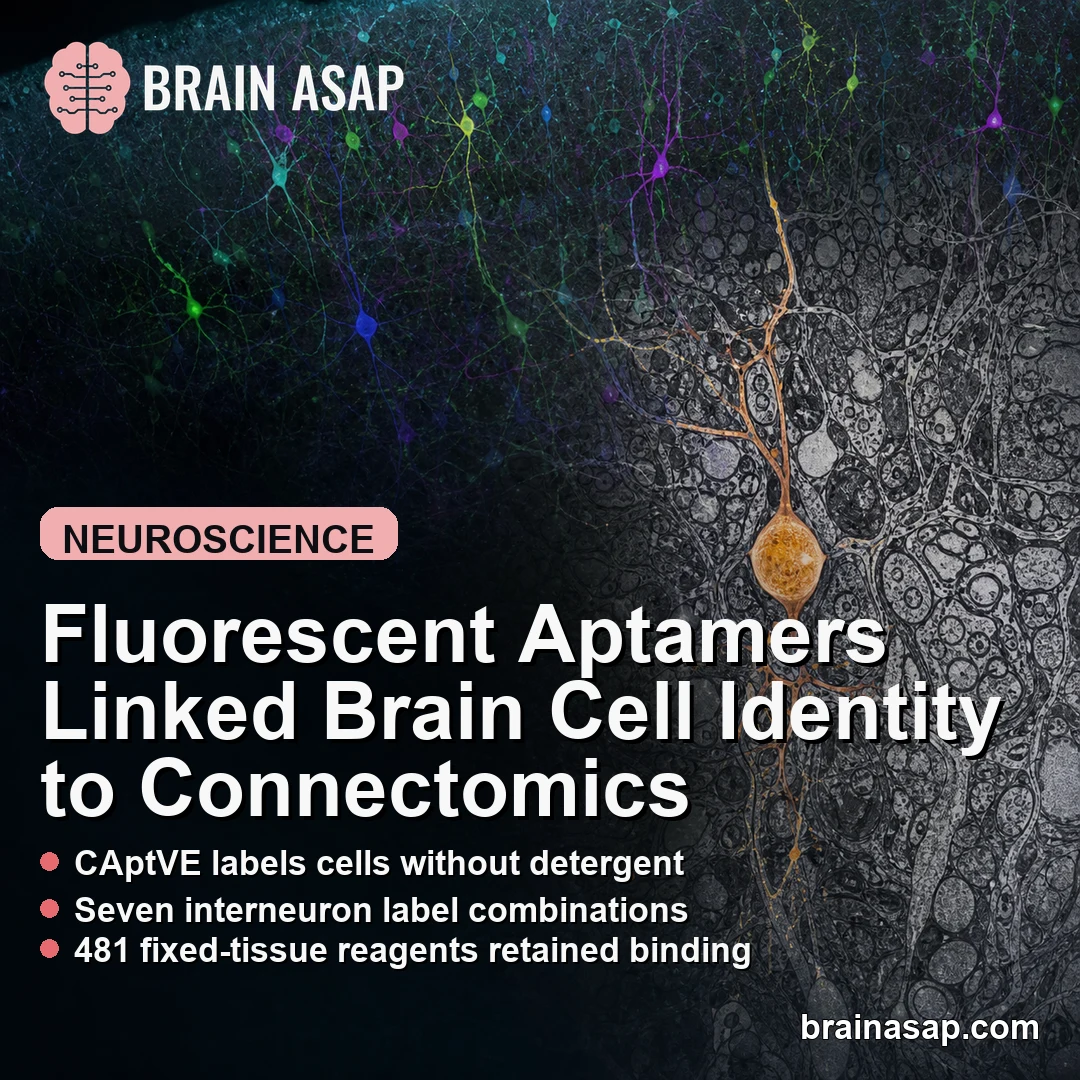
TL;DR: A 2026 Nature Communications paper introduced CAptVE, a fluorescent aptamer method that labels molecular features in mouse brain tissue while preserving ultrastructure for electron-microscopy connectomics. Key Findings Detergent-free labeling: CAptVE us…
Read article ↗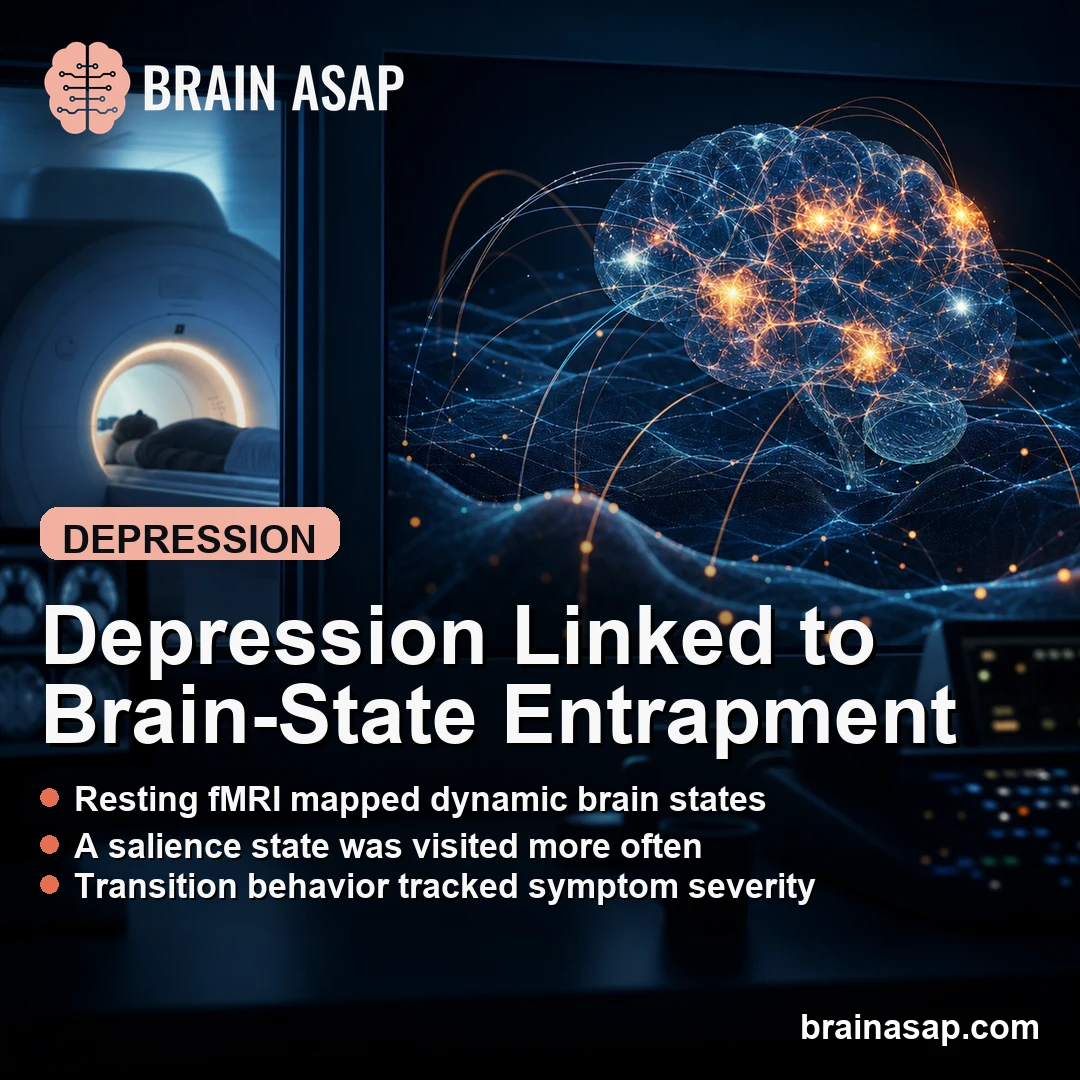
TL;DR: A 2026 study in Nature Communications used resting-state functional MRI (fMRI) to link major depressive disorder to more frequent but shorter visits to a salience-dominated brain state. Key Findings Resting-state fMRI compared depression with controls:…
Read article ↗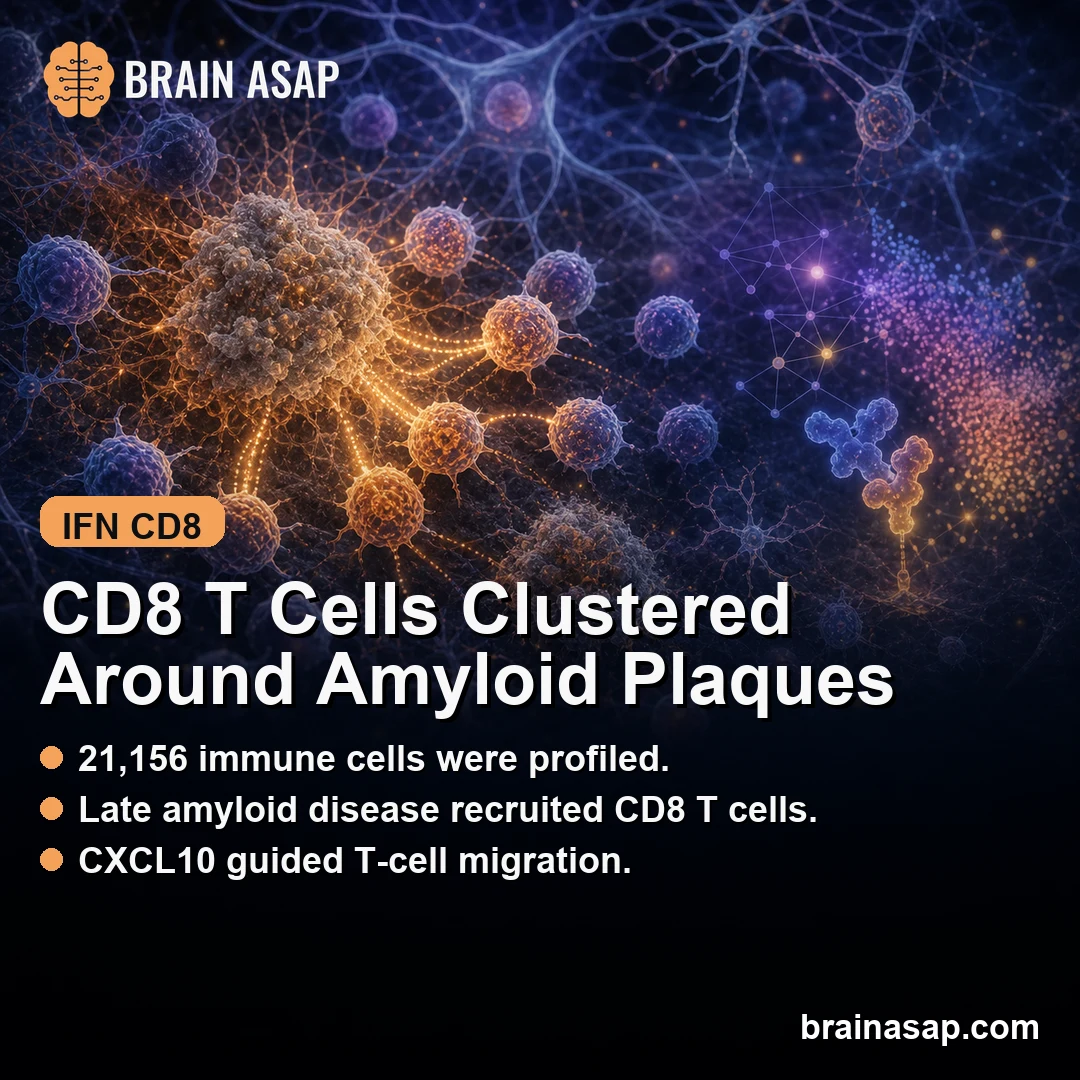
TL;DR: A 2026 Nature Communications paper found that late-stage amyloid beta plaques in APP23 mice recruited CD8 T cells with a type I interferon program, linking Alzheimer-like amyloid pathology to a more adaptive immune response around plaques. Key Findings…
Read article ↗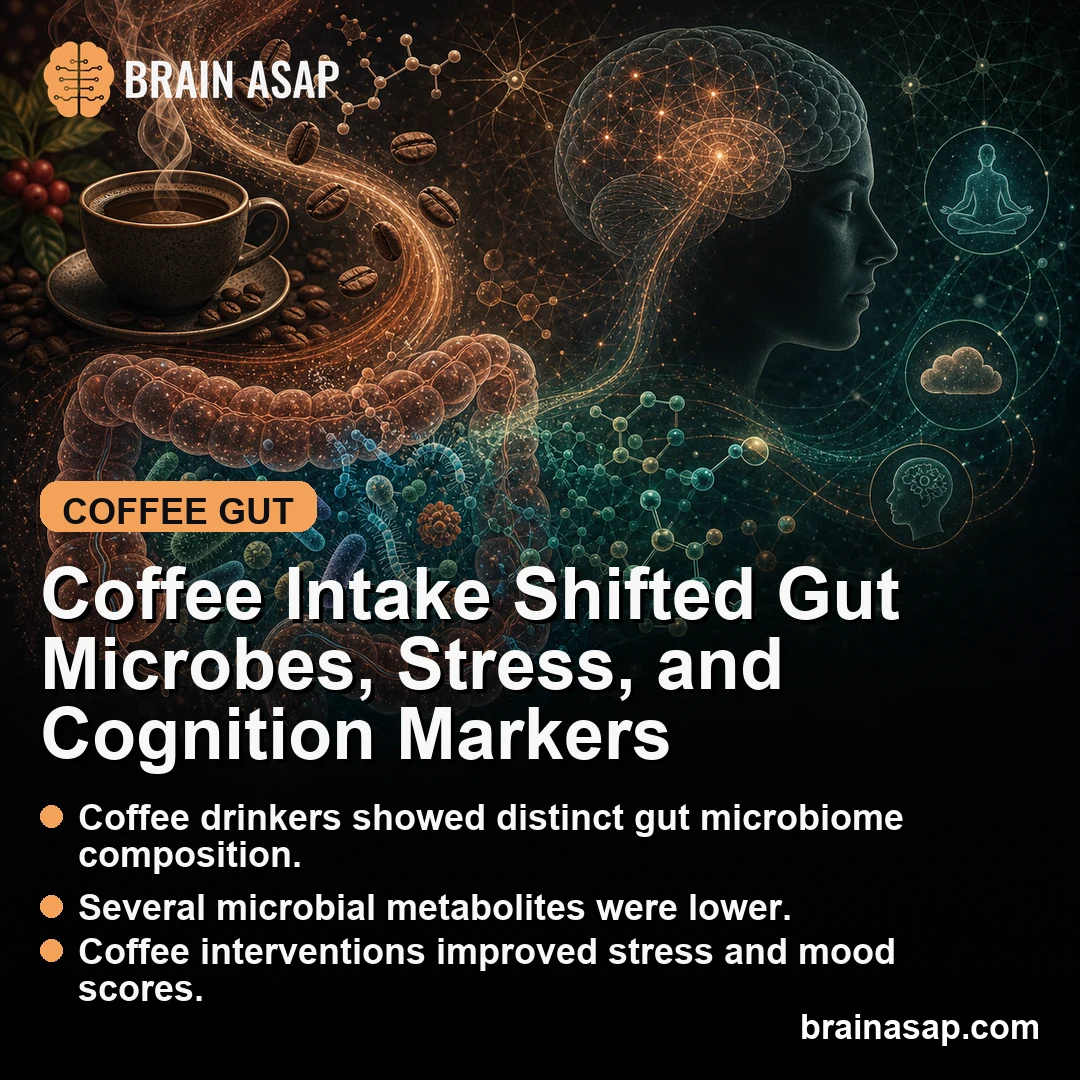
TL;DR: A 2026 human microbiome and intervention study in Nature Communications found that coffee drinkers showed distinct gut microbiome composition and lower several microbial metabolites, while caffeinated and decaffeinated coffee shifted stress and mood mea…
Read article ↗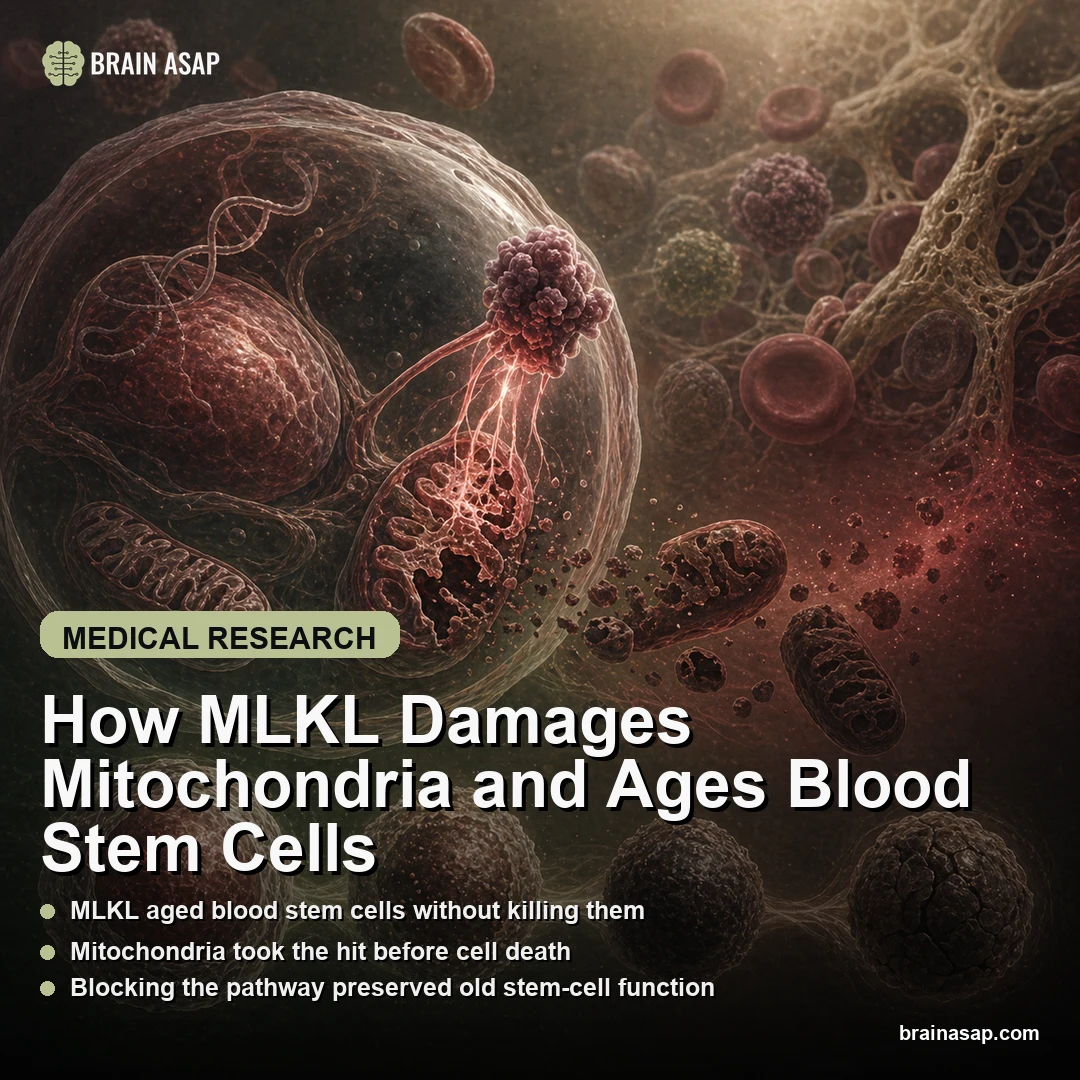
TL;DR: A 2026 study in Nature Communications found that in mice, stress from inflammation, forced cell division, cancer-like pressure, and aging activated MLKL in blood-forming stem cells without causing widespread cell death. Instead, active MLKL built up in…
Read article ↗
TL;DR: A 2026 study in Nature Communications found that self-administered finger-prick blood tests for phosphorylated tau 217 (p-tau217), an Alzheimer’s tau marker, and glial fibrillary acidic protein (GFAP), an astrocyte-injury marker, correlated with cogniti…
Read article ↗