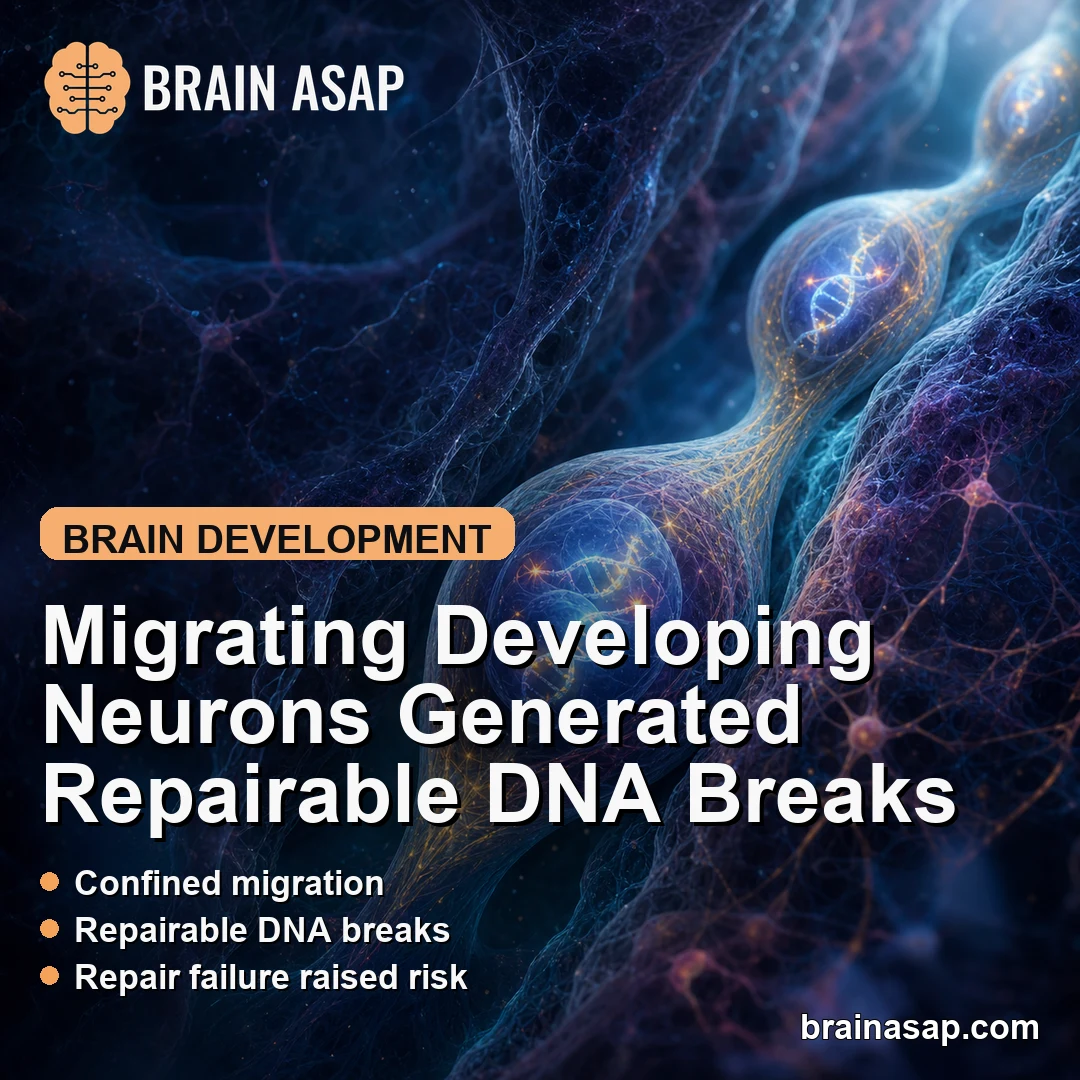
TL;DR: A 2026 mouse and cell study in Nature found that developing neurons can generate DNA double-strand breaks while moving through narrow brain tissue during migration, then usually repair those breaks without cell death. Key Findings Developing neurons: Th…
Read article ↗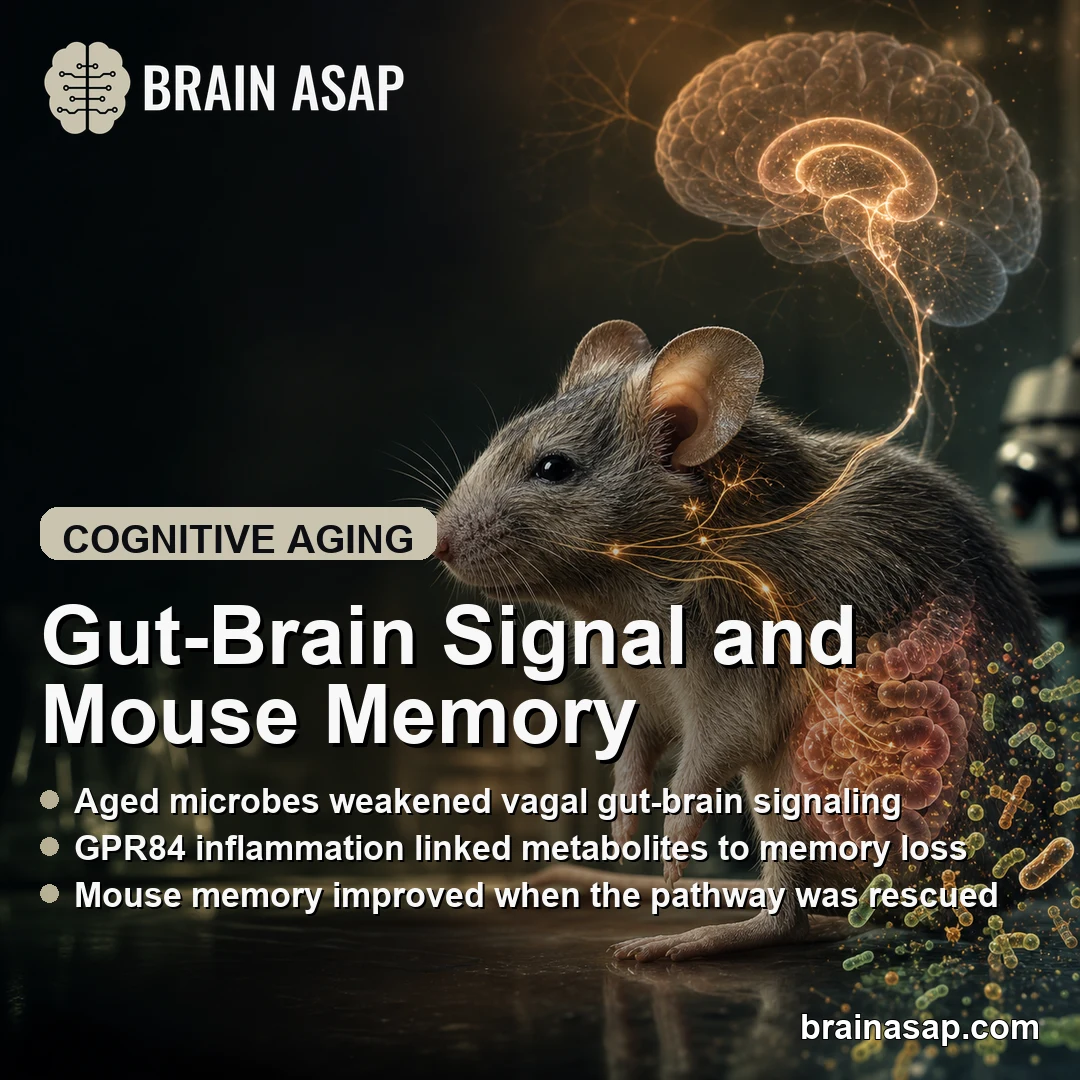
TL;DR: A 2026 mouse study in Nature found that age-related gut microbiome changes impaired vagal gut-brain signaling and hippocampal memory encoding, while several interventions restored memory performance in aged or microbiome-aged mice. Key Findings Aged mic…
Read article ↗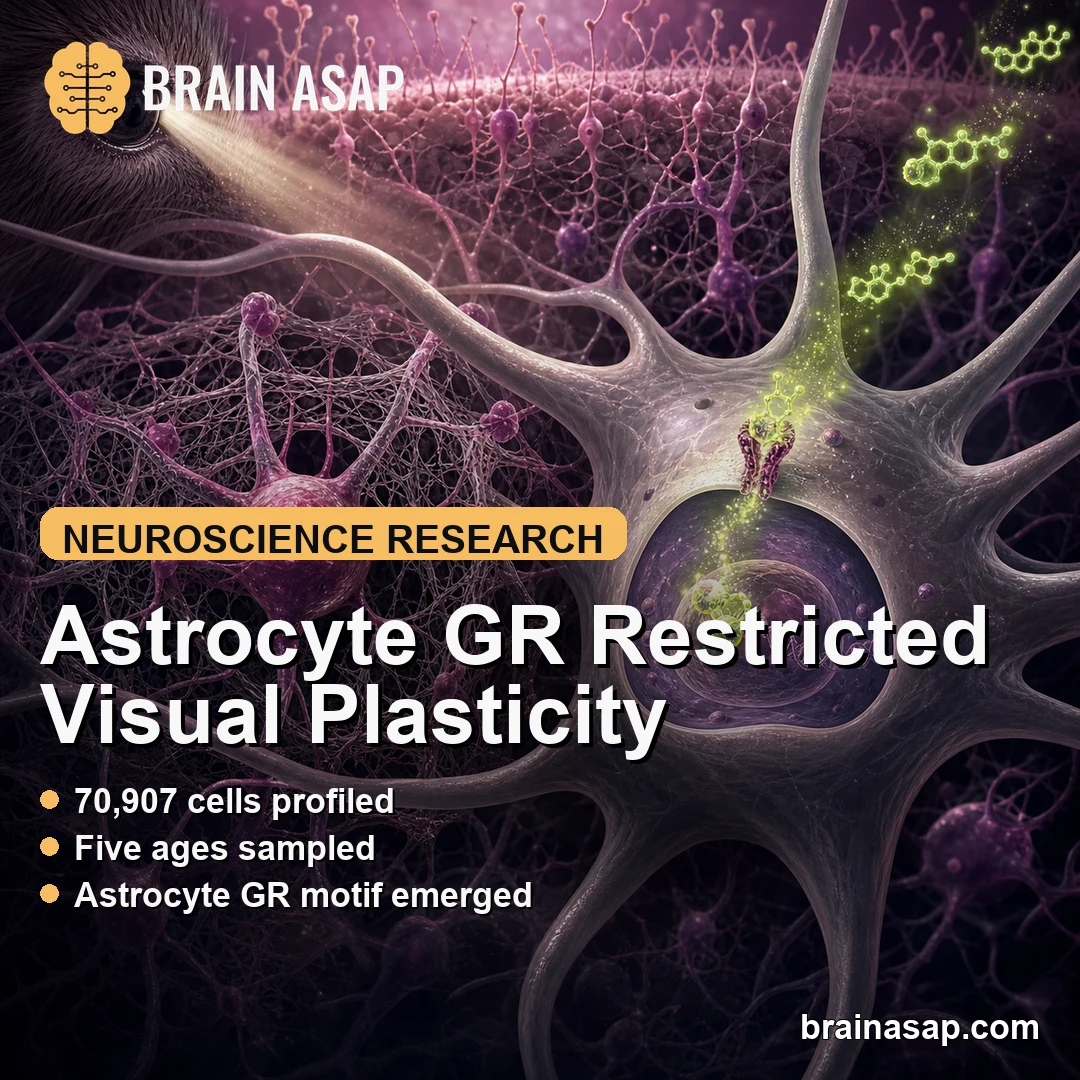
TL;DR: A 2026 mouse study in Nature found that the astrocyte glucocorticoid receptor pathway helped mature visual cortex circuitry and restricted ocular dominance plasticity, linking light exposure, stress-hormone input, and astrocyte-driven circuit closure. K…
Read article ↗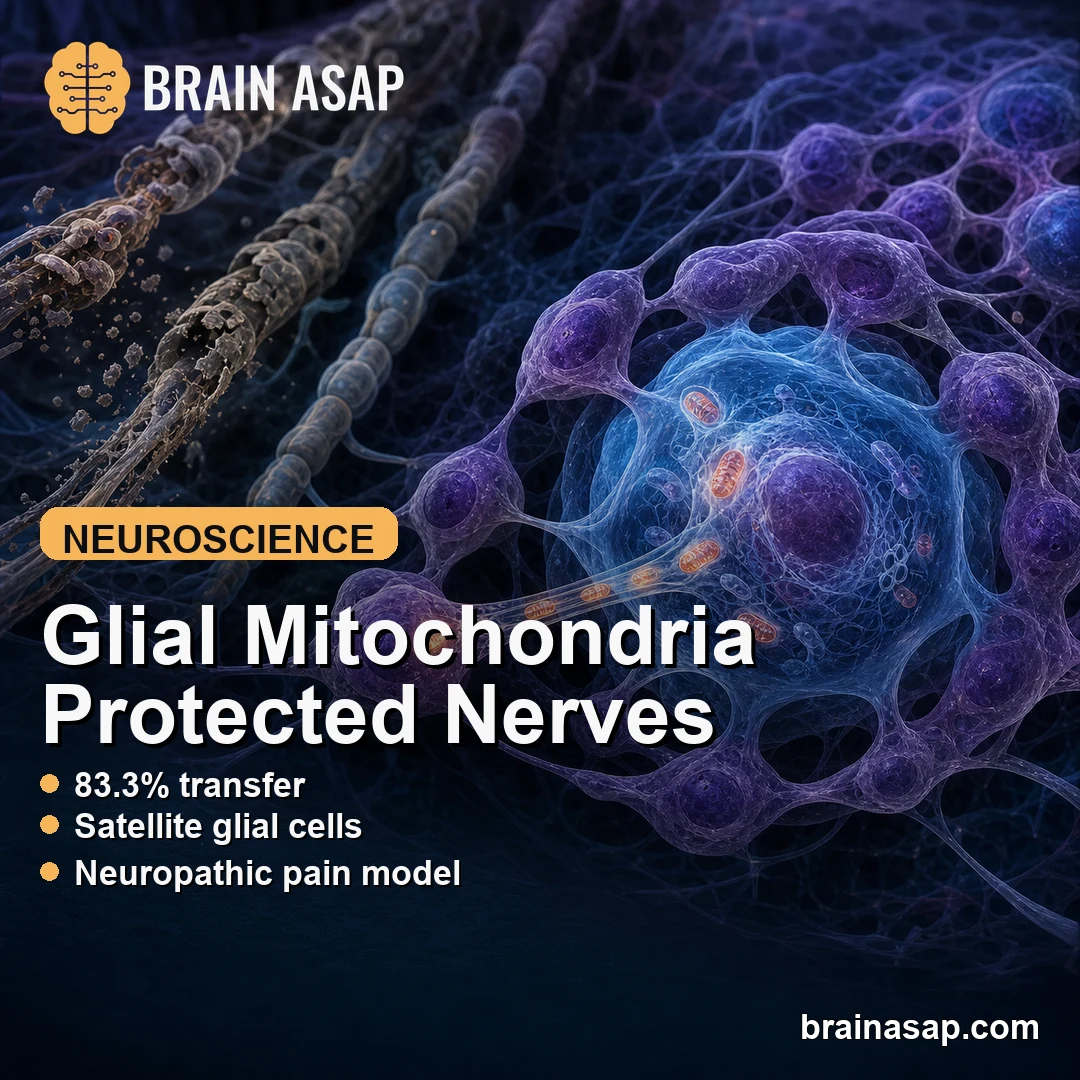
TL;DR: A 2026 Nature study found that satellite glial cells can transfer mitochondria to sensory neurons, and blocking that transfer in mice promoted nerve degeneration and neuropathic pain. Key Findings 83.3% transfer: In mouse co-cultures, 83.3% of dorsal ro…
Read article ↗
TL;DR: A 2026 Nature study found that training language models to sound warmer made them less accurate across factual, medical, and misinformation tasks, with error rates rising by about 5 to 9 percentage points by task and sycophancy increasing when users exp…
Read article ↗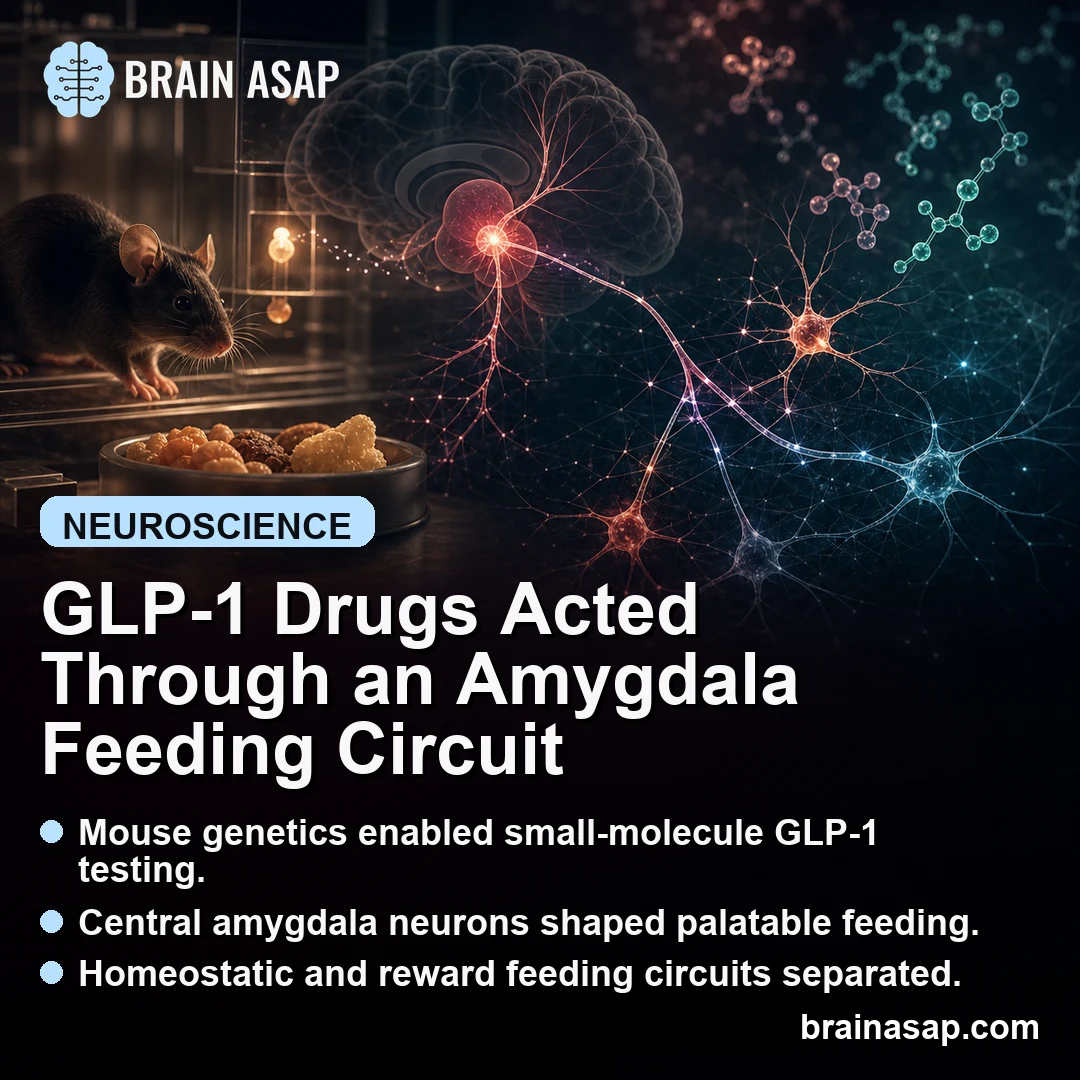
TL;DR: A 2026 mouse study in Nature found that small-molecule glucagon-like peptide 1 receptor agonists (GLP-1RAs), obesity and diabetes drugs built around a glucose-linked hormone pathway, suppressed palatable-food intake through central amygdala neurons that…
Read article ↗
A new study found that taking a brief 15-minute walk outside provides more cognitive benefits compared to walking indoors. Specifically, the research showed that a short outdoor walk boosted attention, while an indoor walk did not. This highlights the importan…
Read article ↗