
TL;DR: A 2026 study in Journal of Sex Research found that in 571 German women, arousal to an aggressive written sexual narrative was better explained by sex drive, rape myth acceptance, and prior violent pornography exposure than by evolutionary life-history m…
Read article ↗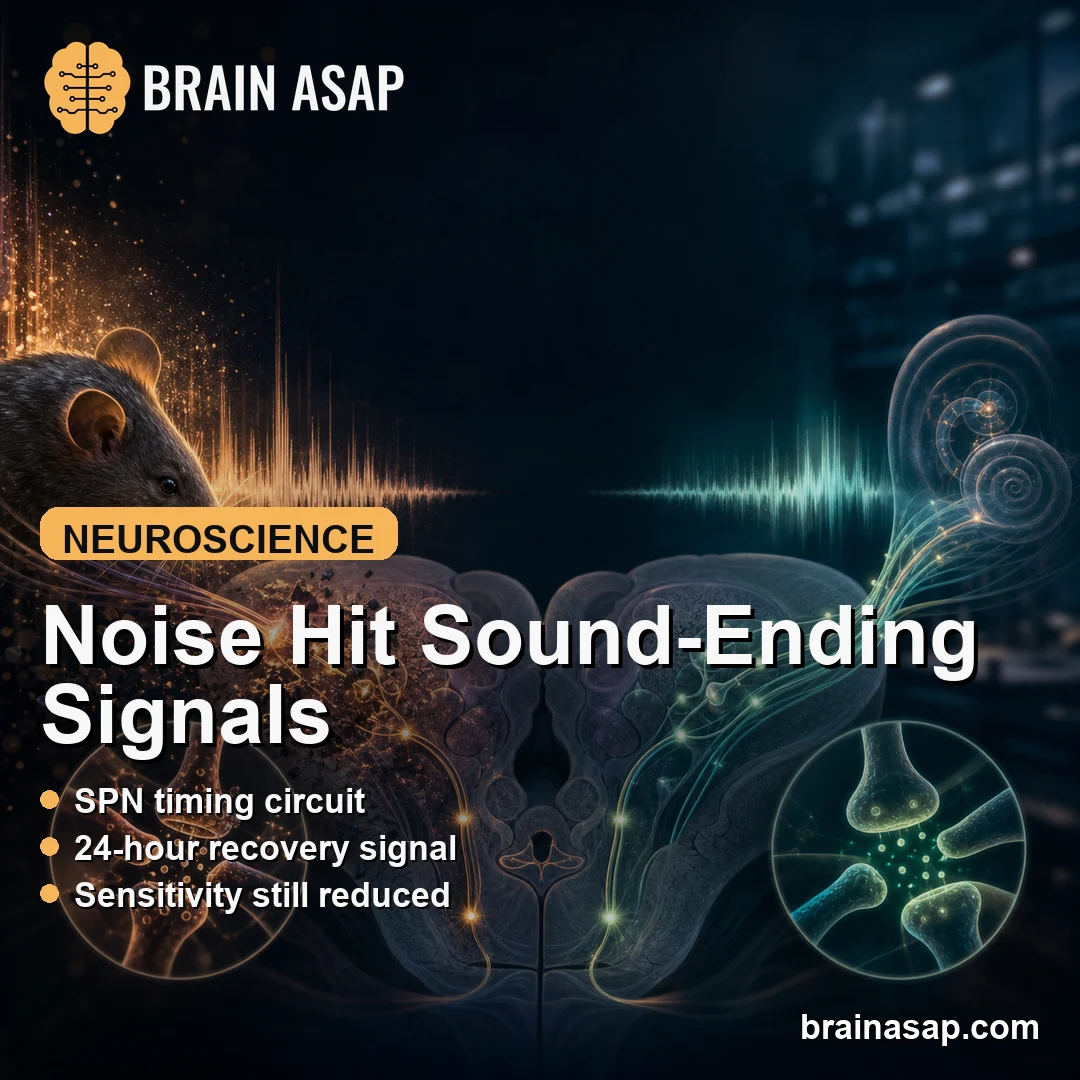
TL;DR: A 2026 mouse study in The Journal of Physiology found that damaging noise temporarily disrupted sound-offset responses in a brainstem hearing circuit, but those timing responses partly recovered within 24 hours through rapid circuit adaptation. Key Find…
Read article ↗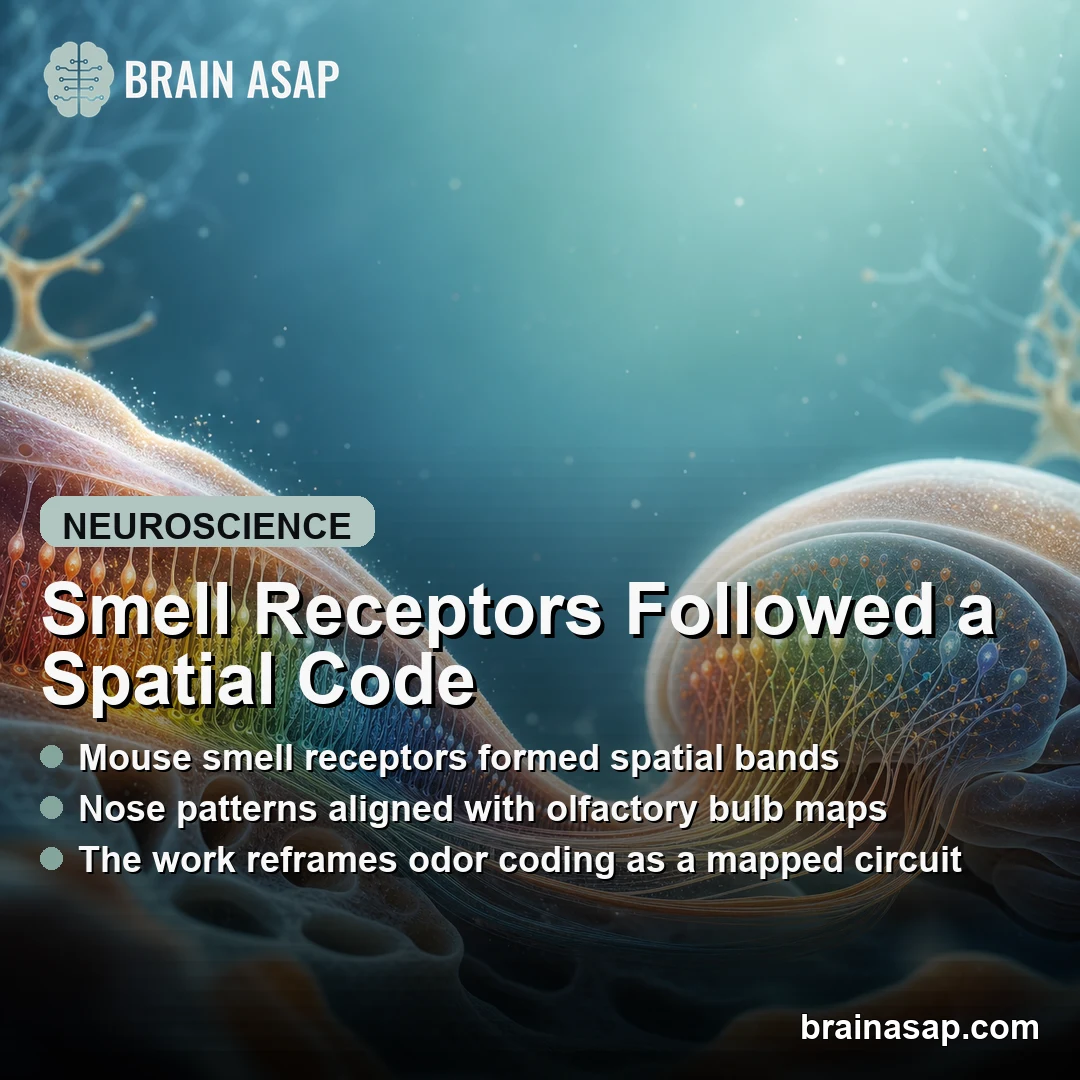
TL;DR: A 2026 mouse study in Cell found that olfactory receptor neurons, the smell-sensing cells in the nose, were arranged in spatial bands that lined up with matching sensory maps in the brain’s olfactory bulb. Key Findings Organized receptor bands: Research…
Read article ↗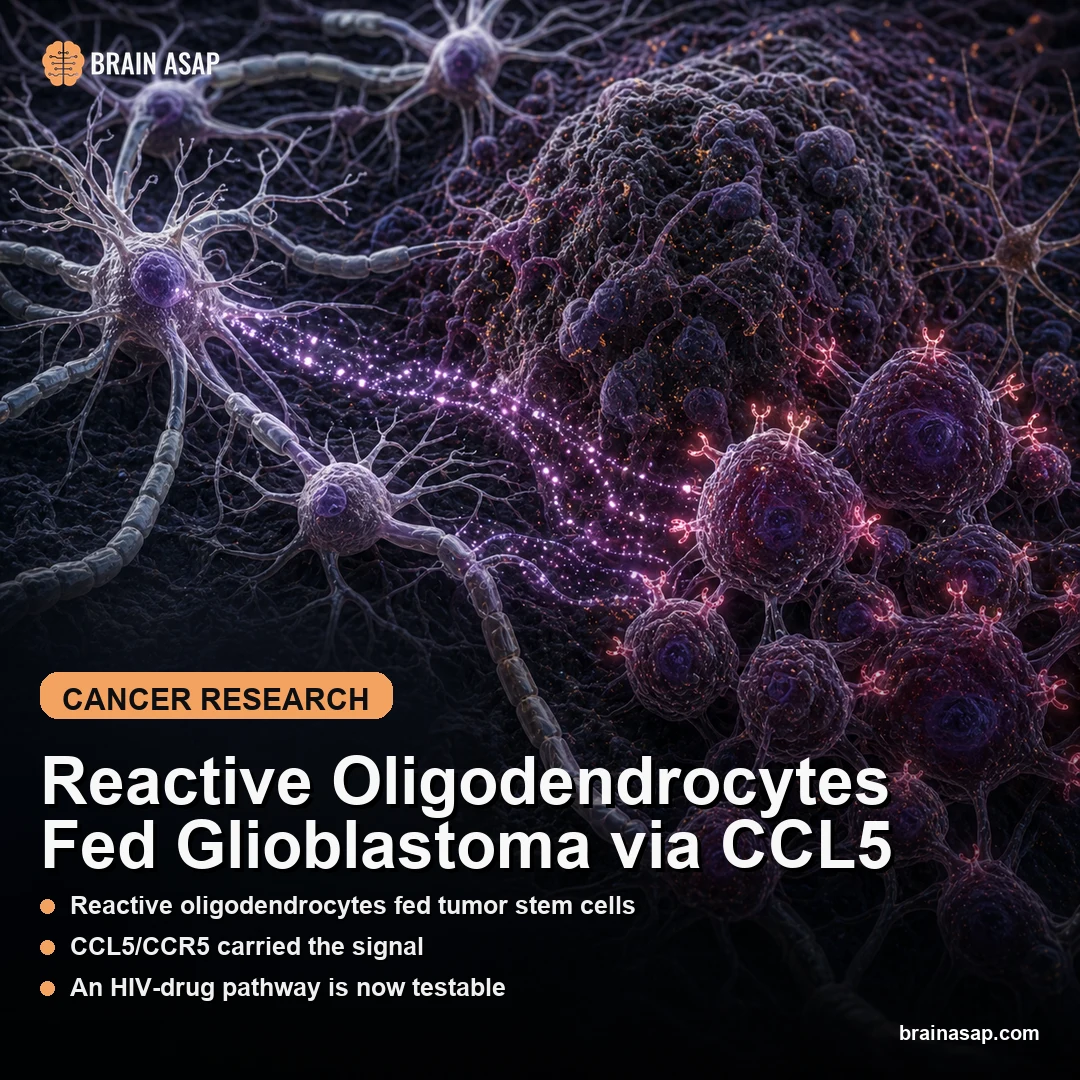
TL;DR: A 2026 study in Neuron found that glioblastoma was not growing alone: reactive oligodendrocytes helped maintain glioma stem cells through CCL5/CCR5 signaling, and blocking that conversation slowed tumor growth in models. Key Findings CCL5/CCR5 showed th…
Read article ↗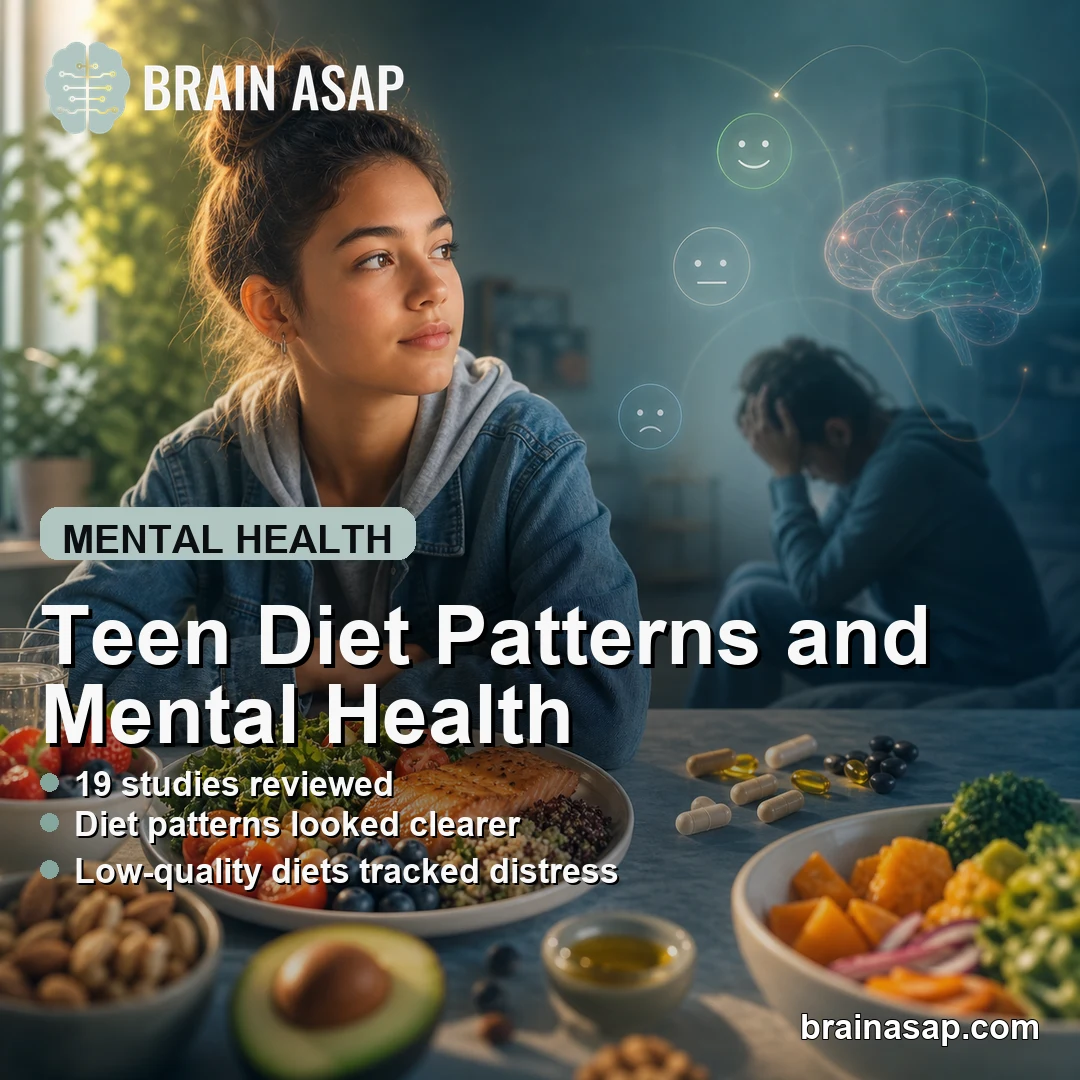
TL;DR: A 2025 study in Nutrients found that a systematic review of adolescent diet and mental health found the clearest readout for whole dietary patterns, while single nutrients and supplement-style interventions looked less consistent. Key Findings 19 studie…
Read article ↗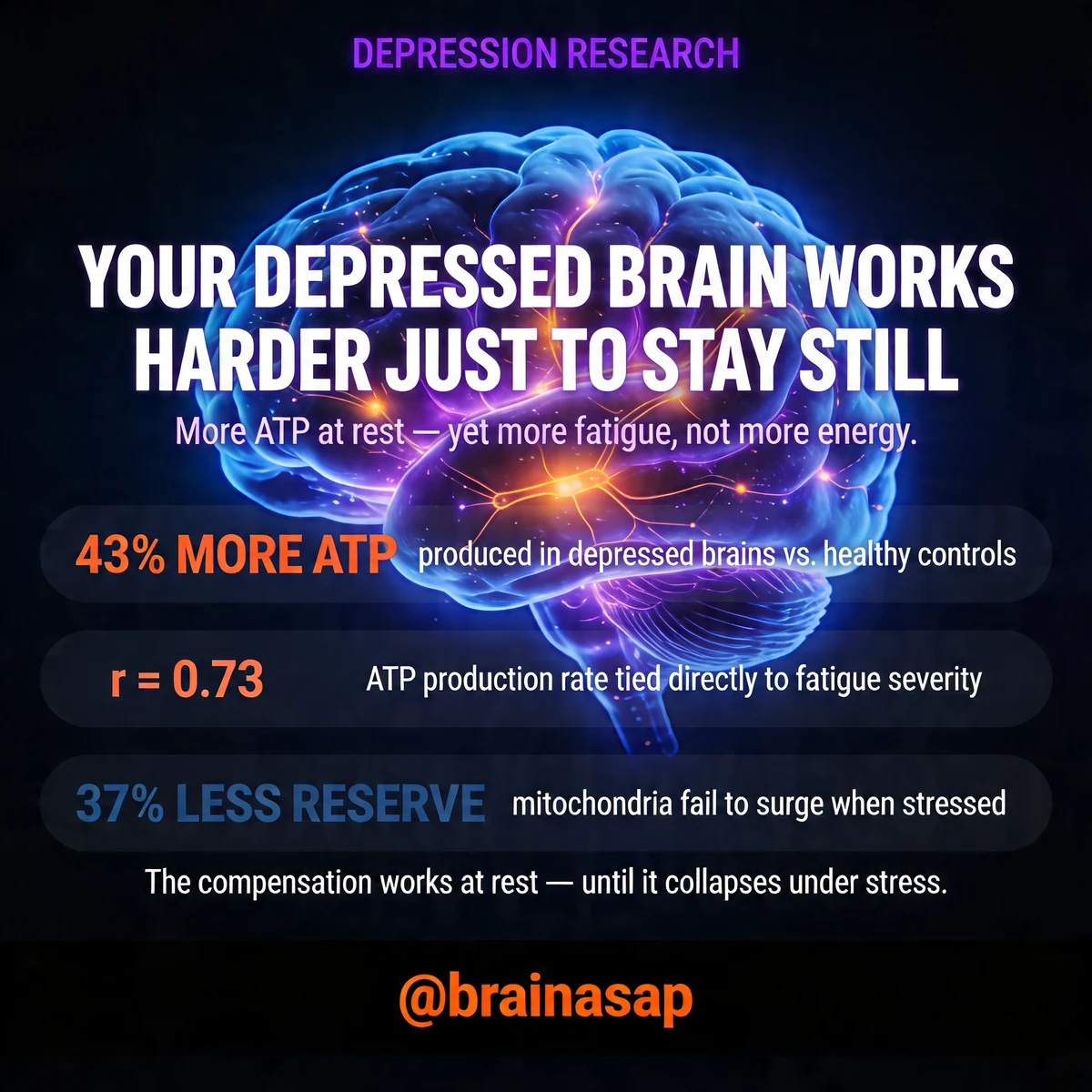
The Energy Paradox: Why Depressed Brains Burn Faster TL;DR: Young adults with depression produce ATP—the cell’s energy currency—at faster rates in both brain and blood, yet still feel more fatigued. New research reveals this is a compensatory mechanism that wo…
Read article ↗
How Psychedelics Hijack Brain Waves to Create Hallucinations TL;DR: A psychedelic drug that activates serotonin receptors dramatically amplifies slow 5-Hz brain oscillations in visual and memory regions, suggesting a mechanism for how hallucinogens distort per…
Read article ↗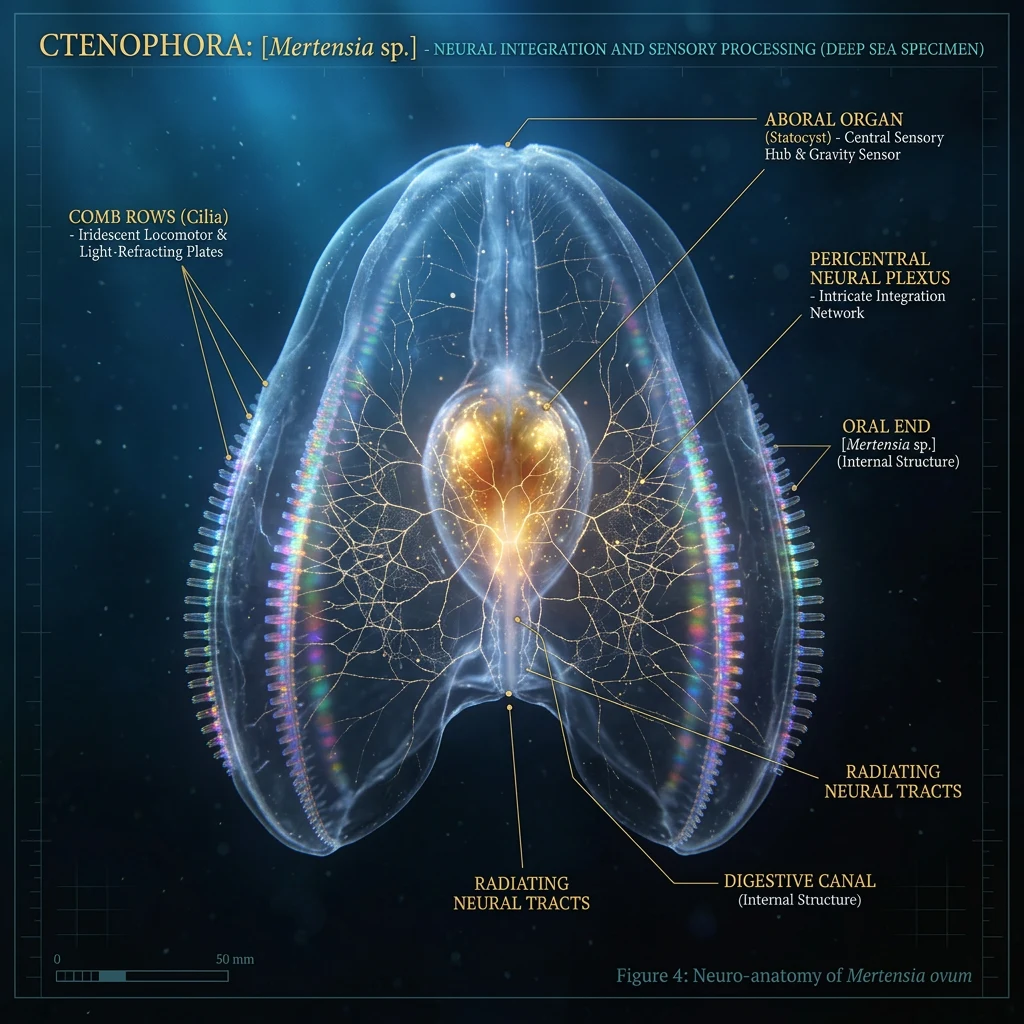
How a Jellyfish’s Brain Maps the Evolution of Neural Complexity TL;DR: Scientists mapped a ctenophore’s sensory integration center in stunning 3D detail, revealing 17 distinct cell types and a blueprint for how nervous systems first evolved to process multiple…
Read article ↗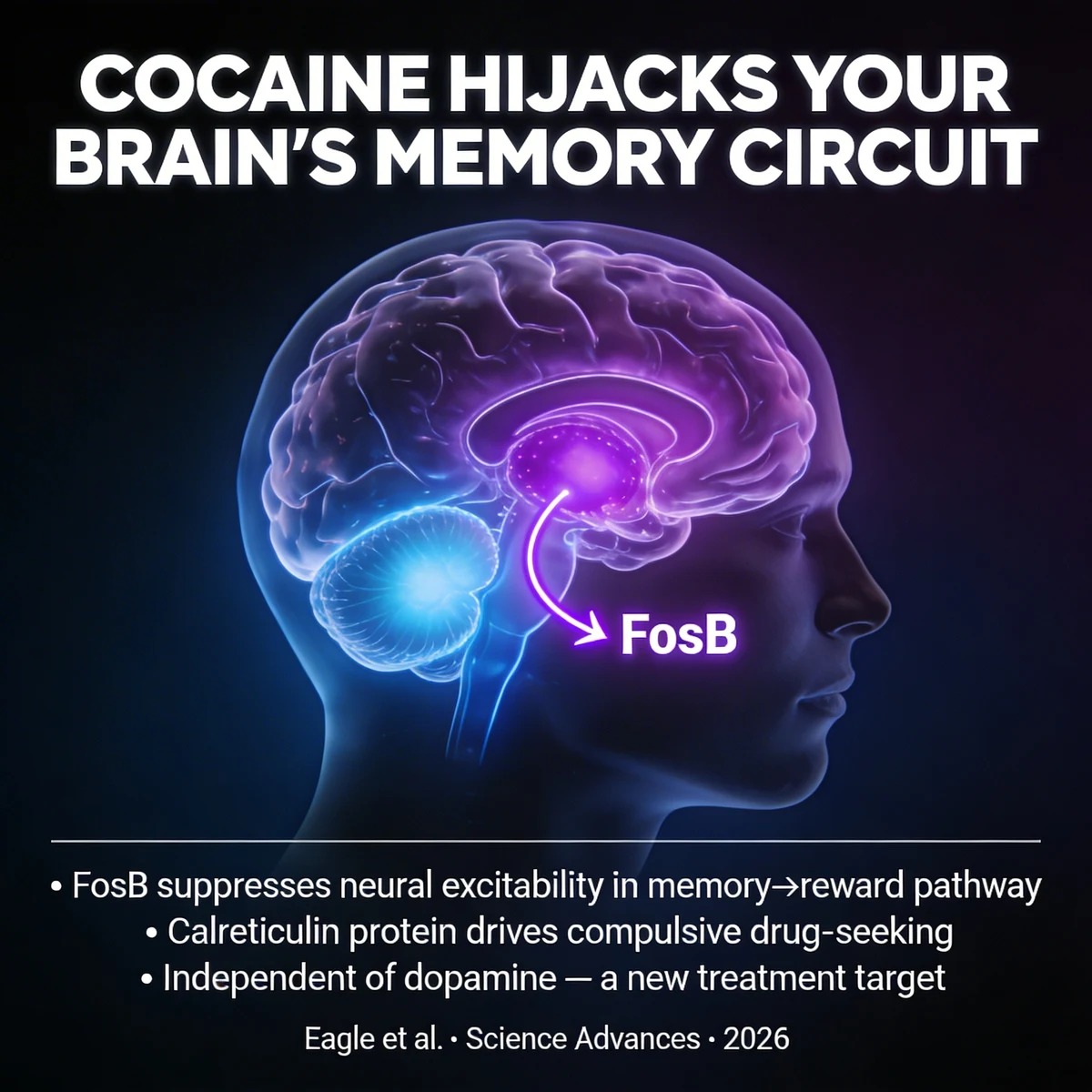
How Cocaine Rewires the Brain’s Reward Circuit TL;DR: Cocaine hijacks a transcription factor called FosB in a brain circuit connecting the hippocampus to the nucleus accumbens, suppressing neural excitability and driving compulsive drug-seeking behavior—a mech…
Read article ↗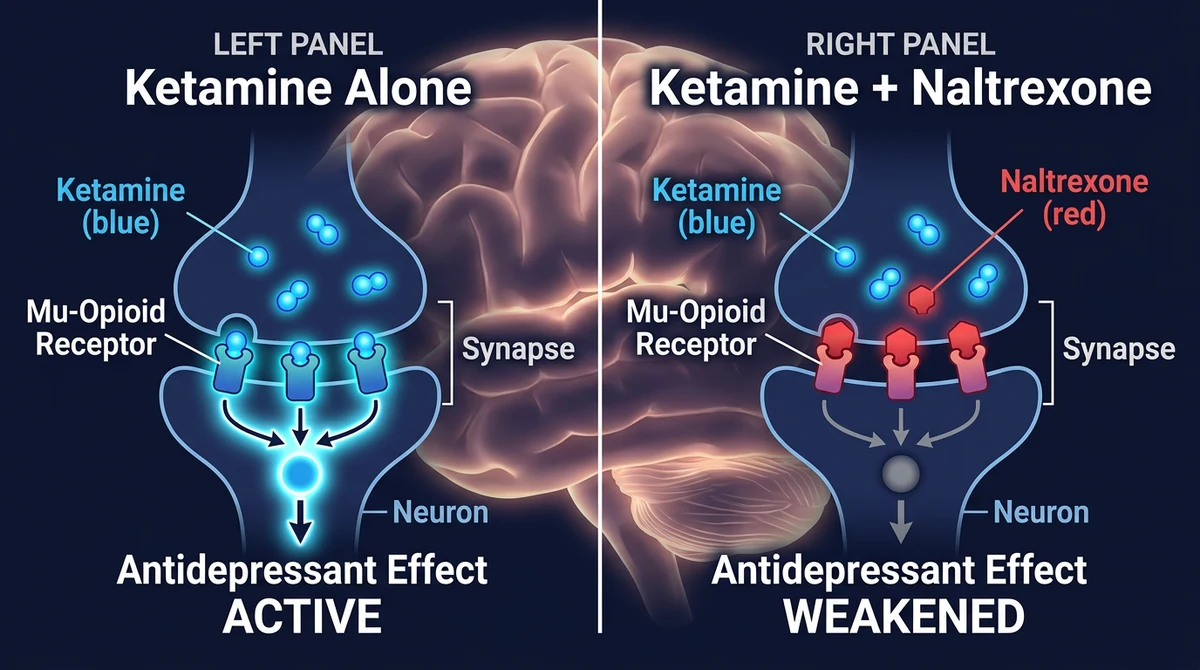
Opioid System Activation is Required for Ketamine’s Antidepressant Effects Ketamine is fast—a single subanesthetic infusion reduces severe depression symptoms within hours, not weeks. But the mechanism remains incompletely understood. For nearly two decades, r…
Read article ↗