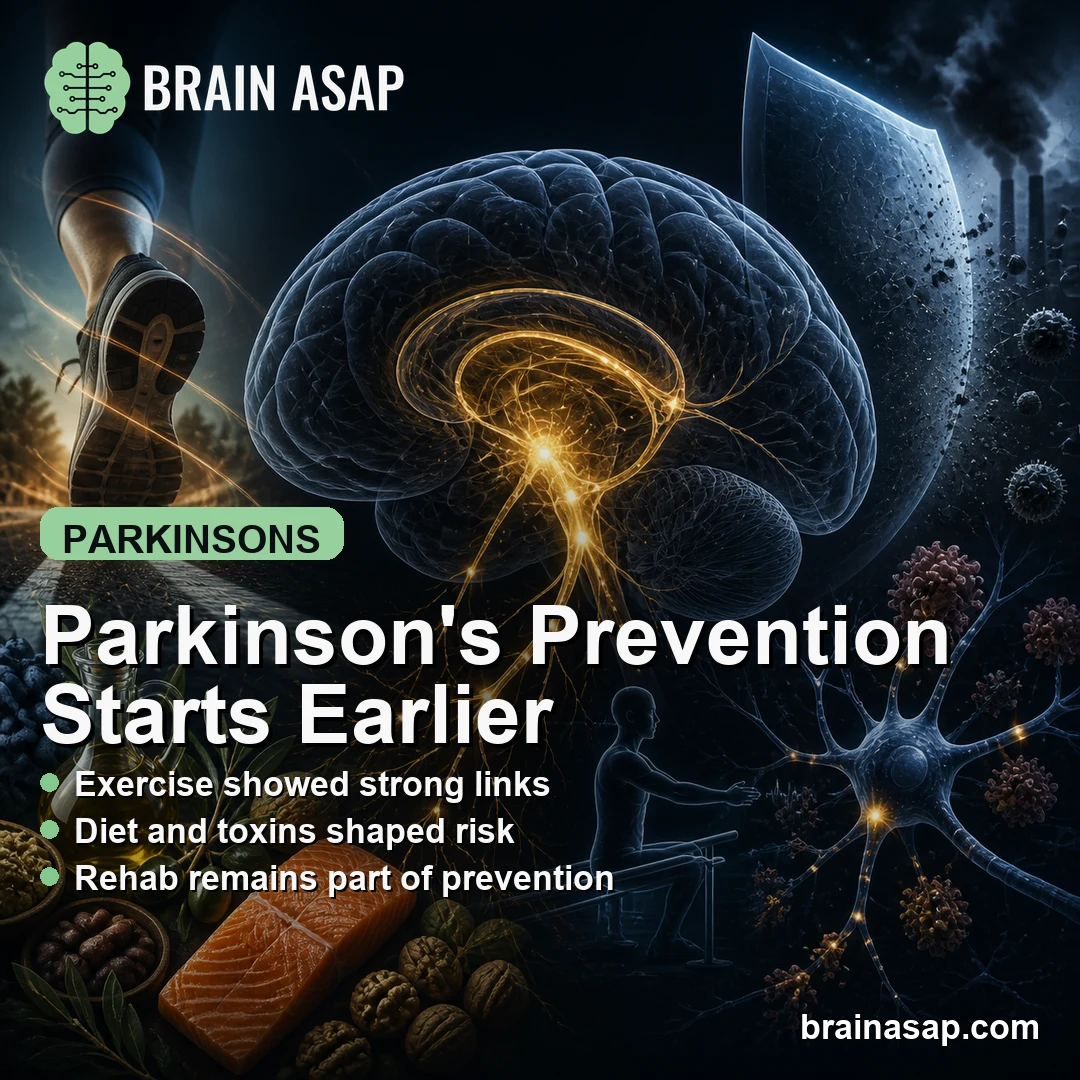
TL;DR: A 2026 narrative review in Neurological Research and Practice argued that Parkinson’s prevention is most actionable through physical activity, Mediterranean-style diet patterns, toxin reduction, earlier prodromal detection, and better rehabilitation aft…
Read article ↗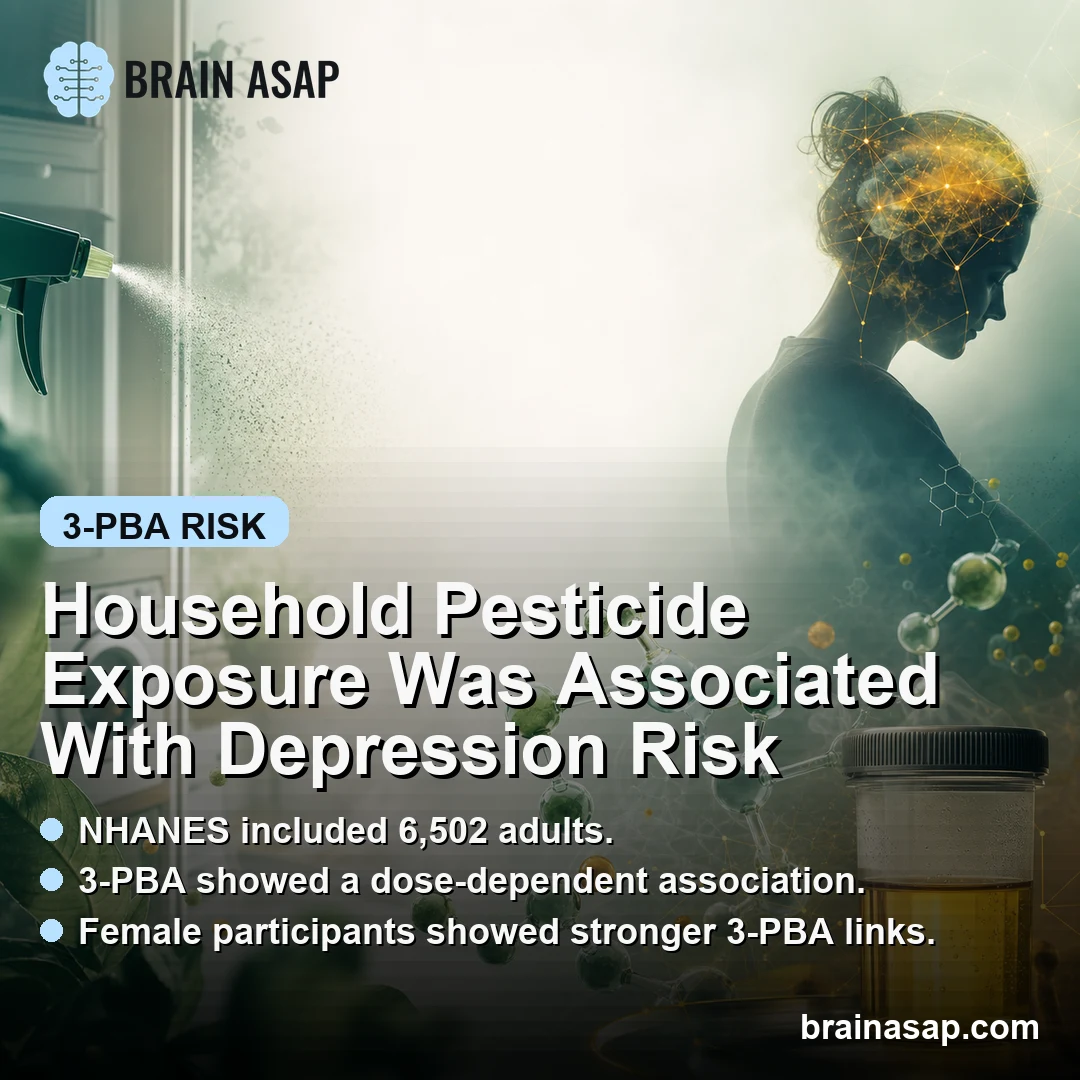
TL;DR: A 2026 cross-sectional NHANES analysis in Depression and Anxiety found that urinary pyrethroid metabolite 3-PBA showed a dose-dependent association with depression, while female participants showed stronger associations for 3-PBA and 4F-3-PBA, while mal…
Read article ↗
A study found significant overlaps between various environmental pollutants and dyslexia susceptibility genes, identifying associations with 35 out of 95 chemicals. This suggests that these chemicals may contribute to the development of dyslexia through intera…
Read article ↗
Water pollution poses serious risks to human brain health, leading to neurological damage and increased risk of neuropsychiatric diseases. Highlights: Sources of Pollution: Water sources are contaminated by industrial waste, agricultural runoff, and urban wast…
Read article ↗
Pesticides are chemicals commonly used worldwide to control unwanted organisms and disease vectors. However, research shows that chronic pesticide exposure may impair brain health and contribute to neurodegenerative diseases like Parkinson’s and Alzheimer’s. K…
Read article ↗
A new Canadian study reveals that illicit cannabis contains concerning levels of pesticides, while legal cannabis products meet health safety standards. Key Facts: The study tested 327 different pesticides in legal and illegal dried cannabis samples from acros…
Read article ↗