Type 2 Diabetes vs. Depression and Anxiety: The Bidirectional Relationship
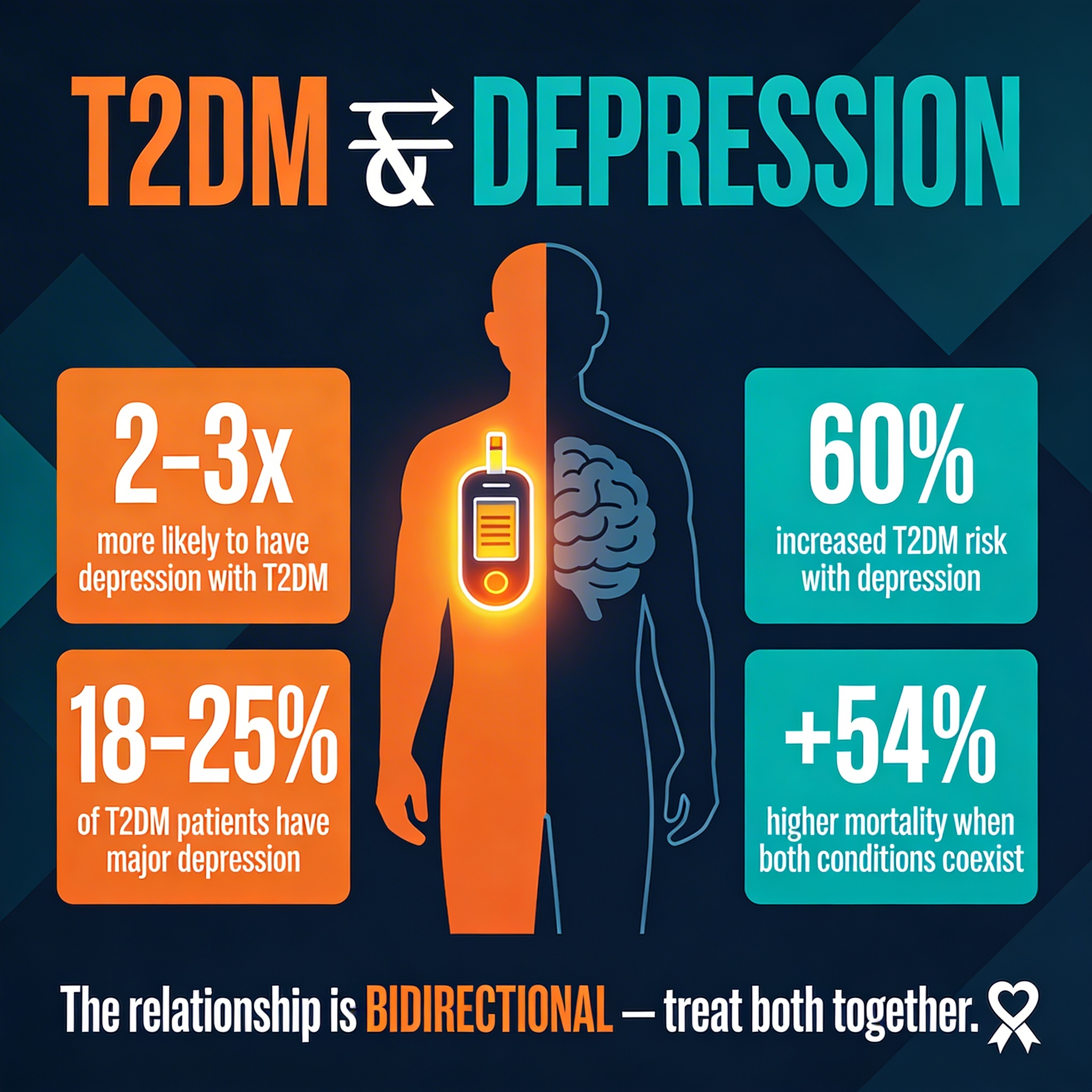
TL;DR: Diabetes and depression form a vicious cycle: high blood sugar triggers neuroinflammation and HPA axis dysfunction that cause depression, while depression sabotages blood sugar control through behavioral and metabolic pathways. Doctors have known for years that depression and type 2 diabetes often occur together. A patient in the clinic with uncontrolled blood sugar frequently …
Read more

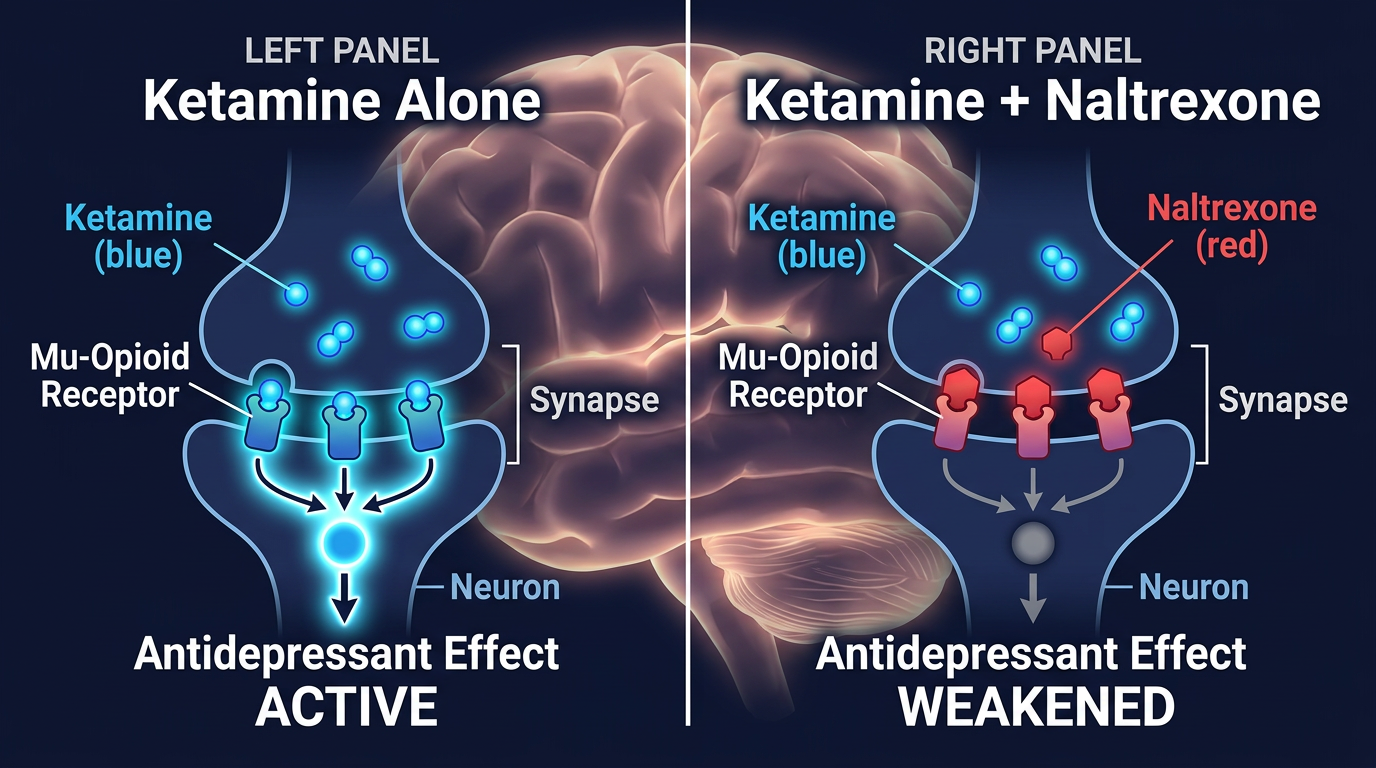
Naltrexone Weakens Ketamine’s Antidepressant Effects, Revealing an Opioid-Dependent Mechanism

TL;DR: Blocking opioid receptors with naltrexone reduces ketamine’s antidepressant effect by 28%, suggesting the opioid system is essential for ketamine to work. Ketamine is one of psychiatry’s great paradoxes: a club drug and anesthetic that can lift severe depression within hours where conventional antidepressants fail over months. Yet the mechanism remains mysterious. Recent research suggests …

Read more

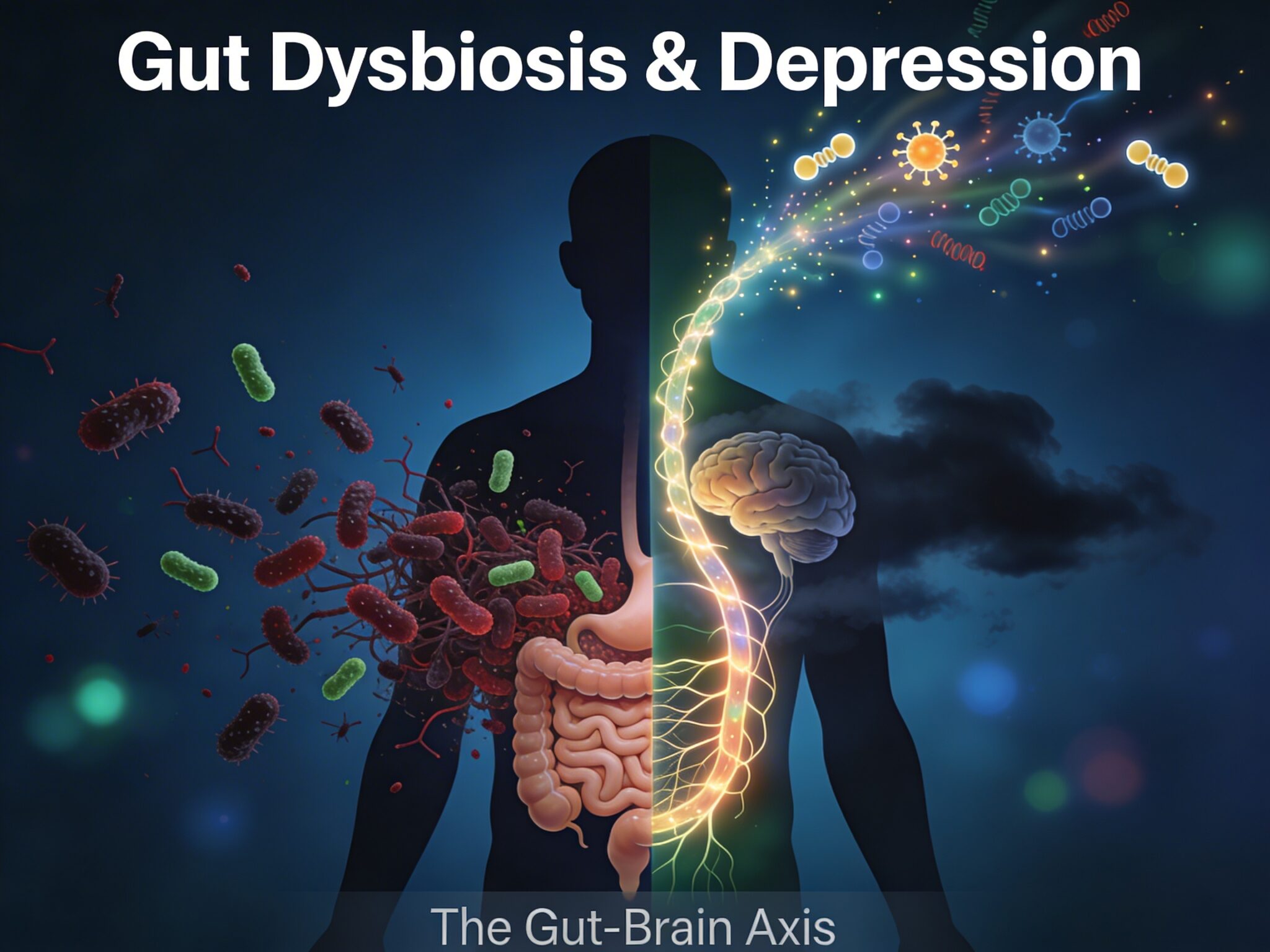
Gut Microbiome and Depression in Children: How Missing Amino Acids May Drive the Connection

Depression in children and adolescents affects 4–5% of youth globally—and the brain chemistry we’ve long focused on may only be half the story. A groundbreaking multi-omics study has uncovered a direct link between a dysbiotic gut, depleted amino acids, and depressive symptoms in youth. The evidence is striking: fecal bacteria from depressed children transferred to …

Read more

A Wireless Brain Implant Smaller Than a Grain of Salt Just Recorded Neurons for an Entire Year

TL;DR: A nanometer-scale wireless implant (MOTE) powered by light recorded stable brain activity in mice for a full year without tethers or degradation. Recording brain activity for days is routine. Recording for weeks is impressive. Recording for an entire year from a wireless implant smaller than a grain of salt seemed impossible until now. A …

Read more

High Fingernail Cortisol Linked to Lifetime Depression

Elevated fingernail cortisol levels can distinguish individuals with lifetime major depressive disorder (MDD) from healthy controls, suggesting it as a promising biomarker for MDD. Highlights: Individuals with lifetime MDD had significantly higher fingernail cortisol concentrations compared to healthy controls (p = 0.041). Higher fingernail cortisol concentrations were correlated with the number of depressive episodes experienced …

Read more

Intranasal Oxytocin May Effectively Treat a Subtype of Autism in Children

A recent study identified that young autistic children with lower clinical severity and greater eye contact are more likely to respond positively to intranasal oxytocin treatment. Highlights: Response Rate: 61.5% of one identified autism subtype responded to oxytocin, compared to only 13.3% of the other subtype. Predictive Measures: Baseline measures of lower initial clinical severity …

Read more

Video Game Addiction vs. Brain Activity & Response Inhibition: A Cued Go/NoGo Task Study

Video game addiction (VGA) is associated with significant deficits in response inhibition and preparatory processes, reflected by more commission errors and reduced N2 amplitudes in the cued Go/NoGo task. Highlights: Increased Commission Errors: Individuals with VGA made significantly more commission errors in NoGo trials compared to healthy controls, indicating impaired response inhibition. Faster Reaction Times: …

Read more

OPRM1 Gene Polymorphisms of A118G SNP Predict Opioid Effects

This study found that individuals with the AG/GG genotype of the A118G SNP in the OPRM1 gene experienced more pleasant and fewer unpleasant effects from hydromorphone compared to those with the AA genotype, suggesting genotype-based differences in opioid sensitivity. Highlights: Positive Effects: Participants with the AG/GG genotype reported significantly more positive effects (e.g., good effects, …

Read more

Cannabis (Marijuana) Addiction Linked to Altered Brain Connectivity (2024 Study)

Individuals at risk for cannabis use disorder (CUD) exhibit increased dynamic fluidity and altered connectivity patterns in brain networks, suggesting early changes in brain function that may contribute to cannabis addiction risk. Highlights: At-risk individuals for cannabis addiction show a greater number of meta-states and more frequent transitions between them, indicating higher dynamic fluidity in …

Read more

Sleep Patterns vs. Risk of Psychiatric Disorders: Depression, Schizophrenia, ADHD (2024 Study)

Insomnia and daytime napping are causally associated with an increased risk of major depressive disorder (MDD), while sleep duration influences the risk of schizophrenia and attention-deficit/hyperactivity disorder (ADHD). Highlights: Major Depressive Disorder (MDD): Insomnia and napping during the day significantly increase the risk of MDD. Schizophrenia: Longer sleep duration is associated with a higher risk …

Read more