TL;DR: A 2026 randomized trial in Archives of Disease in Childhood: Fetal and Neonatal Edition found that extended caffeine therapy reduced intermittent hypoxia, brief repeated oxygen-desaturation episodes, in very preterm infants through 41 weeks postmenstrua…
Read article ↗
TL;DR: A 2026 placebo-controlled study in Human Psychopharmacology: Clinical and Experimental found that ebselen did not meaningfully reduce motor impulsivity, reflection impulsivity, delay discounting, or emotion-recognition outcomes in 130 healthy adults. Ke…
Read article ↗
TL;DR: A 2026 study in European Journal of Psychotraumatology found that 3 days of Community Resiliency Model (CRM) training, a body-based trauma-regulation skills program, improved compassion, social cohesion, forgiveness, and resilience among 152 Rwandan gen…
Read article ↗
TL;DR: A 2026 study in Psychological Medicine found that cognitive reserve in non-affective first-episode psychosis was higher with greater genetic predisposition to educational attainment and lower with earlier psychosis onset or family history of psychosis.…
Read article ↗
TL;DR: A 2026 review in Current Opinion in Psychiatry found that earlier clozapine use in schizophrenia, especially after early nonresponse or relapse, was linked to better relapse prevention and stronger response rates than repeated nonclozapine antipsychotic…
Read article ↗
TL;DR: A 2026 mouse study in Neurochemical Research found that 28 days of unpredictable chronic mild stress increased dopamine D1 receptor binding across the striatum and raised dopamine D2 receptor binding only in selected regions, regardless of fatty acid-bi…
Read article ↗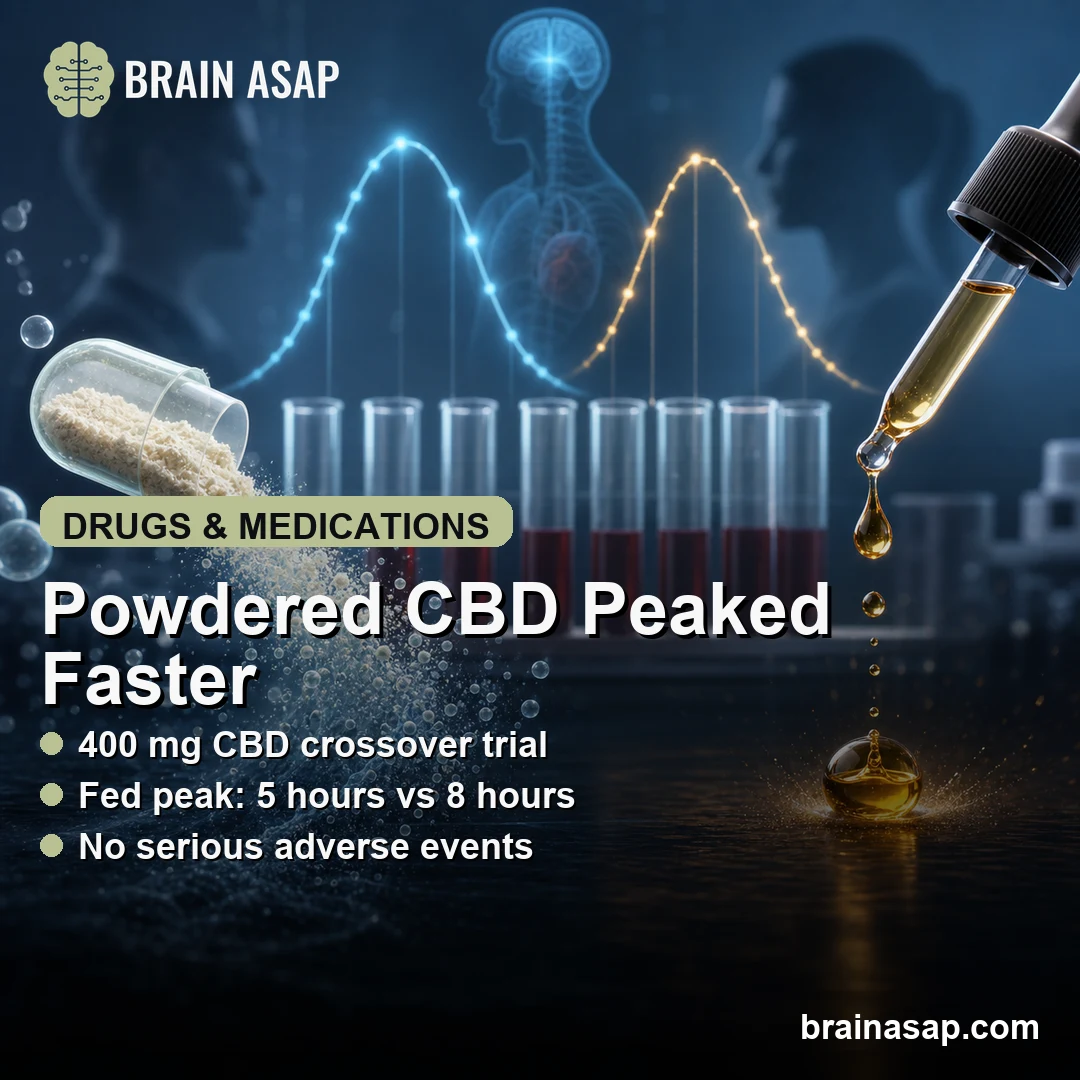
TL;DR: A 2026 Phase I study in CNS Drugs found that a 400 mg powdered cannabidiol (CBD) formulation reached peak blood levels faster than oil-based Epidyolex, especially after a high-fat meal, while both products were generally well tolerated in healthy adults…
Read article ↗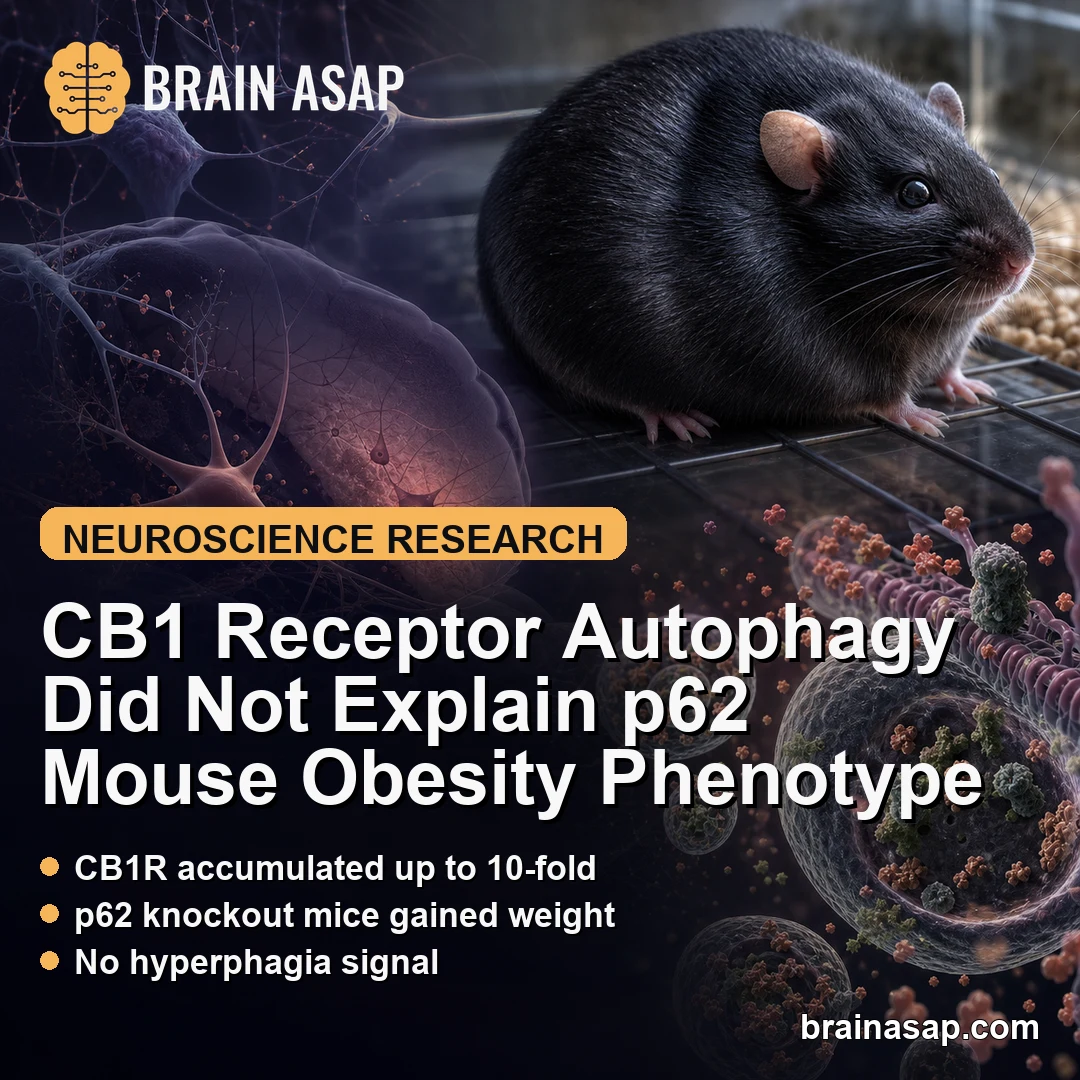
TL;DR: A 2026 study in Biochemistry and Biophysics Reports found that cannabinoid receptor 1 (CB1R) undergoes autophagy-linked degradation in mouse cortical neurons, but p62 deficiency did not make CB1R the main driver of obesity and low activity in p62 knocko…
Read article ↗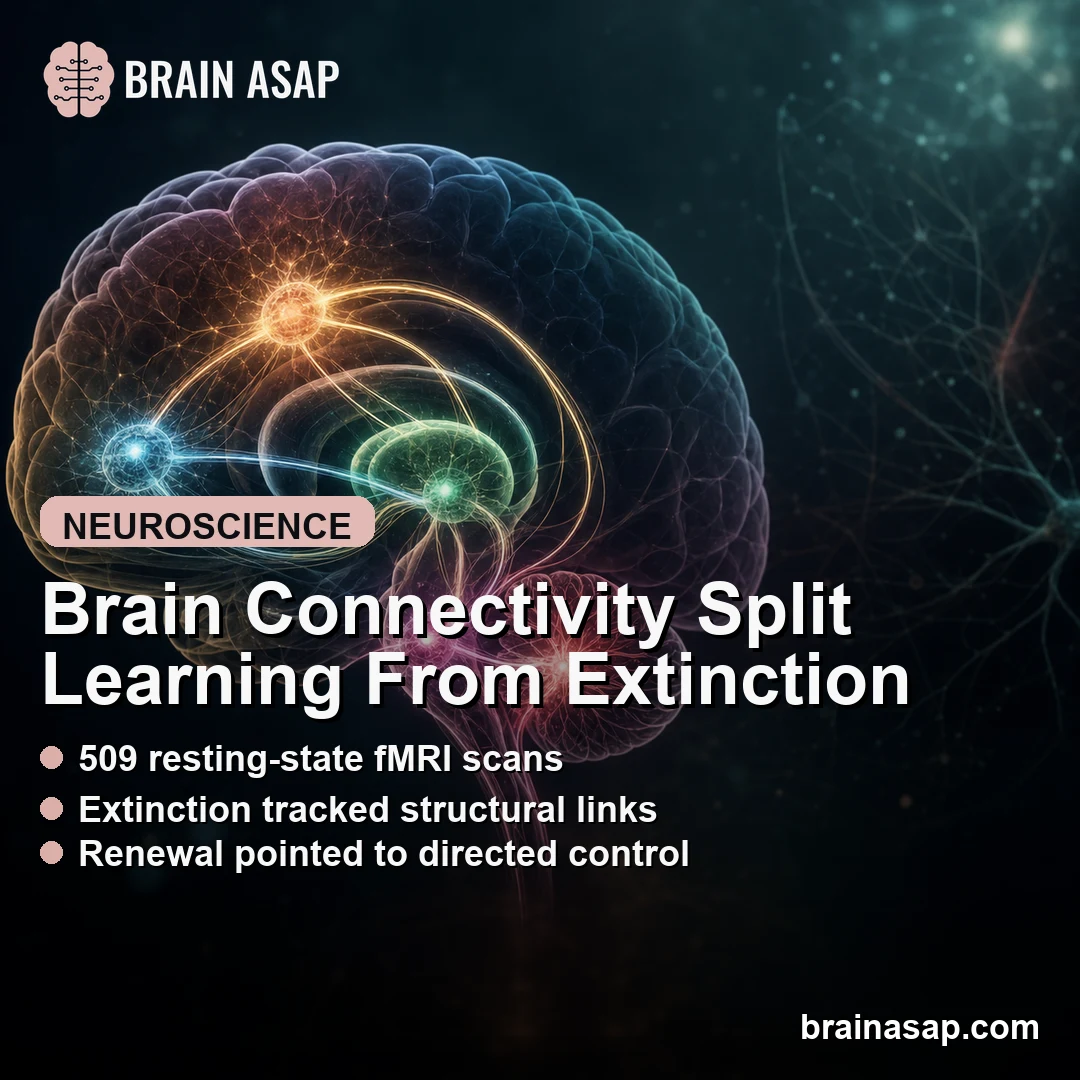
TL;DR: A 2026 study in Nature Communications found that different brain-connectivity measures predicted different parts of associative learning: functional connectivity predicted acquisition, structural connectivity predicted extinction learning, and effective…
Read article ↗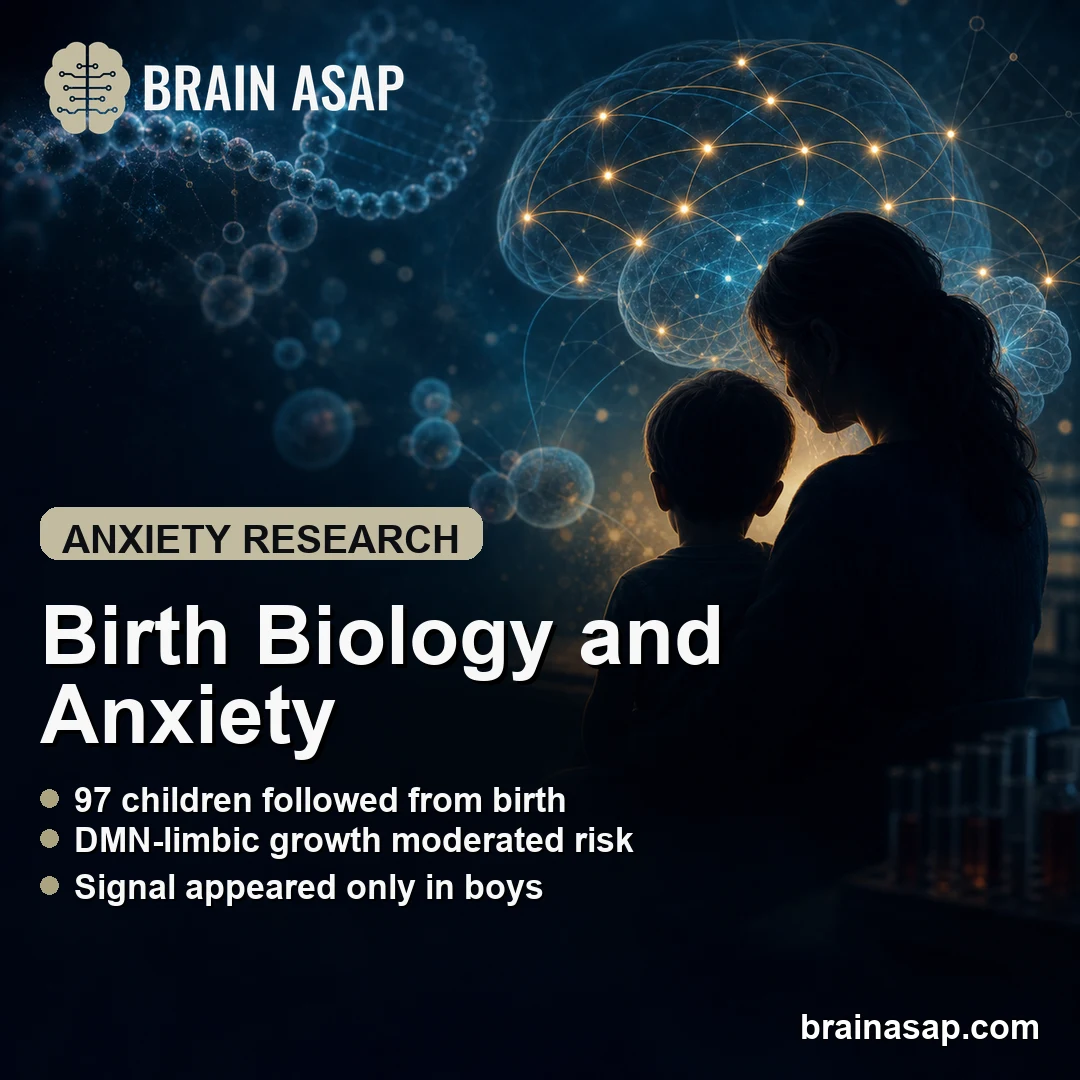
TL;DR: A 2026 Research Square preprint linked DNA methylation (DNAm), an epigenetic mark measured in cord blood at birth, with default mode network-limbic brain development and age-13 anxiety symptoms in boys. Key Findings Birth-to-teen pathway tested: Researc…
Read article ↗