Shexiang Baoxin Pills (SBP) May Reduce Depression & Improve Heart Function via Anti-Inflammatory Effect (2024 Rat Study)
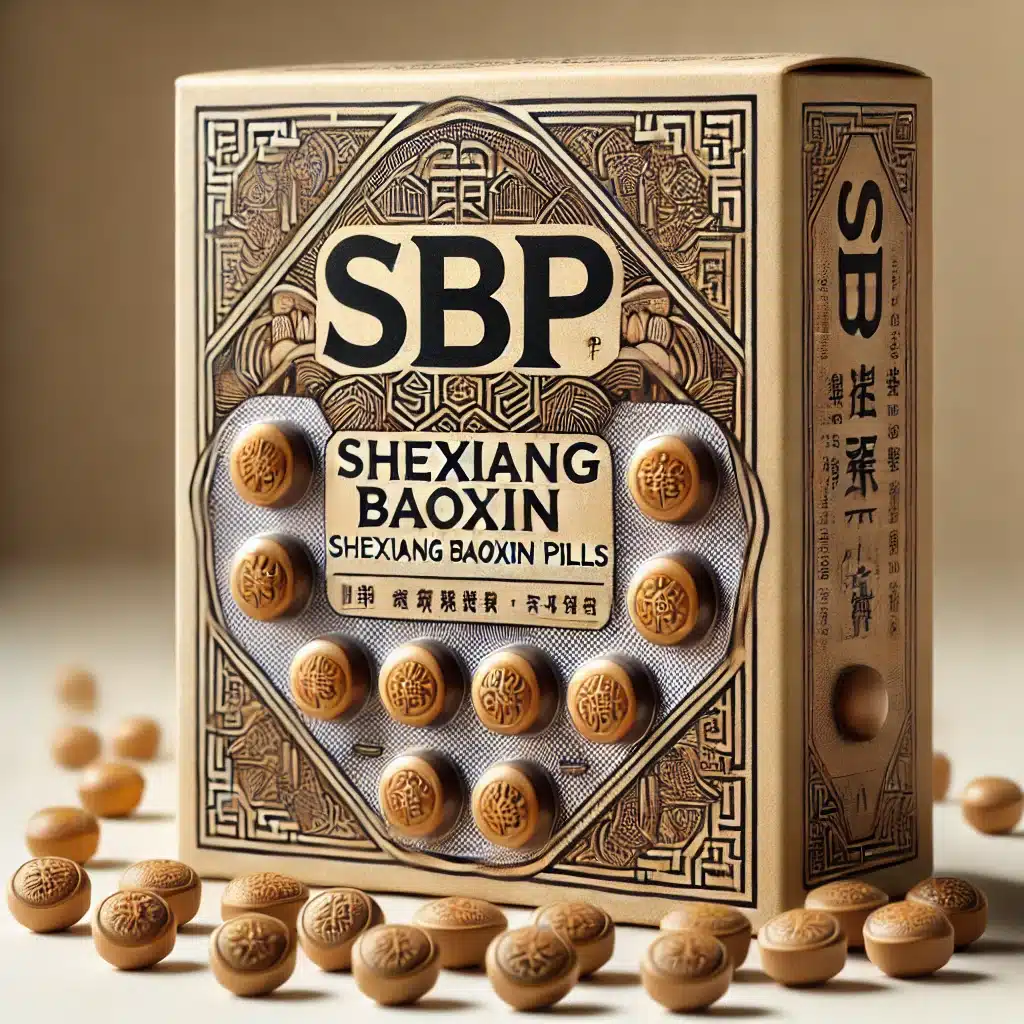
Shexiang Baoxin Pills (SBP) may help improve heart function and reduce depression in patients with acute myocardial infarction (AMI) by reducing inflammation. Highlights: Depression & Heart Disease Link: Patients with heart attacks often experience depression, which can worsen their heart condition. Study Purpose: This study tested the effectiveness of SBP, a traditional Chinese medicine, in …
Read more

Allopregnanolone vs. Diazepam: Antidepressant Effects via Brain Activity Modulation (2024 Mouse Study)

Allopregnanolone shows antidepressant-like effects in mice by increasing social interaction and specific brain wave activities, unlike diazepam. Highlights: Allopregnanolone: Allopregnanolone, a neuroactive steroid, increases social interaction time in mice experiencing social defeat stress, indicating potential antidepressant-like effects. Brain Activity: This increase in social interaction is associated with heightened theta and beta oscillations in the basolateral …

Read more

Resocialization After Social Isolation Reverses Neuroinflammation & Depression in Mice (2024 Study)

Resocialization significantly reduces depressive behaviors in socially isolated mice by decreasing neuroinflammation and nitrite levels in the hippocampus. Highlights: Depressive Behaviors: Resocialization reduced depressive behaviors in socially isolated mice, as shown by improved performance in behavioral tests. Neuroinflammation: Resocialization led to decreased levels of pro-inflammatory genes (IL-1β, TNF, and TLR4) in the hippocampus, indicating reduced …

Read more

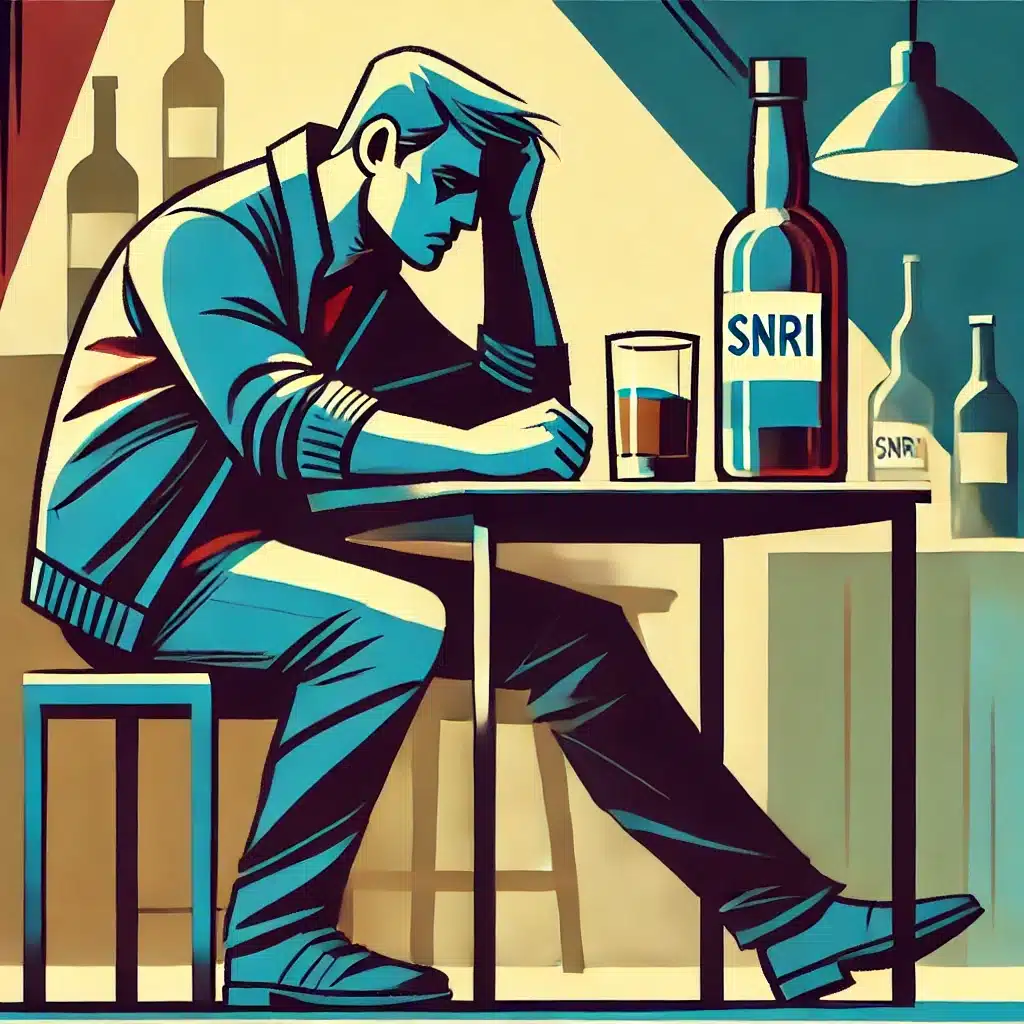
Moderate Alcohol Intake Increases Depression Relapse in Men on SNRIs (2024 Study)

Moderate alcohol intake in men treated with SNRI antidepressants significantly increases the risk of depression relapse, according to a new study. Highlights: Risk Increase with SNRIs: Men with moderate alcohol consumption and elevated liver enzymes are significantly more likely to relapse when treated with serotonin-norepinephrine reuptake inhibitors (SNRIs). Sex Differences: Men generally had higher alcohol …

Read more

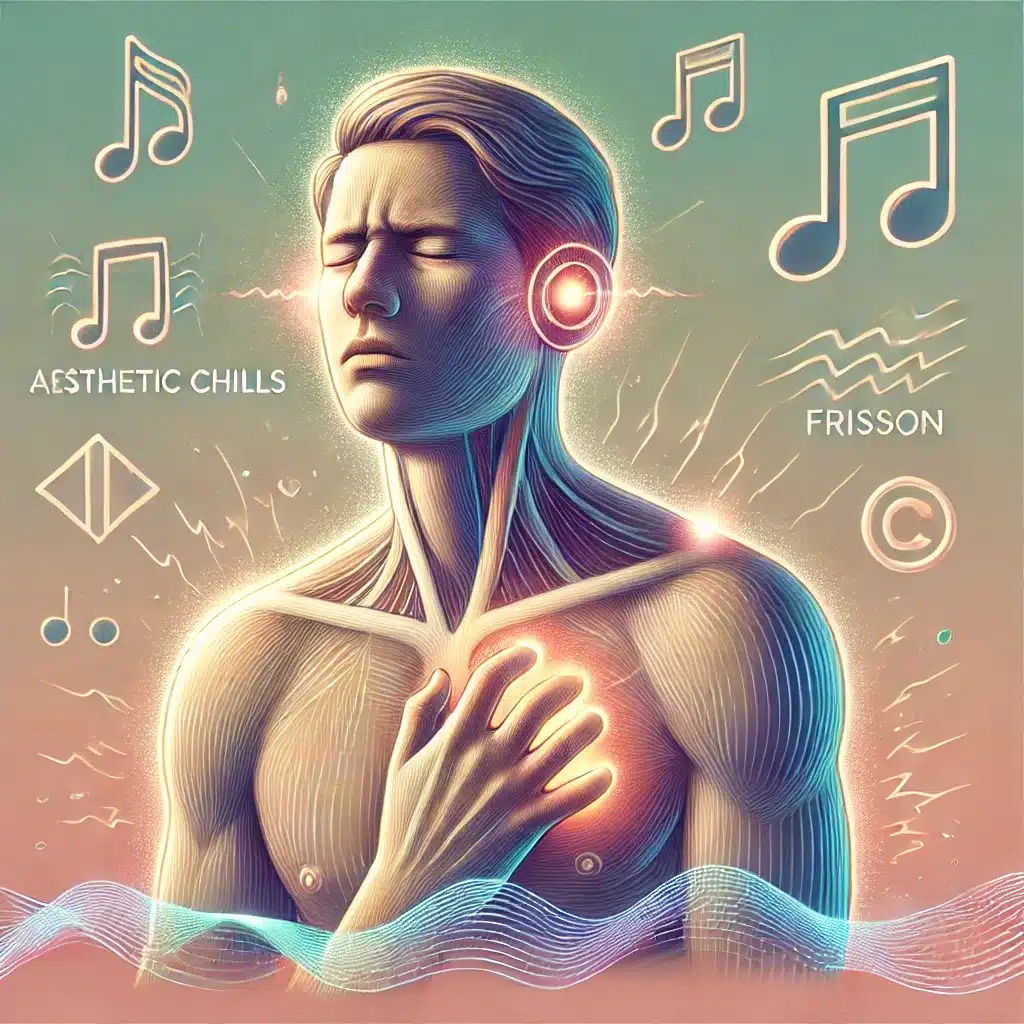
Aesthetic Chills (Frisson) May Help Treat Depression: Goosebumps from Emotional Stimuli (2024 Study)

Experiencing aesthetic chills can positively influence self-related beliefs in people with depression, similar to the effects of psychedelics, suggesting potential as a non-pharmacological intervention. Highlights: Novel Approach: Aesthetic chills, characterized by physical sensations like shivers and goosebumps, may help shift negative cognitive patterns in depression. Study Results: 96 patients with major depressive disorder showed positive …

Read more

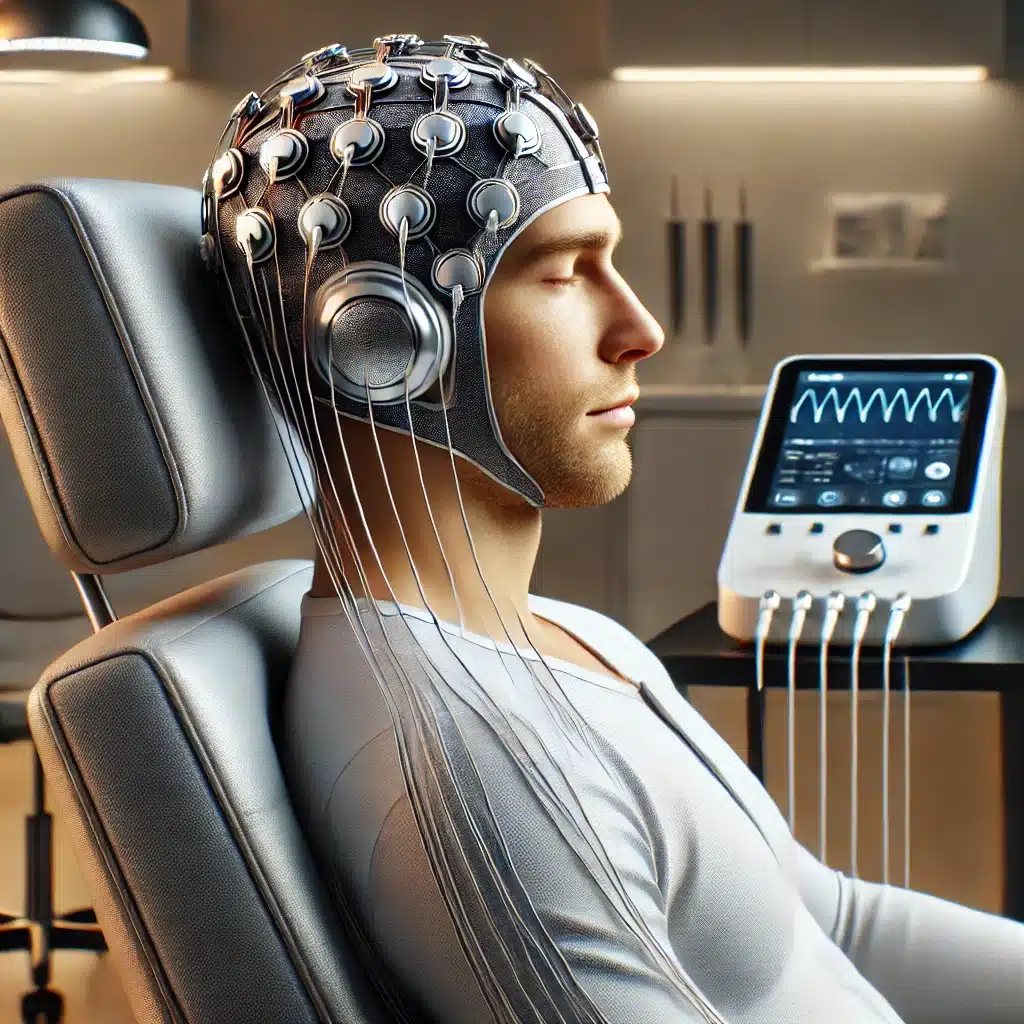
Transcranial Alternating Current Stimulation (TACS) for Depression: Effective Adjunct via Reducing Prefrontal Alpha Waves (2024 Trial)

Adding transcranial alternating current stimulation (tACS) to antidepressant treatment improves depression symptoms more effectively than using antidepressants alone. Highlights: Enhanced Efficacy: tACS combined with antidepressants significantly reduces depression symptoms compared to antidepressant treatment alone. Lasting Effects: The additional antidepressant benefits of tACS persist for at least 4 weeks after treatment ends. Brain Activity Changes: Patients …

Read more

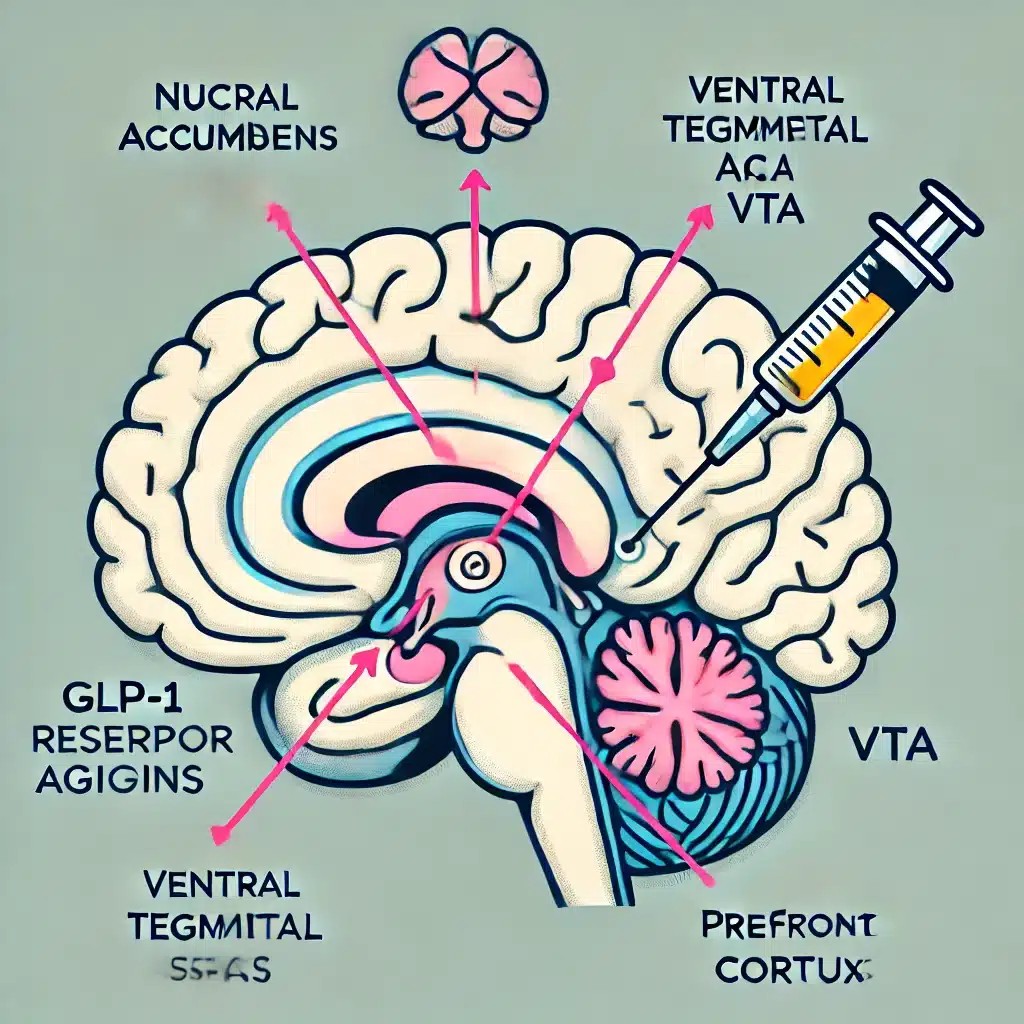
GLP-1 Receptor Agonists Like Semaglutide (Ozempic) May Treat Reward System Dysfunction (2024 Review)

GLP-1 receptor agonists (GLP-1RAs) show promise in regulating the reward system and potentially treating motivation and reward-processing disorders. Highlights: Regulation of Reward System Dysfunction: GLP-1RAs influence the brain’s reward system, which is involved in behaviors related to food and substance use. Brain Activation: These agonists affect brain regions differently in individuals ranging from lean to …

Read more

Lactofem Probiotic May Boost SSRI Efficacy & Counteract Sexual Side Effects in Women with Depression (2024 Trial)

Probiotics may help improve sexual function and reduce depression severity in women treated with SSRIs. Highlights: Depression Prevalence: Approximately 5% of all adults will experience depressive disorder, often accompanied by reduced sexual desire and dysfunction. Study Design: The study was a double-blind randomized clinical trial involving 112 women with depressive disorder treated with SSRIs, comparing …

Read more

Cancer-Related Suicide Trends in the U.S. (40-Year Analysis) (2024)

A comprehensive study of nearly 5 million cancer patients over 40 years revealed fluctuating trends in cancer-related suicides in the U.S., with a recent significant decrease likely due to advancements in psychosocial care and cancer treatment. Highlights: Data: Analyzed data from 4,870,410 cancer patients in the US between 1975 and 2017. Trend: Suicide rates increased …

Read more

Depression Linked to Topographic & Dynamic Reorganization of Global Brain Activity (2024)

Major depressive disorder (MDD) involves a topographic reorganization of brain activity from sensory to associative regions, affecting symptom co-occurrence through changes in neural dynamics and excitation-inhibition balance. Highlights: Topographic Reorganization: MDD patients show a shift in brain activity from unimodal sensory regions to transmodal associative regions. Neural Dynamics: This shift includes changes in the brain’s …

Read more