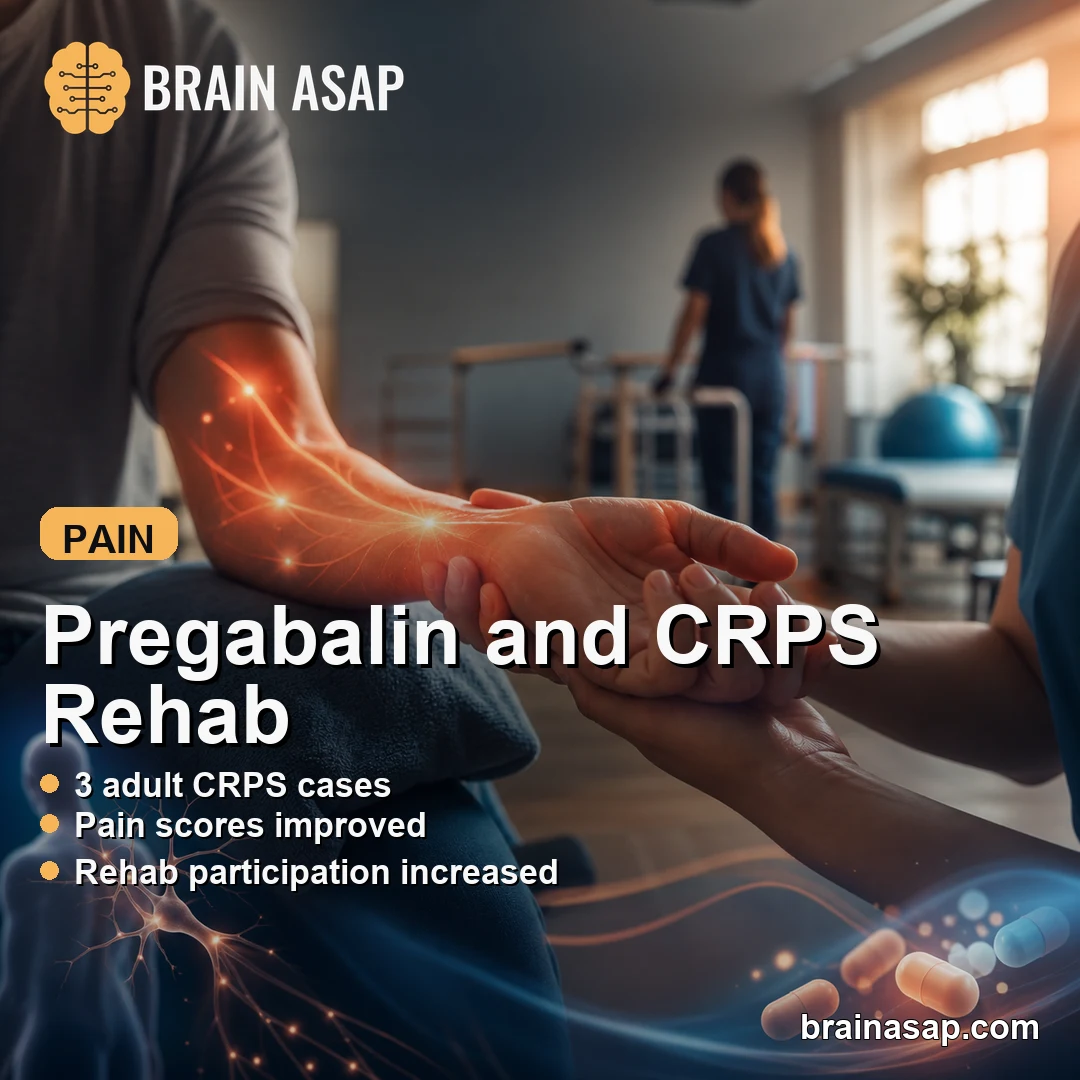
TL;DR: A 2026 study in Journal of Pain Research described 3 adults with type I complex regional pain syndrome (CRPS), a severe neuropathic pain condition with sensory, autonomic, motor, and skin changes, whose pain scores improved after pregabalin and who were…
Read article ↗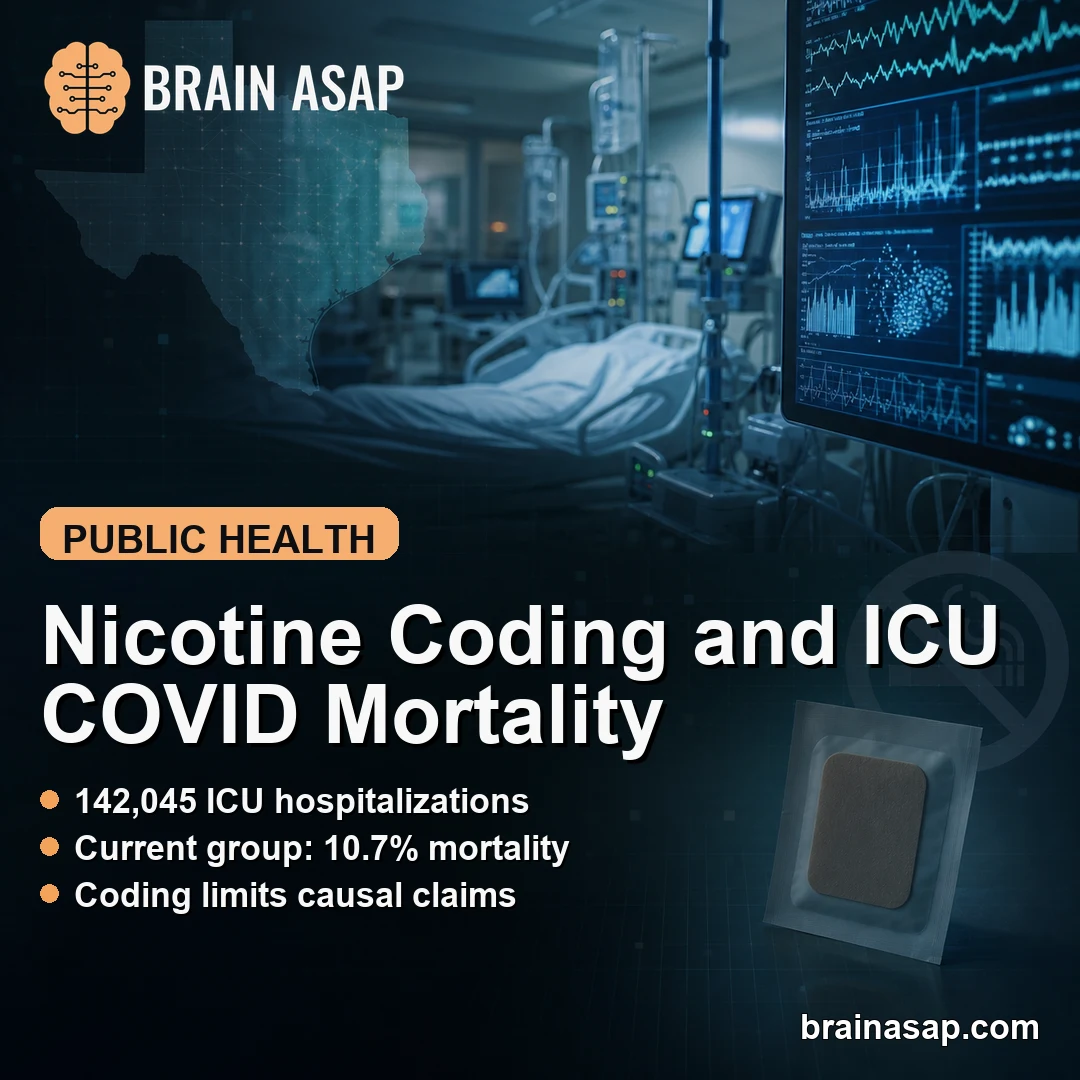
TL;DR: A 2026 study in PLOS One found that Texas ICU COVID-19 hospitalizations coded for current nicotine dependence had lower crude and adjusted mortality than hospitalizations coded as never nicotine dependent, but the administrative-data design means the re…
Read article ↗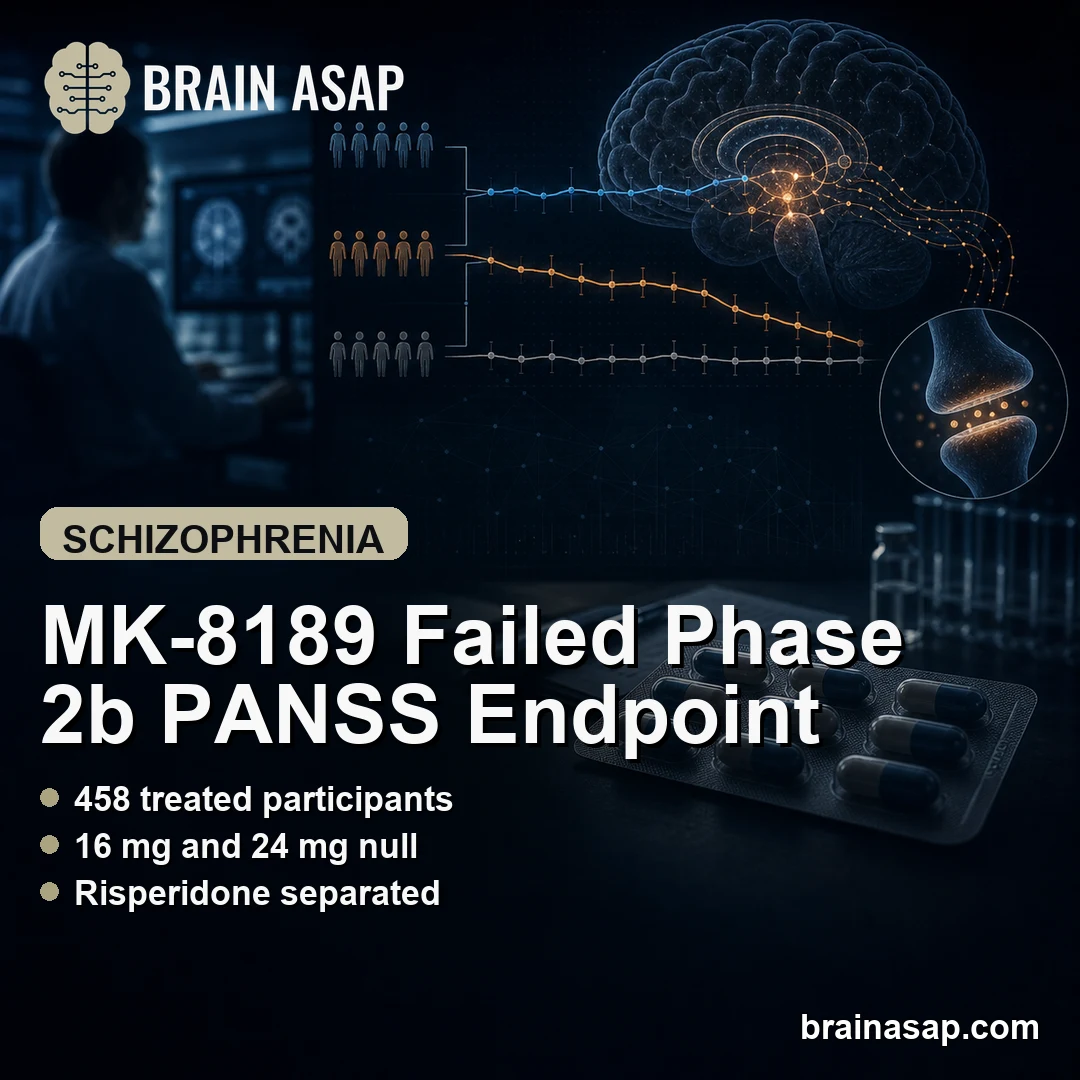
TL;DR: A 2026 randomized phase 2b trial in Journal of Clinical Psychopharmacology found that the PDE10A inhibitor MK-8189 did not improve Positive and Negative Syndrome Scale (PANSS) schizophrenia symptom scores more than placebo after 6 weeks, while risperido…
Read article ↗
TL;DR: A 2026 meta-analysis in Sleep and Breathing found that GLP-1 drugs, metabolic hormone medications involved in glucose, appetite, and weight regulation, were linked to fewer obstructive sleep apnea breathing events in adults with obesity. Key Findings Sl…
Read article ↗
TL;DR: A 2026 placebo-controlled study in Human Psychopharmacology: Clinical and Experimental found that ebselen did not meaningfully reduce motor impulsivity, reflection impulsivity, delay discounting, or emotion-recognition outcomes in 130 healthy adults. Ke…
Read article ↗
TL;DR: A 2026 review in Current Opinion in Psychiatry found that earlier clozapine use in schizophrenia, especially after early nonresponse or relapse, was linked to better relapse prevention and stronger response rates than repeated nonclozapine antipsychotic…
Read article ↗
TL;DR: A 2026 Phase I study in CNS Drugs found that a 400 mg powdered cannabidiol (CBD) formulation reached peak blood levels faster than oil-based Epidyolex, especially after a high-fat meal, while both products were generally well tolerated in healthy adults…
Read article ↗
TL;DR: A 2026 case study in Neurological Sciences described 2 Tourette syndrome patients who developed oculogyric crisis, a sustained upward eye-rolling dystonia, after aripiprazole was increased to 20-30 mg/day, with both cases resolving after dose reduction.…
Read article ↗
TL;DR: A 2026 randomized single-blind trial in BMC Psychiatry found that a one-day lithium carbonate loading dose plus quetiapine reduced acute manic symptoms in bipolar I disorder more than standard slow-titration lithium plus quetiapine over 14 days. Key Fin…
Read article ↗
TL;DR: A 2026 study in Molecular Neurobiology found that Antrodia cinnamomea, a medicinal fungus extract, worked best when carried on citrate-stabilized silver nanoparticles in cell and rat models of Parkinson’s-like dopamine injury. Key Findings 6-OHDA create…
Read article ↗