
TL;DR: A 2026 meta-analysis in Psychological Medicine found that reduced resting-state connectivity between the amygdala and anterior cingulate cortex was the most robust brain-network difference in anxiety disorders. Key Findings 15 datasets: The meta-analysi…
Read article ↗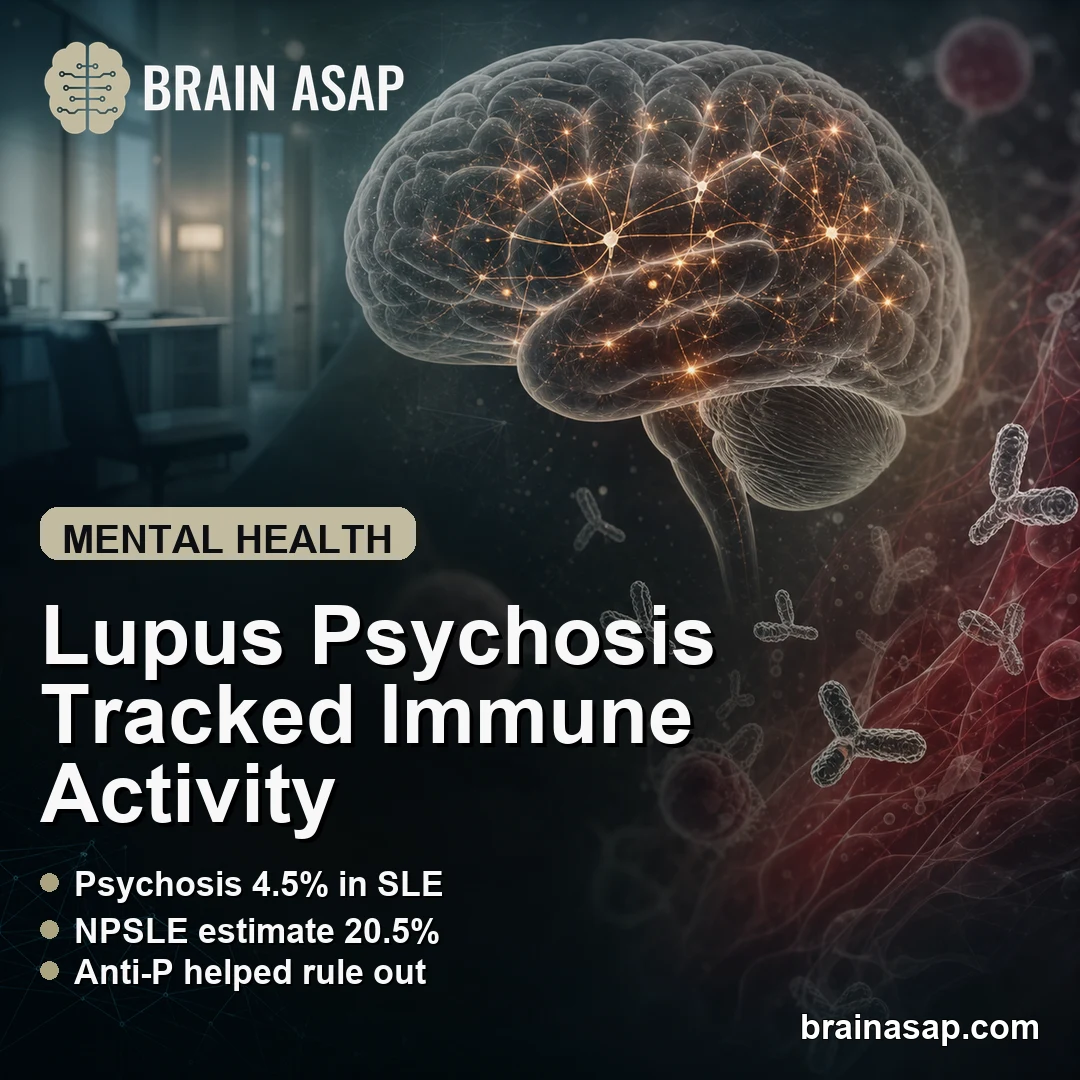
TL;DR: A 2026 systematic review and meta-analysis in Lupus found that psychosis affected about 4.5% of adults with systemic lupus erythematosus (SLE), was more common in neuropsychiatric SLE, and tracked most strongly with active immune disease markers rather…
Read article ↗
TL;DR: A 2026 preprint in medRxiv found that head-impact-related magnetoencephalography (MEG) changes in high-school football players were strongest in cortical regions matching specific neurotransmitter and gene-expression maps, especially norepinephrine, nic…
Read article ↗
TL;DR: A 2026 study in Biological Psychiatry: Global Open Science found that systemic low-frequency oscillation (sLFO), a slow whole-body physiology readout usually treated as functional MRI noise, tracked nicotine dependence, cue-induced craving, abstinence,…
Read article ↗
TL;DR: A 2026 study in European Archives of Psychiatry and Clinical Neuroscience found that more than half of 184 young adults entering an early-psychosis supported employment and education trial were not in work, school, or training, even though nearly all ha…
Read article ↗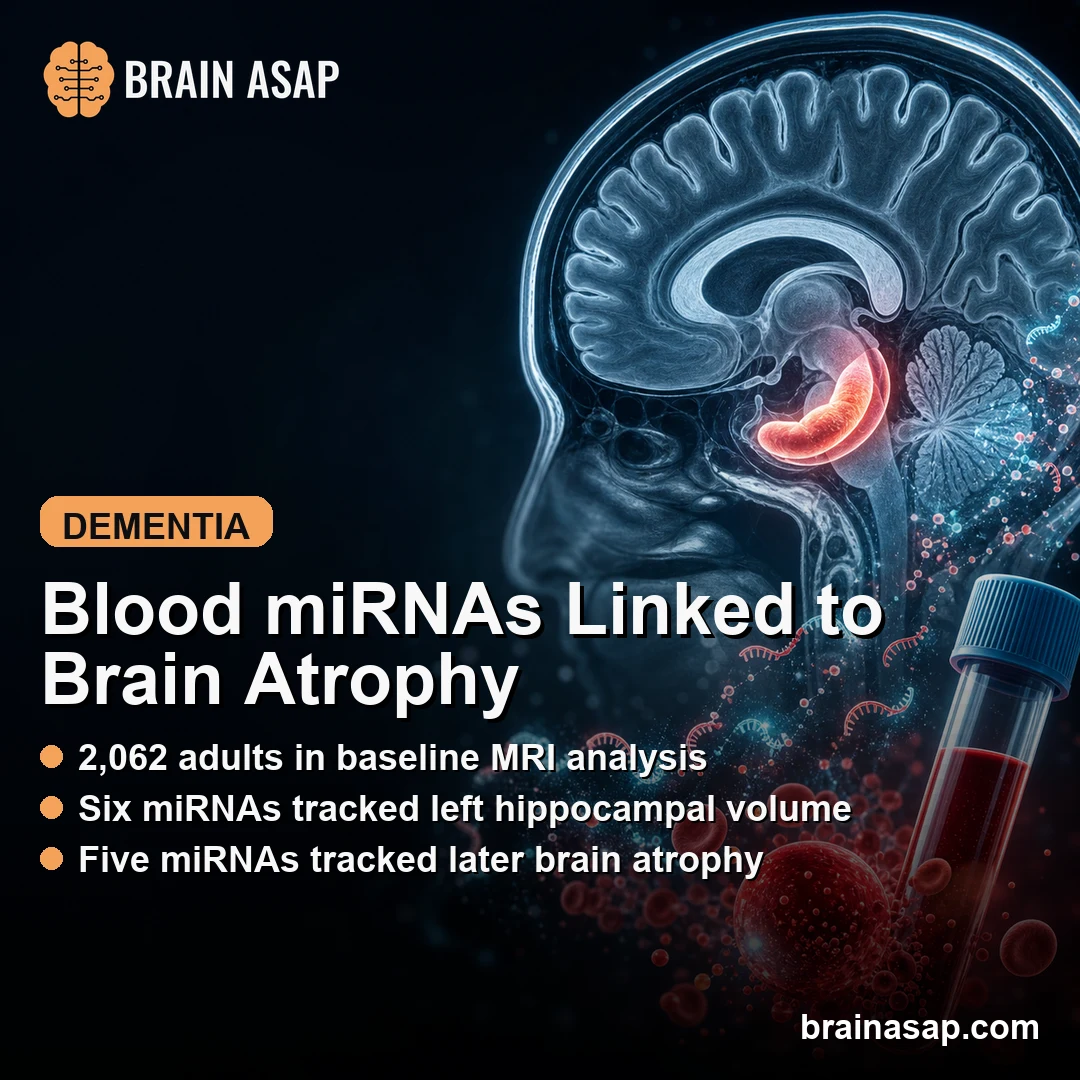
TL;DR: A 2026 Molecular Psychiatry study linked blood-derived microRNAs, short RNA regulators that help control gene expression, to left hippocampal volume and later brain atrophy in adults from the Rhineland Study. Key Findings Baseline MRI cohort: Researcher…
Read article ↗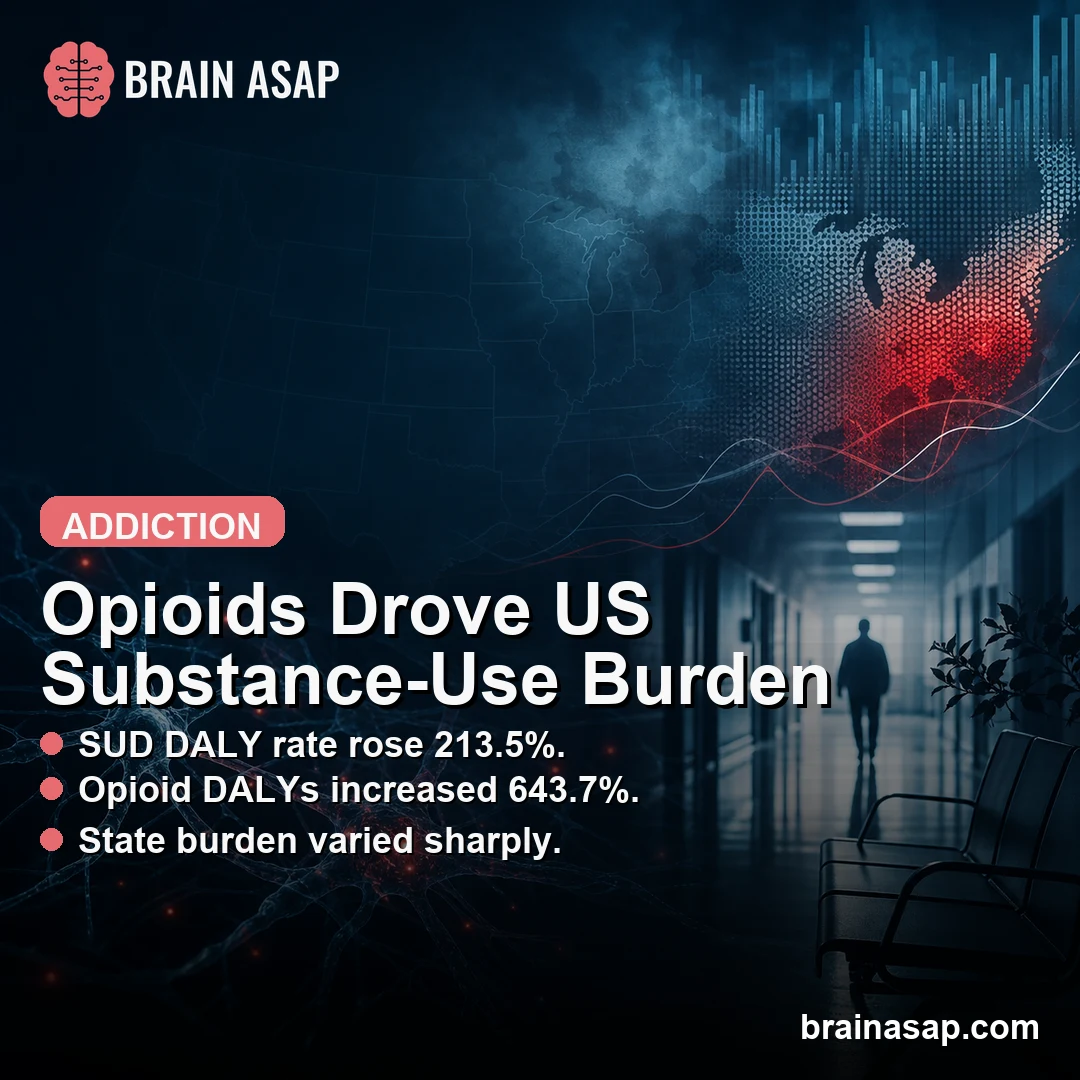
TL;DR: A 2026 study in Population Health Metrics used Global Burden of Disease 2019 estimates and found that U.S. substance-use-disorder health loss rose sharply from 1990 to 2019, with opioid use disorders driving the largest increase. Key Findings 19.5 milli…
Read article ↗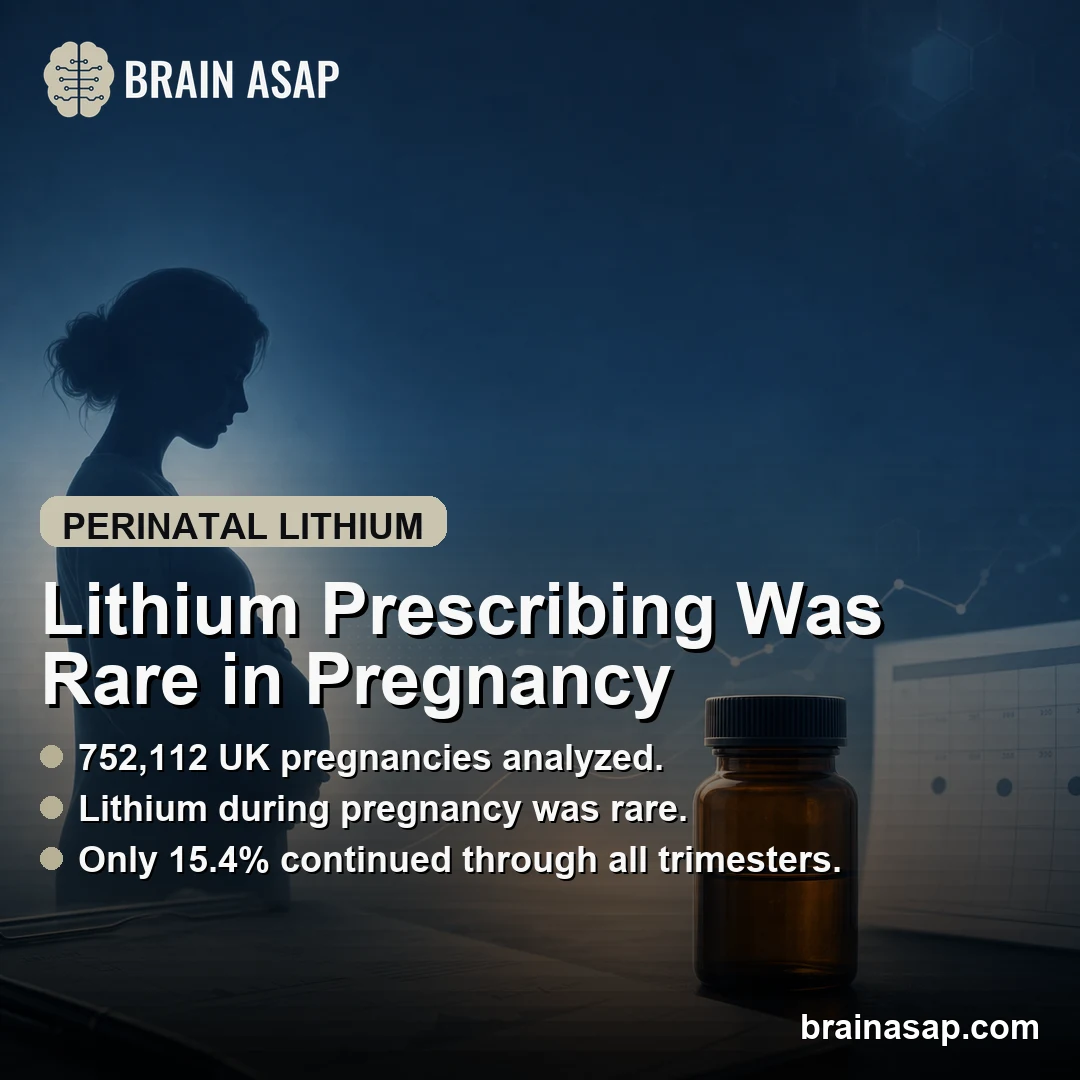
TL;DR: A 2026 cohort study in The British Journal of Psychiatry found that lithium prescribing around pregnancy was rare in UK primary care records, and most pre-pregnancy lithium users did not stay on treatment through all three trimesters. Key Findings 752,1…
Read article ↗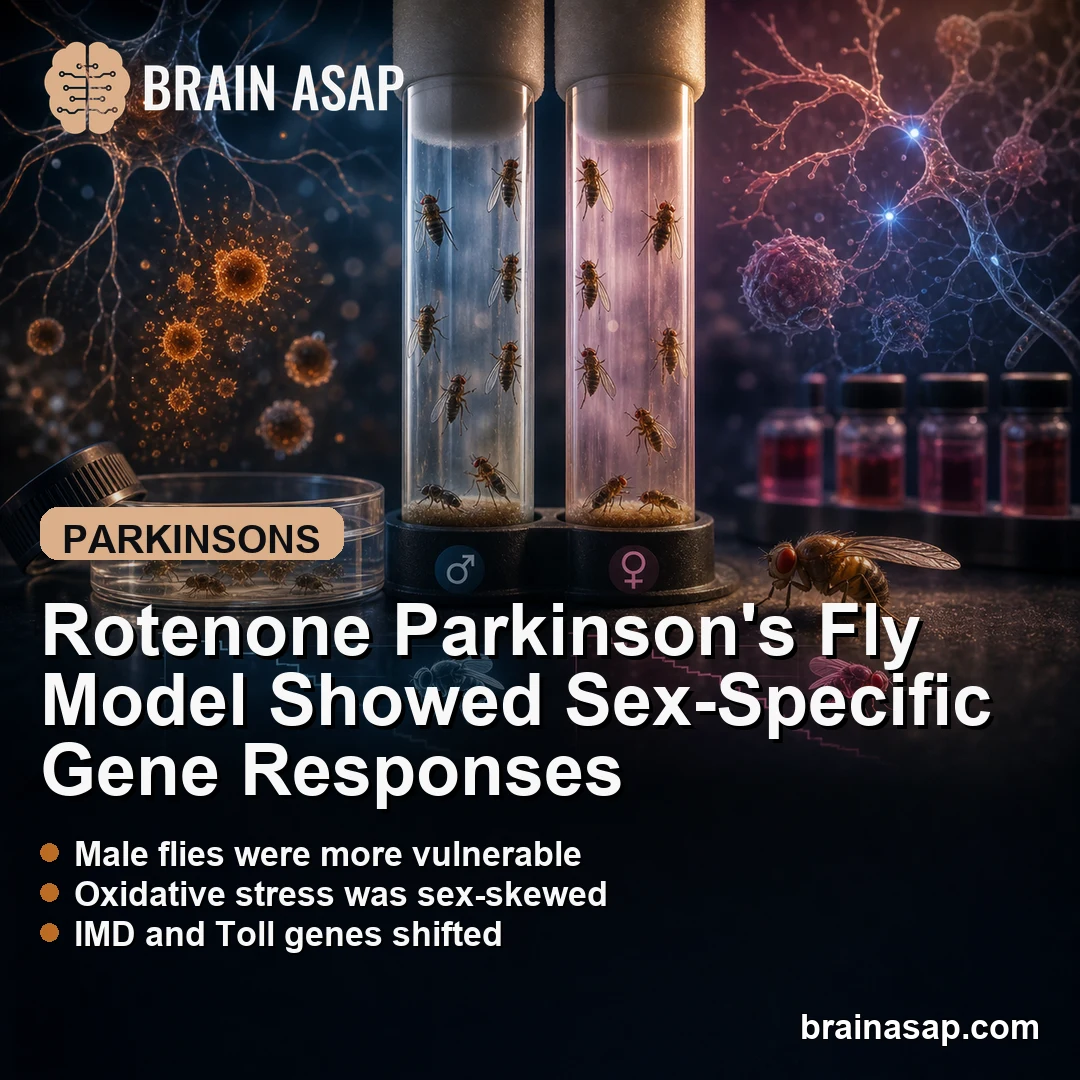
TL;DR: A 2026 fly study in IBRO Neuroscience Reports found that long-term rotenone exposure produced stronger survival, climbing, oxidative-stress, and late immune-gene disruption in male Drosophila than in female flies. Key Findings 90 flies per sex were trac…
Read article ↗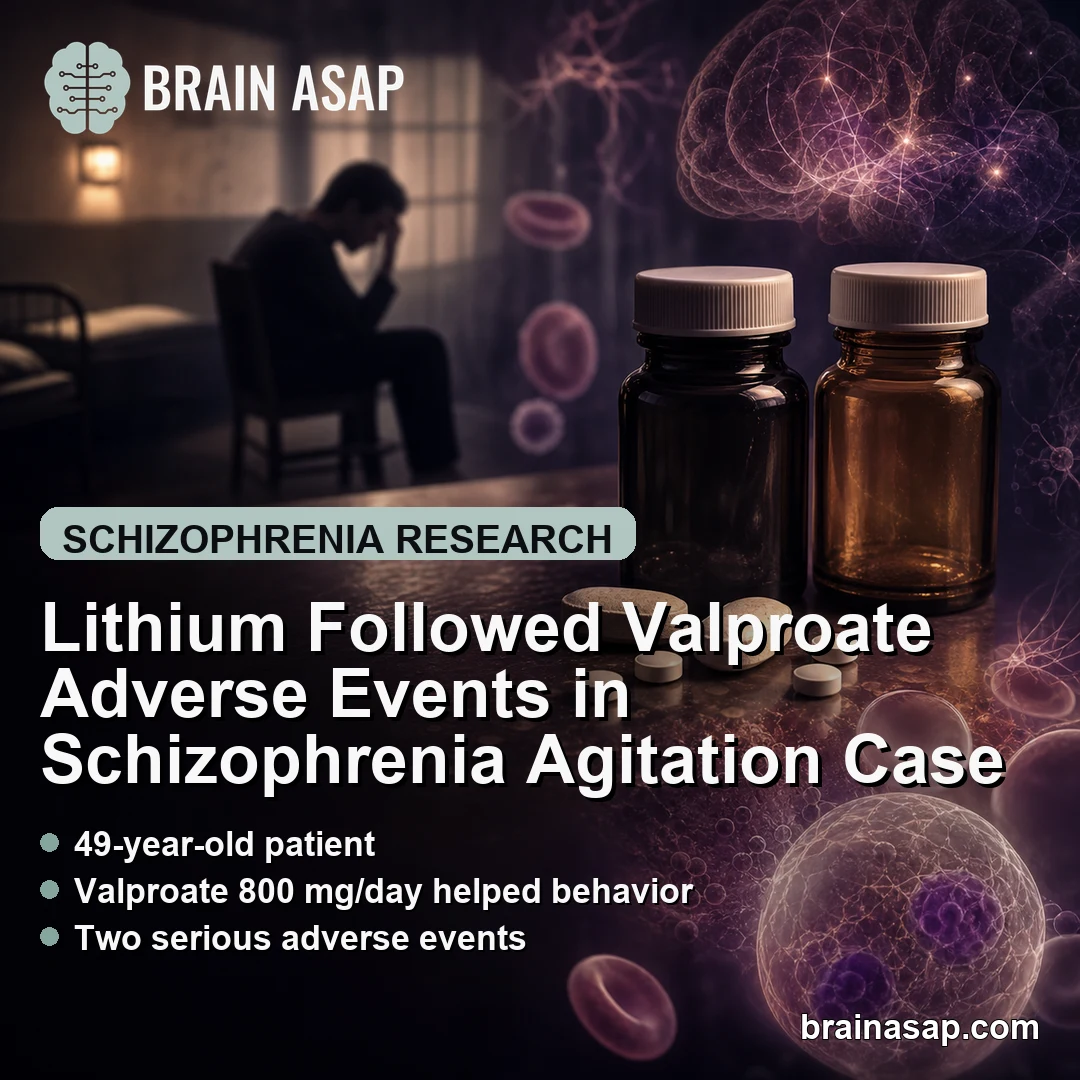
TL;DR: A 2026 study in Psychiatry and Clinical Neurosciences Reports described a treatment-resistant residual-phase schizophrenia case in which valproate helped agitation but caused hypoglycemia and pancytopenia, while lithium augmentation was followed by lowe…
Read article ↗