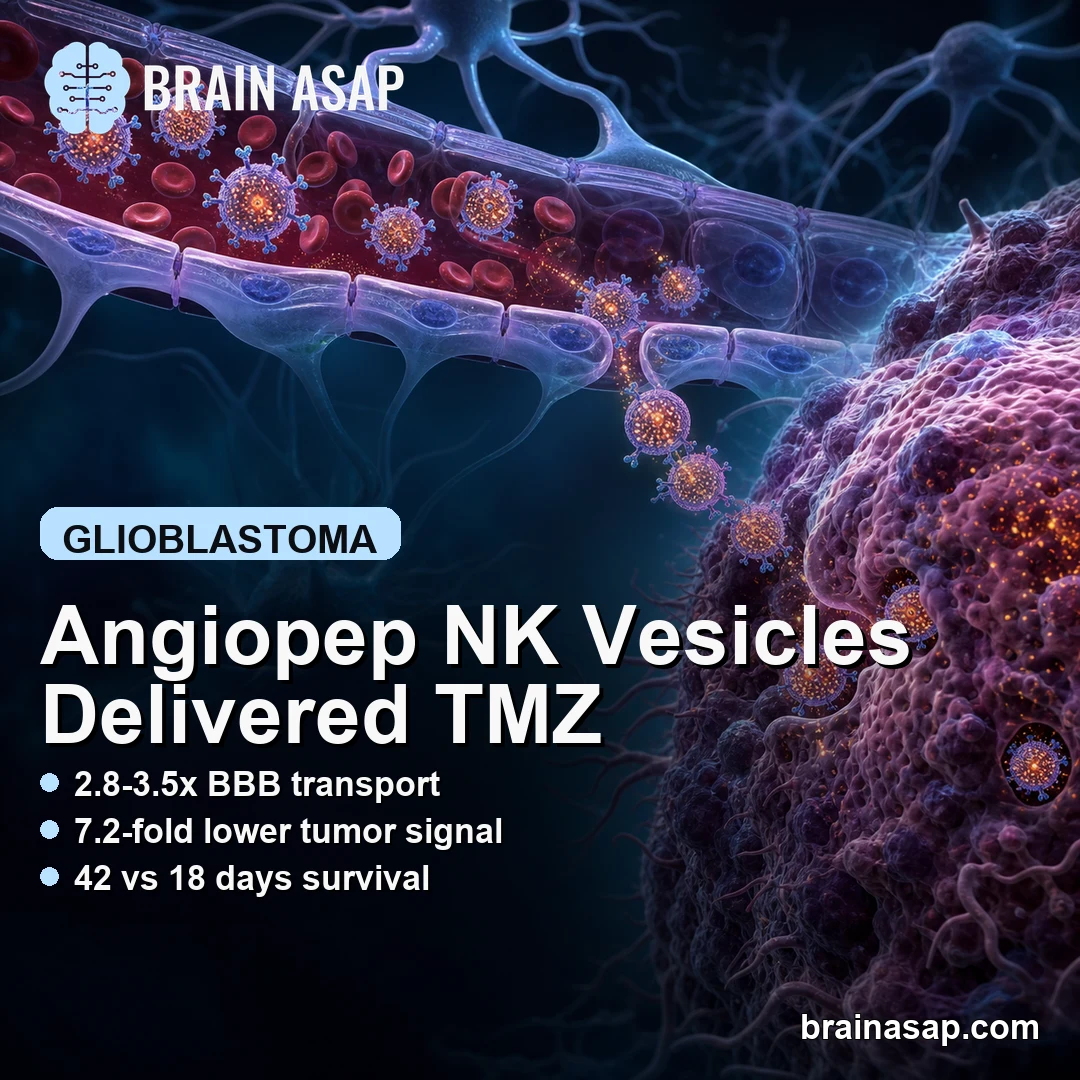
TL;DR: A 2026 study in Journal of Nanobiotechnology found that Angiopep-2-modified natural killer cell extracellular vesicles carried temozolomide across glioblastoma barriers, reduced mouse tumor bioluminescence, and extended median survival in an orthotopic…
Read article ↗
TL;DR: A 2026 preprint in medRxiv used amyloid positron-emission tomography, tau molecular imaging, and structural MRI to build individualized Alzheimer’s disease biomarker axes from ADNI and validate them in OASIS. Key Findings 12,430 ADNI images: The pipelin…
Read article ↗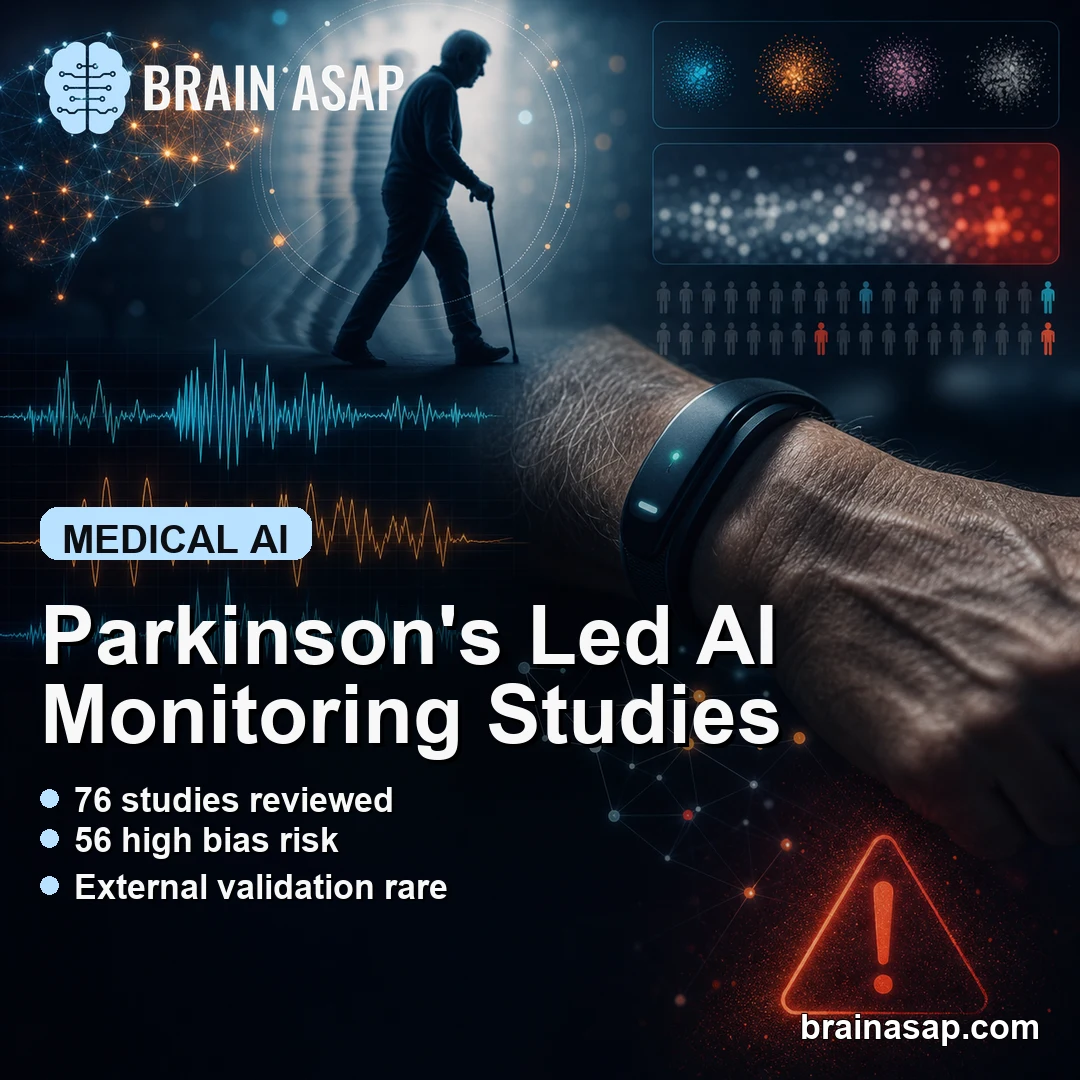
TL;DR: A 2026 systematic review in BMC Medical Informatics and Decision Making found that AI models using remote-monitoring data were most often studied in Parkinson’s disease, but 56 of 76 prospective studies had high risk of bias. Key Findings 6,668 records…
Read article ↗
TL;DR: A 2026 preprint in medRxiv found that the ADAS-Cog-13 cognitive scale detected impairment in older adults with focal epilepsy, but a cutoff of 15 had only modest diagnostic accuracy against an epilepsy-specific neuropsychological standard. Key Findings…
Read article ↗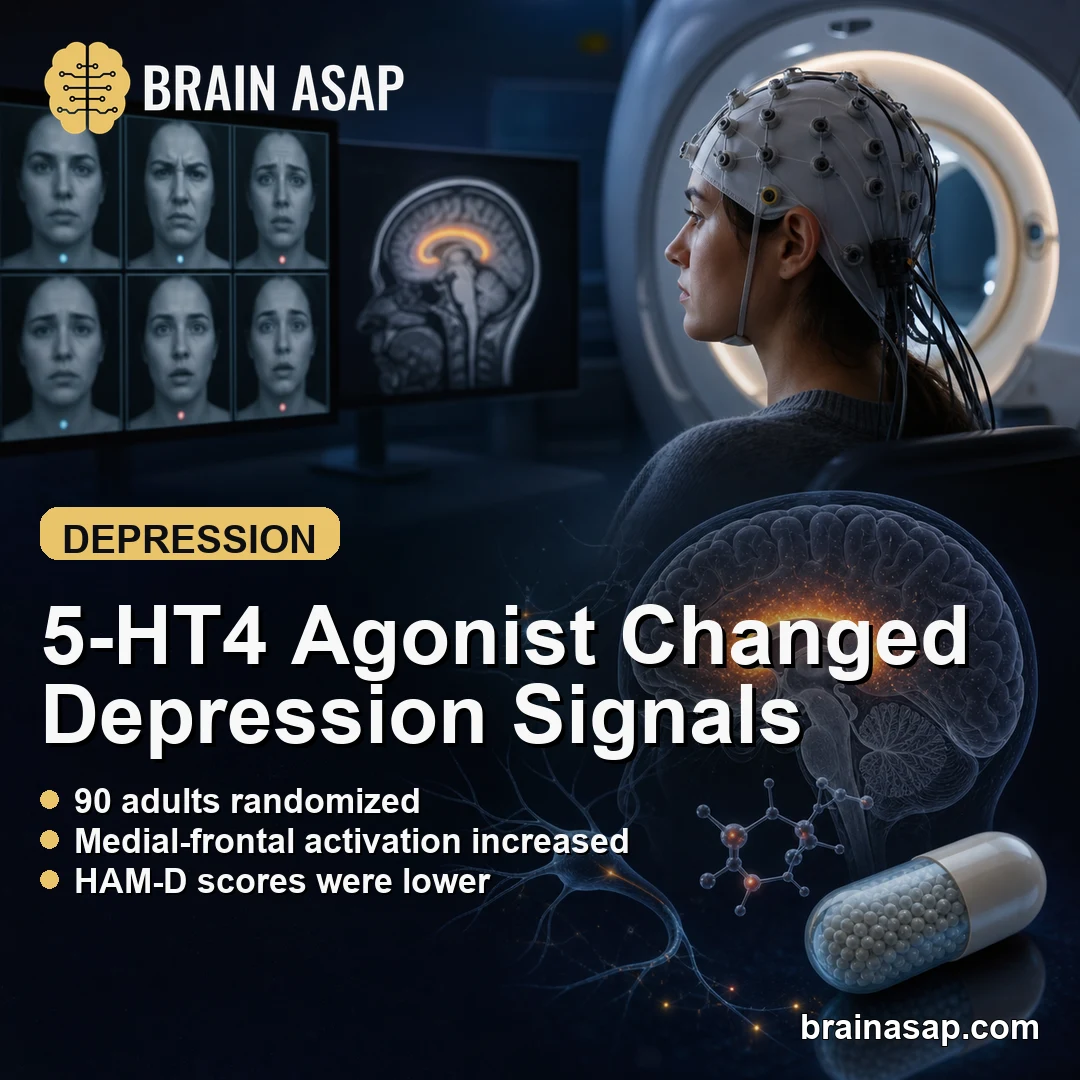
TL;DR: A 2026 randomized study in The British Journal of Psychiatry found that the experimental 5-HT4 receptor agonist PF-04995274 did not mimic citalopram’s early emotional-bias effects in unmedicated depression, but it was linked with lower depression rating…
Read article ↗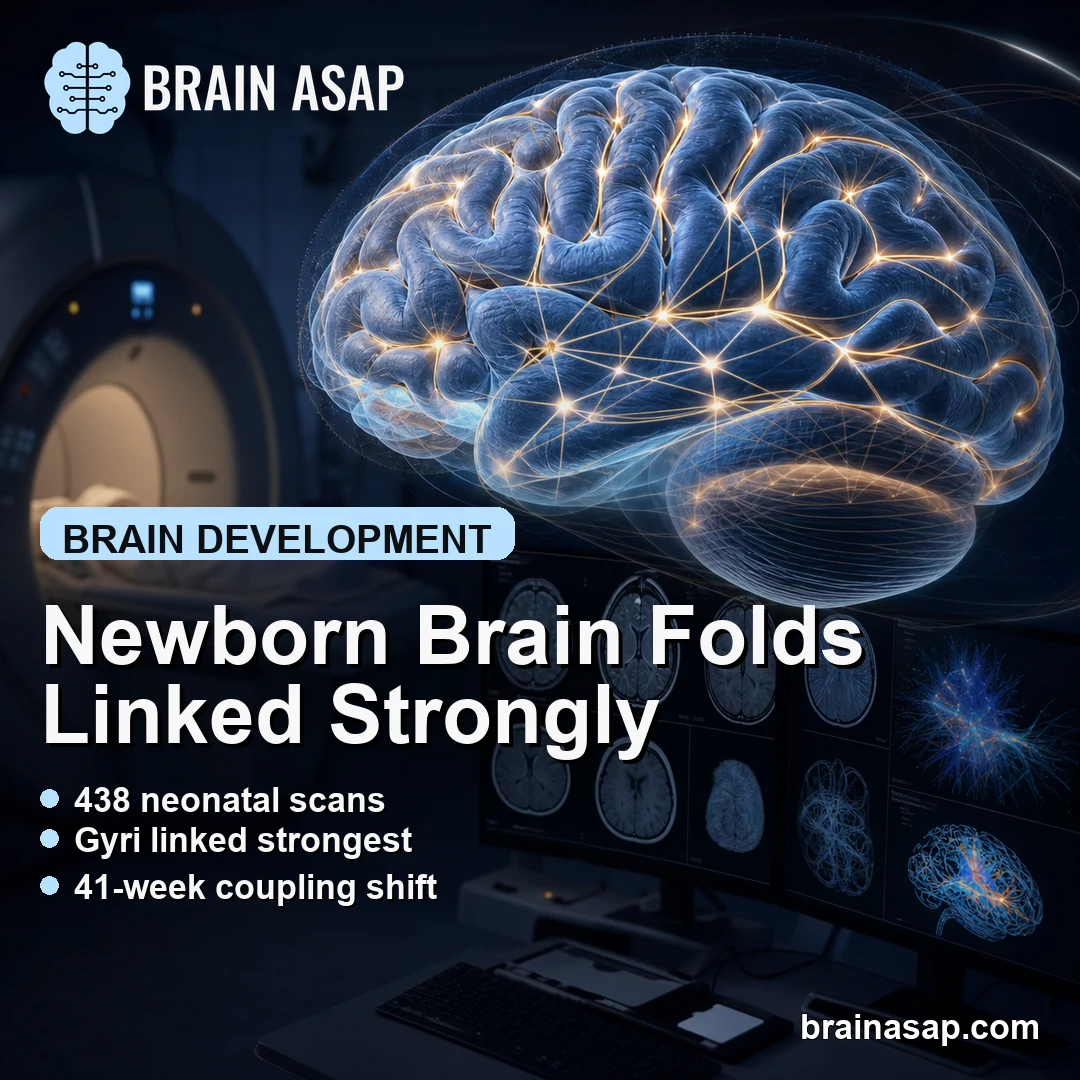
TL;DR: A 2026 study in Human Brain Mapping found that full-term neonates already showed stronger structural and functional connectivity between cortical gyri than between sulci, with brain structure-function coupling shifting toward decoupling around 41 weeks…
Read article ↗
TL;DR: A 2026 study in Nature Communications used deep learning, yeast screening, and human brain organoids to identify talarozole and sertaconazole as preclinical candidates that rescued several SURF1-related Leigh syndrome cell and organoid phenotypes. Key F…
Read article ↗
TL;DR: A 2026 pilot trial in PLOS One found that a 7-day chicory-and-green-tea herbal supplement did not improve sleep, quality of life, or objective sleep architecture more than placebo in adults with insomnia. Key Findings Small crossover pilot: The crossove…
Read article ↗
TL;DR: A 2026 preclinical study in the International Journal of Nanomedicine developed human umbilical cord mesenchymal stem cell membrane-coated PLGA nanoparticles to co-deliver doxorubicin and curcumin to glioblastoma models, improving tumor-cell uptake and…
Read article ↗
TL;DR: A 2026 systematic review in The Cerebellum found that deep brain stimulation (DBS) produced modest symptom improvement in selected cerebellar ataxia patients, with dentate nucleus stimulation most common in humans and interposed nucleus stimulation emer…
Read article ↗