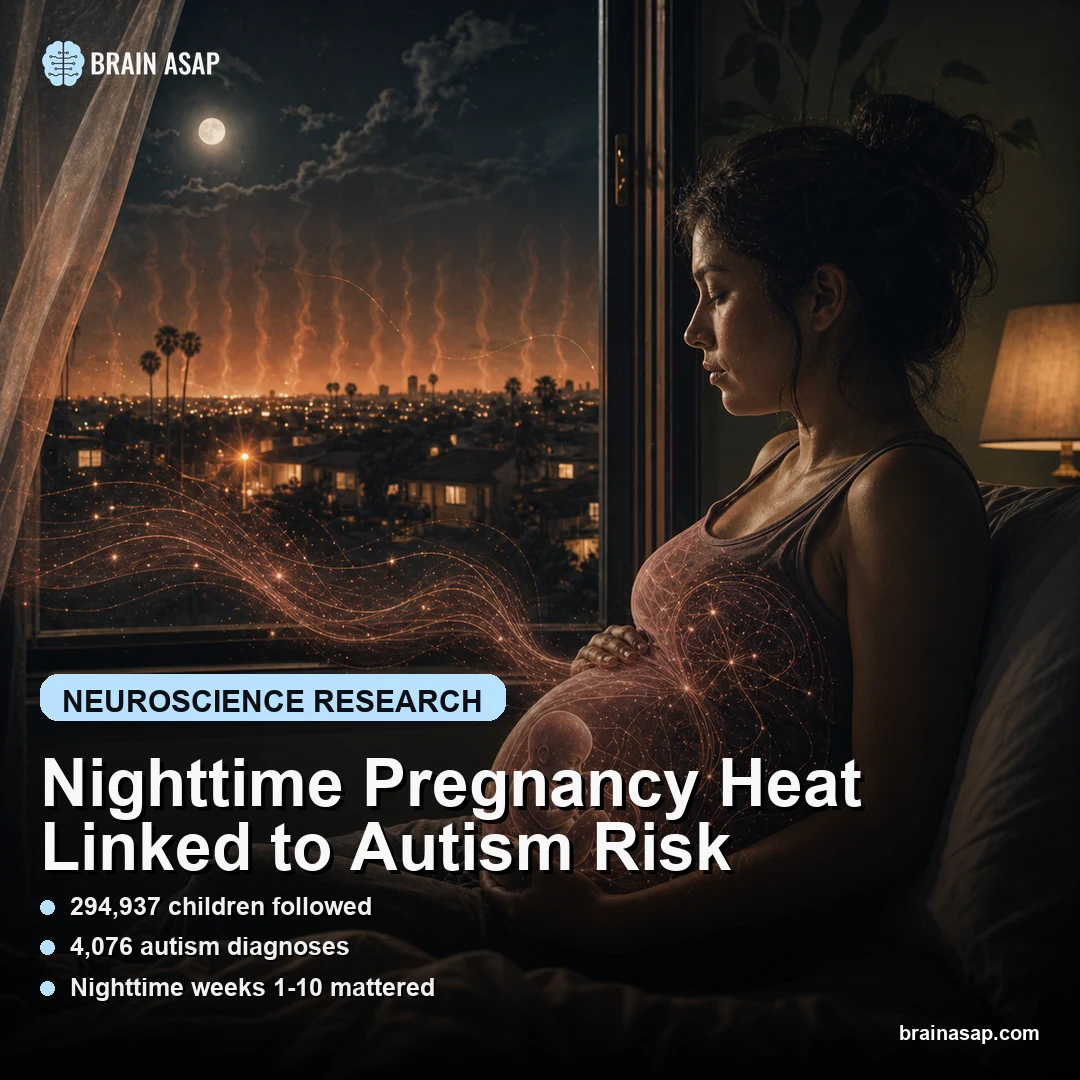
TL;DR: A 2026 study in Science of the Total Environment followed nearly 295,000 Southern California births and linked extreme nighttime heat in early and late pregnancy to higher autism diagnosis by age 5, while daytime heat was not associated. Key Findings A…
Read article ↗
TL;DR: A 2026 medRxiv preprint tested SimulAD, an Alzheimer’s disease progression simulator, and reported that it reproduced mean amyloid-clearance results within 5% error across six major phase III anti-amyloid trials while also separating positive trials fro…
Read article ↗
TL;DR: A 2026 exploratory study in Nature Communications found that a first 25 mg psilocybin dose in 28 psychedelic-naive adults increased electroencephalography (EEG), a scalp recording of brain electrical activity, entropy during the acute session and that e…
Read article ↗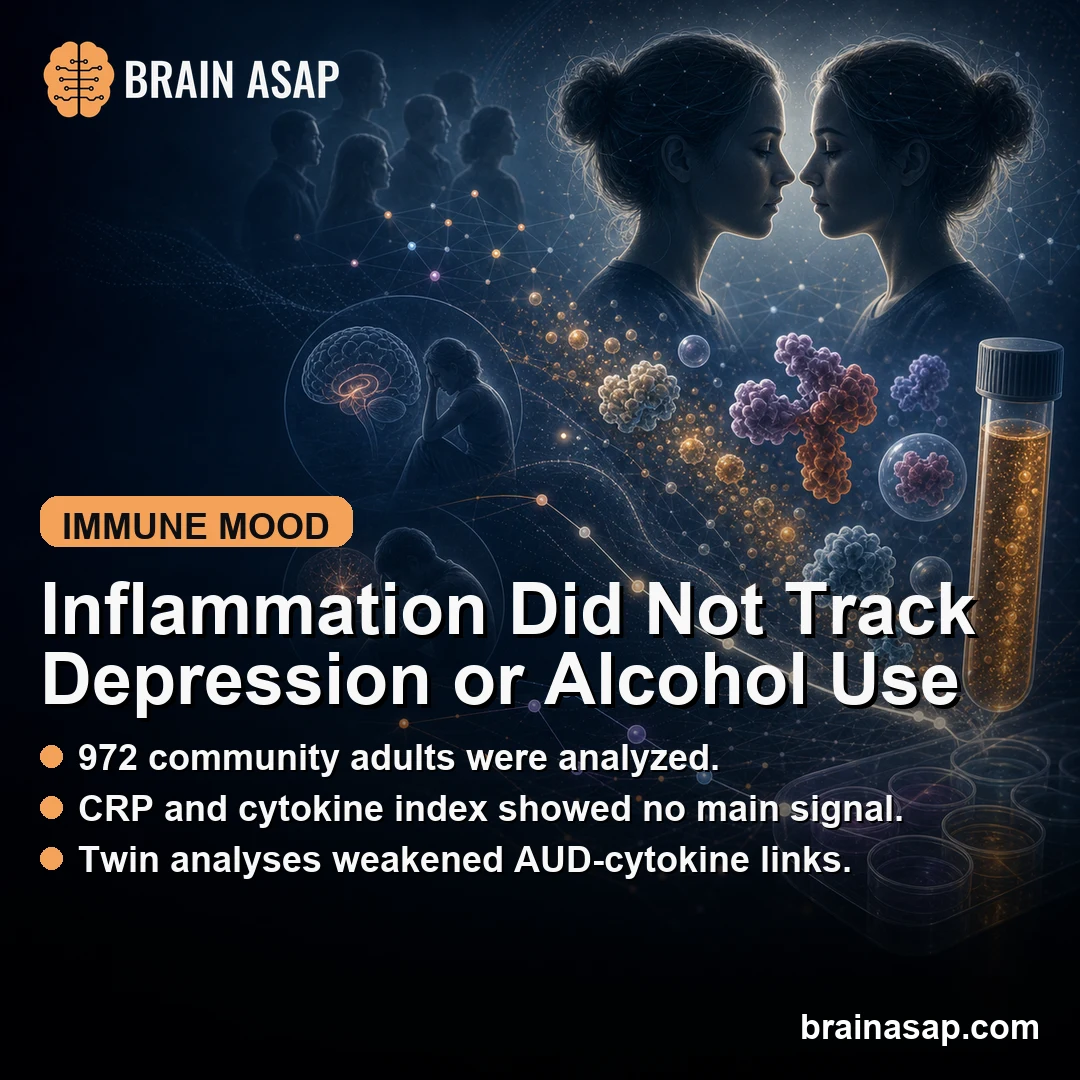
TL;DR: A 2026 study in Brain, Behavior, & Immunity – Health found that depression symptoms, alcohol use, and alcohol use disorder (AUD) symptoms were not associated with C-reactive protein (CRP), a blood inflammation marker, or a pro-inflammatory cytokine inde…
Read article ↗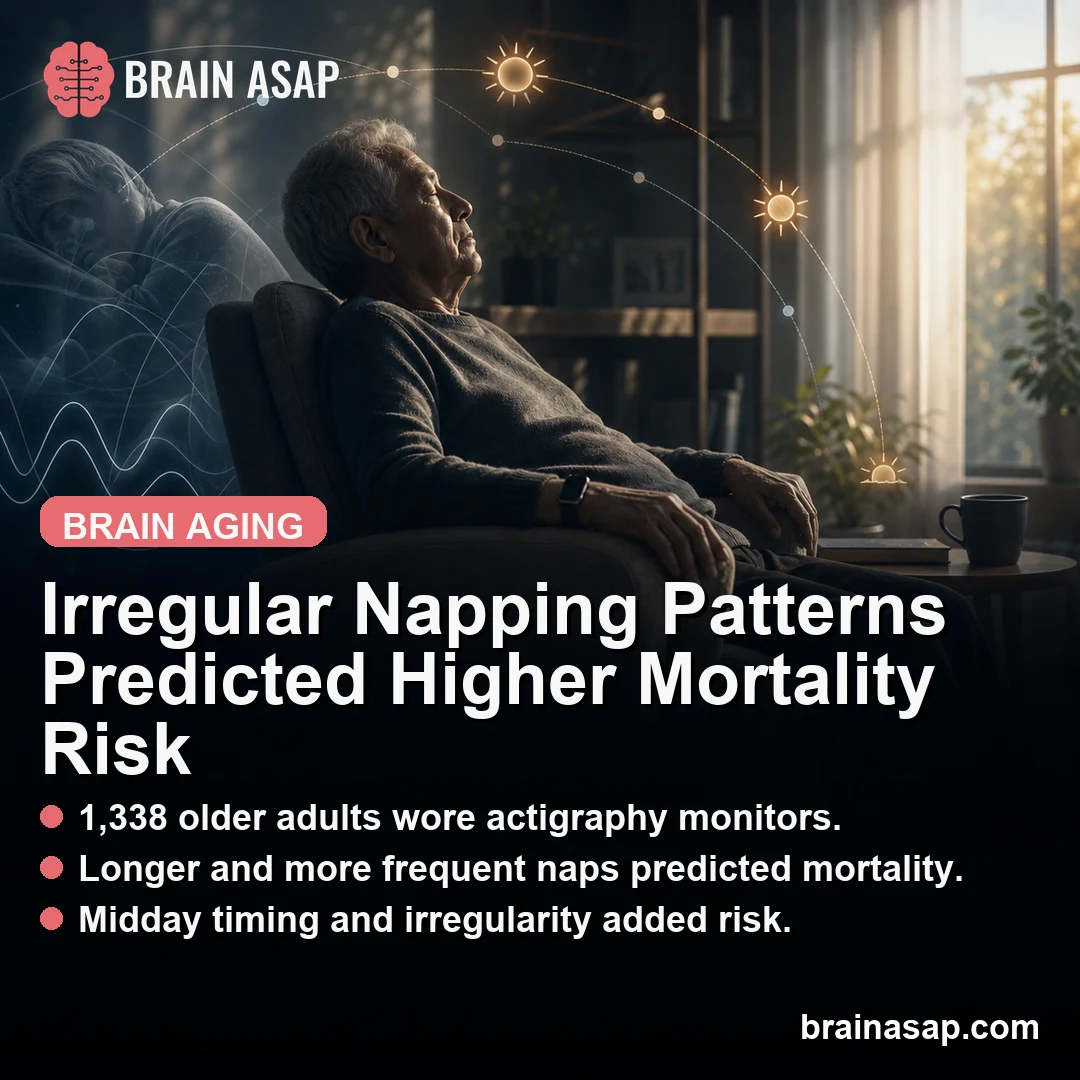
TL;DR: A 2026 study in JAMA Network Open tracked 1,338 older adults from the Rush Memory and Aging Project for up to 19 years using objective wrist-actigraphy and found that each additional hour of daytime napping per day was linked to ~13% higher mortality, e…
Read article ↗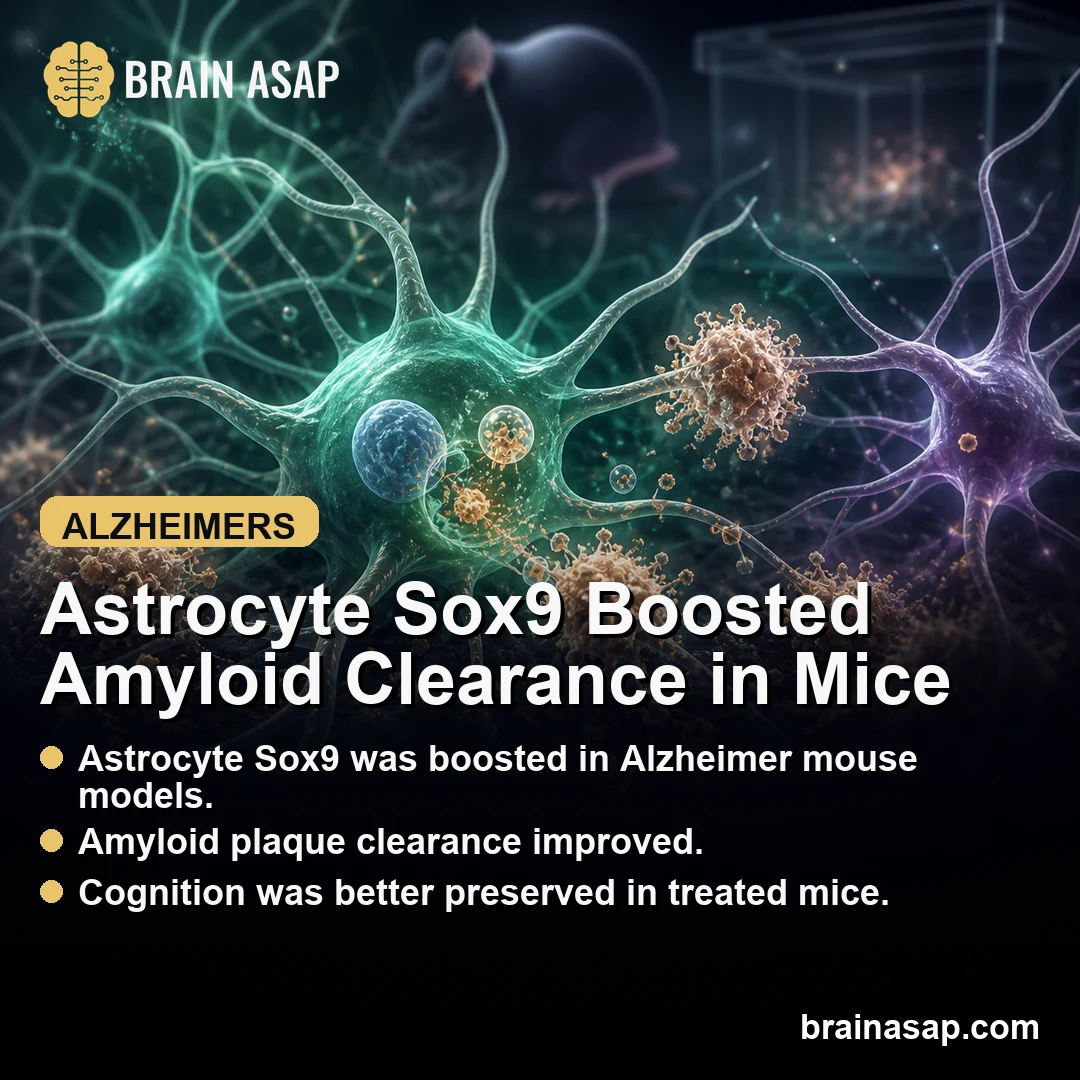
TL;DR: A 2026 study in Nature Neuroscience from Baylor College of Medicine showed that boosting Sox9, a transcription factor that regulates aging astrocytes, improved astrocytes’ ability to clear amyloid plaques in Alzheimer’s mouse models and preserved cognit…
Read article ↗
TL;DR: A 2026 study in The Journals of Gerontology, Series A: Biological Sciences and Medical Sciences measured a monocyte-specific DNA methylation clock (MonoDNAmAge) in 440 women with and without HIV, and found that accelerated monocyte epigenetic aging was…
Read article ↗
Connexin 36 Loss Disrupted Thalamocortical Synchrony TL;DR: Deleting connexin 36 left broad sleep architecture mostly intact but disrupted fast brain electrical rhythms measured by electroencephalography (EEG), along with sensory-response markers often discuss…
Read article ↗
Gabapentin Plus Hegu Embedding Improved Post-Herpetic Neuralgia TL;DR: Adding weekly Hegu-point catgut embedding to gabapentin cut post-herpetic neuralgia pain and sleep disruption more sharply, raising response from 80.0% to 92.4%. Key Findings 210 randomized…
Read article ↗
How Five-Animal Play Matched Probiotics in Prediabetes TL;DR: 4 weeks of Huatuo Five-Animal Play improved glucose control and insulin resistance about as much as bifidobacterium capsules, outperforming low-intensity cycling on several metabolic markers, includ…
Read article ↗