C9orf72 Myeloid Cells Restrained Microbial Inflammation TL;DR: A gut-microbe signal called bacterial glycogen triggered damaging inflammation when C9orf72-deficient immune cells could not restrain it, linking an ALS/FTD gene to gut-brain immune control. Key Fi…
Read article ↗
Brain Age MRI Mapped Stroke Recovery in 501 Patients TL;DR: A Lancet Digital Health ENIGMA study found that larger stroke lesions made the damaged hemisphere look biologically older, while severe motor impairment was linked to younger-appearing contralesional…
Read article ↗
Blood GFAP Started Mirroring the Brain Only After the BBB Leaked TL;DR: Blood biomarkers mostly failed to mirror the brain while the blood-brain barrier stayed intact; once the barrier leaked, glial fibrillary acidic protein (GFAP), an astrocyte injury protein…
Read article ↗
ECT Looks Safer in the Long Run Than Its Reputation TL;DR: A British Journal of Psychiatry review argues that modern population-level studies do not support a long-term increase in dementia or major cardiovascular risk after electroconvulsive therapy and inste…
Read article ↗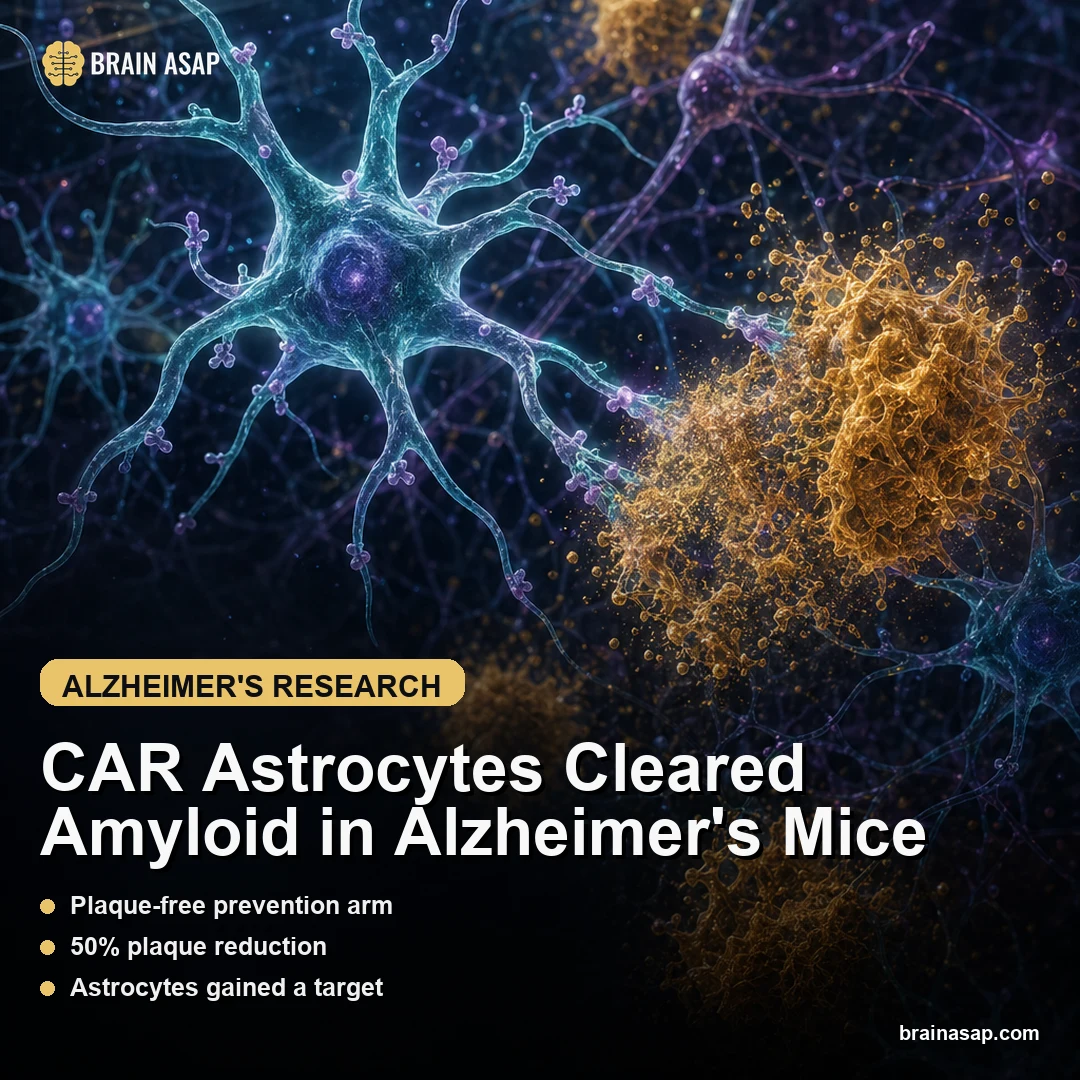
TL;DR: A CAR-style therapy aimed at astrocytes turned brain support cells into amyloid cleaners, preventing plaque development and cutting existing plaque burden by about half in mice. Key Findings Plaque-free prevention arm: Young mice treated before plaques…
Read article ↗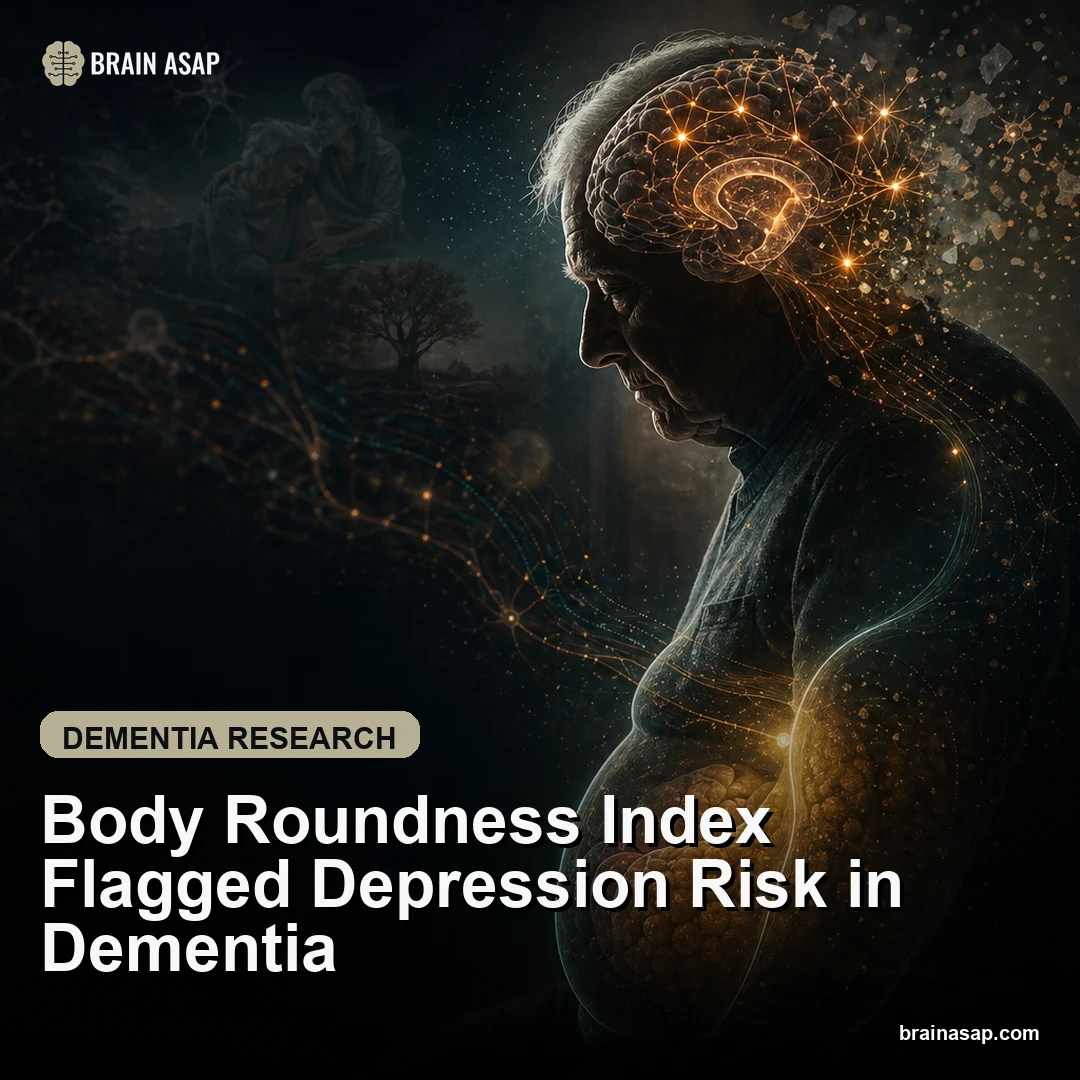
Body Roundness Index Flagged Depression Risk in Dementia TL;DR: Body roundness index, not BMI, flagged a dementia subgroup with more than threefold higher odds of depressive symptoms. Key Findings Highest BRI tripled odds: Among people with dementia, those in…
Read article ↗
Esketamine Lost the Cost-Effectiveness Race in Hong Kong TL;DR: A 5-year Hong Kong model found esketamine plus an antidepressant bought only a small quality-adjusted survival gain at US$29,061 per patient, leaving it behind cheaper third-line options like comb…
Read article ↗
Hearing Aids Beat PSAPs Where Real-World Listening Gets Hard TL;DR: Hearing aids beat personal sound amplifiers where listening gets hardest: high-frequency sound, speech in noise, and daily user satisfaction. Key Findings Hearing aids won the crossover test:…
Read article ↗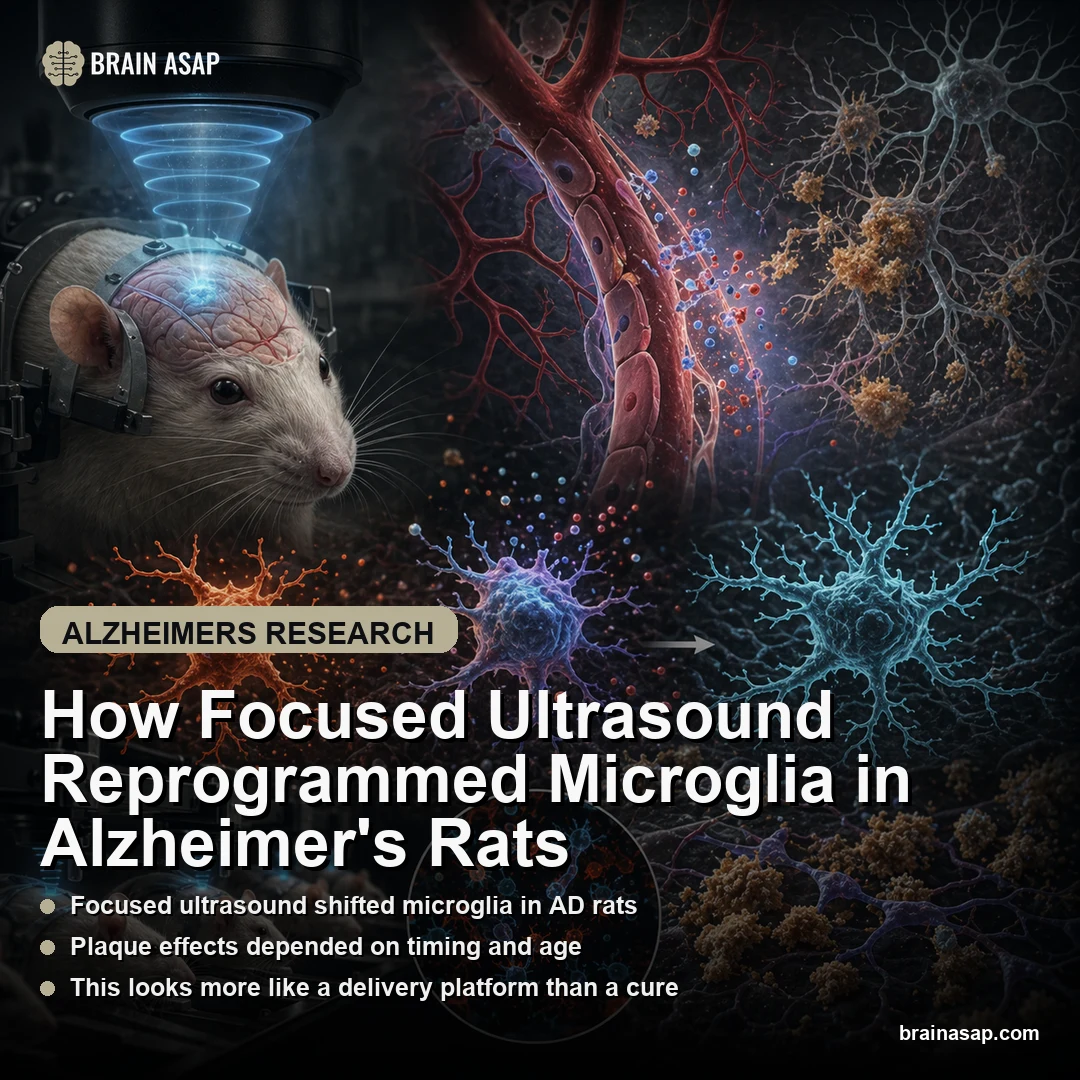
How Focused Ultrasound Reprogrammed Microglia in Alzheimer’s Rats TL;DR: In TgF344-AD rats, repeated low-intensity focused ultrasound triggered a short-lived inflammatory response, then left behind a more durable microglial metabolic shift in early disease wit…
Read article ↗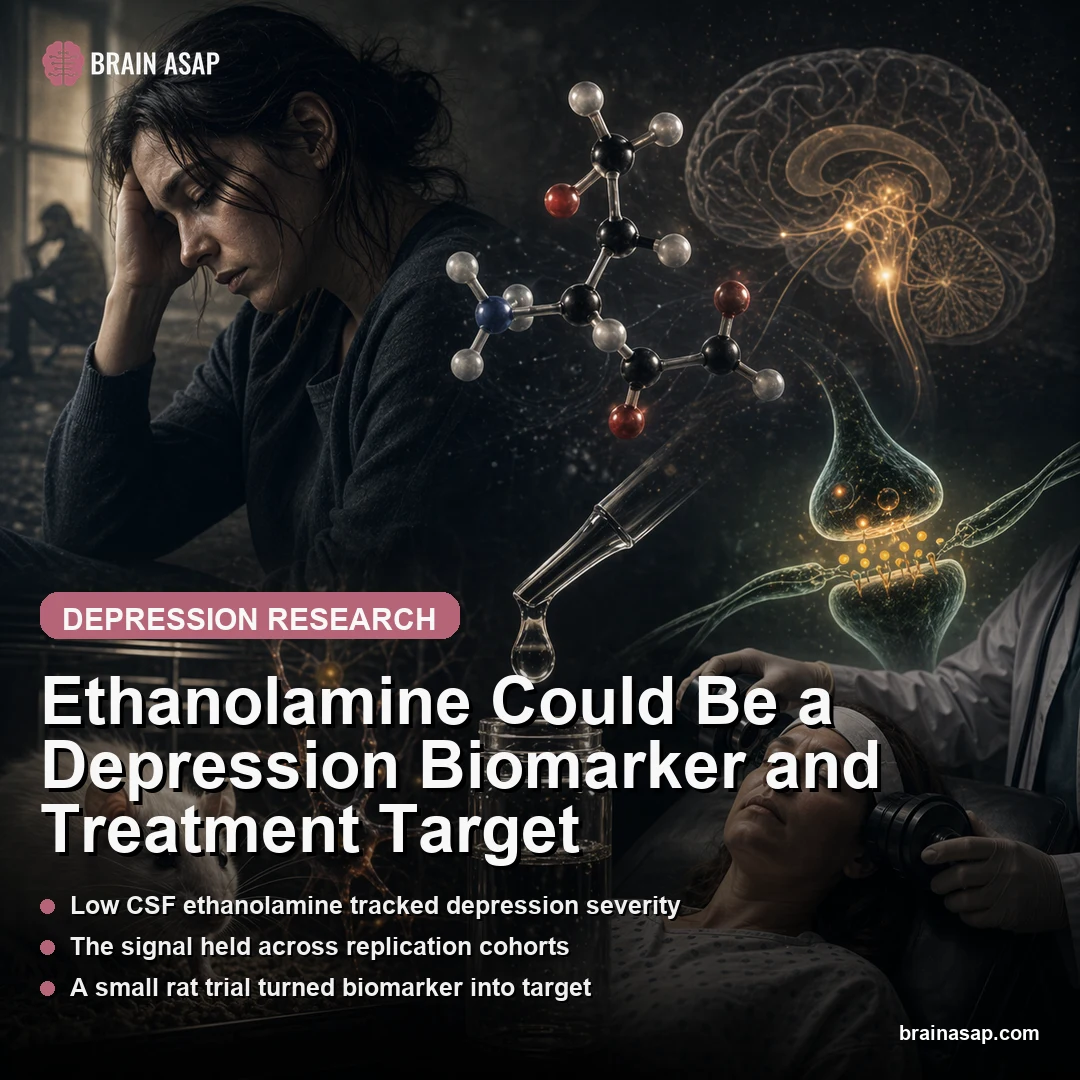
Ethanolamine Looked Like a Depression Biomarker and Treatment Target TL;DR: In a 380-person cerebrospinal fluid dataset, patients with active major depression had lower ethanolamine levels than controls, those levels rose after electroconvulsive therapy, and p…
Read article ↗