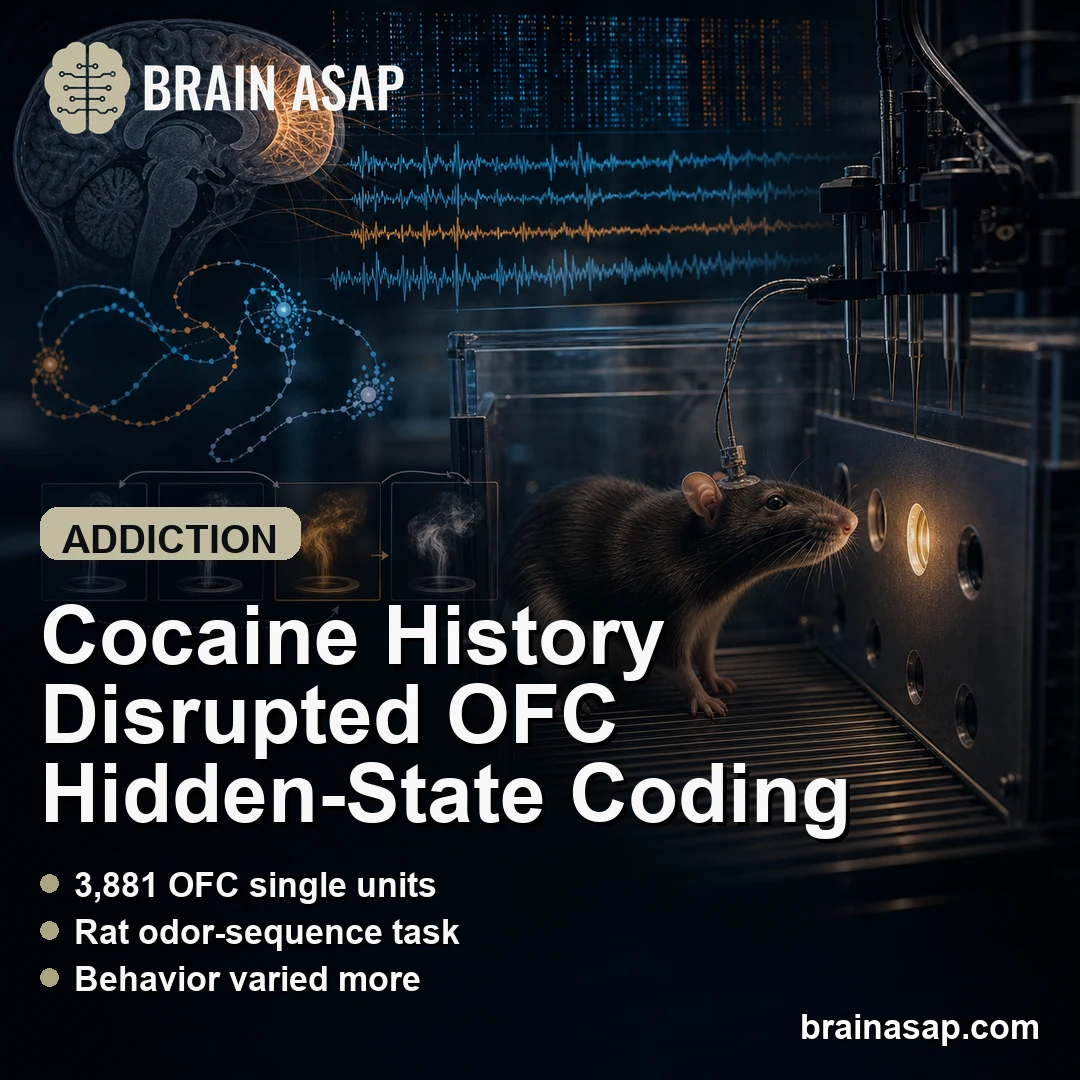
TL;DR: A 2026 study in eLife found that prior cocaine self-administration disrupted how rat orbitofrontal cortex (OFC), a frontal brain region involved in task structure and flexible behavior, encoded hidden states in an odor-sequence task. Key Findings 3,881…
Read article ↗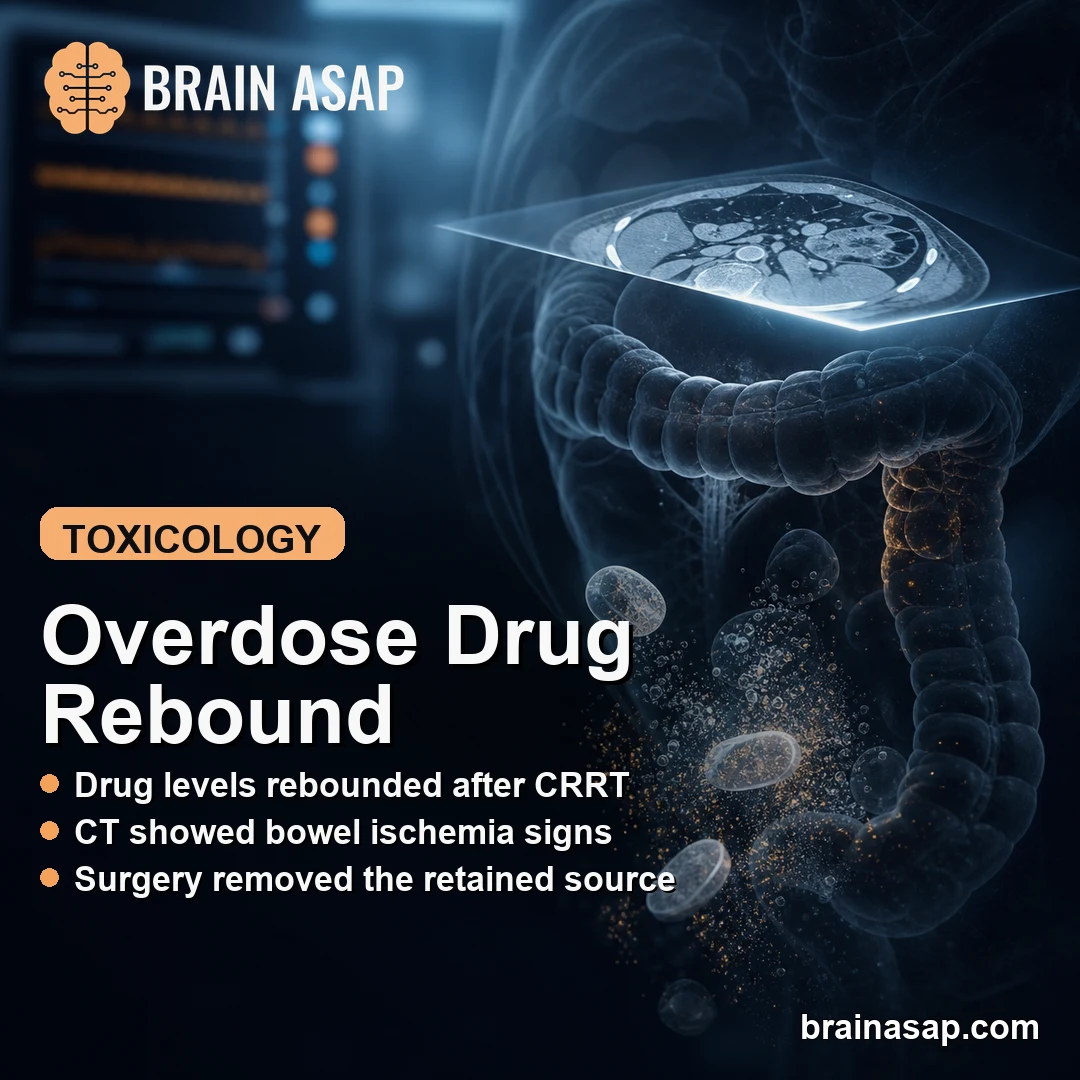
TL;DR: A 2026 study in Critical Care Explorations described a 45-year-old woman whose extended-release carbamazepine and venlafaxine overdose led to cardiac arrest, delayed serotonin syndrome, rebounding carbamazepine levels, bowel ischemia, and right hemicole…
Read article ↗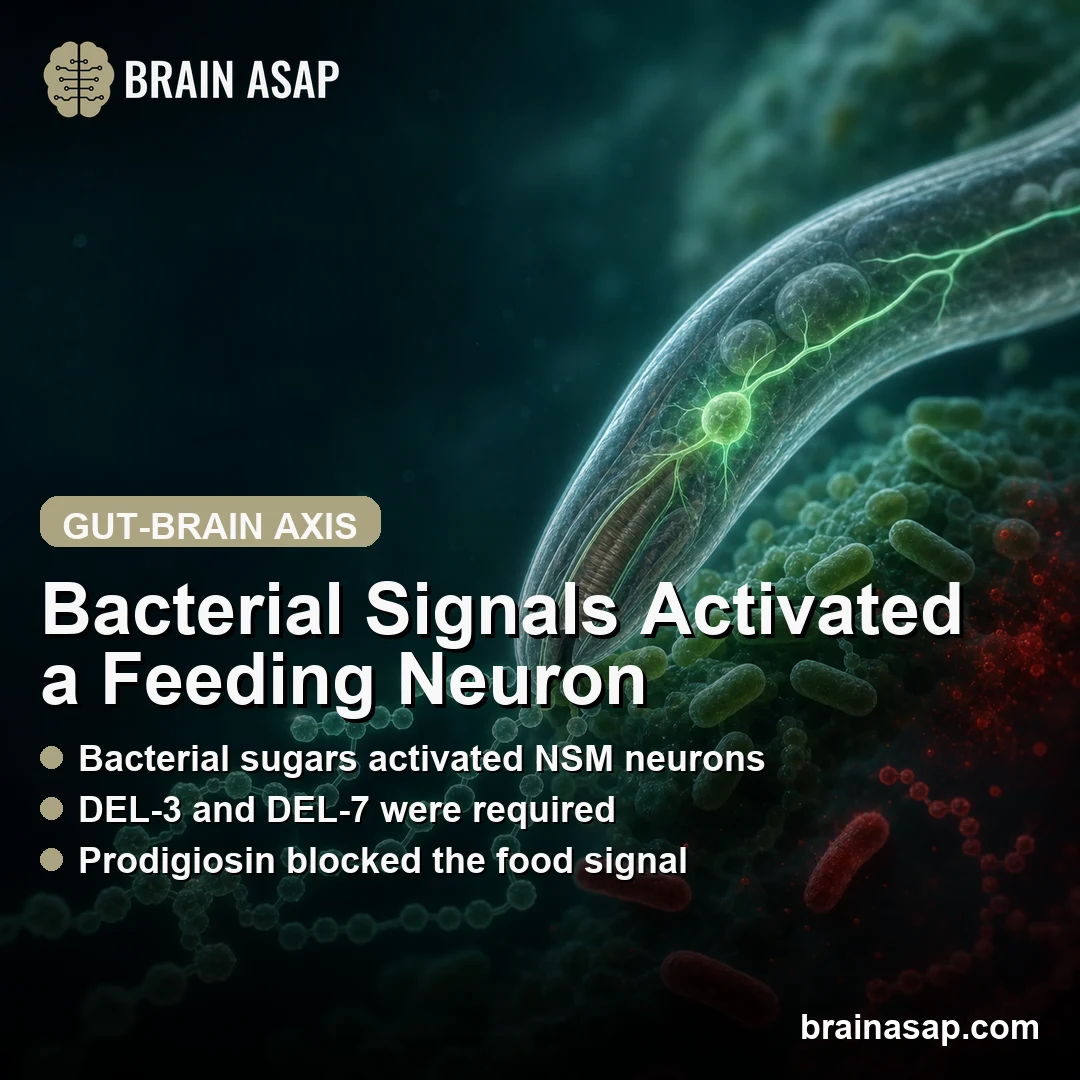
TL;DR: A 2026 Current Biology study found that bacterial polysaccharides, including peptidoglycan from Gram-positive bacteria, activated the C. elegans NSM enteric sensory neuron and shifted feeding and movement behavior through acid-sensing ion channels. Key…
Read article ↗
TL;DR: A 2026 study in Comprehensive Psychoneuroendocrinology found that adulthood stressor severity was linked to higher hair cortisol in a longitudinal sample, while early-life stress, recent stress, daily phone-based stress reports, and the cortisol/DHEA ra…
Read article ↗
TL;DR: A 2026 nationwide study in Journal of Korean Medical Science found that among South Korean children and adolescents with intellectual disability, diagnosed ADHD increased from 30.23% in 2012 to 41.77% in 2021, while diagnosed depression increased from 1…
Read article ↗
TL;DR: A 2025 study in Evolution and Human Behavior found that both men and women reported the strongest romantic jealousy when a partner actively gave most of a money allocation to an opposite-sex rival. Key Findings Partner investment was the strongest trigg…
Read article ↗
TL;DR: A 2026 Scientific Reports study of 6,805 English-language media reports found that psychedelic-treatment coverage for depression and PTSD used more positive tone than antidepressant coverage, while antidepressant coverage used more risk and negative-emo…
Read article ↗
TL;DR: A 2026 conceptual paper in Integrative Psychological and Behavioral Science argued that heavy reliance on AI-generated language can create “Protein Shake Brain,” a state where thoughts are fluent and available but not fully owned by the person using the…
Read article ↗
TL;DR: A 2026 qualitative study in BMC Psychiatry found that children interviewed 1 month after pediatric intensive care unit discharge described post-traumatic stress disorder (PTSD) symptoms tied to pain, sleep disruption, frightening procedures, sensory ove…
Read article ↗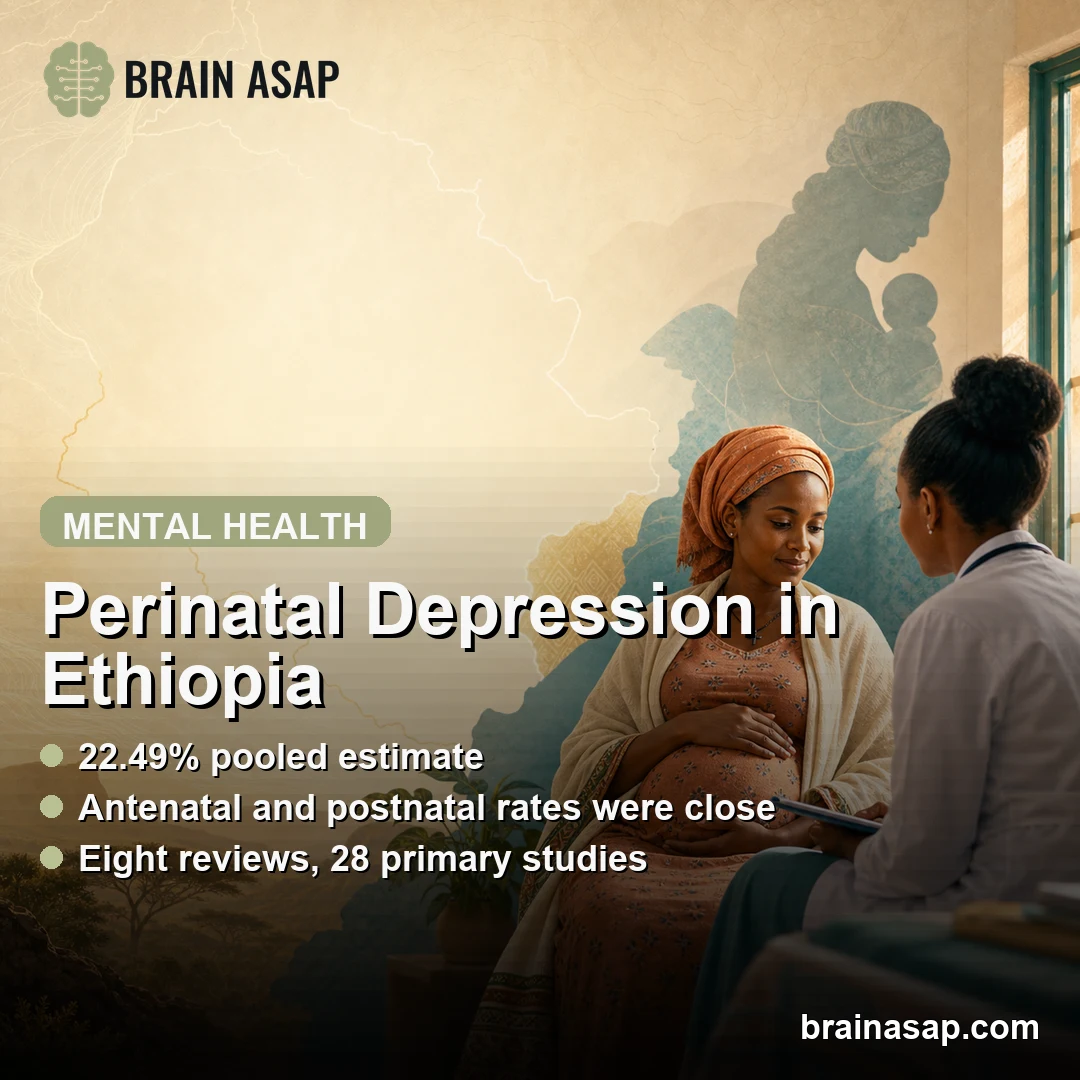
TL;DR: A 2026 umbrella review in PLOS One pooled Ethiopian systematic reviews and estimated that 22.49% of women had perinatal depressive symptoms, with similar estimates during pregnancy and after birth. Key Findings Eight-review evidence base: Researchers in…
Read article ↗