TL;DR: A 2026 study in Computers in Human Behavior grouped 1,316 U.S. adults by when they first saw sexually explicit media and when regular viewing began; the highest distress appeared in people who moved into regular viewing early, while late regular engagem…
Read article ↗
TL;DR: A 2026 paper in Current Therapeutic Research described an acute PGAD-like genital arousal episode after self-initiated duloxetine withdrawal, with symptoms resolving within 5 hours after emergency admission and no recurrence over 36 months. Key Findings…
Read article ↗
TL;DR: A 2026 longitudinal study in Acta Sociologica found that partnered fathers who perceived a higher risk of divorce showed greater declines in political trust over time, especially when the worry persisted. Key Findings Father-specific link: Perceived div…
Read article ↗
TL;DR: A 2026 study in Nature Communications used resting-state functional MRI (fMRI) to link major depressive disorder to more frequent but shorter visits to a salience-dominated brain state. Key Findings Resting-state fMRI compared depression with controls:…
Read article ↗
TL;DR: A 2026 methylome-wide study in Clinical Epigenetics found that genetically inferred CYP2C19 metaboliser status, a pharmacogenomic marker relevant to antidepressant handling, was associated with DNA methylation patterns in a large Scottish cohort. Key Fi…
Read article ↗
TL;DR: A 2026 study in Evolutionary Psychological Science linked more conservative social attitudes with a slightly higher reported number of biological children across 72 countries, with stronger patterns for women on some attitude measures. Key Findings Cros…
Read article ↗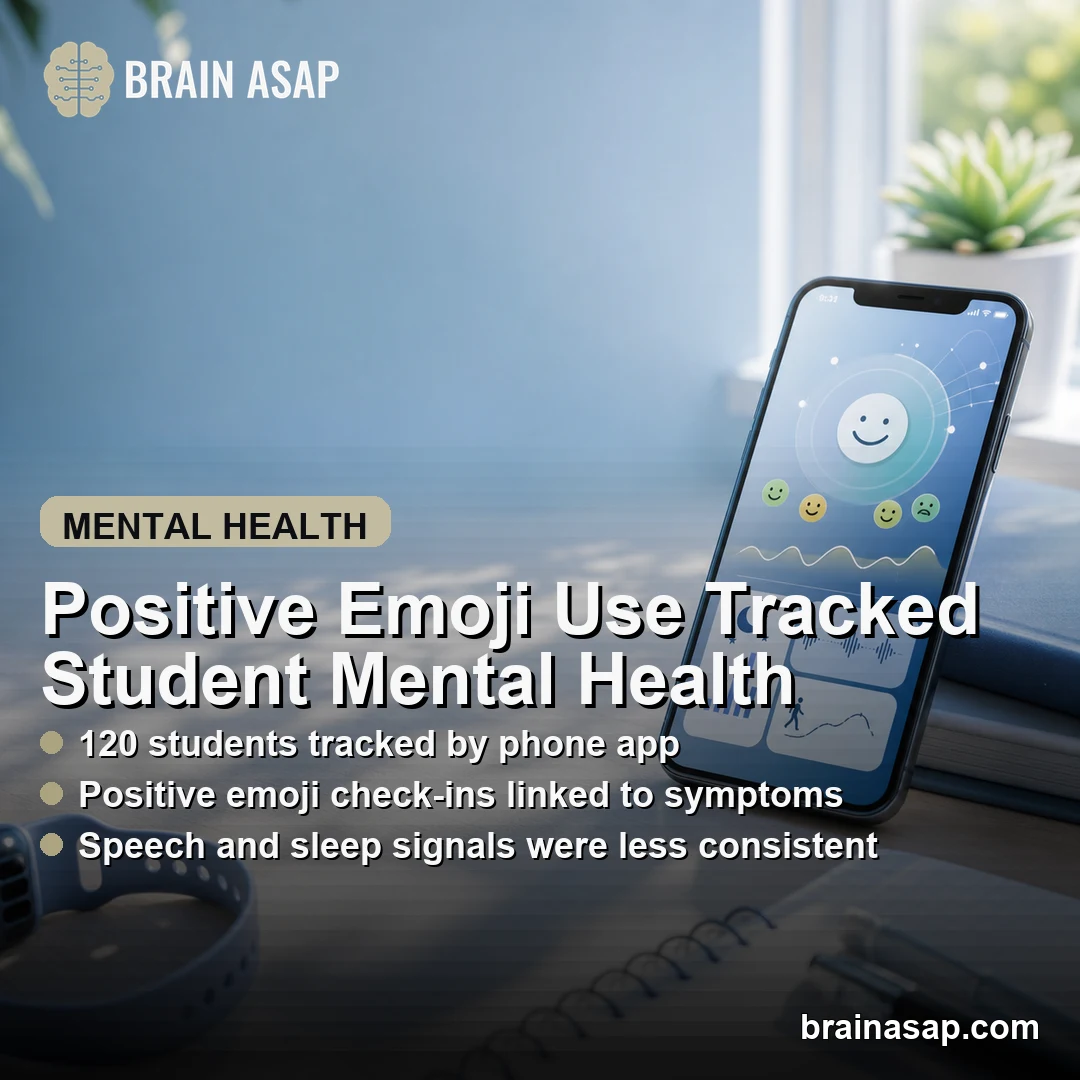
TL;DR: A 2026 Research Square preprint followed 120 college students with a smartphone app and found that a higher share of positive emoji check-ins was the most consistent digital marker tied to lower depression, lower anxiety, and higher flourishing. Key Fin…
Read article ↗
TL;DR: A 2026 randomized study in The Journal of Strength and Conditioning Research found that coherent breathing, a slow 6-breaths-per-minute breathing routine, improved several recovery markers in highly trained 400-meter athletes under repeated race stress…
Read article ↗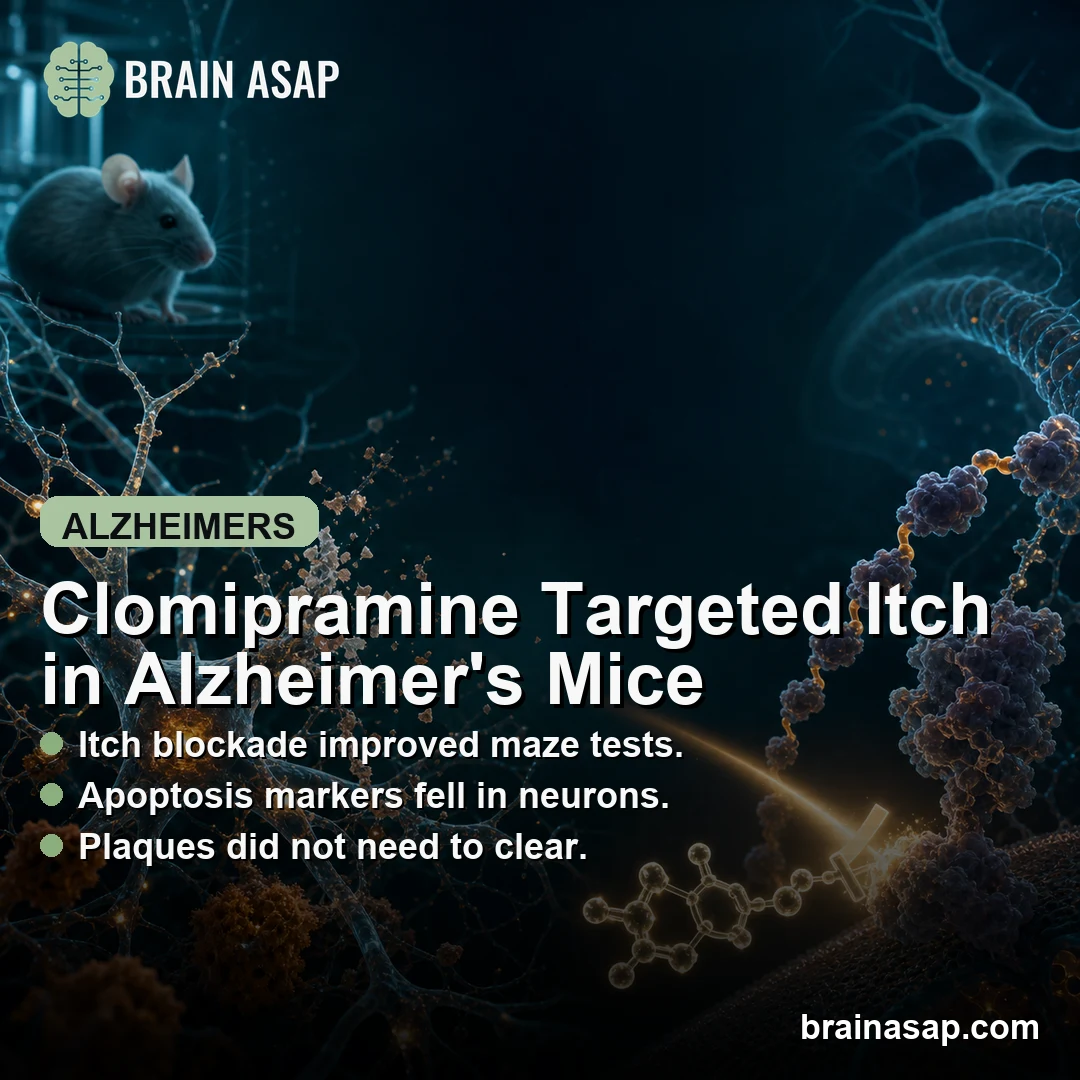
TL;DR: A 2026 mouse study in iScience found that blocking Itch, an E3 ubiquitin ligase involved in protein tagging, improved several memory-test readouts in an Alzheimer’s disease mouse model and reduced neuronal apoptosis, including when researchers used the…
Read article ↗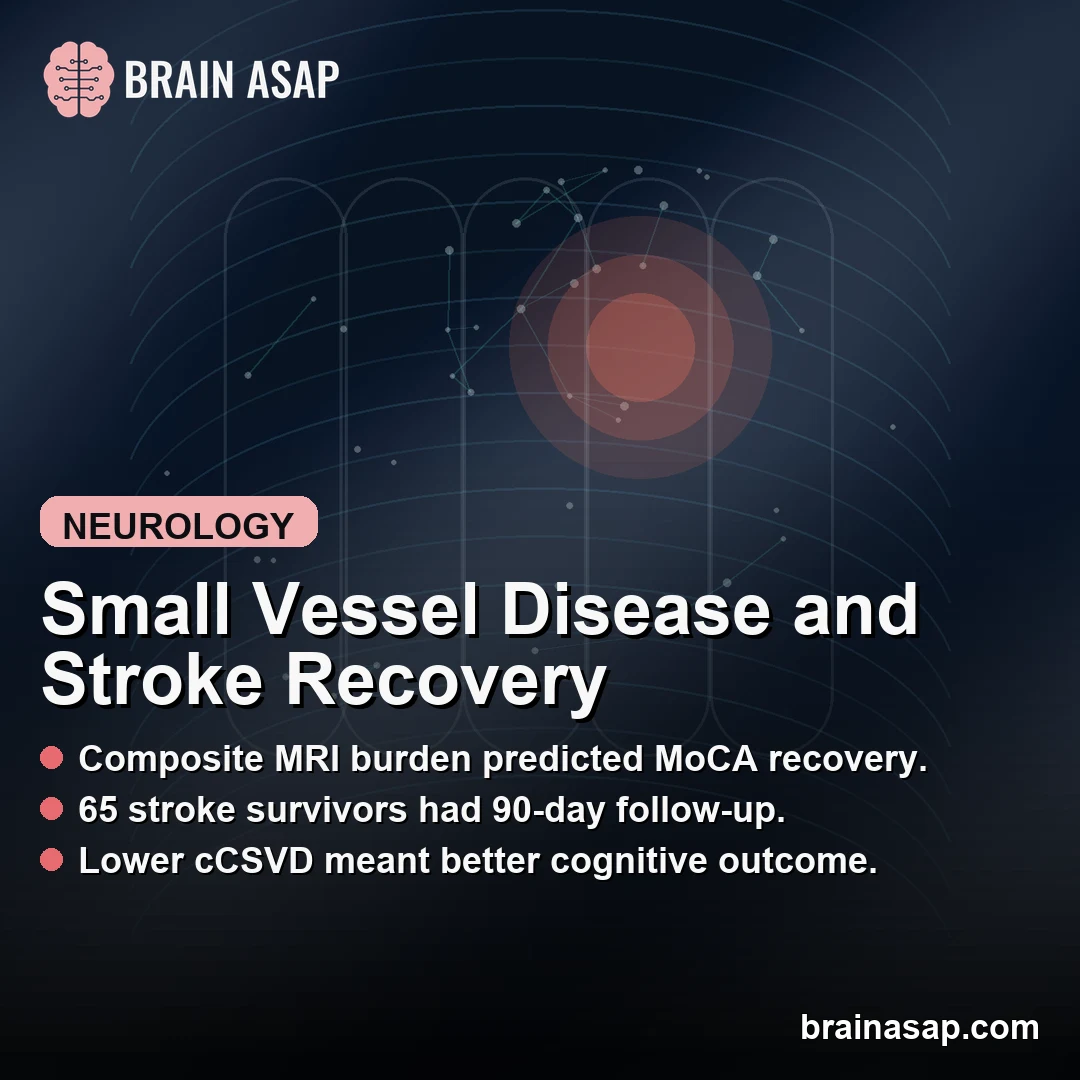
TL;DR: A 2026 medRxiv preprint found that a composite cerebral small vessel disease (cCSVD) score from routine T1 MRI predicted 3-month cognitive recovery after stroke better than any single small-vessel marker in a 65-person cohort. Key Findings Recovery wind…
Read article ↗