How the Human Brain Stores Memory: Content vs. Context Neurons
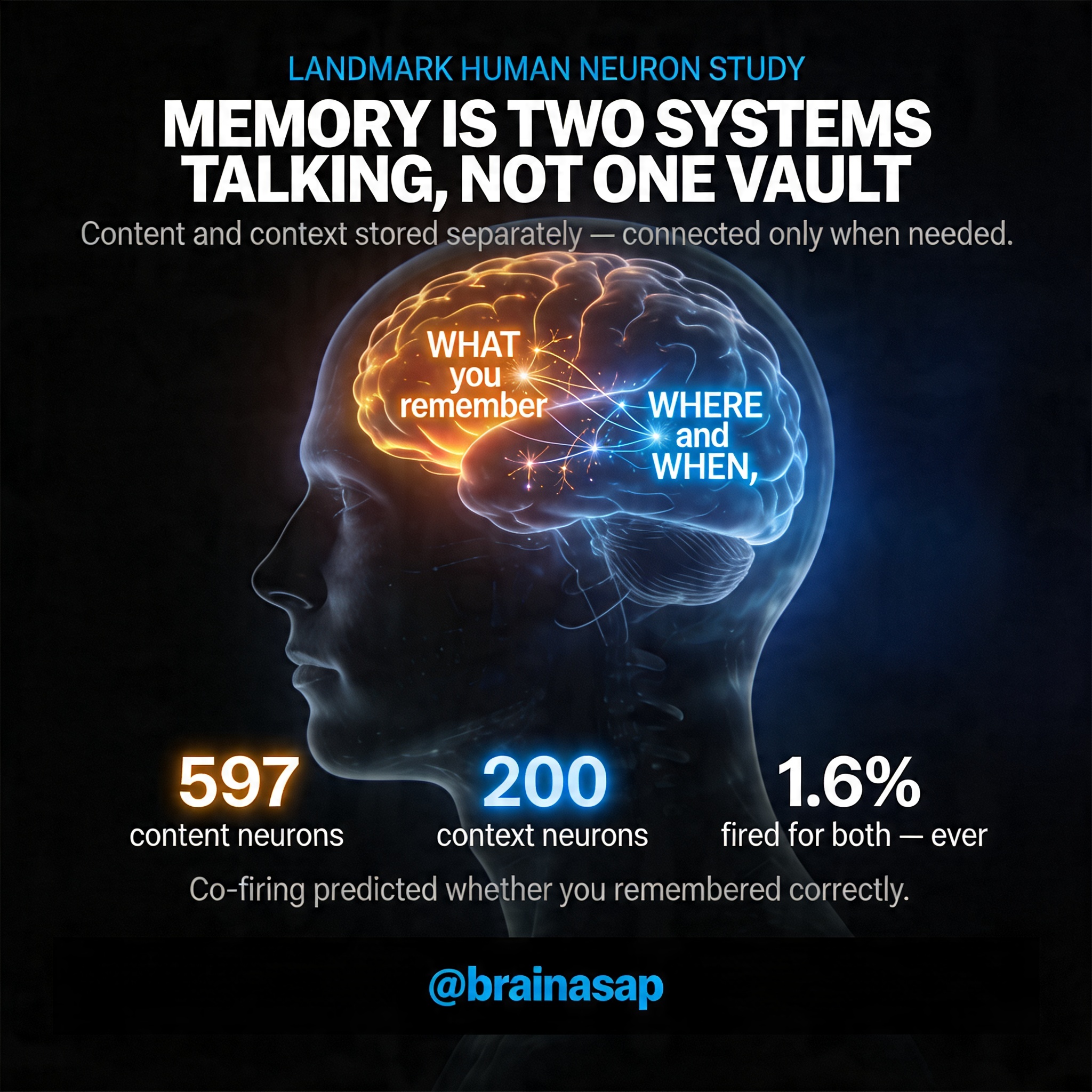
How the Brain Separates What We Remember from Why We Remember It TL;DR: The brain stores content (what you remember) and context (when/where) in separate neural populations linked by real-time coordination, not pre-wired conjunctive cells—a design that trades speed for flexibility, allowing you to recognize a friend’s face across any setting or apply a principle …
Read more

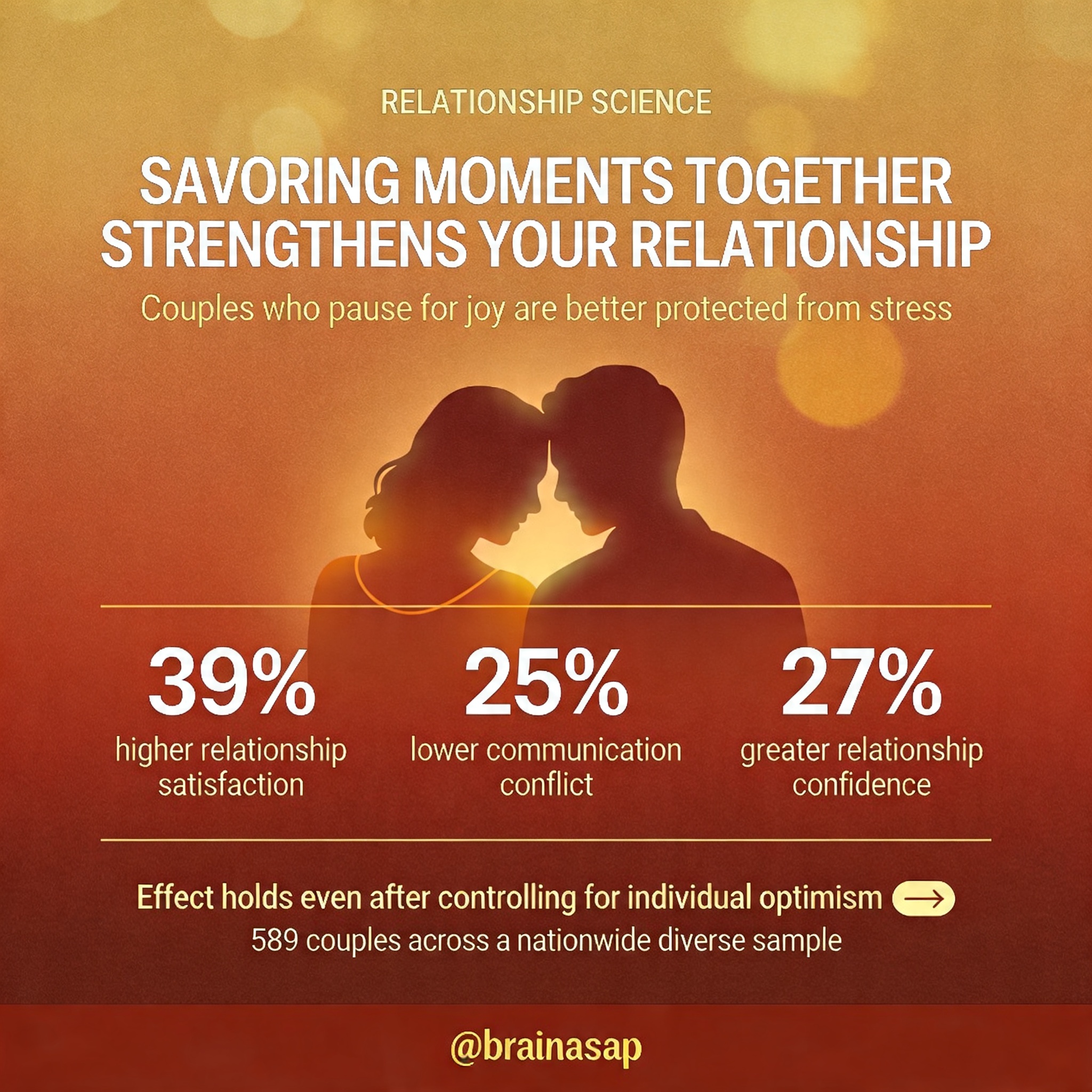
Couples Who Savor Happy Moments Are More Resilient to Stress

Savoring Together: The Secret Couples Overlook TL;DR: Couples who deliberately focus attention on shared positive experiences—a practice called joint savoring—report higher relationship satisfaction, greater confidence in their future together, and better protection from stress, even when controlling for general optimism. Most relationship advice emphasizes managing conflict or deepening communication. But researchers at the University of …

Read more

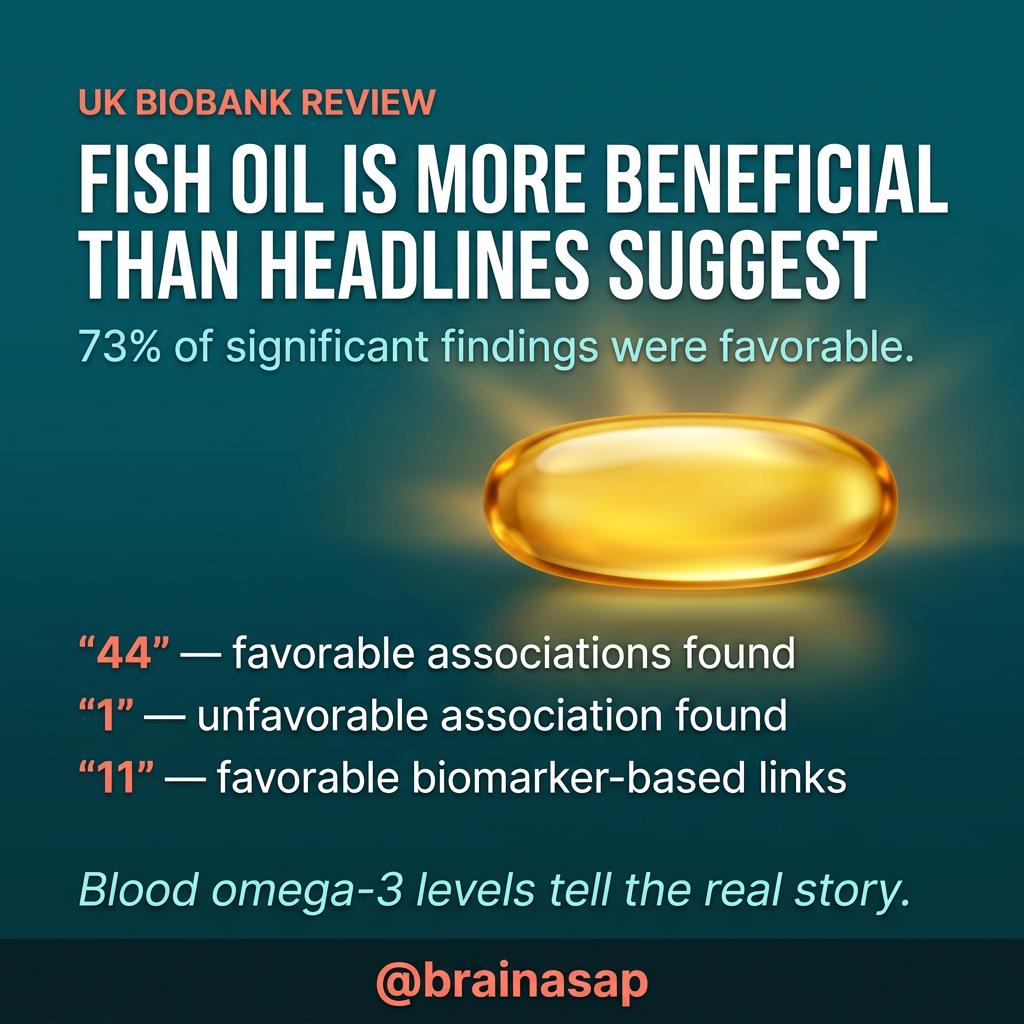
Fish Oil Supplements: UK Biobank Study Reveals 44 Favorable Health Outcomes

Fish Oil Supplements Aren’t the Villain TL;DR: A comprehensive review of the UK Biobank found that fish oil supplements show favorable associations with health outcomes—not harmful ones—contradicting recent alarming headlines about atrial fibrillation risk. When a major study claims fish oil supplements increase heart arrhythmia risk, the headlines scream. But what happens when researchers dig …

Read more

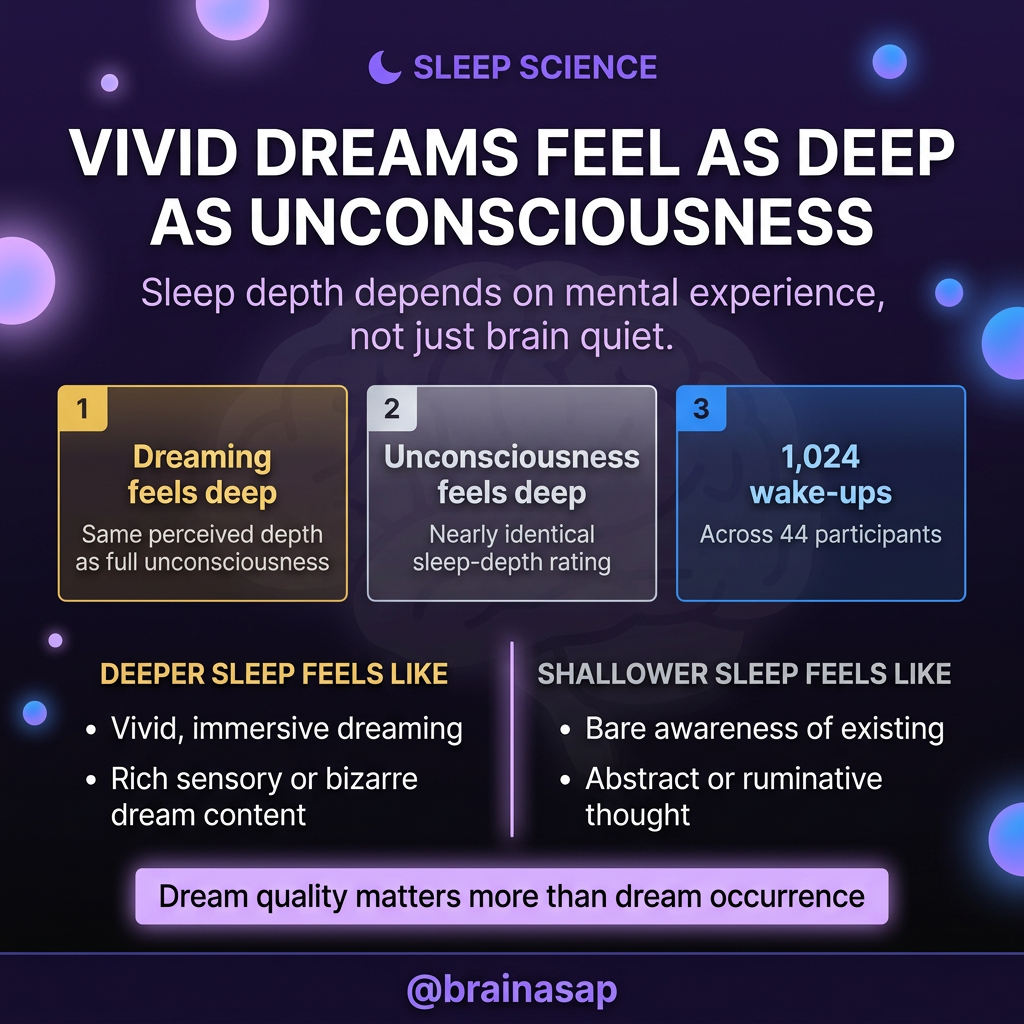
Vivid Dreams Make Sleep Feel Deeper, Not Lighter (Even as Your Brain Gets Busier)

Your Brain Gets Louder as You Sleep — So Why Does Sleep Feel Deeper? The Answer Is Dreams. TL;DR: Vivid, immersive dreaming makes sleep feel just as deep as complete unconsciousness—both rate identically—while the dim awareness of merely existing feels the shallowest, revealing that sleep depth depends on what’s happening in your mind, not just …

Read more

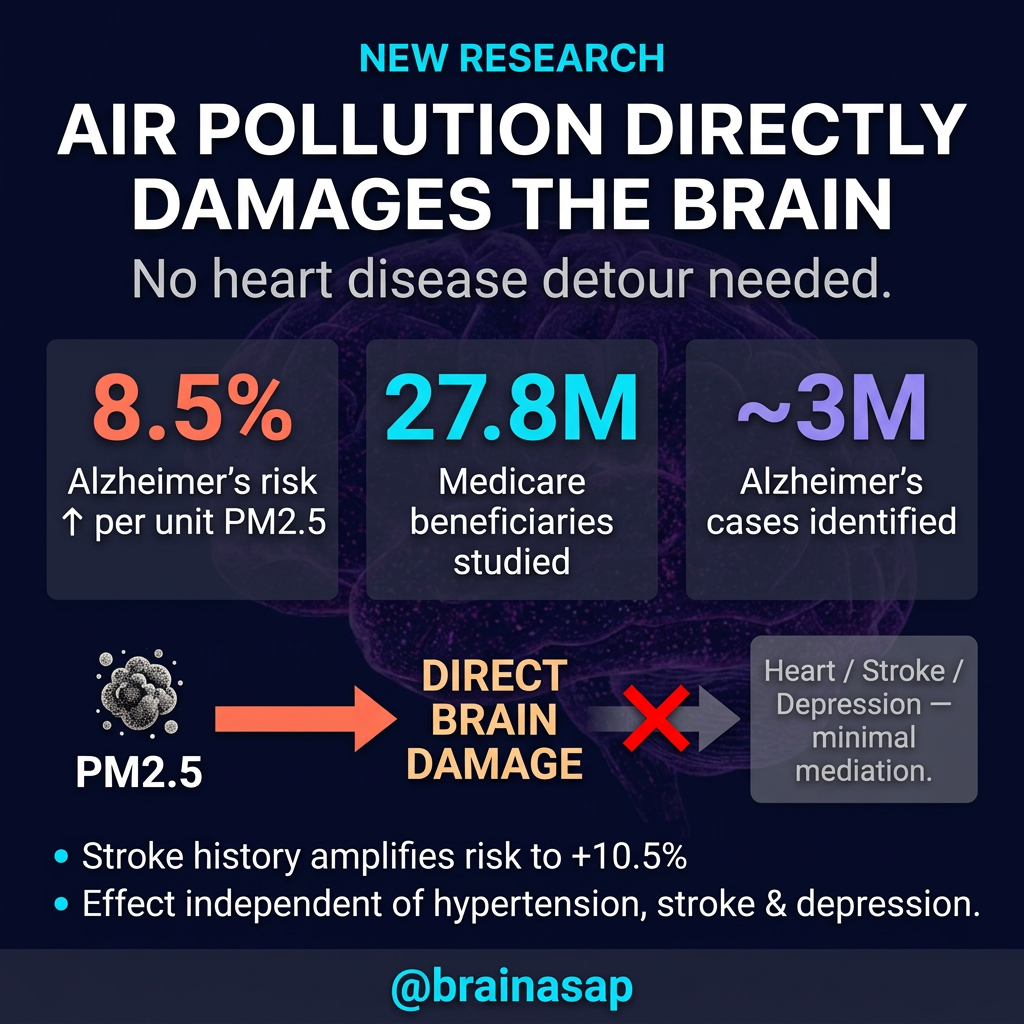
PM2.5 Air Pollution Directly Increases Alzheimer’s Risk

Dirty Air, Fragile Brain: PM2.5’s Direct Link to Alzheimer’s TL;DR: A massive study of 27.8 million Medicare beneficiaries found that exposure to fine air pollution (PM2.5) increases Alzheimer’s risk by 8.5% per unit increase—and this effect operates largely through direct brain damage, not through common health conditions like stroke or depression. The conventional thinking about …

Read more

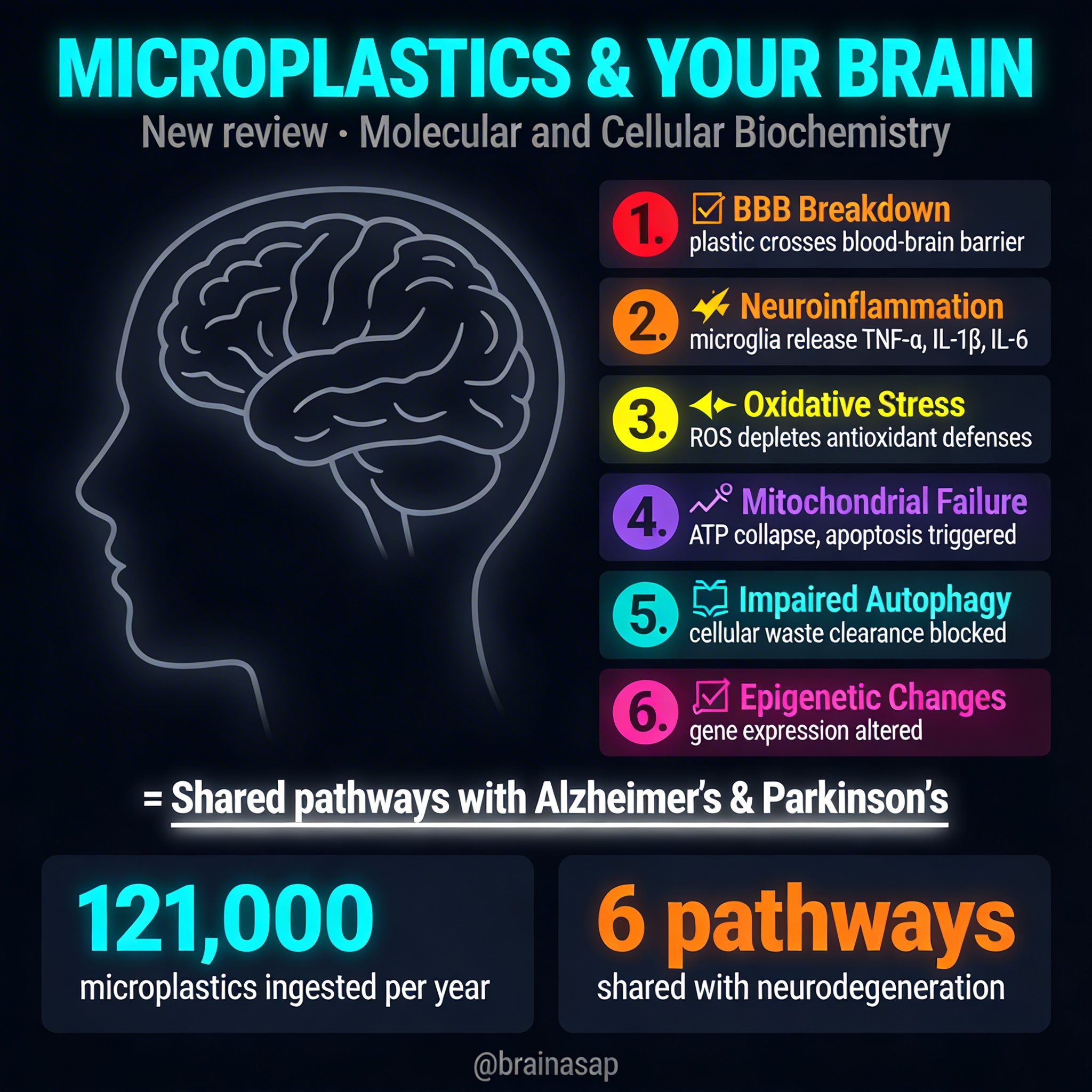
Microplastics and Brain Damage: How Plastic May Trigger Alzheimer’s and Parkinson’s

Microplastics and Brain Damage: The Hidden Link TL;DR: Microplastics circulating in your blood may accelerate Alzheimer’s and Parkinson’s disease through six shared pathways—including blood-brain barrier breakdown, chronic inflammation, and oxidative stress. You probably know plastic pollution is everywhere. Less obvious: tiny plastic fragments are crossing into your brain, accumulating in brain tissue, and potentially triggering …

Read more

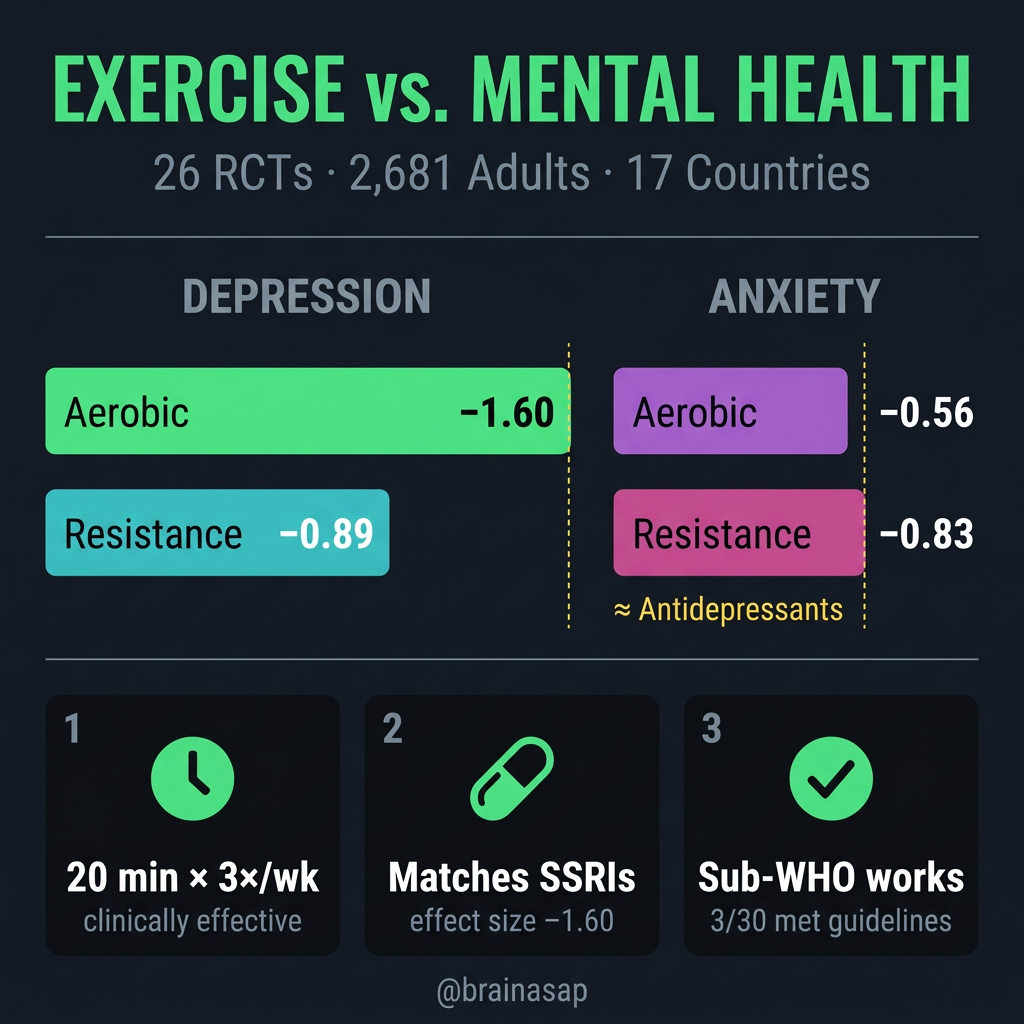
Aerobic Exercise Matches Antidepressant Efficacy for Depression, Resistance Training Wins for Anxiety

Exercise Beats Medication for Depression, But Which Type Matters Most? TL;DR: Aerobic exercise matches antidepressant efficacy for depression with effect size −1.60, resistance training slightly edges aerobic for anxiety, and neither requires meeting WHO guidelines—20 minutes three times weekly still produces clinical improvement. Depression responds to a treatment that’s free, legal, and accessible: exercise. But …

Read more

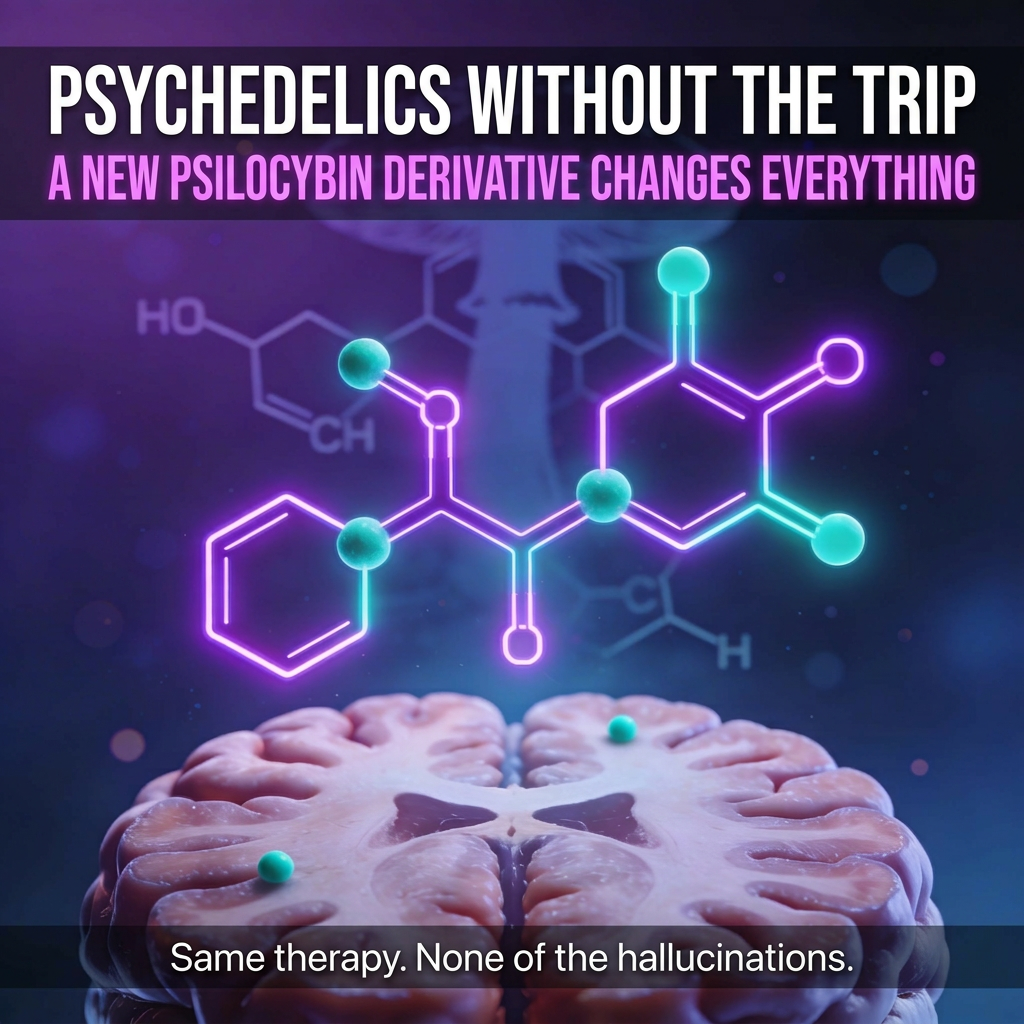
Fluorinated Psilocin Derivative Cuts Psychedelic Effects 75% While Preserving Antidepressant Activity

Fluorinated Psilocin: The Sub-Hallucinogenic Breakthrough TL;DR: Chemists designed a new psilocin derivative with fluorine modifications that induces sub-hallucinogenic effects in mice, sidestepping the acute psychological effects of classic psychedelics while retaining therapeutic serotonin receptor activity. Psilocybin has emerged as a clinical darling—mounting evidence shows rapid relief for depression, anxiety, and cluster headaches. But there’s a …

Read more

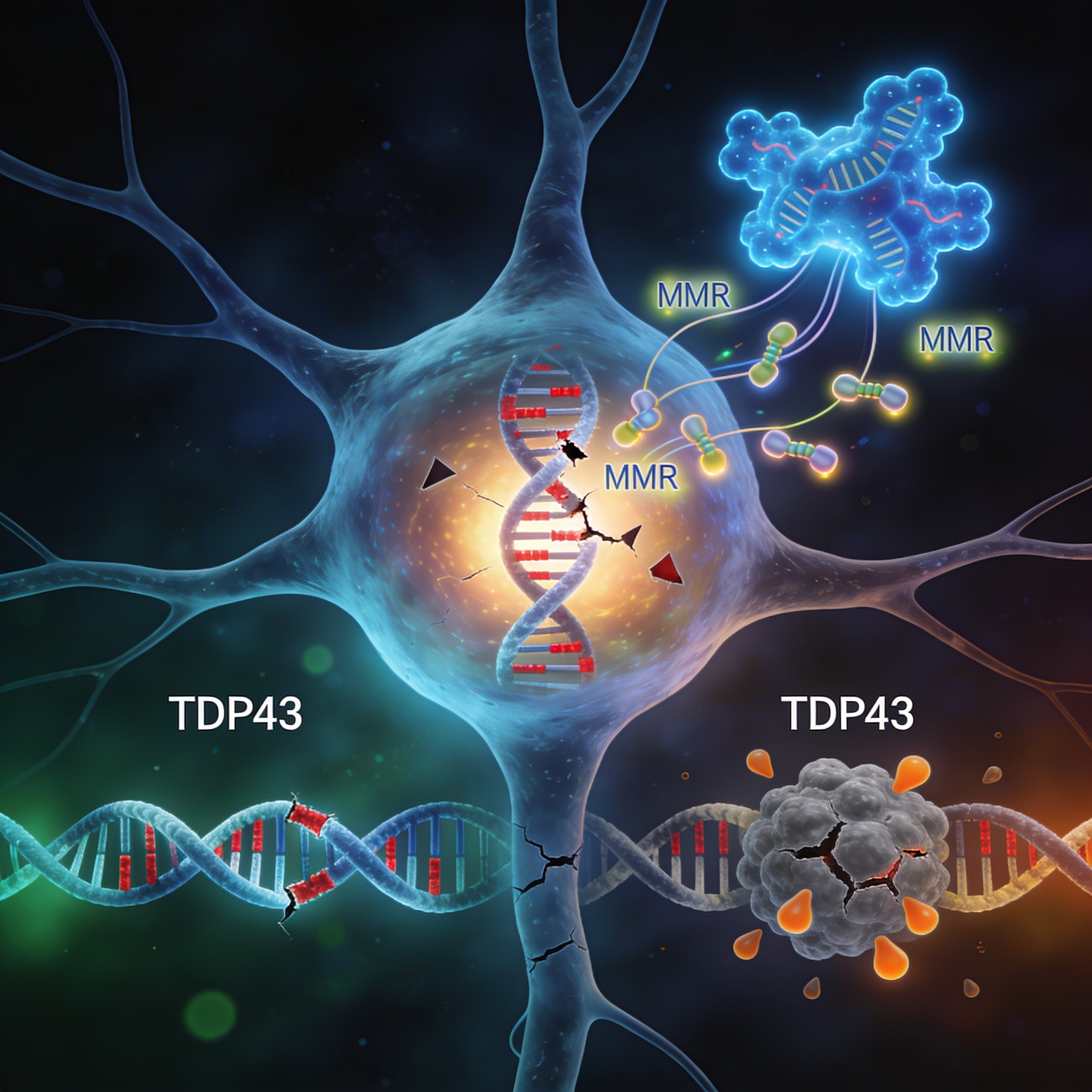
TDP43 Failure Disrupts DNA Repair in ALS and FTD

The Broken Repair Crew: How TDP43 Sabotages Genome Stability TL;DR: TDP43, the protein that misfires in ALS and FTD, secretly controls DNA repair genes—and when it breaks, mutations pile up in neurons, potentially explaining both neurodegeneration and the cancer link in these diseases. A protein known for its role in neurodegenerative disease has a hidden …

Read more

Plasma p-tau217 Blood Test Predicts Alzheimer’s Symptom Onset within 3 Years (2026 Research)

Blood Test Predicts Alzheimer’s 3-4 Years Early TL;DR: A blood test measuring phosphorylated tau-217 can predict when cognitively normal people will develop Alzheimer’s symptoms with a 3.0-3.7 year margin of error, potentially transforming how researchers identify candidates for preventive clinical trials. For decades, Alzheimer’s disease remained invisible until symptoms emerged. Brain scans could show amyloid …

Read more