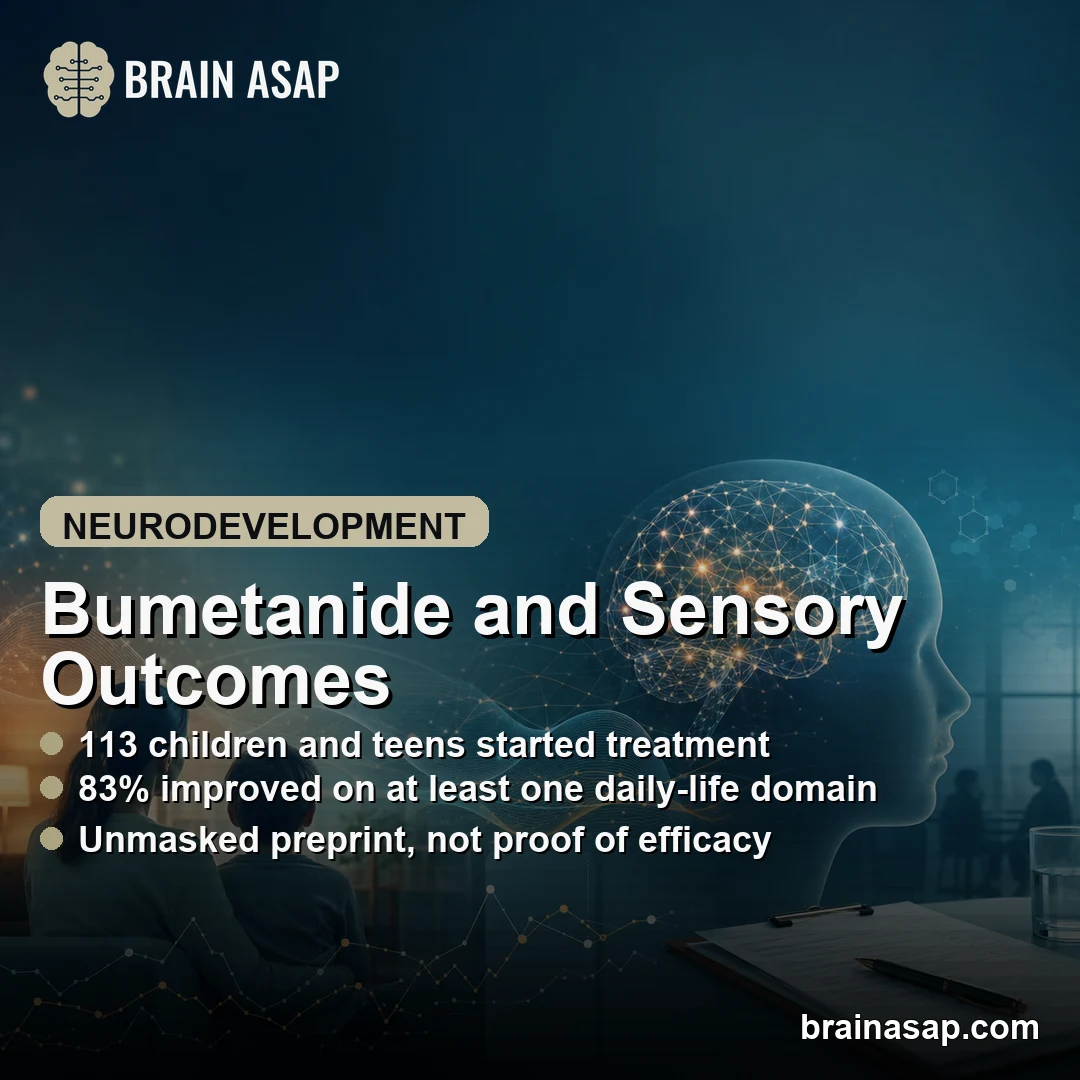
TL;DR: A 2026 preprint in medRxiv found that a parent-cocreated sensory-reactivity outcome set captured anxiety, mood, sleep, fatigue, cognition, and peer-relationship changes during bumetanide treatment in children and adolescents with neurodevelopmental diso…
Read article ↗
TL;DR: A 2026 qualitative study in iScience found that a 10-week Arts on Prescription program helped unemployed young adults with anxiety, depression, or stress report better mood, stronger routines, and less isolation, but some activities also caused stress,…
Read article ↗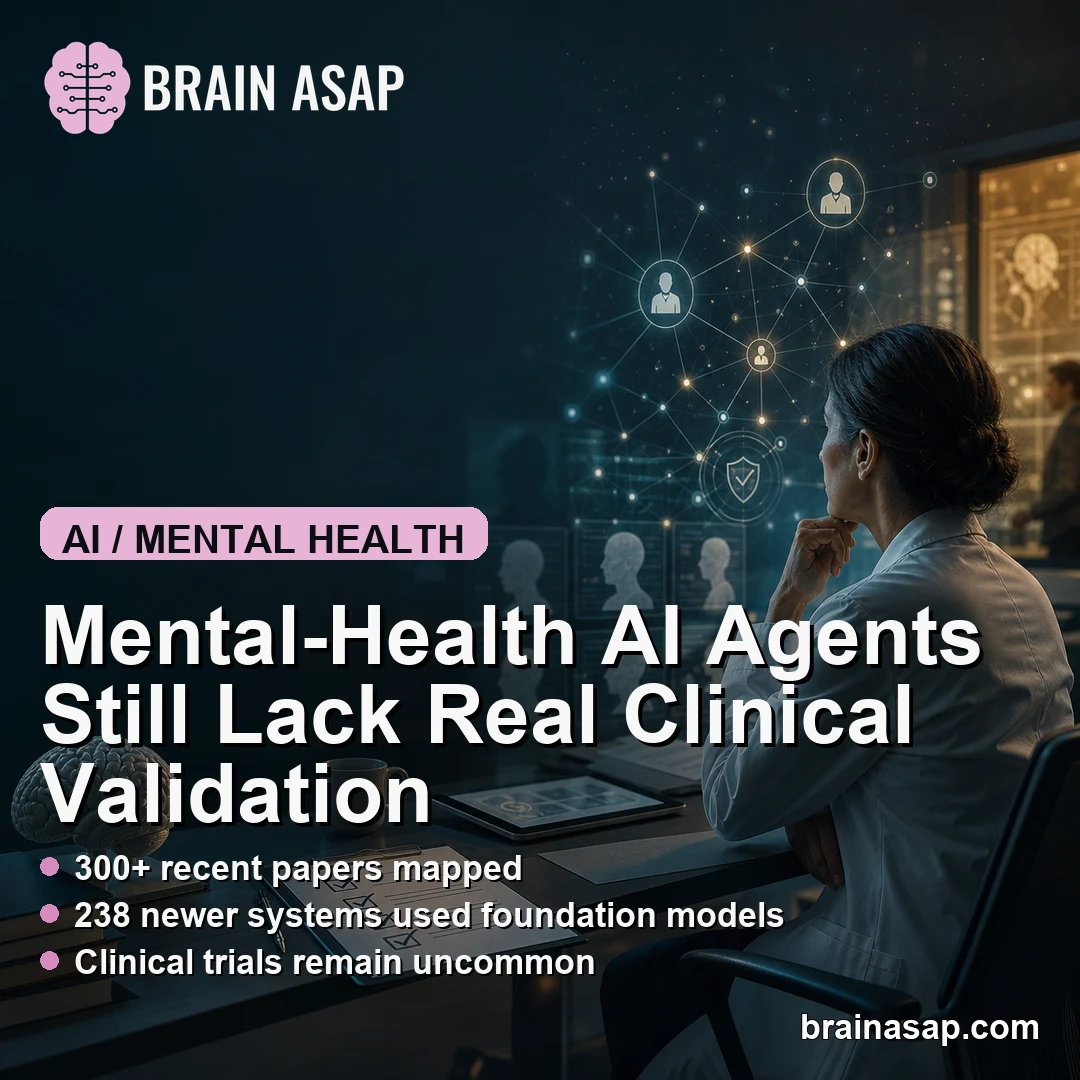
TL;DR: A 2026 medRxiv review found that mental-health AI agents are moving quickly toward large-language-model chatbots, but most systems still rely on text self-report, narrow depression/anxiety/suicide use cases, and offline tests rather than prospective cli…
Read article ↗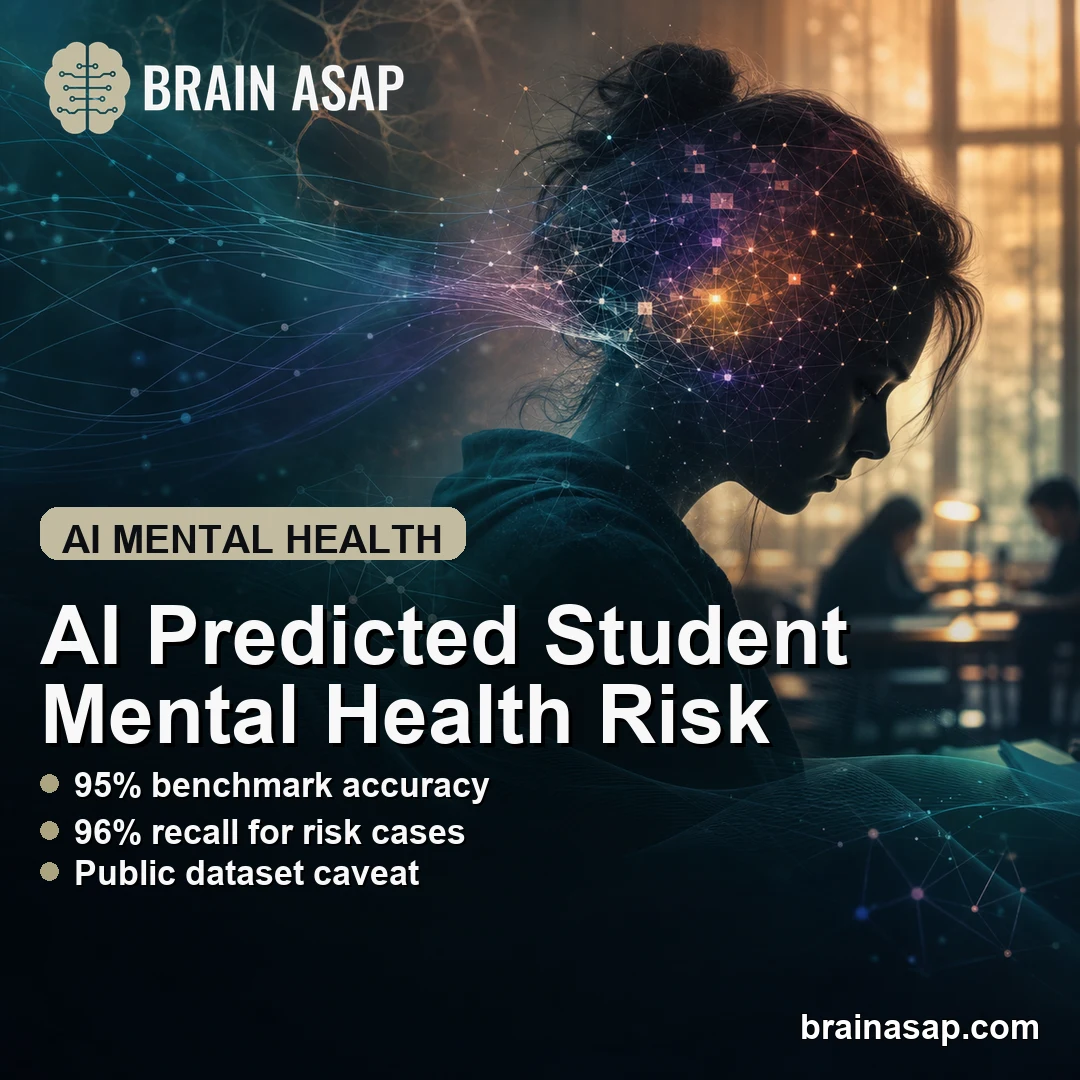
TL;DR: A 2026 machine-learning study in PLOS One used student mental-health survey features to test an interpretable FT-Transformer plus LSTM model, which reached 95% accuracy for low, medium, and high risk prediction in a public dataset. Key Findings 95% accu…
Read article ↗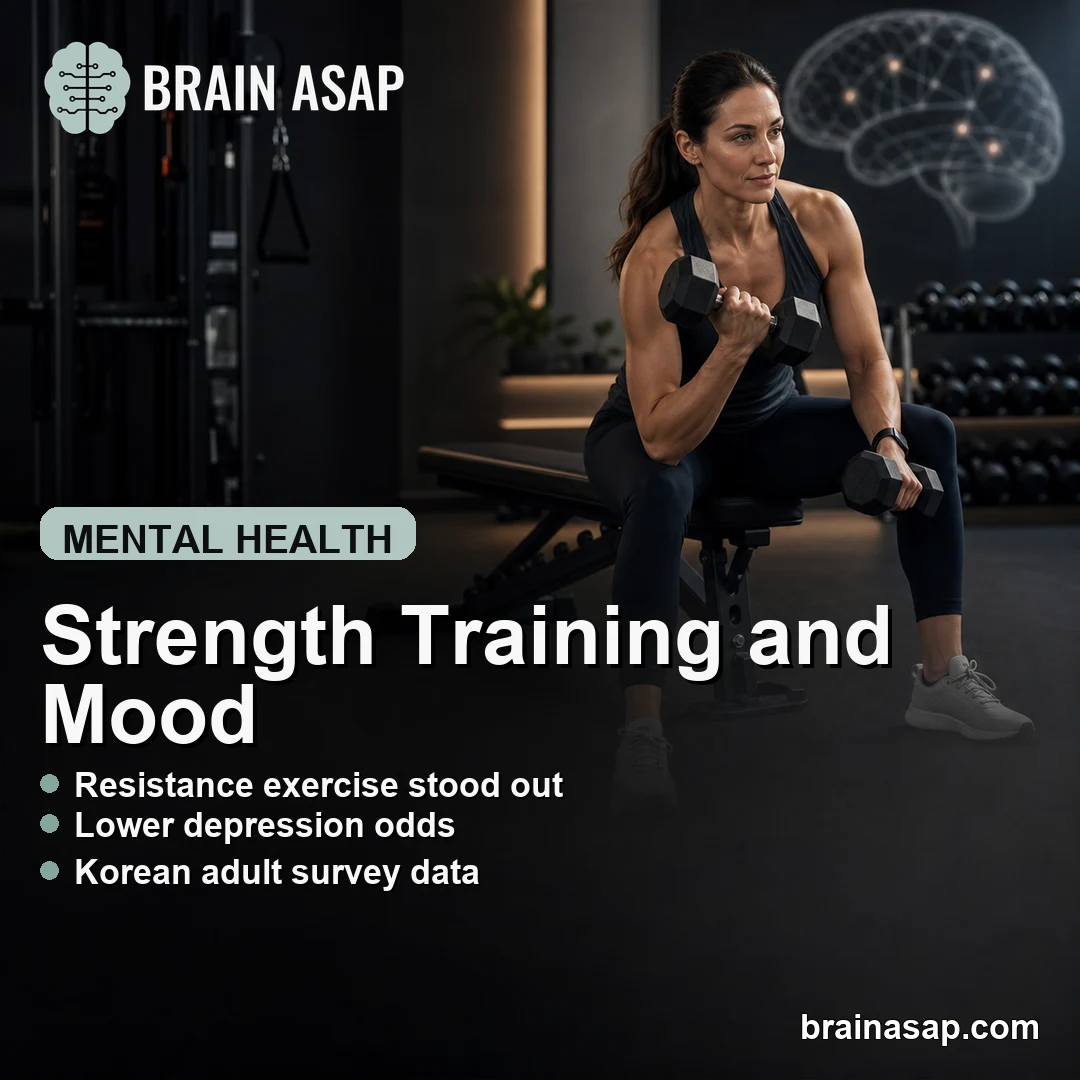
TL;DR: A 2026 study in Journal of Korean Medical Science found that resistance exercise was more consistently associated with lower depression and anxiety scores than aerobic exercise in Korean adults, but the cross-sectional design means the study cannot prov…
Read article ↗
TL;DR: A 2026 study in Clinical Case Reports described persistent genital arousal disorder in a woman in her 30s, with symptom improvement after combined risperidone, sodium valproate, fluoxetine, short-term clonazepam, relaxation work, and cognitive behaviora…
Read article ↗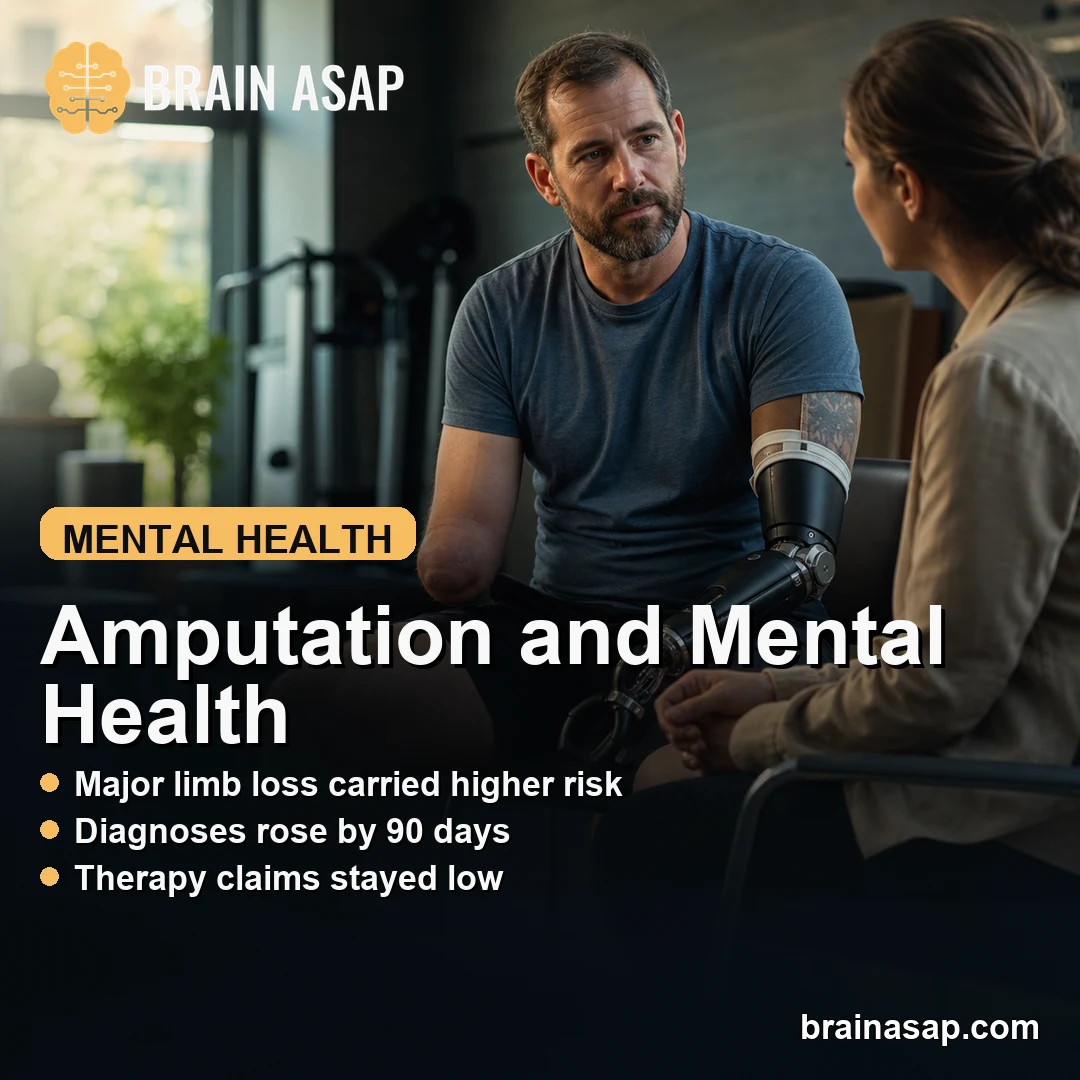
TL;DR: A 2026 retrospective database study in Archives of Orthopaedic and Trauma Surgery found that people with major upper-extremity amputations had higher one-year rates of new mental-health diagnoses, antidepressant starts, and psychotherapy use than matche…
Read article ↗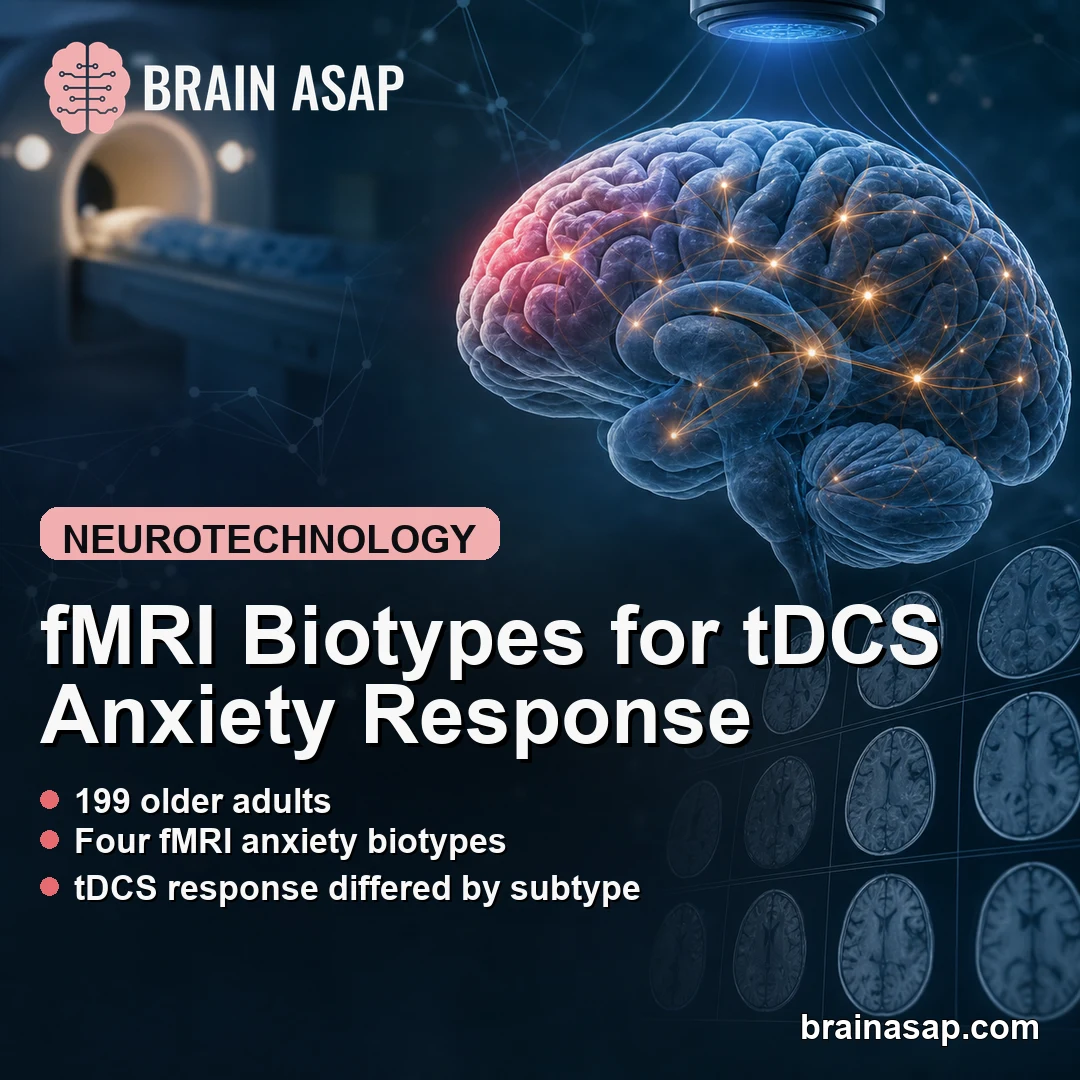
TL;DR: A 2026 preprint on medRxiv used resting-state functional MRI (fMRI), a brain-connectivity scan taken while people are not doing a task, to divide older adults at Alzheimer’s risk into anxiety biotypes that responded differently to frontal-lobe tDCS stim…
Read article ↗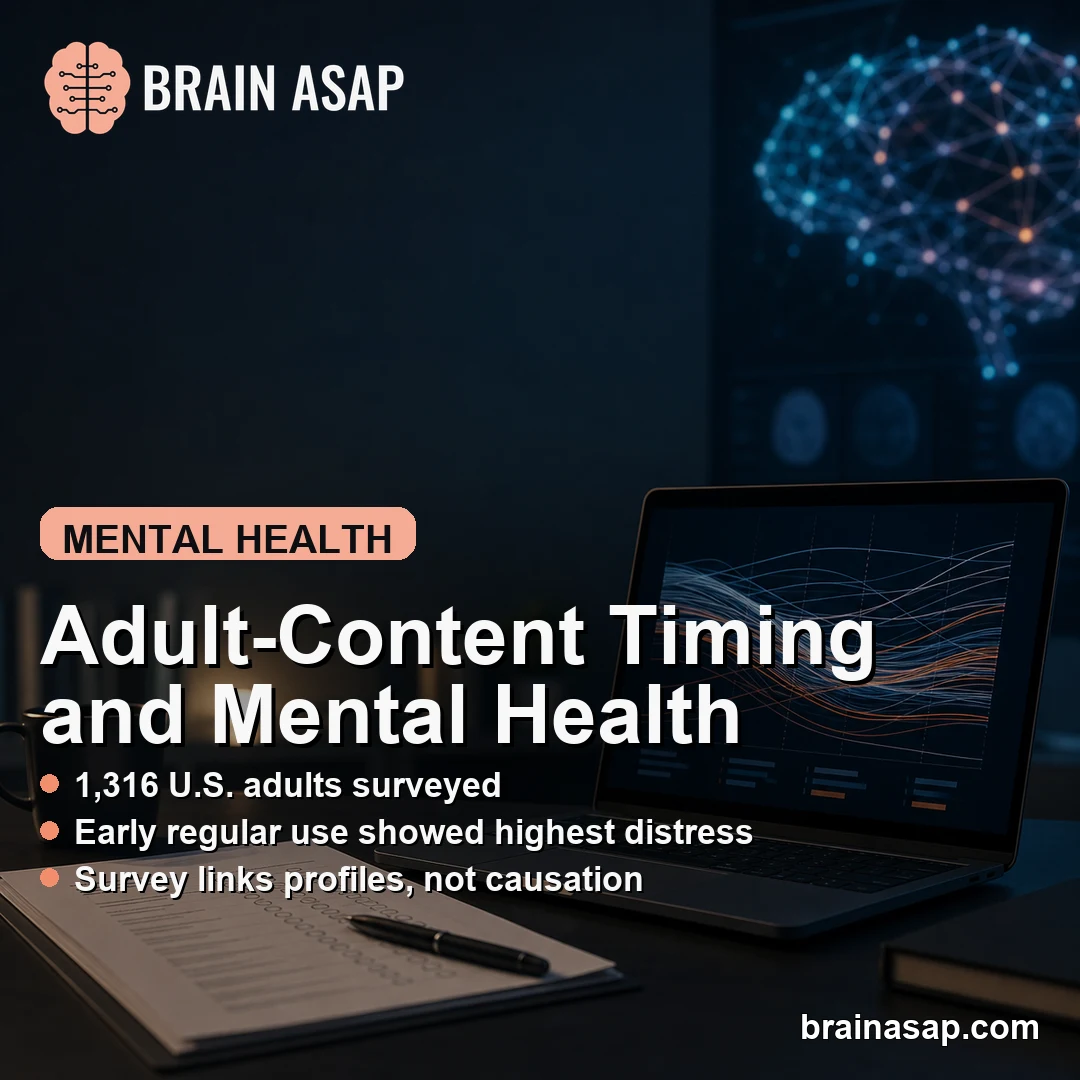
TL;DR: A 2026 study in Computers in Human Behavior grouped 1,316 U.S. adults by when they first saw sexually explicit media and when regular viewing began; the highest distress appeared in people who moved into regular viewing early, while late regular engagem…
Read article ↗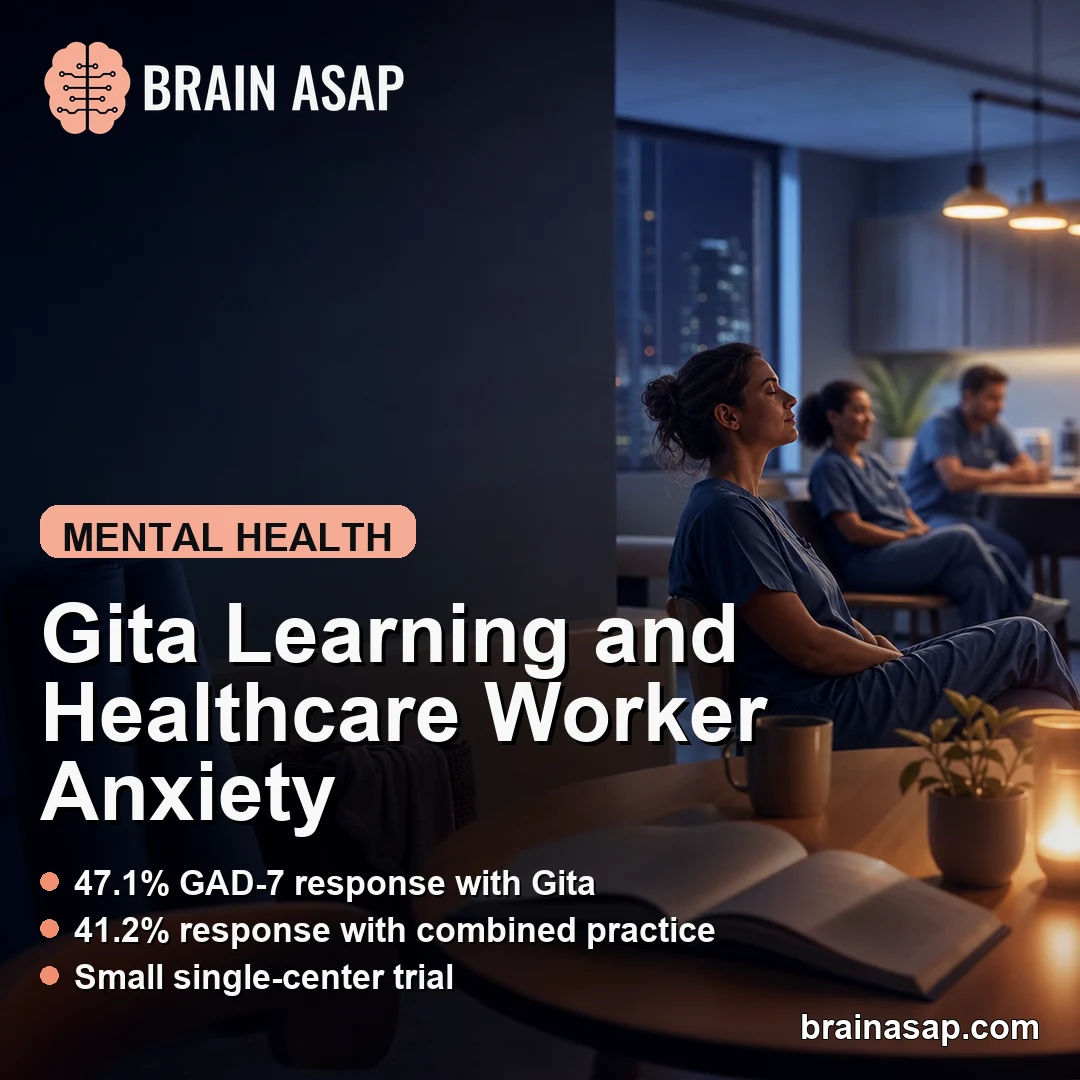
TL;DR: A 2026 randomized trial in PLOS One found that one week of Bhagavad Gita learning, alone or paired with yoga, was associated with lower Generalized Anxiety Disorder-7 (GAD-7) scores in Indian healthcare workers, with the strongest 45-day responder rate…
Read article ↗