HIV gp120 Strengthened Spinal NMDA Pain Signaling
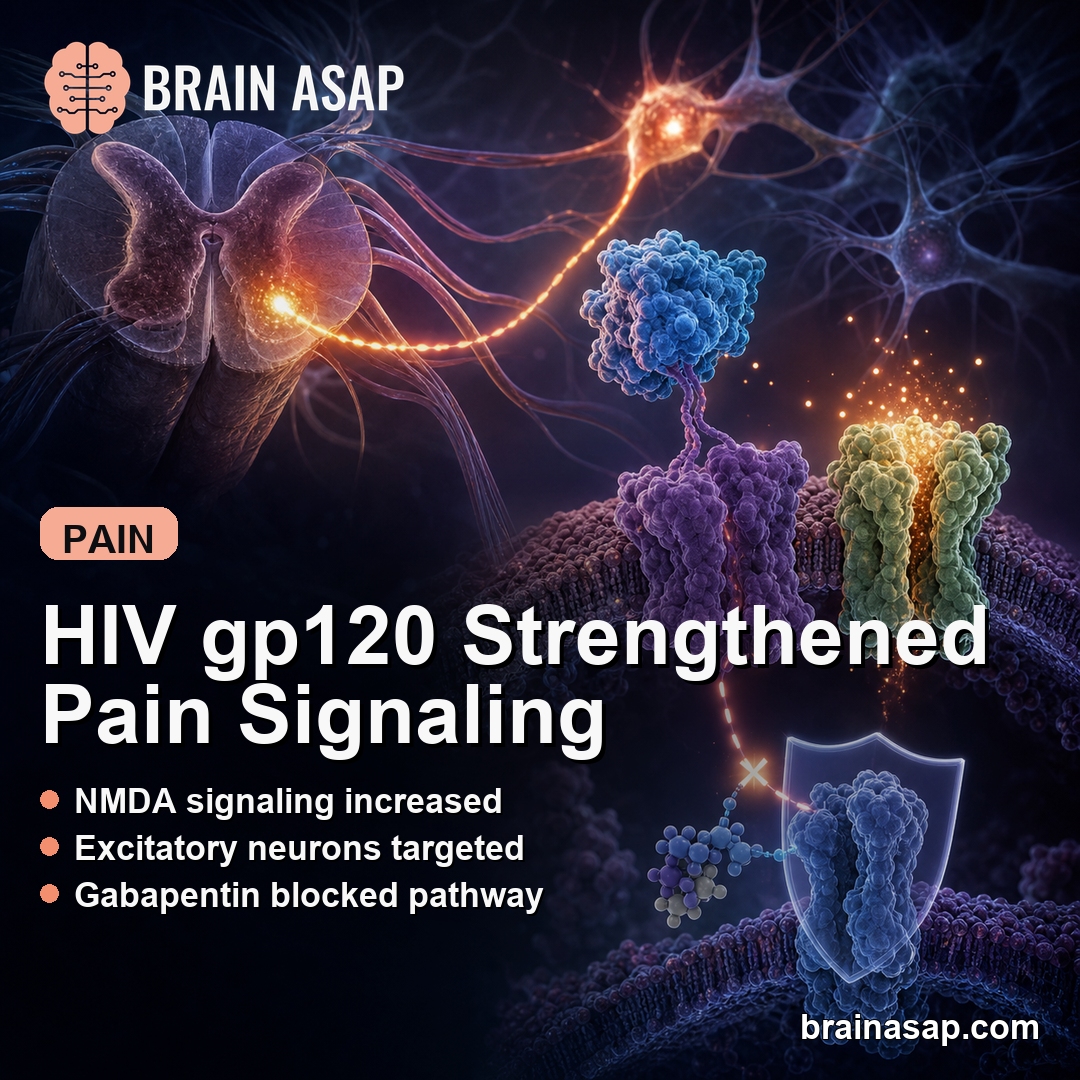
HIV gp120 Strengthened Spinal NMDA Pain Signaling

TL;DR: A 2026 mouse study in The Journal of Neuroscience found that the HIV-1 protein gp120 amplified pain signaling through α2δ-1-bound NMDA receptors in spinal excitatory neurons, and blocking that receptor coupling reversed pain-like hypersensitivity. Key Findings More than 60% chronic pain: The source context notes that sensory neuropathy and chronic pain affect more than …
Read more

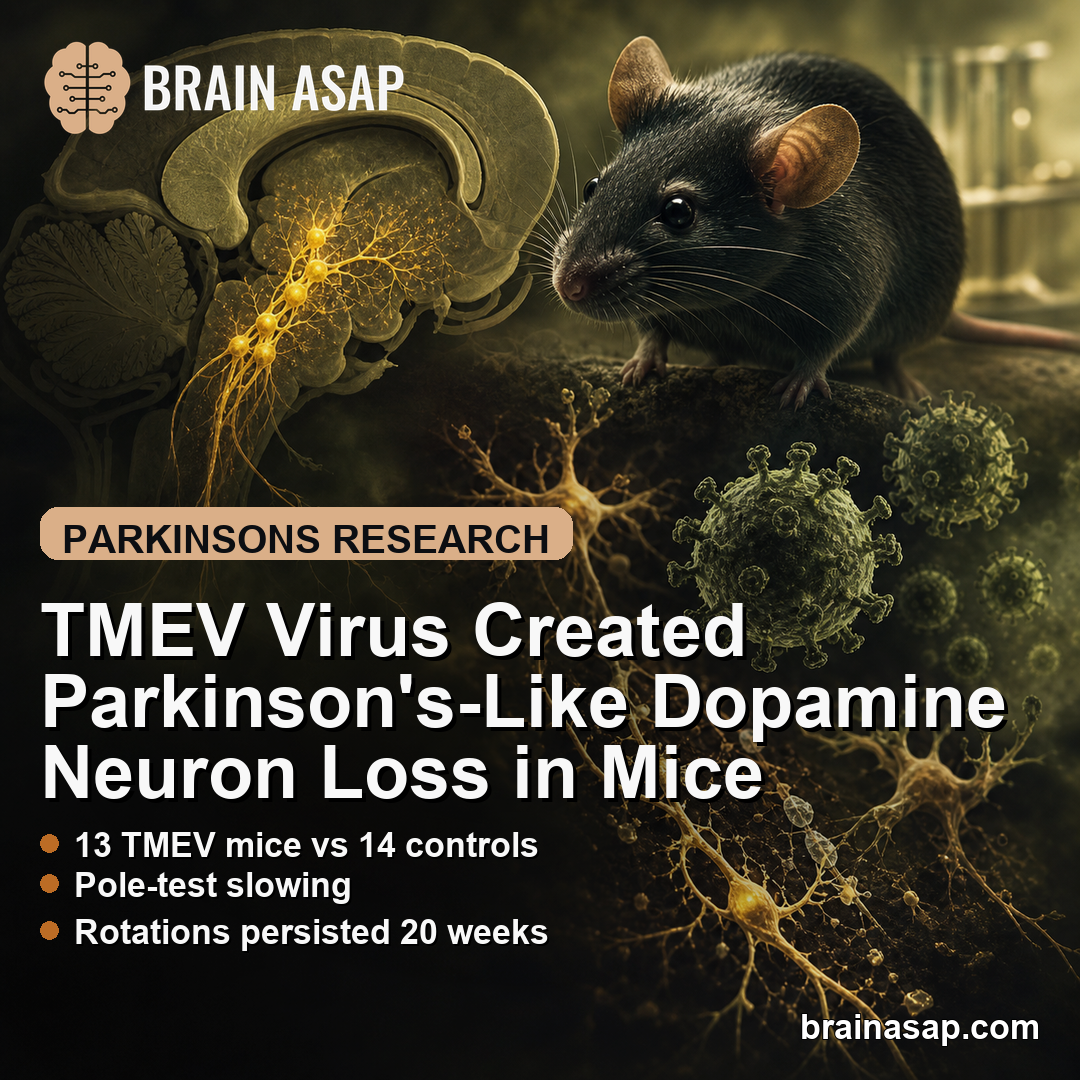
TMEV Virus Created Parkinson’s-Like Dopamine Neuron Loss in Mice

TMEV Virus Created Parkinson's-Like Dopamine Neuron Loss in Mice

TL;DR: A 2026 study in Brain, Behavior, & Immunity – Health reported that Theiler’s murine encephalomyelitis virus (TMEV), a mouse neurotropic virus, infected substantia nigra dopamine neurons and produced Parkinson’s-like motor deficits in mice. Key Findings 13 TMEV mice vs 14 controls: The main behavioral experiment compared unilateral TMEV injection into the substantia nigra with …

Read more

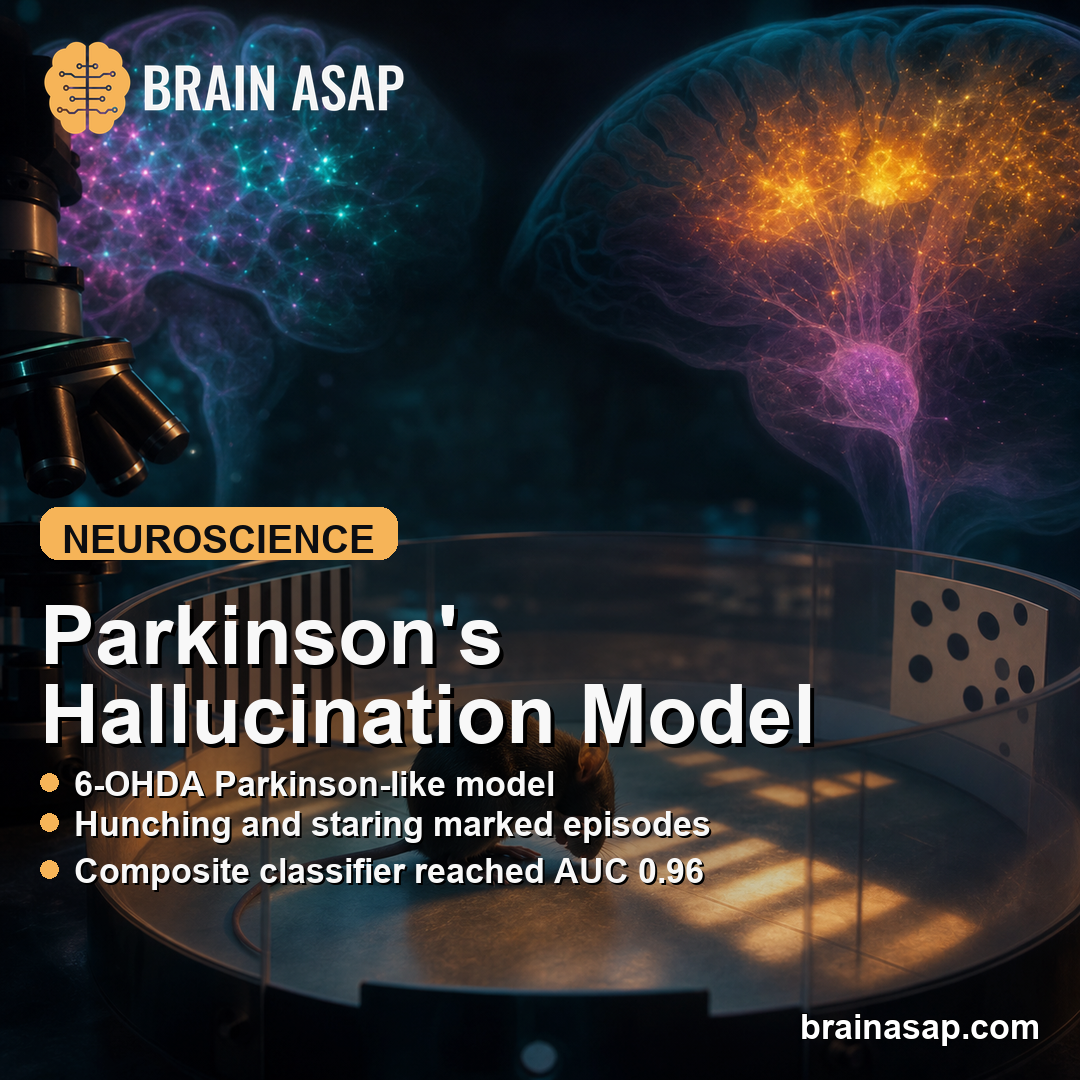
Parkinson’s Visual Hallucination Mouse Model Mapped Behavior Sequences

Parkinson's Visual Hallucination Mouse Model Mapped Behavior Sequences

TL;DR: A 2026 study in Signal Transduction and Targeted Therapy built a Parkinson’s visual hallucination mouse model and found that a combined behavior map identified hallucination-like episodes better than any single movement measure. Key Findings Model: Researchers used 6-OHDA to create Parkinson-like dopamine injury in male C57BL/6 mice, then used benzhexol hydrochloride to trigger Parkinson’s …

Read more

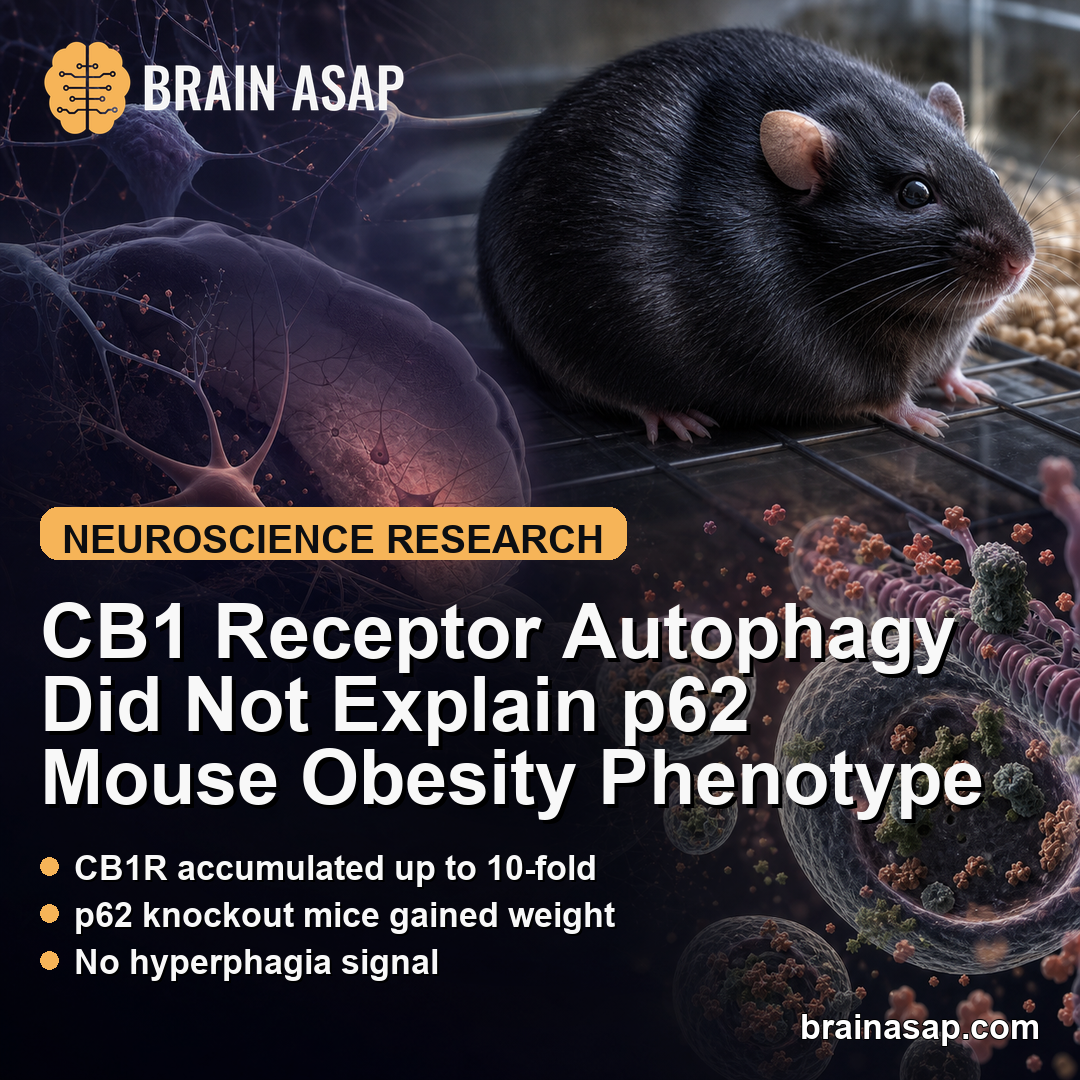
CB1 Receptor Autophagy Did Not Explain p62 Mouse Obesity Phenotype

CB1 Receptor Autophagy Did Not Explain p62 Mouse Obesity Phenotype

TL;DR: A 2026 study in Biochemistry and Biophysics Reports found that cannabinoid receptor 1 (CB1R) undergoes autophagy-linked degradation in mouse cortical neurons, but p62 deficiency did not make CB1R the main driver of obesity and low activity in p62 knockout mice. Key Findings CB1R accumulated up to 10-fold: Blocking autophagic flux with Bafilomycin A1 in …

Read more

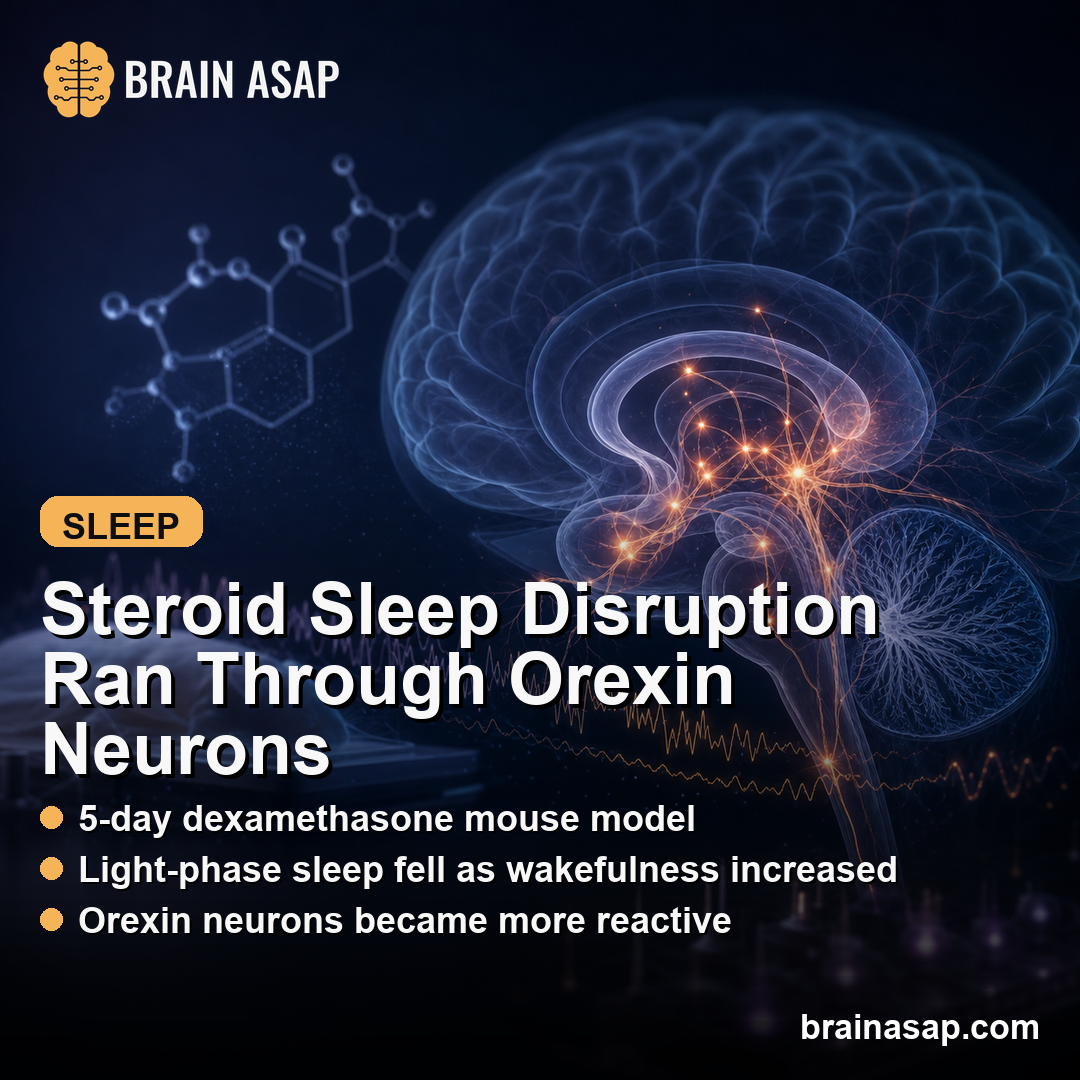
Dexamethasone Disrupted Mouse Sleep Through Orexin Activation

Dexamethasone Disrupted Mouse Sleep Through Orexin Activation

TL;DR: A 2026 mouse study in Psychopharmacology found that repeated dexamethasone, a synthetic glucocorticoid steroid, disrupted light-phase sleep and increased orexin-neuron activity, a wake-promoting hypothalamic signal, during sleep-to-wake transitions. Key Findings 5-day steroid model: Male C57BL/6J mice received dexamethasone at 30 mg/kg for 5 days before 24-hour sleep recording. Light-phase sleep was disrupted: Dexamethasone increased …

Read more

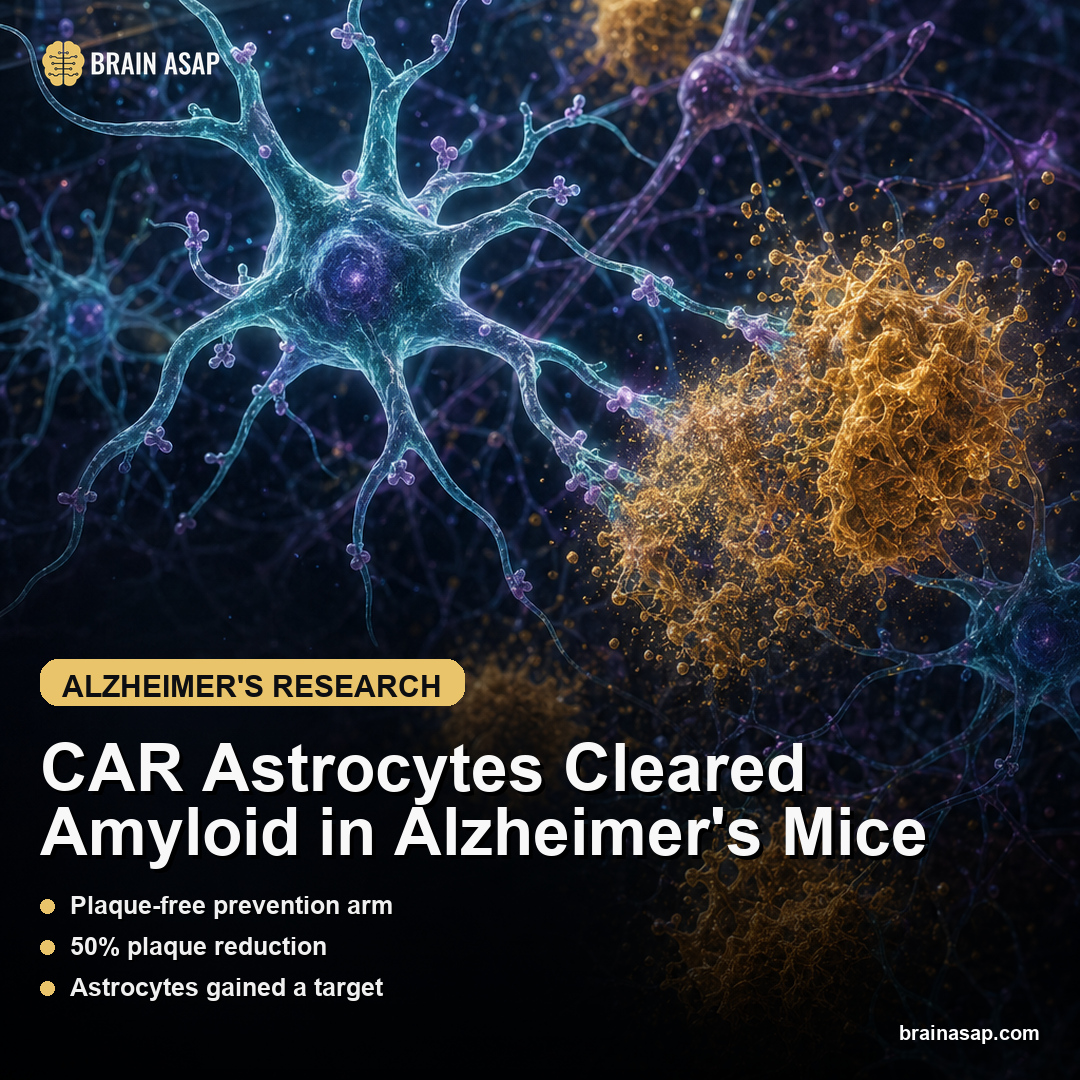
CAR Astrocytes Cleared Amyloid in Alzheimer’s Mice

CAR Astrocytes Cleared Amyloid in Alzheimer's Mice

TL;DR: A CAR-style therapy aimed at astrocytes turned brain support cells into amyloid cleaners, preventing plaque development and cutting existing plaque burden by about half in mice. Key Findings Plaque-free prevention arm: Young mice treated before plaques formed were reported plaque-free at nearly 6 months, when untreated Alzheimer-model mice are normally saturated. 50% plaque reduction: …

Read more

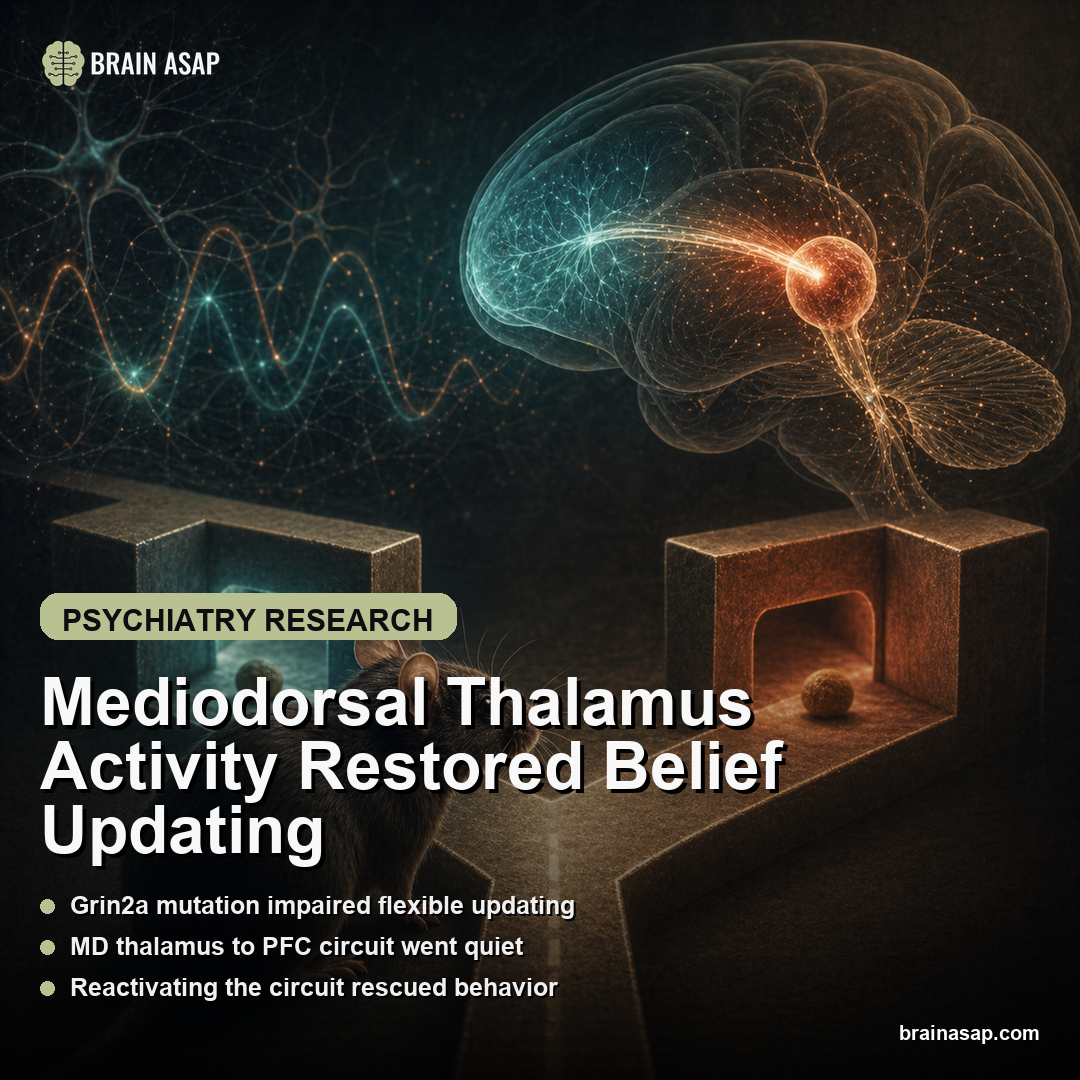
Grin2a Gene Linked to Mediodorsal Thalamus Activity and Belief Updating in Schizophrenia

Mediodorsal Thalamus Activity Restored Belief Updating

Mediodorsal Thalamus Activity Restored Belief Updating TL;DR: A Nature Neuroscience mouse study linked a schizophrenia-risk Grin2a mutation to weaker mediodorsal thalamus activity, impaired belief updating, and behavioral rescue when researchers reactivated the thalamus-prefrontal circuit during flexible decision-making in mice. Key Findings Grin2a was the genetic entry point: The mutation affects an NMDA receptor subunit gene …

Read more

ACC Gene Therapy Targeting MOR Mimicked Morphine for Chronic Pain in Mice

How Gene Therapy Mimicked Morphine for Chronic Pain

How Gene Therapy Mimicked Morphine for Chronic Pain TL;DR: A Nature study identified opioid-sensitive neurons in the anterior cingulate cortex and used a synthetic mu-opioid receptor promoter to silence them, producing morphine-like relief of chronic pain unpleasantness in mice without using a systemic opioid drug. Key Findings 700-μm nociceptive hotspot: The authors mapped a narrow …

Read more