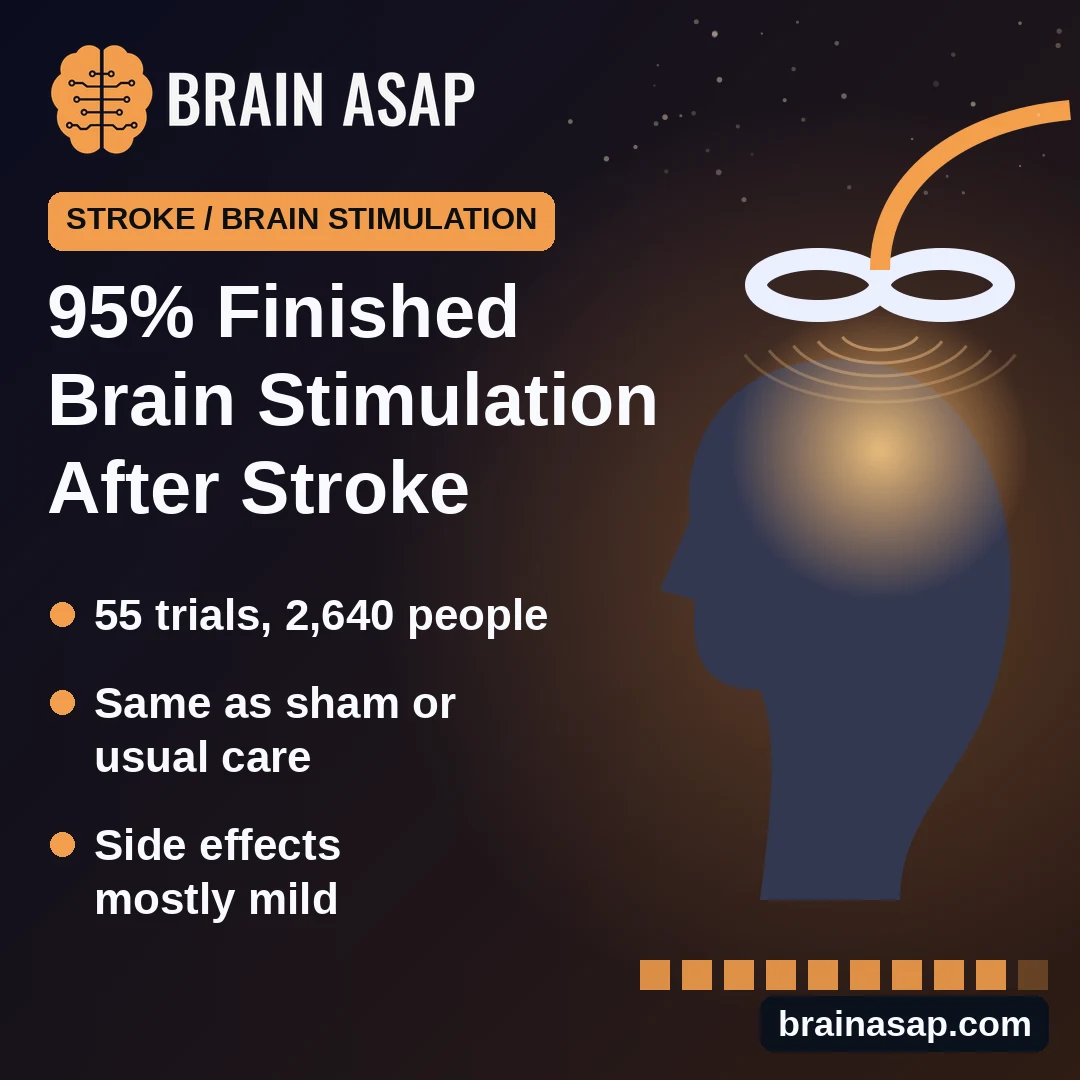
TL;DR: Across 55 trials of brain stimulation for arm recovery after stroke, about 95% of people finished treatment, the same share as those given fake stimulation or usual care. Side effects were mostly mild headaches and skin tingling. Key Findings 55 trials,…
Read article ↗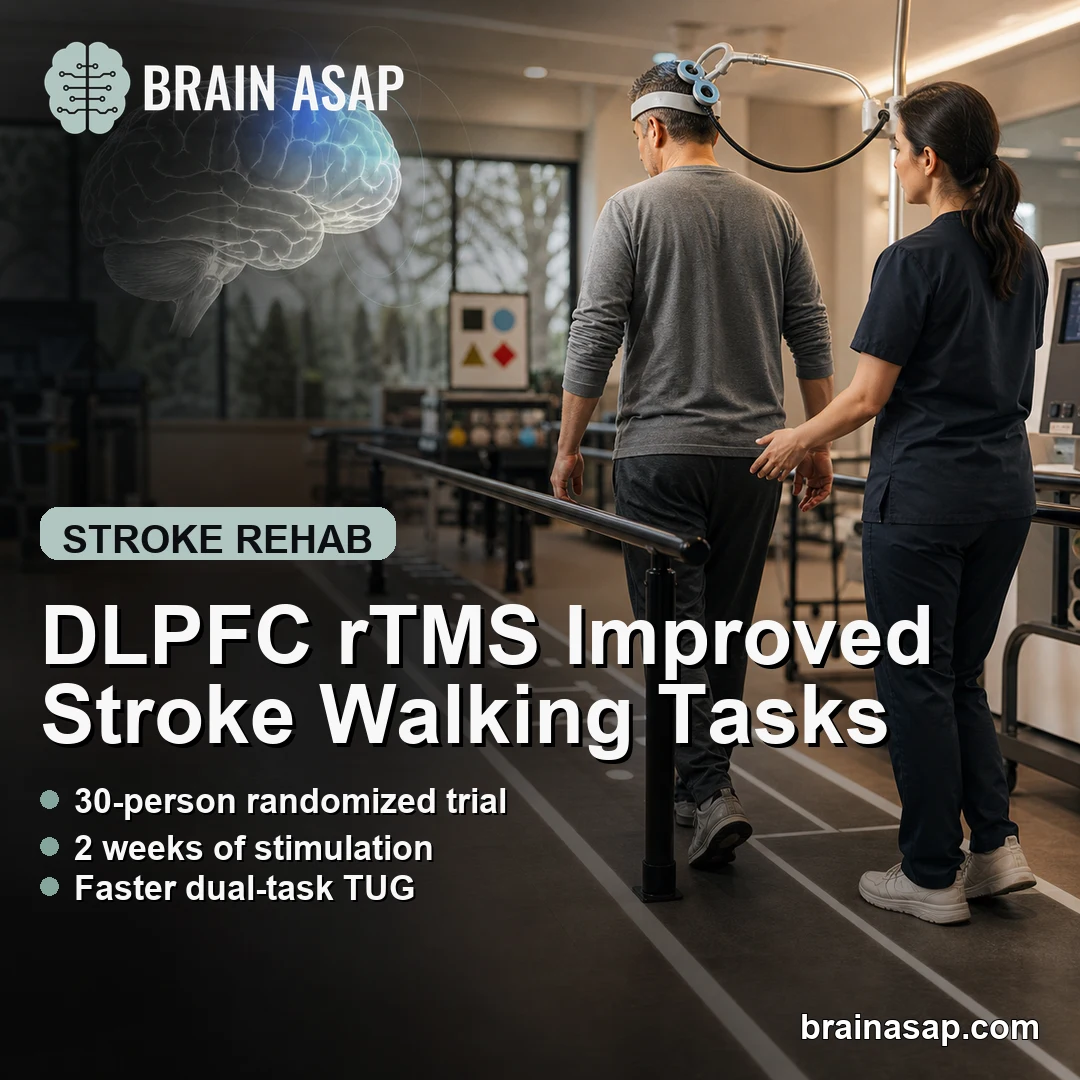
TL;DR: A 2026 randomized trial in Physiotherapy Research International found that adding active 5 Hz repetitive transcranial magnetic stimulation (rTMS) over the dorsolateral prefrontal cortex to dual-task stroke rehabilitation produced larger gains in Timed U…
Read article ↗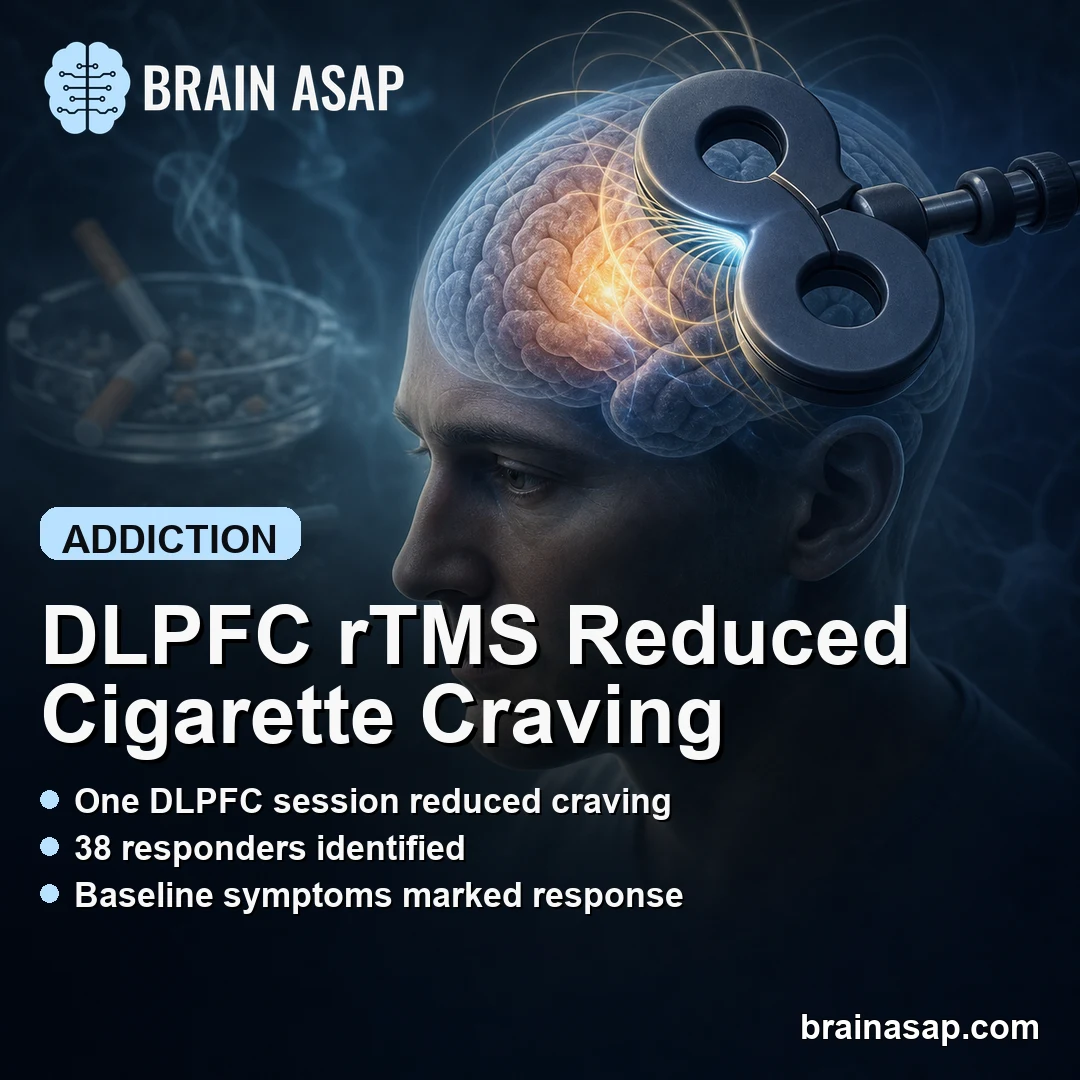
TL;DR: A 2026 medRxiv preprint found that one session of repetitive transcranial magnetic stimulation (rTMS) over the left dorsolateral prefrontal cortex (DLPFC) reduced cigarette craving in adults with tobacco use disorder, and the people who responded had he…
Read article ↗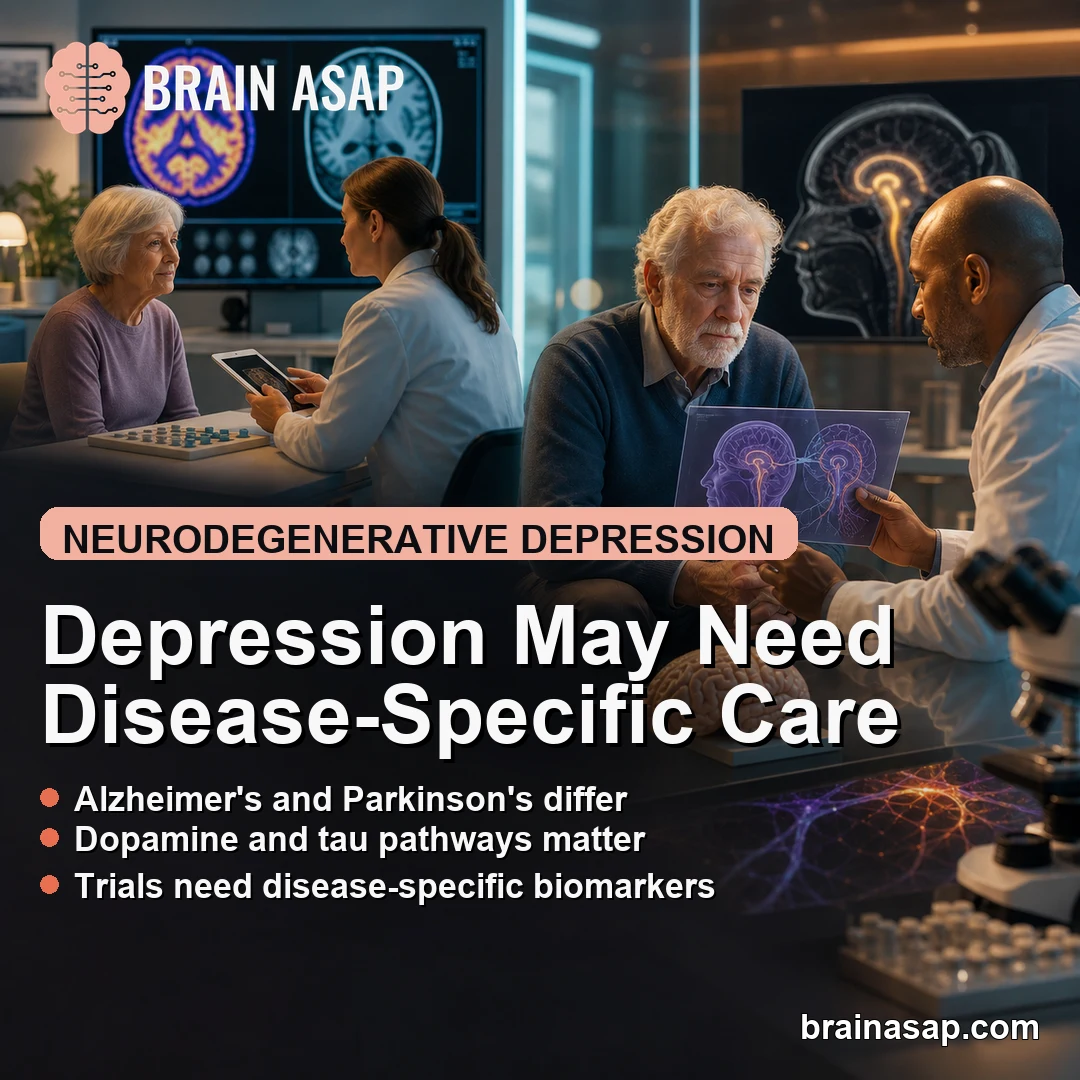
TL;DR: A 2026 narrative review in Molecular Psychiatry argues that depression in Alzheimer’s disease and Parkinson’s disease follows disease-specific brain mechanisms, while standard antidepressant evidence remains weak in these neurodegenerative populations.…
Read article ↗
TL;DR: A 2026 secondary analysis in PLOS One found that low-intensity focused ultrasound and repetitive transcranial magnetic stimulation (rTMS) had similar short-term post-stroke motor endpoint scores, while change-from-baseline Fugl-Meyer gains were larger w…
Read article ↗
TL;DR: A 2026 randomized controlled study in Pakistan Journal of Pharmaceutical Sciences found that adding 20 Hz repetitive transcranial magnetic stimulation (rTMS) to risperidone was linked with lower cognitive-factor and aggression scores after 4 weeks in sc…
Read article ↗
TL;DR: A 2026 randomized study in Psychological Medicine found that right orbitofrontal cortex repetitive transcranial magnetic stimulation (rTMS), a noninvasive brain-stimulation method, improved visuospatial memory on the Brief Visuospatial Memory Test-Revis…
Read article ↗
TL;DR: A 2026 systematic review in Translational Psychiatry found that depression brain-stimulation studies repeatedly linked treatment response to subcallosal cingulate connectivity, but inconsistent methods still limit its use as a treatment-selection biomar…
Read article ↗
DLPFC-sgACC Circuit Signal Predicted rTMS Remission TL;DR: Before starting rTMS, patients who later remitted from depression showed lower alpha-band connectivity flowing from the DLPFC to the subgenual cingulate — pointing toward a measurable EEG marker that c…
Read article ↗
Repetitive transcranial magnetic stimulation (rTMS) on the left dorsolateral prefrontal cortex (dlPFC) improves decision-making and reduces cravings in individuals with methamphetamine use disorder (MUD). Highlights: Improved Decision-Making: rTMS treatment en…
Read article ↗