TL;DR: A 2026 Neurological Sciences study followed 216 early Parkinson’s patients for 2 years after levodopa started and found that several non-motor symptom differences between men and women persisted or emerged despite adjustment for baseline scores and levo…
Read article ↗
TL;DR: A 2026 medRxiv preprint linked pre-surgery diffusion MRI markers in Parkinson’s disease to 6-month changes in impulsive-compulsive behaviour after subthalamic deep brain stimulation. Key Findings Small DBS cohort: Researchers followed 35 Parkinson’s dis…
Read article ↗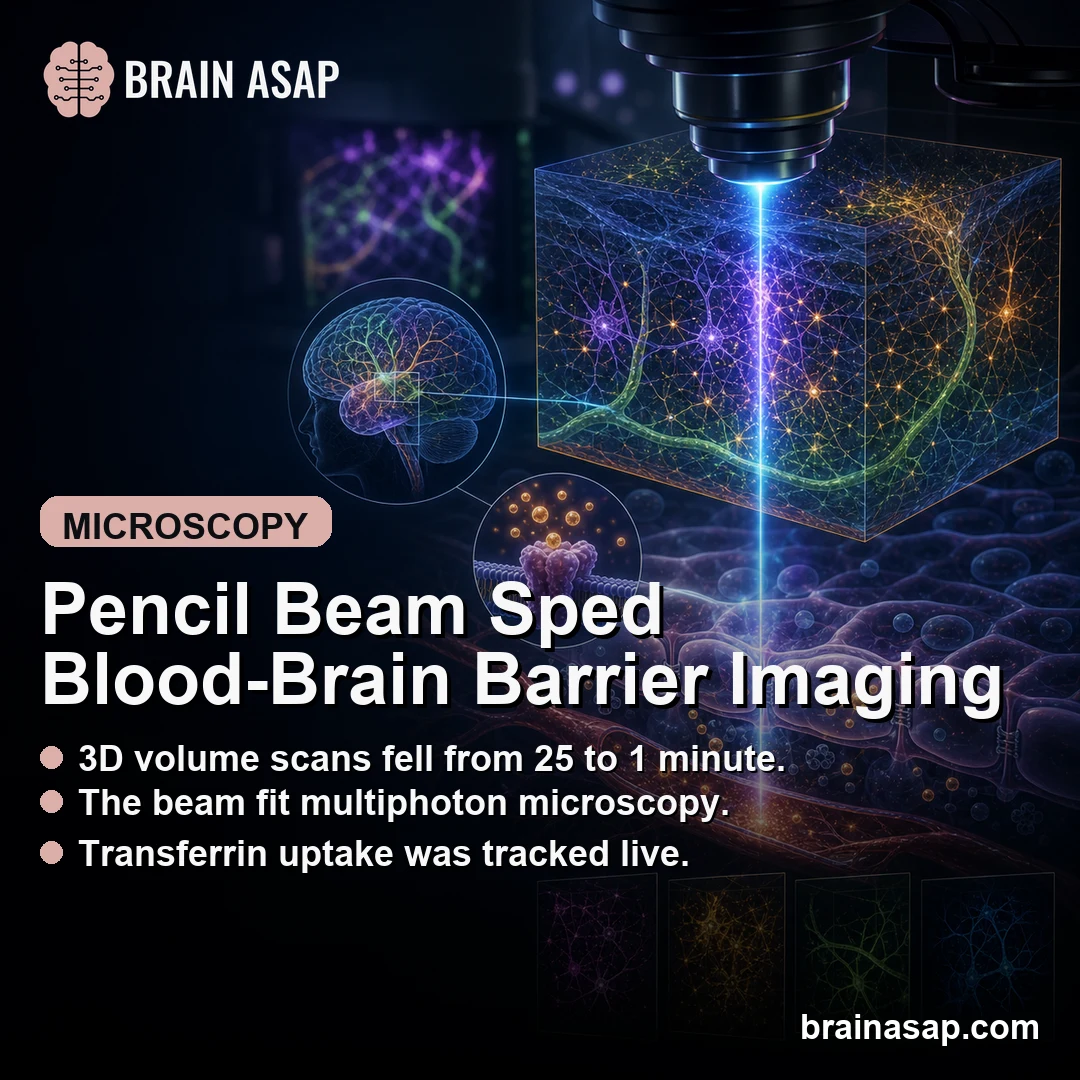
TL;DR: A 2026 Nature Methods paper described a self-localized ultrafast pencil beam that made volumetric multiphoton imaging faster and more stable, including 1-minute 3D scans of transferrin uptake in a live human blood-brain barrier model. Key Findings Optic…
Read article ↗
TL;DR: A 2026 study in Journal of Medical Case Reports described organophosphate-induced delayed neuropathy (OPIDN), a delayed nerve-injury syndrome, in a 44-year-old pesticide applicator after years of low-level exposure without a typical acute poisoning cris…
Read article ↗
TL;DR: A 2026 mouse study in Communications Biology found that activating parvalbumin (PV) interneurons, inhibitory nerve cells in the orbitofrontal cortex, reduced default mode network connectivity and decreased normal social approach and sniffing behavior. K…
Read article ↗
TL;DR: A 2026 retrospective ICU study in the International Journal of General Medicine found that 24-hour open visiting was associated with lower delirium incidence and lower anxiety/depression scores than 1-hour restricted visiting in chronic critically ill p…
Read article ↗
TL;DR: A 2026 iScience study found that after 1 hour of training, adults could use a new audio cue for depth judgments, but only about half combined it with a familiar visual cue well enough to improve perceptual precision. Key Findings A total of 78 adults co…
Read article ↗
TL;DR: A 2026 study in PLOS One found that Texas ICU COVID-19 hospitalizations coded for current nicotine dependence had lower crude and adjusted mortality than hospitalizations coded as never nicotine dependent, but the administrative-data design means the re…
Read article ↗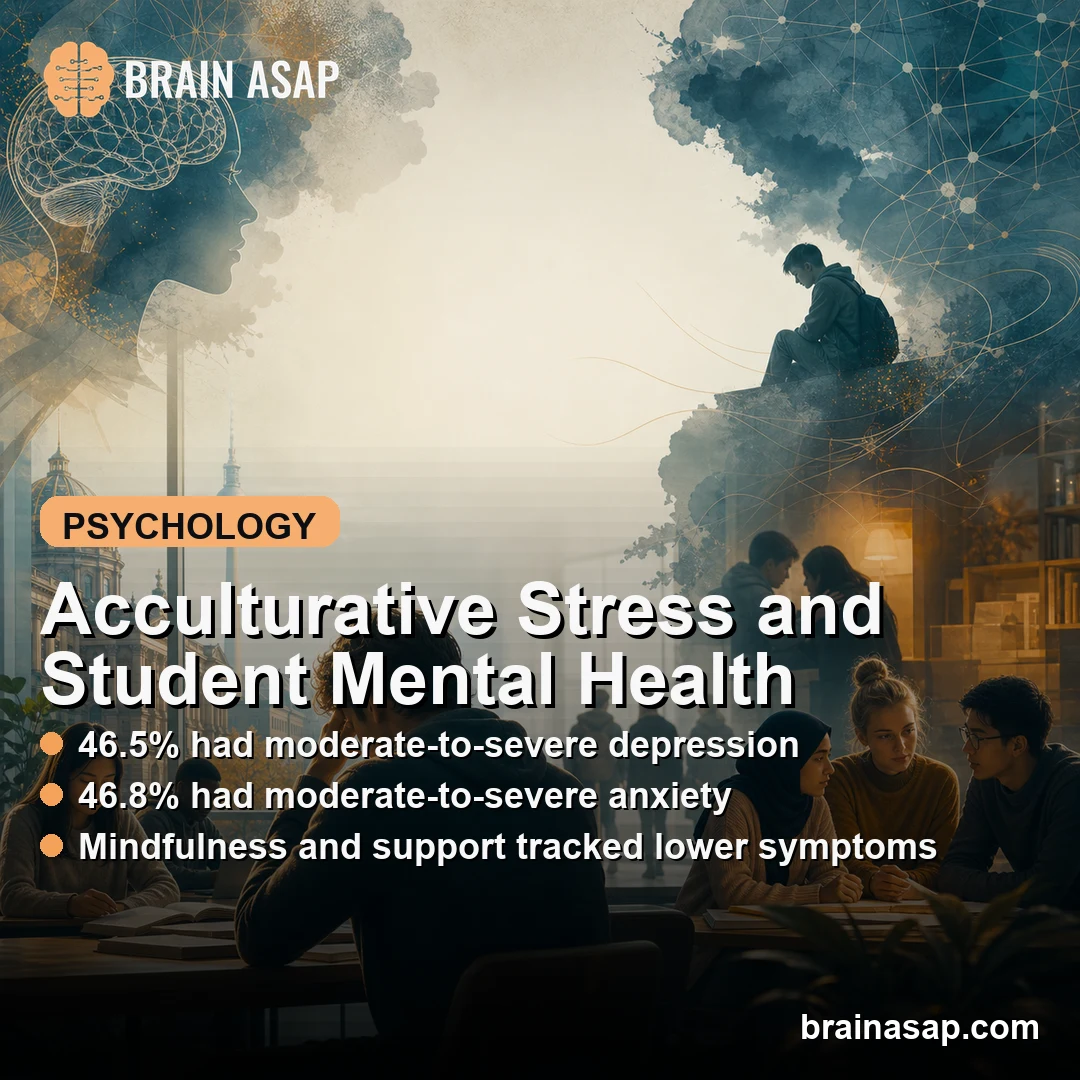
TL;DR: A 2026 study in BMC Psychology found high rates of depression, anxiety, and recent self-harm thoughts among international students in Germany, with acculturative stress linked to worse mental health and mindfulness, optimism, self-efficacy, acceptance,…
Read article ↗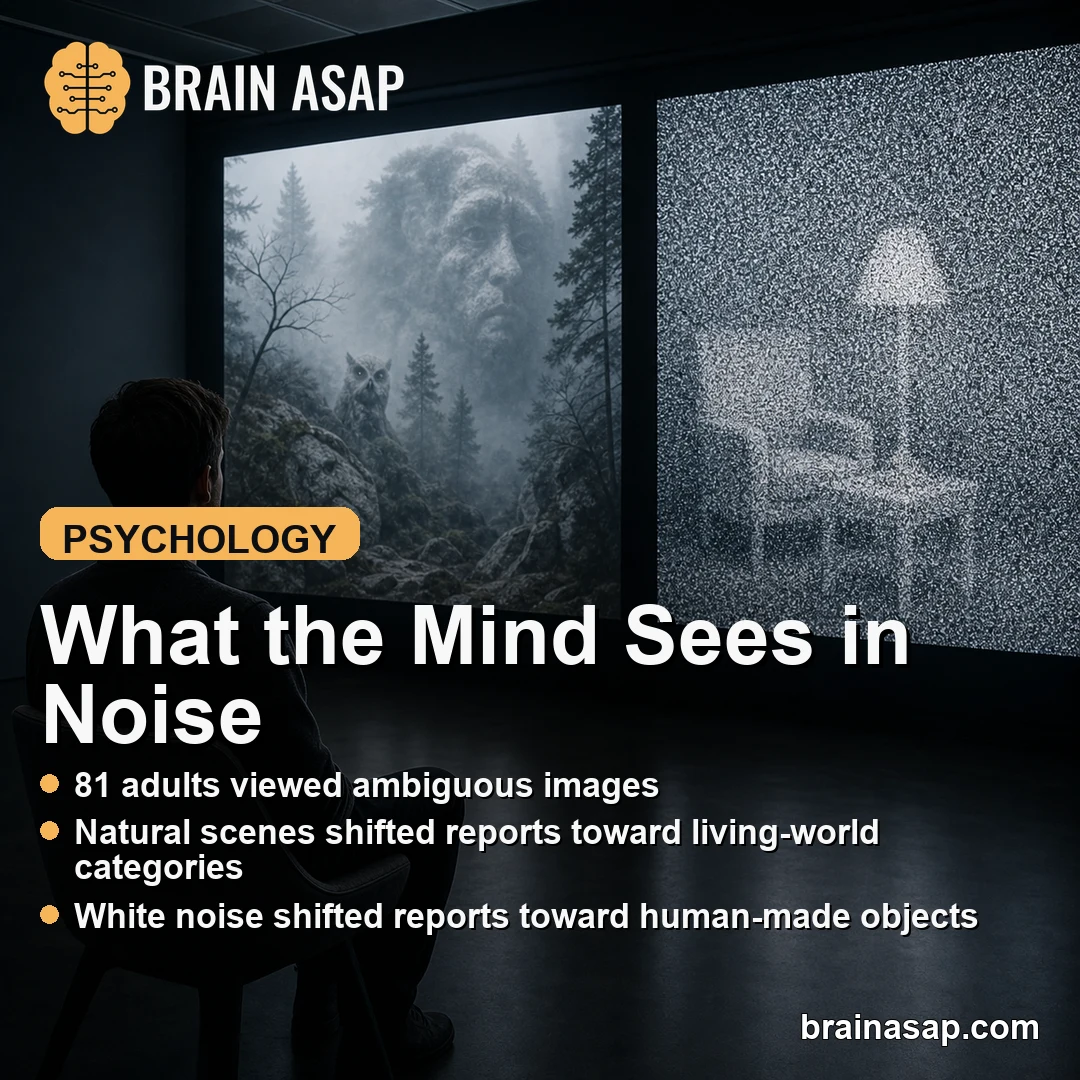
TL;DR: A 2026 Scientific Reports study found that natural images and white noise images produced similar amounts of pareidolia, but they shifted what people thought they saw. Key Findings Healthy adult sample: The study included 81 participants who viewed ambi…
Read article ↗