TL;DR: A 2026 Nature Communications paper found that late-stage amyloid beta plaques in APP23 mice recruited CD8 T cells with a type I interferon program, linking Alzheimer-like amyloid pathology to a more adaptive immune response around plaques. Key Findings…
Read article ↗
TL;DR: A 2026 study in Molecular Neurobiology found that Antrodia cinnamomea, a medicinal fungus extract, worked best when carried on citrate-stabilized silver nanoparticles in cell and rat models of Parkinson’s-like dopamine injury. Key Findings 6-OHDA create…
Read article ↗
TL;DR: A 2026 study in The British Journal of Psychiatry found that social anxiety disorder was linked to altered communication inside prefrontal control circuits during a functional MRI emotion-regulation task. Key Findings 102-person fMRI sample: The study a…
Read article ↗
TL;DR: A 2026 eNeuro study of 163 people ages 3-25 found that sleep history and age shaped waking electroencephalography (EEG) oscillations, while children with ADHD showed distinct sleep-wake EEG patterns. Key Findings Sleep and development interact to shape…
Read article ↗
TL;DR: A 2026 study in Neuron found that glioblastoma was not growing alone: reactive oligodendrocytes helped maintain glioma stem cells through CCL5/CCR5 signaling, and blocking that conversation slowed tumor growth in models. Key Findings CCL5/CCR5 showed th…
Read article ↗
TL;DR: A 2026 study in Biological Psychiatry: Global Open Science linked higher psychopathy in MRI data from 804 incarcerated men to lower empathic concern and broader cortical surface area, while empathy scores themselves were not directly tied to cortical th…
Read article ↗
TL;DR: A 2026 randomized clinical trial in the Journal of Sport and Health Science assigned 130 midlife adults to 150 minutes/week aerobic exercise or no-exercise control for 1 year and found sustained lower long-term cortisol in the exercise group. Key Findin…
Read article ↗
TL;DR: A 2026 preprint in medRxiv used 18F-DOPA positron emission tomography (PET) to estimate dopamine synthesis and storage, and found that caudate dopamine synthesis decreased as schizophrenia patients moved from active psychosis into early psychotic remiss…
Read article ↗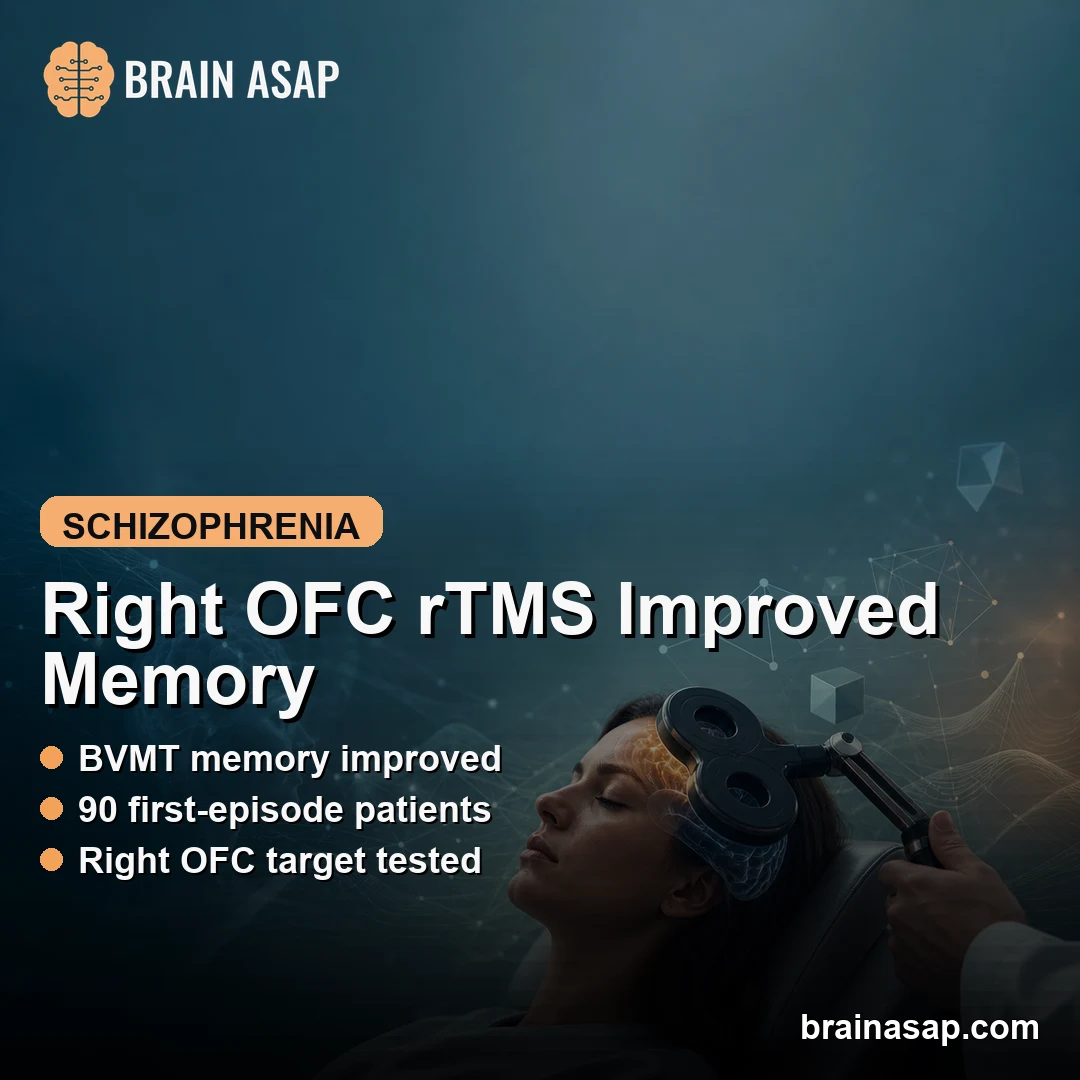
TL;DR: A 2026 randomized study in Psychological Medicine found that right orbitofrontal cortex repetitive transcranial magnetic stimulation (rTMS), a noninvasive brain-stimulation method, improved visuospatial memory on the Brief Visuospatial Memory Test-Revis…
Read article ↗
TL;DR: A 2026 study in The Journal of Sex Research found that teenage daughters’ own humor during sexuality conversations was linked to more open mother-daughter communication and higher sexual well-being, while mothers’ humor was linked to less openness from…
Read article ↗