Daytime Sleepiness Rose Over 5 Years in Parkinson’s While Insomnia Held Steady
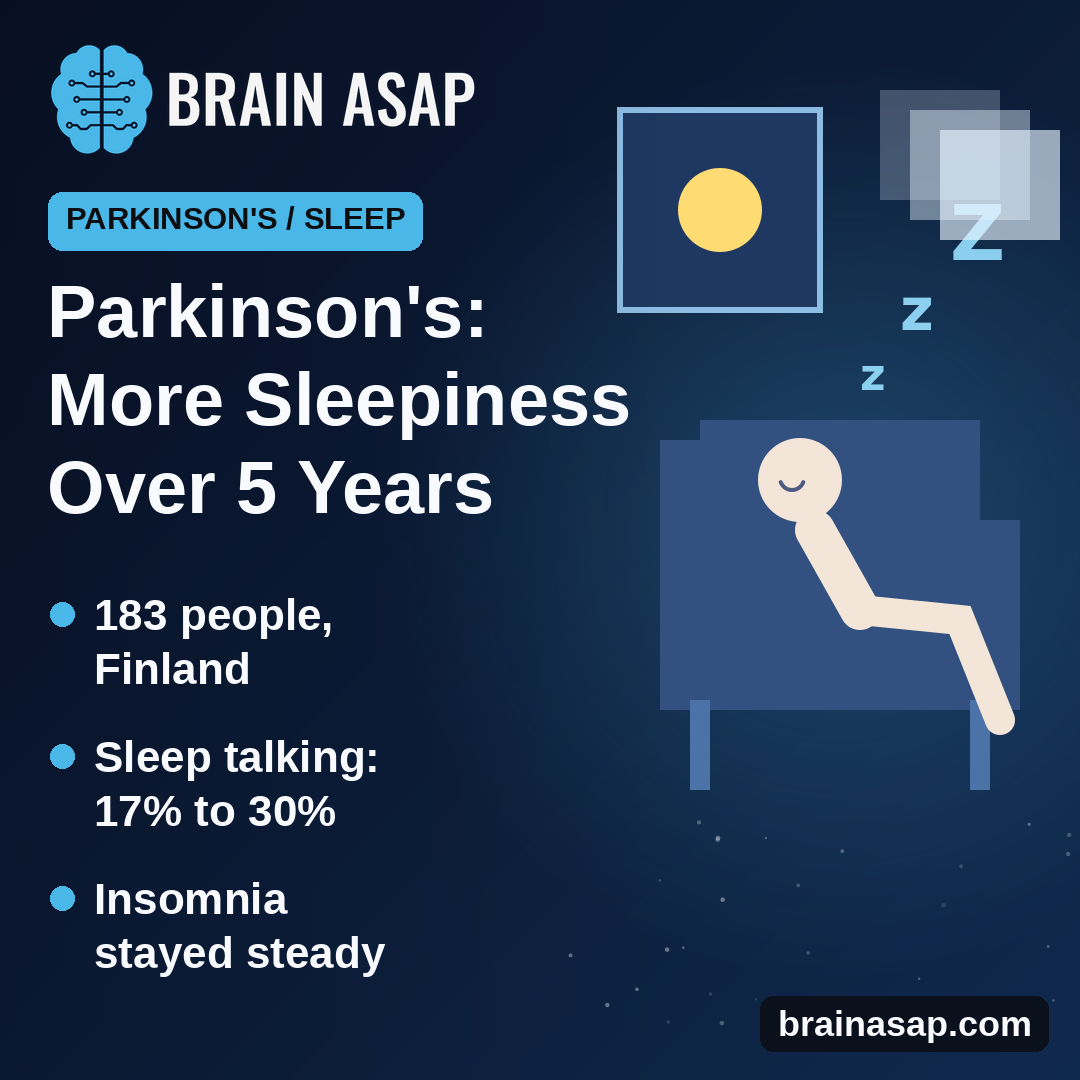
Daytime Sleepiness Rose Over 5 Years in Parkinson's While Insomnia Held Steady

TL;DR: Among 183 people with Parkinson’s in Finland, daytime sleepiness, napping, restless legs, sleep talking and nightmares all became more common over five years. Insomnia stayed about the same. Key Findings Daytime sleepiness: 31% to 39%. Daily naps: 21% to 32%. Sleep talking at least weekly: 17% to 30%. Restless legs and nightmares also rose. …
Read more

Seasonal Circadian Disruption May Increase Driver Drowsiness and Crash Risk

Seasonal Circadian Disruption May Increase Driver Drowsiness and Crash Risk

TL;DR: A 2026 scoping review in Sleep Science linked seasonal timing, daylight exposure, daylight saving time (DST), sleep-wake rhythm disruption, and driver drowsiness to traffic-crash risk, but found that few studies directly integrate seasonality with chronobiology in one model. Key Findings 1,758 records screened: The scoping review used PRISMA-ScR methods and screened 1,758 records before …

Read more

PAP Mask Leak Predicted Lower Sleep Apnea Treatment Adherence

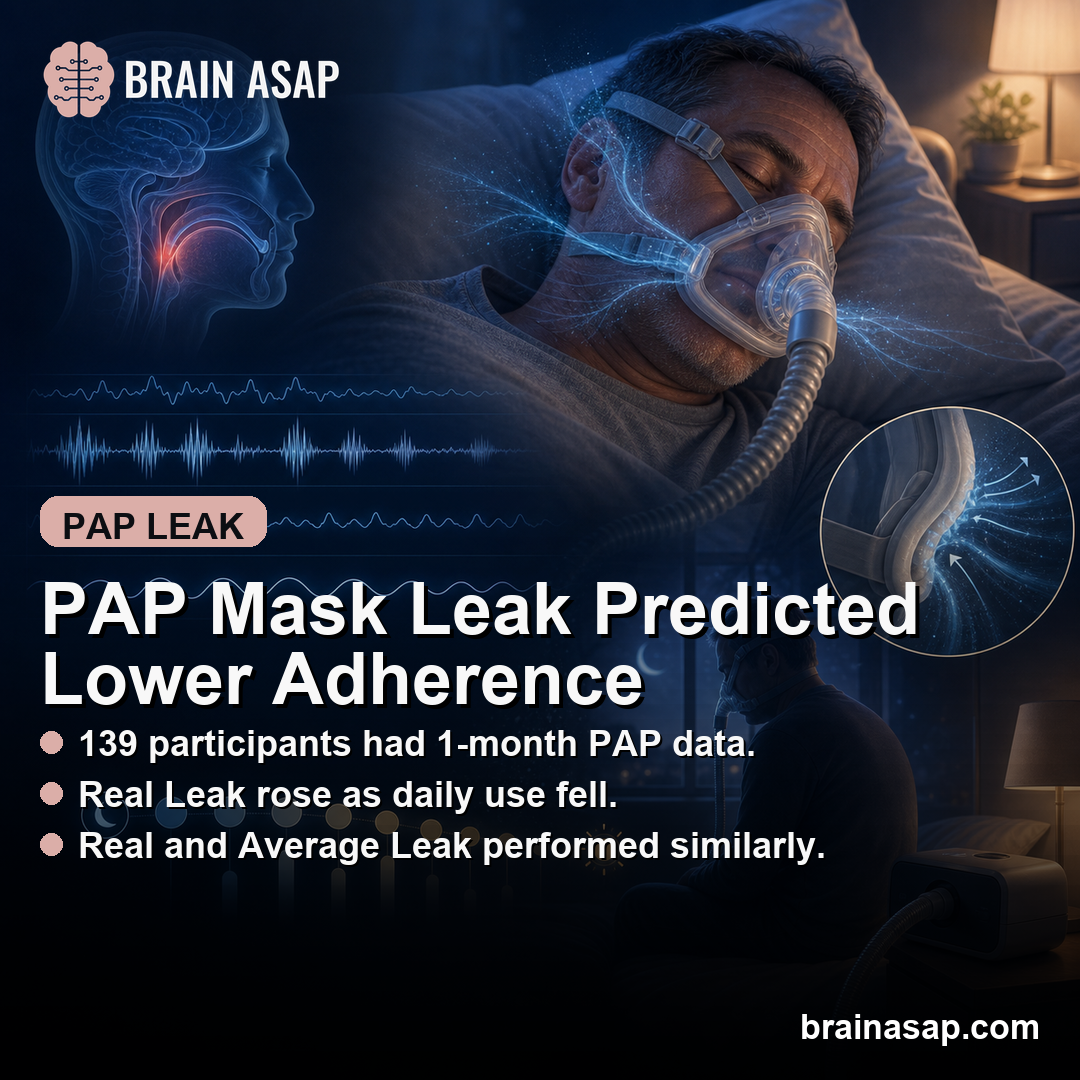
PAP Mask Leak Predicted Lower Sleep Apnea Treatment Adherence

TL;DR: A 2026 HomePAP secondary analysis in Journal of Clinical Sleep Medicine found that higher PAP mask leak predicted lower obstructive sleep apnea treatment adherence, but a new Real Leak measure, unintentional leak after subtracting expected mask leak, did not outperform conventional Average Leak. Key Findings HomePAP sample size: PAP data were available for 139 …

Read more

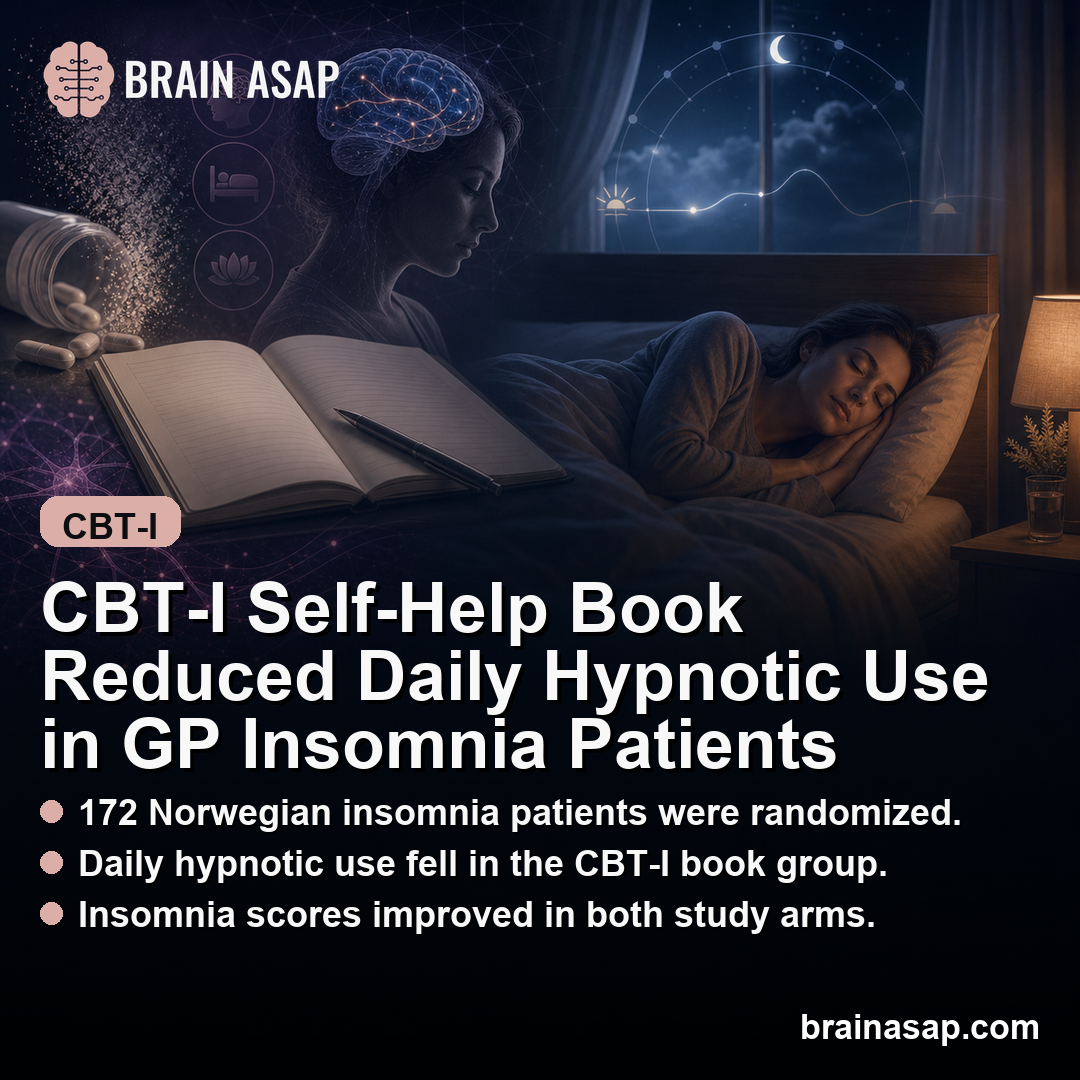
CBT-I Self-Help Book Reduced Daily Hypnotic Use in GP Insomnia Patients

CBT-I Self-Help Book Reduced Daily Hypnotic Use in GP Insomnia Patients

TL;DR: A 2025 randomized trial in Scandinavian Journal of Primary Health Care found that a self-help book based on cognitive behavioral therapy for insomnia (CBT-I), a structured non-drug insomnia treatment, reduced daily hypnotic sleep-medication use and anxiety screening rates more than a brief sleep-hygiene handout among Norwegian general-practice patients prescribed zopiclone or zolpidem. Key Findings …

Read more

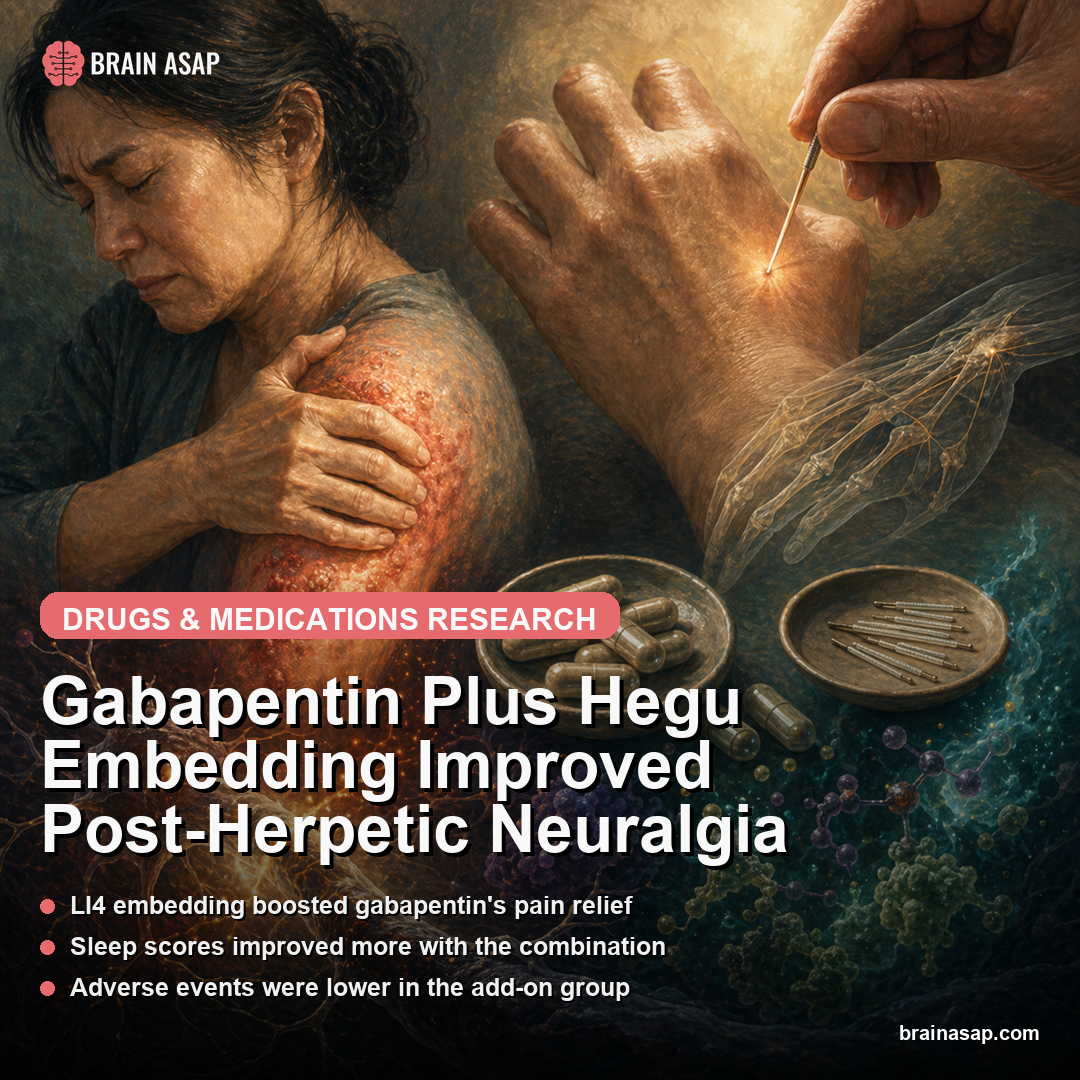
Gabapentin Plus Hegu Embedding Improved Post-Herpetic Neuralgia

Gabapentin Plus Hegu Embedding Improved Post-Herpetic Neuralgia

Gabapentin Plus Hegu Embedding Improved Post-Herpetic Neuralgia TL;DR: Adding weekly Hegu-point catgut embedding to gabapentin cut post-herpetic neuralgia pain and sleep disruption more sharply, raising response from 80.0% to 92.4%. Key Findings 210 randomized PHN patients: Adults aged 40 to 70 with pain lasting at least 3 months were randomized 1:1 to gabapentin alone or …

Read more

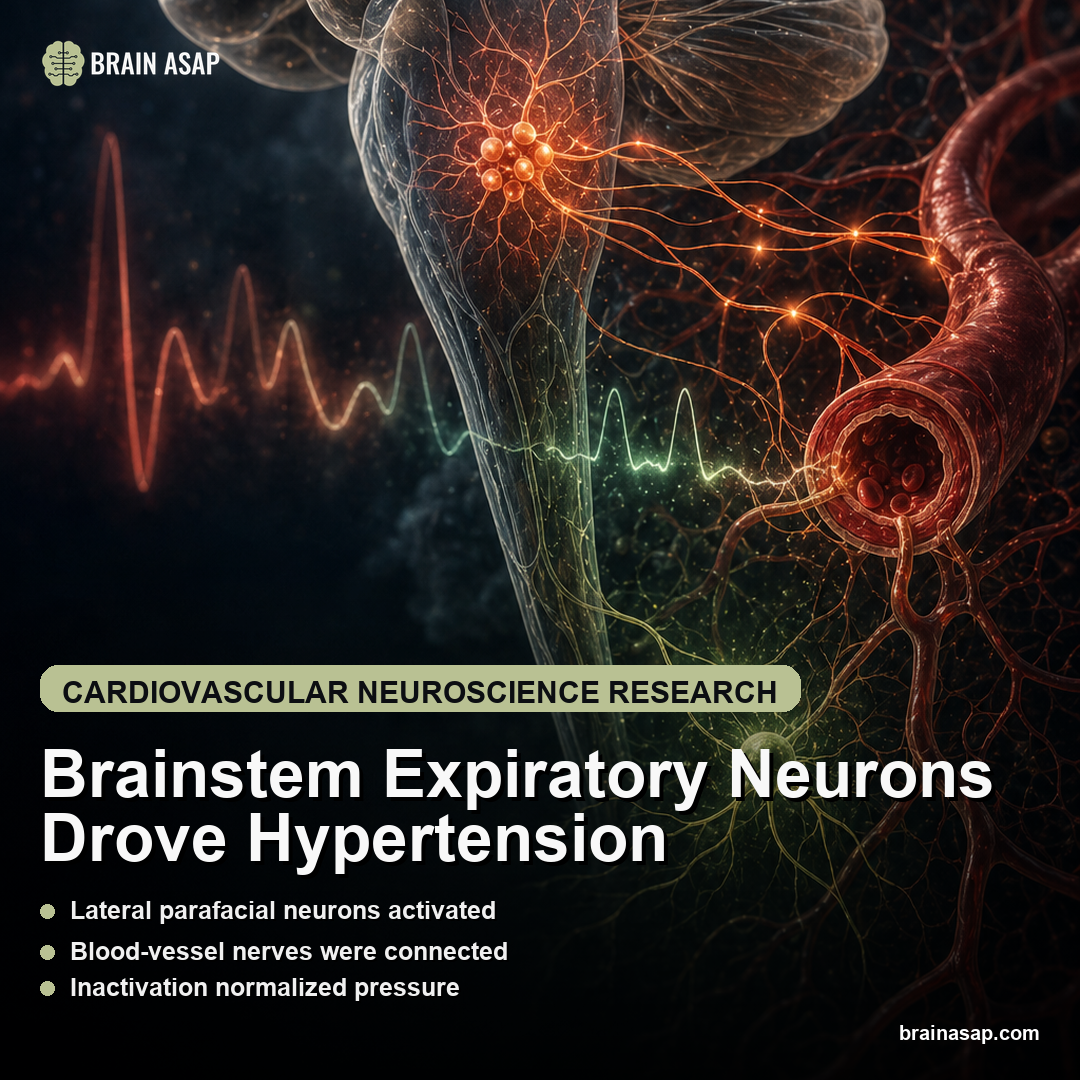
Brainstem Expiratory Neurons Drove Neurogenic Hypertension

Brainstem Expiratory Neurons Drove Hypertension

Brainstem Expiratory Neurons Drove Hypertension TL;DR: A brainstem region involved in forceful exhalation also appears to drive blood-vessel constriction, making it a possible target for some forms of neurogenic hypertension. Key Findings A forced-exhalation region joined the pressure mechanism: The lateral parafacial region, normally recruited for strong expiration, was active under hypertensive conditions. Blood-vessel nerves …

Read more

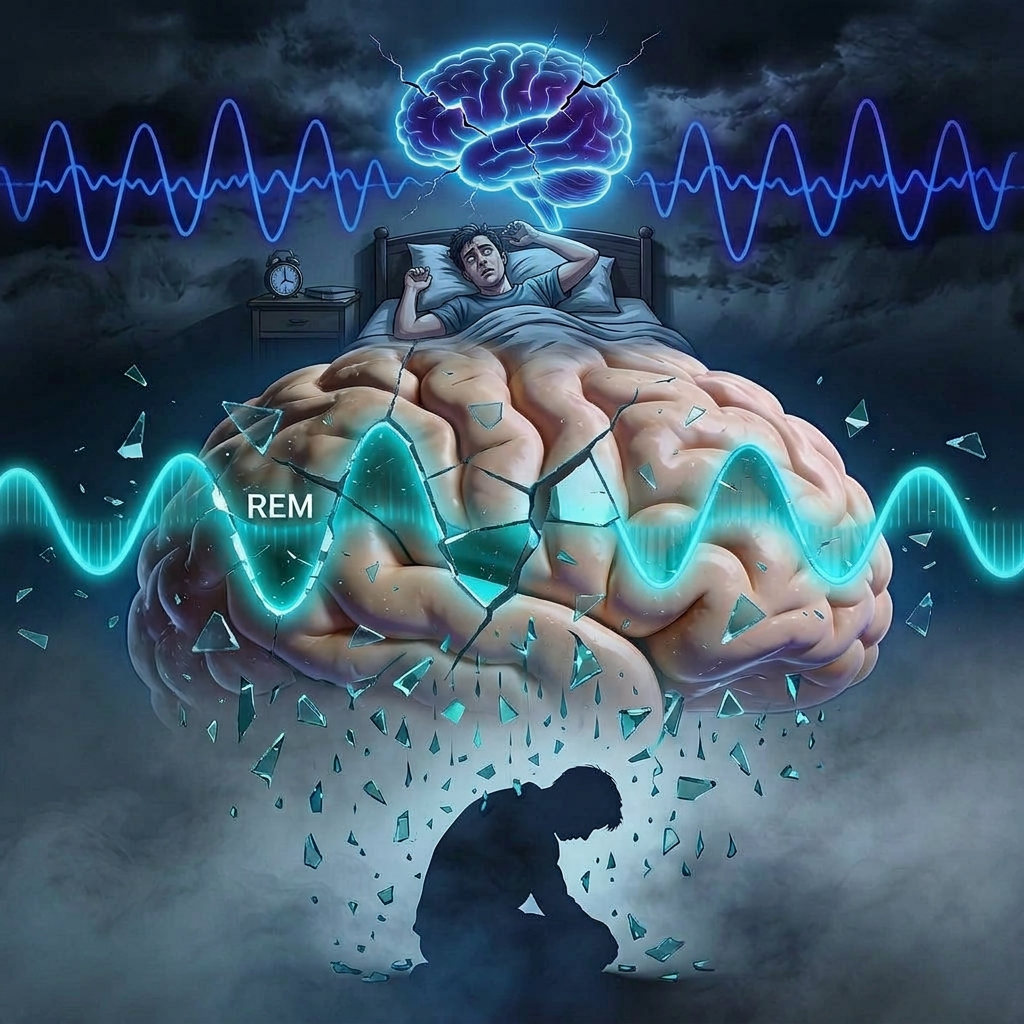
How Insomnia Fragments REM Sleep and Causes Depression: The Neuroscience Explained

The Brain That Won’t Shut Down: How Fragmented REM Sleep Breeds Depression TL;DR: Chronic insomnia fragments REM sleep through persistent hyperarousal, preventing emotional memory consolidation and creating a vicious cycle that breeds depression—but cognitive-behavioral therapy for insomnia can break the cycle faster than antidepressants alone. Insomnia has a hidden mechanism. You lie awake for hours, …

Read more

Sleep Disturbances in 22q11.2 Deletion Syndrome: What You Should Know

22q11.2 deletion syndrome (22q11.2DS) is a genetic condition caused by a missing chunk of chromosome 22. It comes with high rates of neurodevelopmental and psychiatric problems. Sleep issues are very common in 22q11.2DS across the lifespan. Key Facts: Sleep problems occur in up to 91% of those with 22q11.2DS and involve difficulties falling asleep, staying …

Read more

Link Between Insomnia, Short Sleep Duration, Dementia Risk: Insights from a 19-Year Swedish Study

Trouble sleeping may raise your risk of dementia later in life, according to a new 19-year study of over 22,000 middle-aged and older adults in Sweden. Both insomnia symptoms and shorter sleep were linked to higher chances of developing dementia down the road. Key facts: Adults reporting insomnia symptoms had an 18% higher risk of …

Read more