TL;DR: A 2026 randomized double-blind placebo-controlled trial in The Lancet (N=108 adults with both moderate-to-severe alcohol use disorder and obesity) found that 26 weeks of once-weekly 2.4 mg semaglutide reduced heavy drinking days by 41.1 percentage point…
Read article ↗
TL;DR: A 2026 trial in Journal of Psychopharmacology found that repeated supervised psilocybin sessions reduced Yale-Brown Obsessive Compulsive Scale (YBOCS) scores, a standard measure of obsession and compulsion severity, in 15 adults with OCD. Key Findings 7…
Read article ↗
TL;DR: A 2026 medRxiv preprint reanalyzed long-term survivors from the AB10015 ALS trial and reported that masitinib-treated patients had higher 5-year survival than historical benchmarks, but the analysis was post hoc, sponsor-supported, and lacked long-term…
Read article ↗
TL;DR: A 2026 network meta-analysis in International Clinical Psychopharmacology found that lurasidone and xanomeline-trospium improved global cognitive scores in schizophrenia-spectrum randomized trials, while quetiapine and cariprazine ranked best for attent…
Read article ↗
TL;DR: A 2026 study in Critical Care Explorations described a 45-year-old woman whose extended-release carbamazepine and venlafaxine overdose led to cardiac arrest, delayed serotonin syndrome, rebounding carbamazepine levels, bowel ischemia, and right hemicole…
Read article ↗
TL;DR: A 2026 review in Translational Neurodegeneration found that most repurposed multiple system atrophy drugs failed to show disease-slowing effects in trials, while ubiquinol produced the clearest placebo-controlled motor-progression signal. Key Findings N…
Read article ↗
TL;DR: A 2026 study in Alzheimer’s & Dementia: Translational Research & Clinical Interventions used lecanemab pharmacokinetic/pharmacodynamic modeling in early Alzheimer’s disease and found that blood biomarkers worsened after treatment stopped, while monthly…
Read article ↗
TL;DR: A 2026 Critical Care Explorations paper described a 17-year-old girl whose intentional lisdexamfetamine overdose was followed by delayed severe heart failure, with left ventricular ejection fraction falling below 20% before recovery over months. Key Fin…
Read article ↗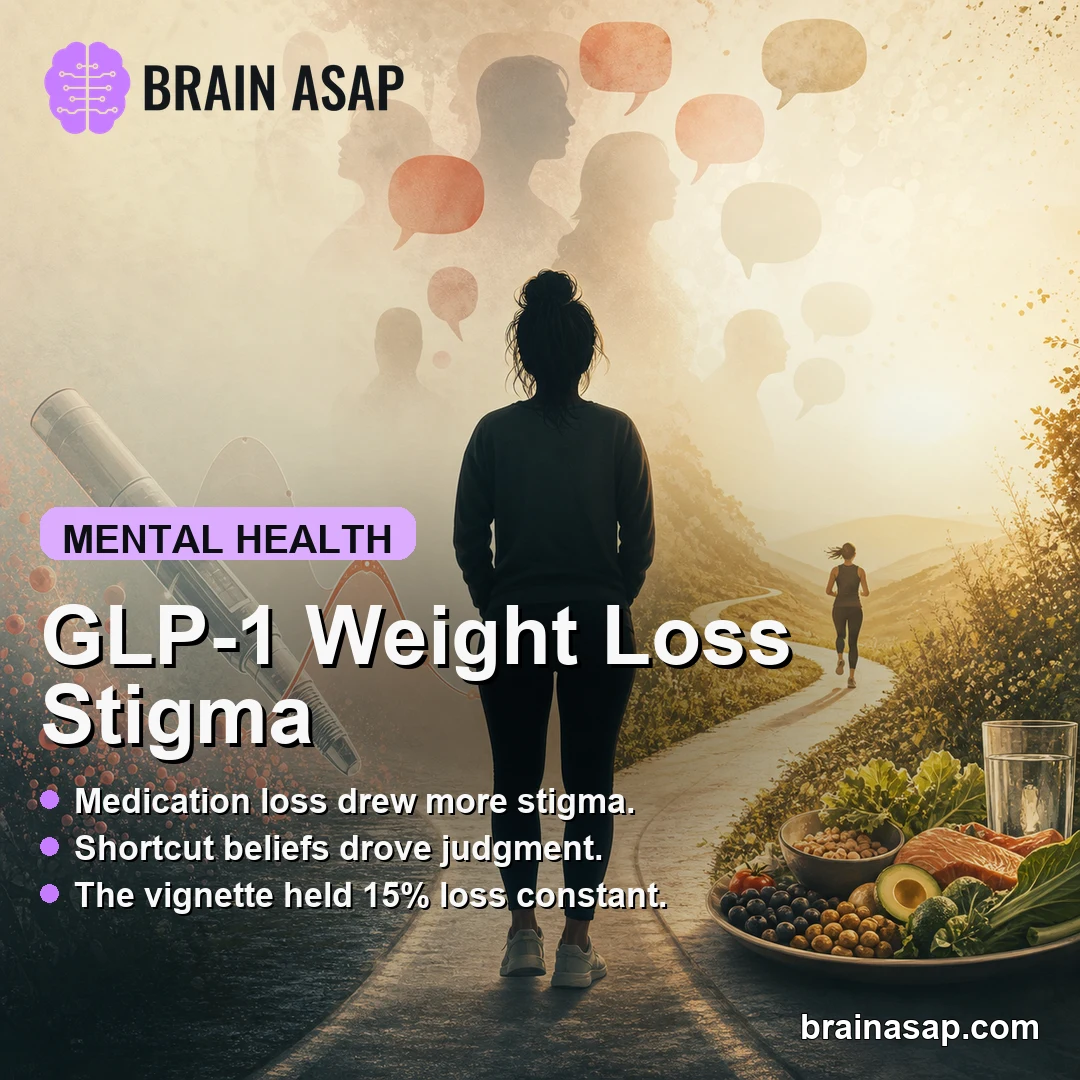
TL;DR: A 2026 study in Stigma and Health found that women who lost 15% of body weight with GLP-1 receptor agonists, medications such as semaglutide that mimic a metabolic hormone involved in appetite and glucose signaling, were judged more harshly than women w…
Read article ↗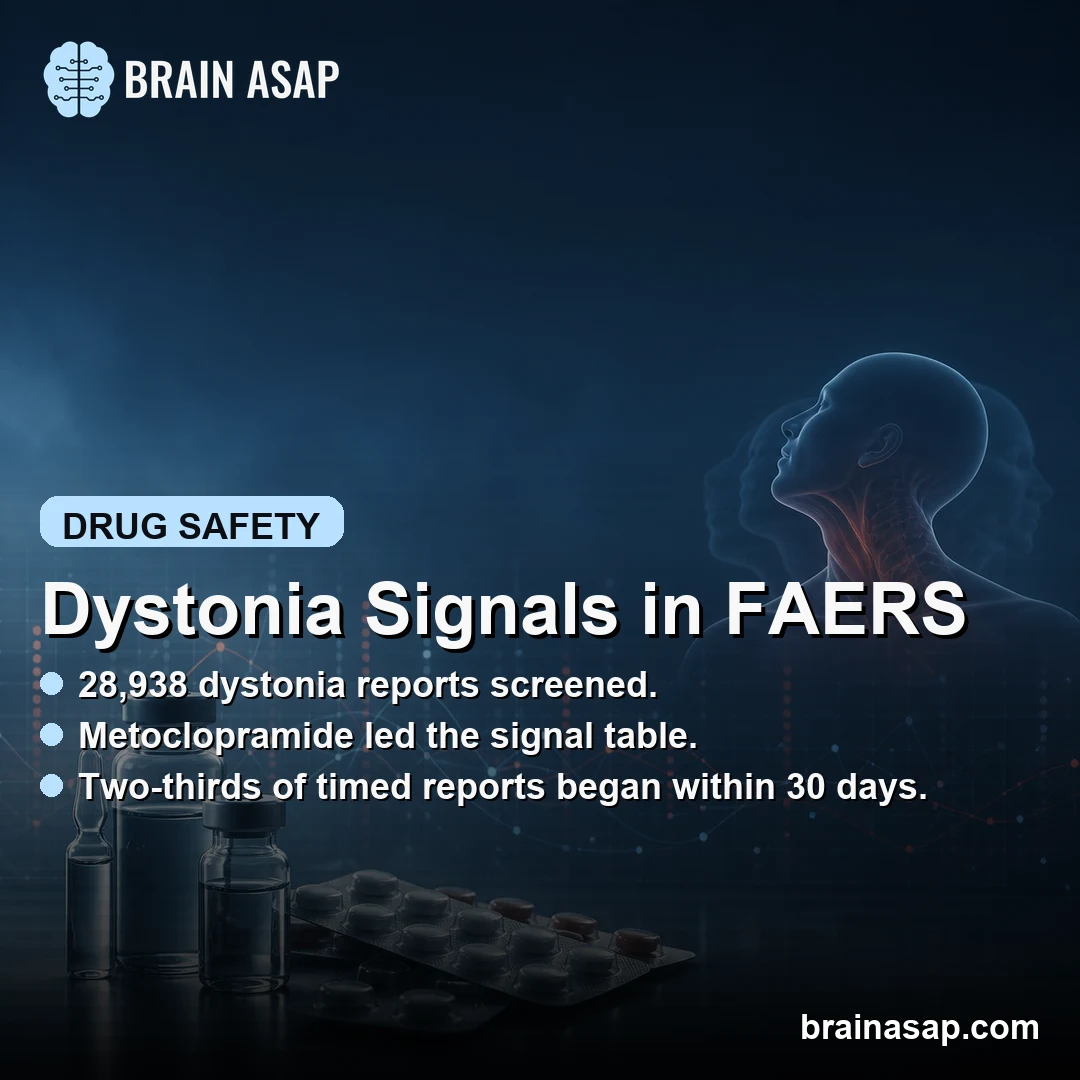
TL;DR: A 2026 study in Health Science Reports found that metoclopramide and several antipsychotics were strongly overrepresented in FDA adverse-event reports for drug-induced dystonia, with many reported cases appearing within the first month after drug initia…
Read article ↗