TL;DR: A 2026 study in Neuropsychopharmacology Reports found that repeated cigarette smoking and quitting shifted clozapine metabolism in one Japanese man with treatment-resistant schizophrenia, with the dose-adjusted clozapine level falling during smoking per…
Read article ↗
TL;DR: A 2026 paper in Neuropsychopharmacology argued that cannabidiol (CBD), a non-intoxicating cannabis compound, has plausible psychiatric and neurological uses, but clinical claims need standardized products, exposure tracking, and safety monitoring before…
Read article ↗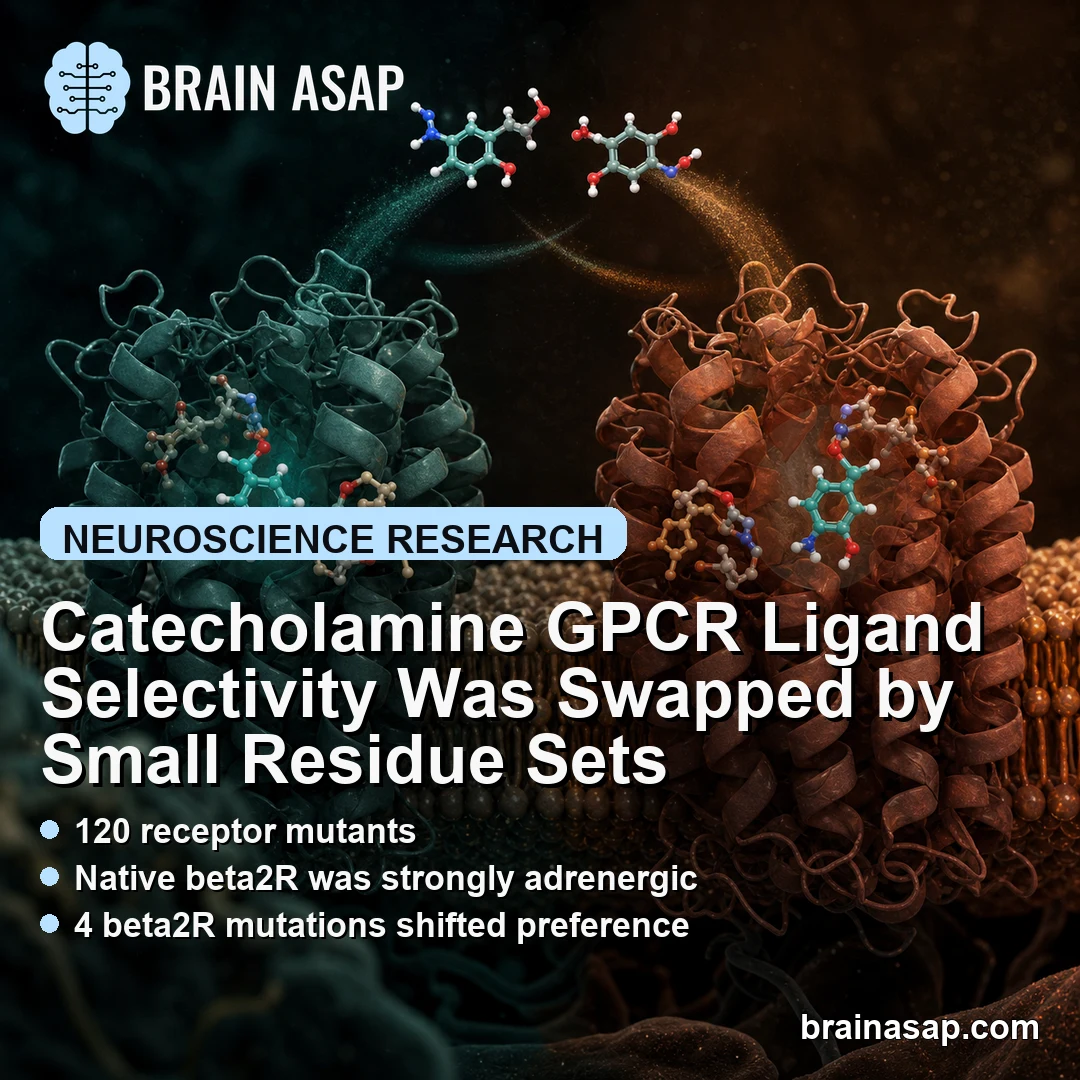
TL;DR: A 2026 Nature Communications study found that small sets of amino-acid changes could swap ligand preference between beta2 adrenergic and D1 dopamine receptors, showing that receptor selectivity depends on both the binding pocket and surrounding structur…
Read article ↗
TL;DR: A 2026 preprint in medRxiv found that a parent-cocreated sensory-reactivity outcome set captured anxiety, mood, sleep, fatigue, cognition, and peer-relationship changes during bumetanide treatment in children and adolescents with neurodevelopmental diso…
Read article ↗
TL;DR: A 2026 study in Annals of General Psychiatry found that, among 457 adults with recurrent major depressive disorder in Pakistan, escitalopram was the most common single antidepressant and reported side effects varied sharply by drug class. Key Findings C…
Read article ↗
TL;DR: A 2026 preprint on medRxiv tested transcutaneous vagus nerve stimulation (tVNS), a noninvasive ear-based stimulation method, during a grip-strength reward task and found that people with severe depressive symptoms made more efficient effort choices unde…
Read article ↗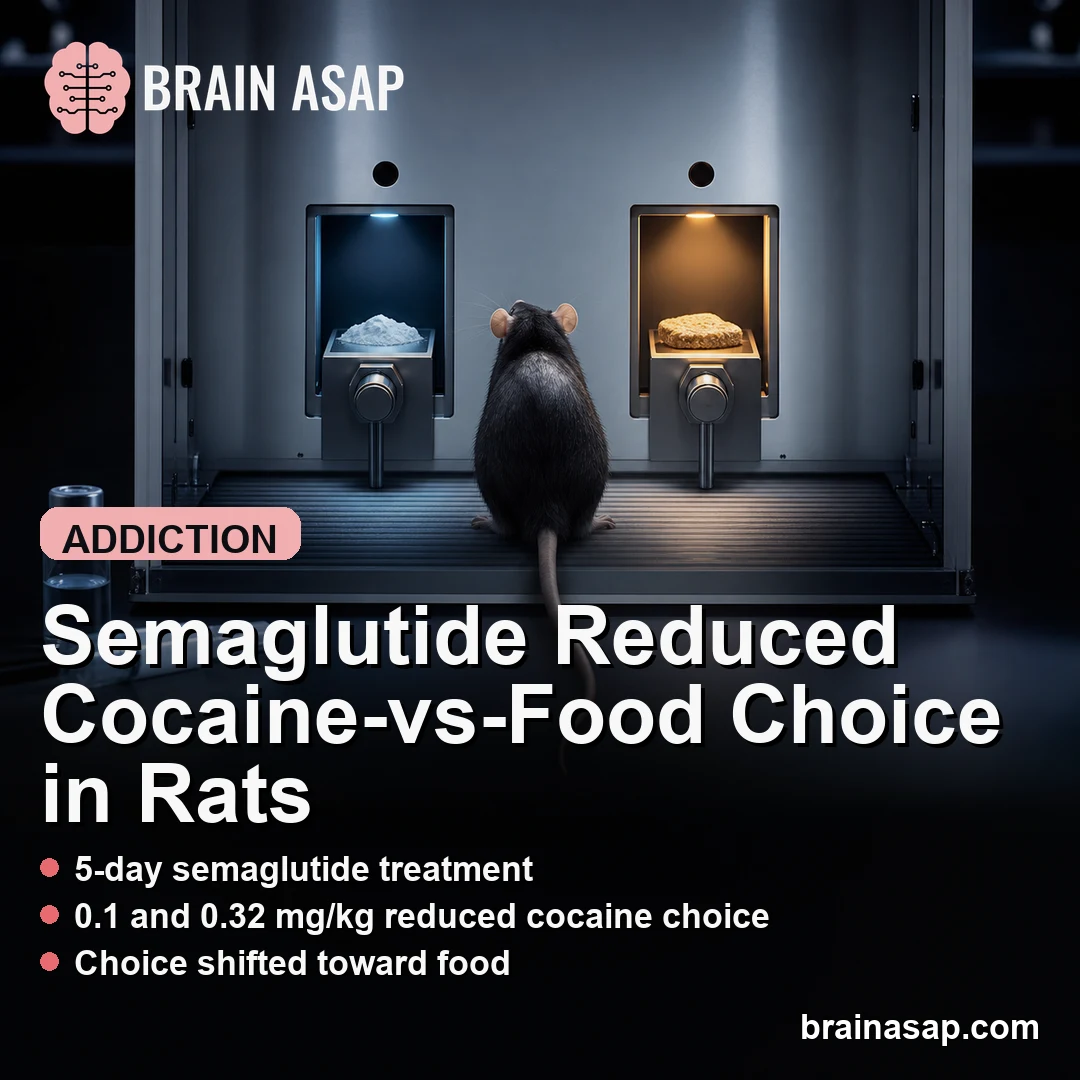
TL;DR: A 2026 rat study in Neuropsychopharmacology reported that repeated semaglutide treatment reduced cocaine-vs-food choice in male and female rats, supporting further clinical testing for cocaine use disorder rather than proving human benefit. Key Findings…
Read article ↗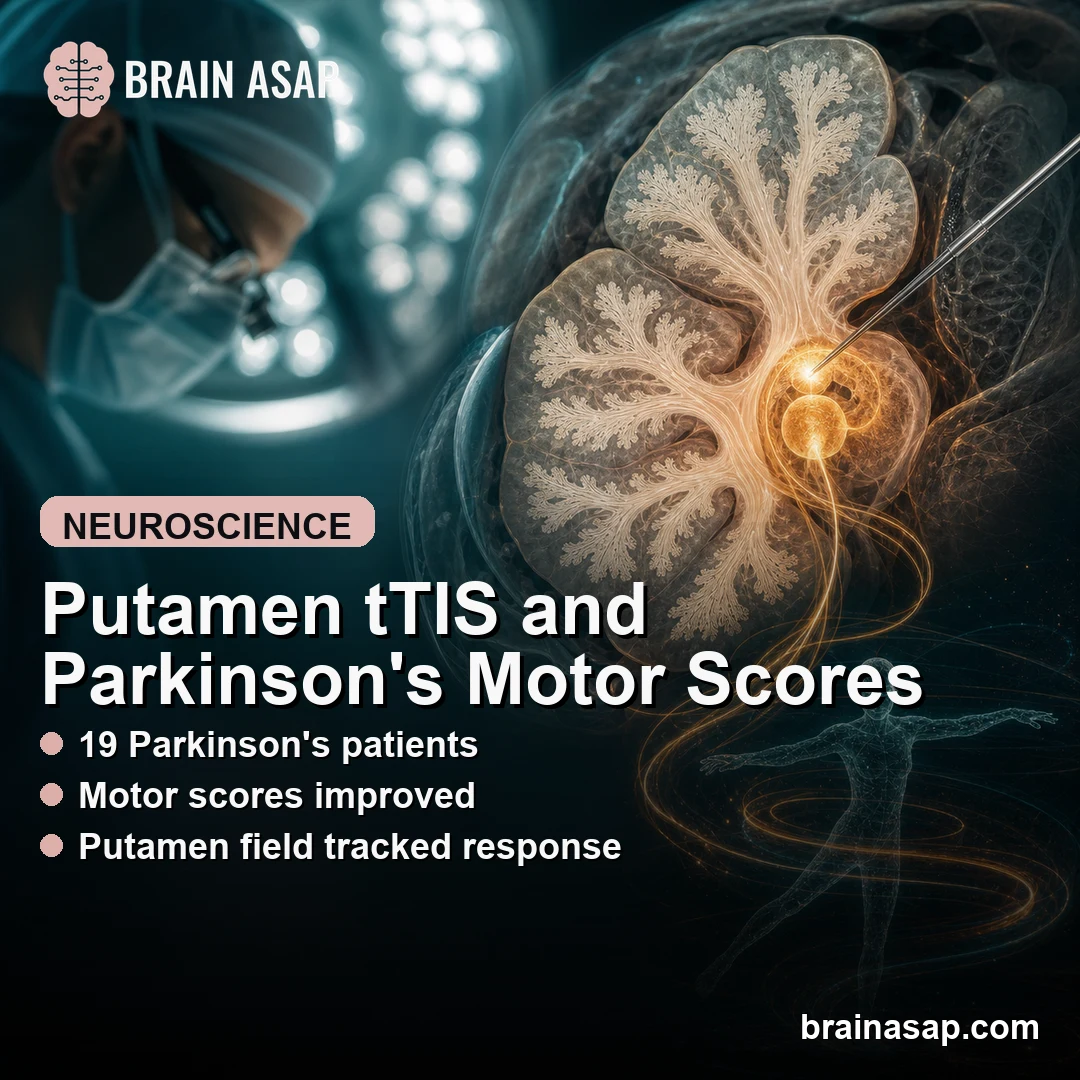
TL;DR: A 2026 preprint posted to medRxiv found that intermittent theta-burst transcranial temporal interference stimulation (iTBS-tTIS), a noninvasive electrical method aimed at the right putamen, lowered left-sided Parkinson’s motor scores during stimulation…
Read article ↗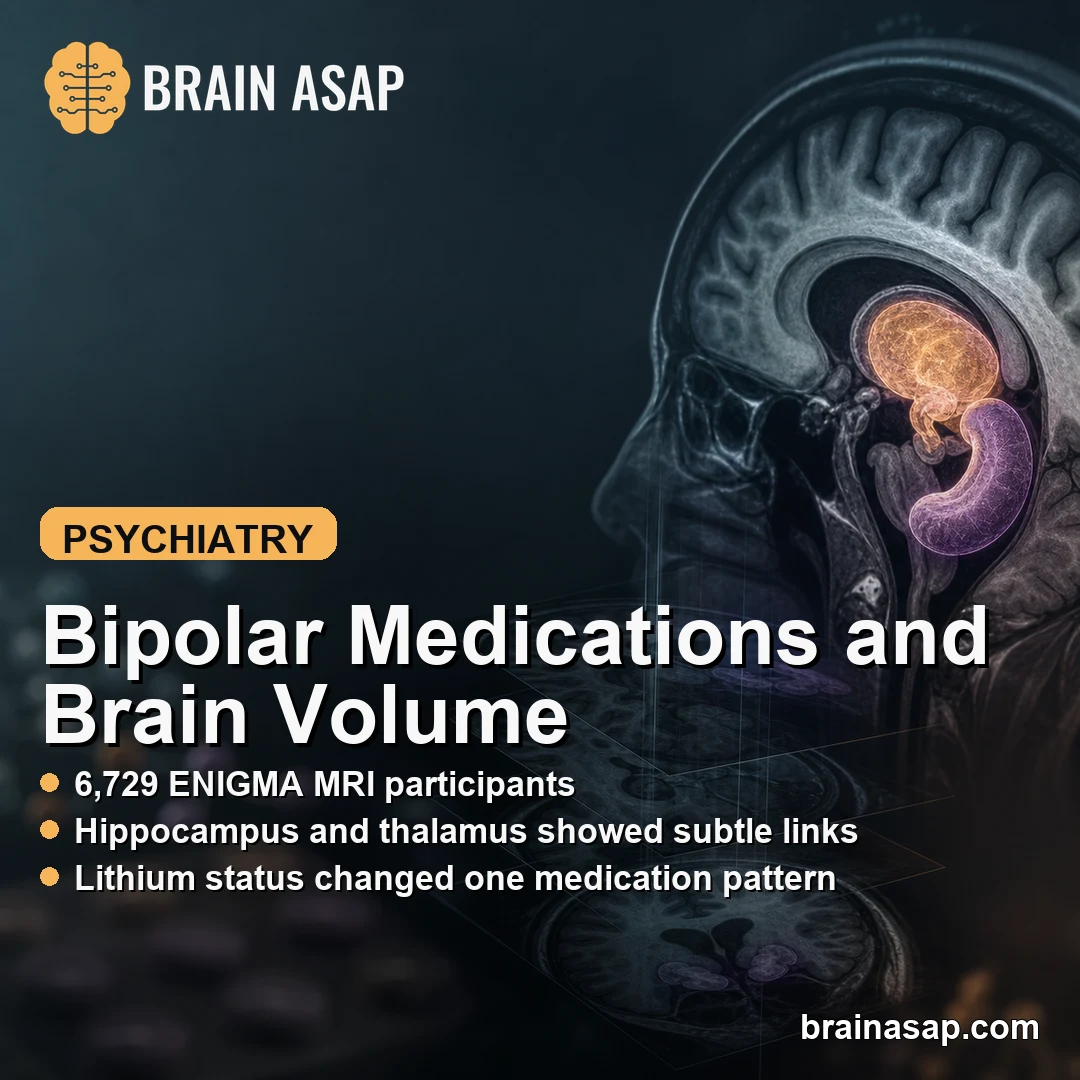
TL;DR: A 2026 Molecular Psychiatry ENIGMA mega-analysis found that medication status in bipolar disorder was linked to subtle differences in subcortical brain volume, with antiepileptic and antipsychotic exposure most consistently tied to smaller hippocampal a…
Read article ↗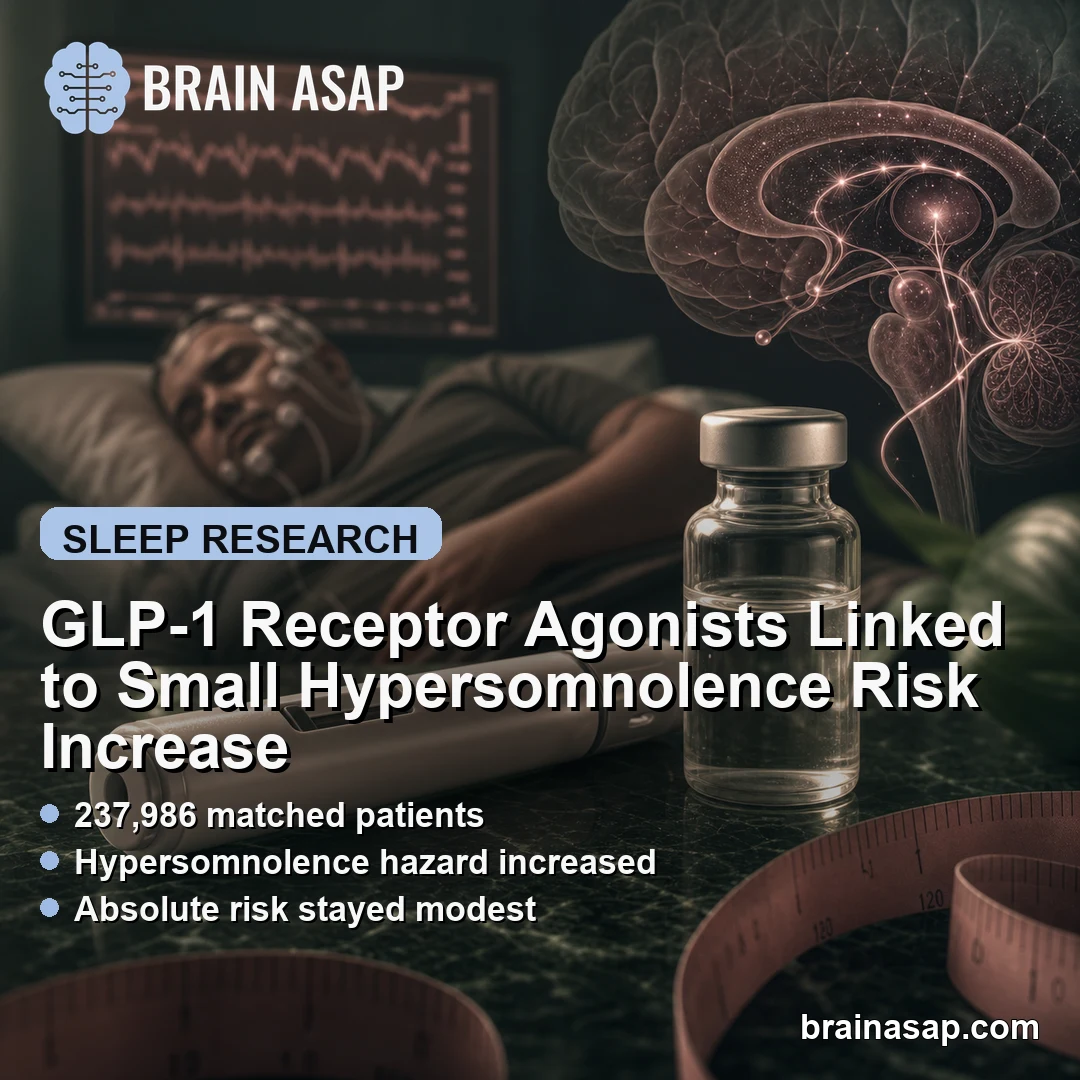
TL;DR: A 2026 real-world cohort study in Journal of Diabetes & Metabolic Disorders linked GLP-1 receptor agonists, drugs targeting a glucose-related metabolic hormone pathway, to a higher hazard of new hypersomnolence, but the absolute risk increase was small.…
Read article ↗