TL;DR: A 2026 systematic review and meta-analysis in Bipolar Disorders found that poor medication adherence in bipolar disorder was linked to substance use, psychotic features, lower insight, poorer functioning, and several markers of more severe illness, but…
Read article ↗
TL;DR: A 2026 Danish register study in British Journal of Health Psychology found that higher divorce conflict was linked to more prescriptions, more primary care visits, and higher hospitalisation odds across the years around legal divorce. Key Findings 1,784…
Read article ↗
TL;DR: A 2026 systematic review and meta-analysis in Brain, Behavior, & Immunity – Health found that adding celecoxib to antidepressants was linked to lower depressive symptom scores in 7 small trials, but the efficacy evidence was rated very low certainty. Ke…
Read article ↗
TL;DR: A 2026 study in Nature Communications found that neuropsychiatric disorder risk did not map onto cognition as one general trait. Schizophrenia, bipolar disorder, ADHD, autism, and Alzheimer’s disease showed different genetic links with reaction time, fl…
Read article ↗
TL;DR: A 2026 systematic review in Future Science OA found early medication evidence for online behavioral addictions, but the 20 included studies were mostly small, male-heavy, and short-term. Key Findings Medication evidence stayed early: The review found sm…
Read article ↗
TL;DR: A 2026 review in International Journal of Nanomedicine argued that depression nanomedicine should move beyond blood-brain-barrier delivery alone and be judged by target engagement, neuroimmune-barrier-plasticity effects, safety, manufacturability, and p…
Read article ↗
TL;DR: A 2026 study in European Archives of Psychiatry and Clinical Neuroscience linked sustained quetiapine treatment with better high-working-memory cognitive performance in schizophrenia spectrum disorder, but the genetic tests did not support the proposed…
Read article ↗
TL;DR: A 2026 real-world cohort study in The Journal of Prevention of Alzheimer’s Disease found that lecanemab-treated Alzheimer’s patients had lower Neuropsychiatric Inventory scores over follow-up, and 6-month symptom reductions were associated with regional…
Read article ↗
TL;DR: A 2026 case study in Biomedical Reports described a 28-year-old woman with bipolar II disorder whose stable subclinical counting compulsion worsened and expanded into new obsessive-compulsive symptoms within 3 days of starting cariprazine, then returned…
Read article ↗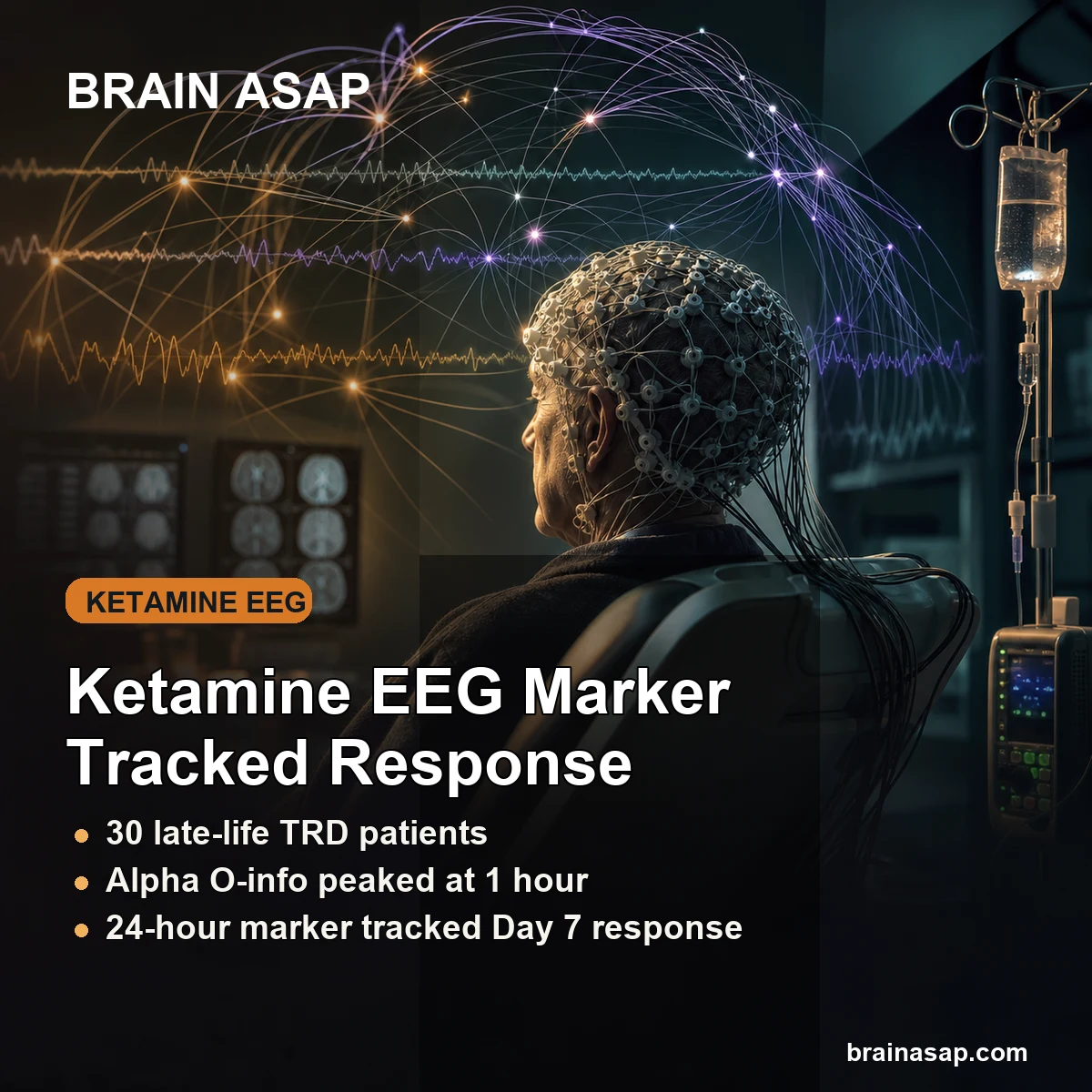
TL;DR: A 2026 study in Translational Psychiatry found that ketamine changed EEG-derived high-order brain interactions in late-life treatment-resistant depression, and a 24-hour increase in alpha-band redundancy tracked greater depression improvement by Day 7.…
Read article ↗